The breakfast debate has completely changed in recent years. For decades, we’ve been told breakfast is non-negotiable. But now? Intermittent fasting has flipped that advice on its head, and honestly, the science is pretty interesting.
Look, I get it. You’ve probably heard conflicting advice about whether to eat breakfast or skip it. Some nutritionists swear by morning meals for metabolism, while fitness influencers are all about fasting windows. So what’s actually true?
This guide breaks down what research really says about meal timing for weight loss and when to eat breakfast. We’ll explore how strategic eating patterns can work for your lifestyle without the BS.
The Great Breakfast Debate: Skip or Eat?
Here’s the thing about breakfast. It’s become this weirdly controversial topic in nutrition circles.
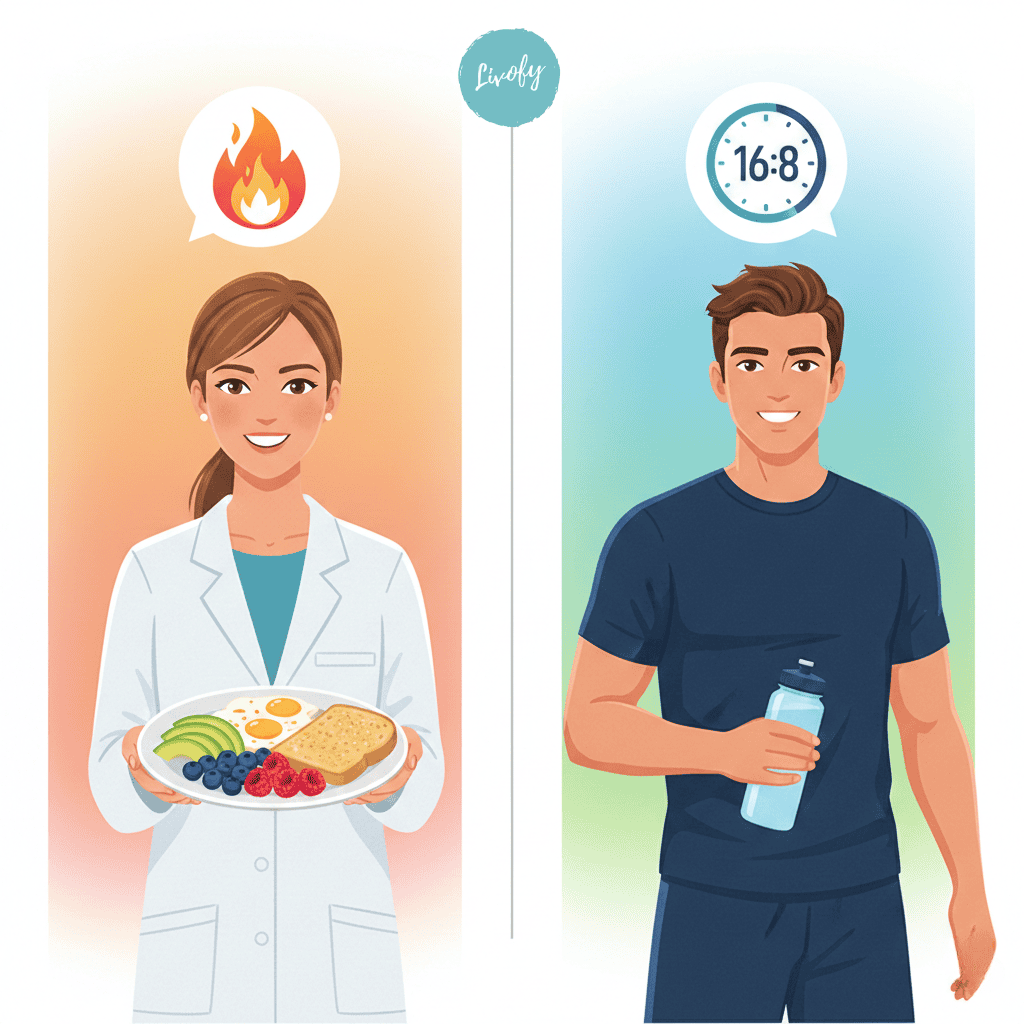
Traditional nutritionists still push the “breakfast jumpstarts your metabolism” line. Meanwhile, the intermittent fasting crowd is seeing real results by skipping it entirely. And both groups have studies backing them up, which is confusing as hell.
The truth? It depends on you.
Your lifestyle matters. Your body matters. What works brilliantly for your gym buddy might make you feel terrible. I’ve seen this play out with dozens of Livofy clients – some thrive on fasting, others need that morning meal.
Why Breakfast Became “Essential”
Fun fact: The whole “breakfast is essential” thing? Marketing genius from cereal companies in the 1900s.
Seriously. Before Kellogg’s and Post started their campaigns, people ate when they were hungry. No one was stressing about eating within an hour of waking up. But these companies needed to sell cereal, so they convinced everyone that skipping breakfast was basically dangerous.
And it worked. For over a century, we’ve believed breakfast is crucial. But our ancestors? They practiced what we now call intermittent fasting without even thinking about it.
The Rise of Intermittent Fasting
Fast forward to today, and fasting is everywhere. Celebrities swear by it. Your yoga instructor probably does it. There are entire subreddits dedicated to it.
But here’s what caught my attention: the research actually backs it up. We’re not talking about bro-science or Instagram wellness trends. Multiple peer-reviewed studies show genuine benefits for many people.
The concept is simple. Extend your overnight fast, give your digestive system a break, and potentially tap into fat-burning mode. Your body gets time to repair cells and reduce inflammation instead of constantly processing food.
Pretty straightforward, right?
What Science Really Says
Let’s cut through the noise and look at actual research. Because there’s a lot of it now.
The Metabolism Myth
Remember being told that skipping breakfast tanks your metabolism? Yeah, that’s mostly wrong.
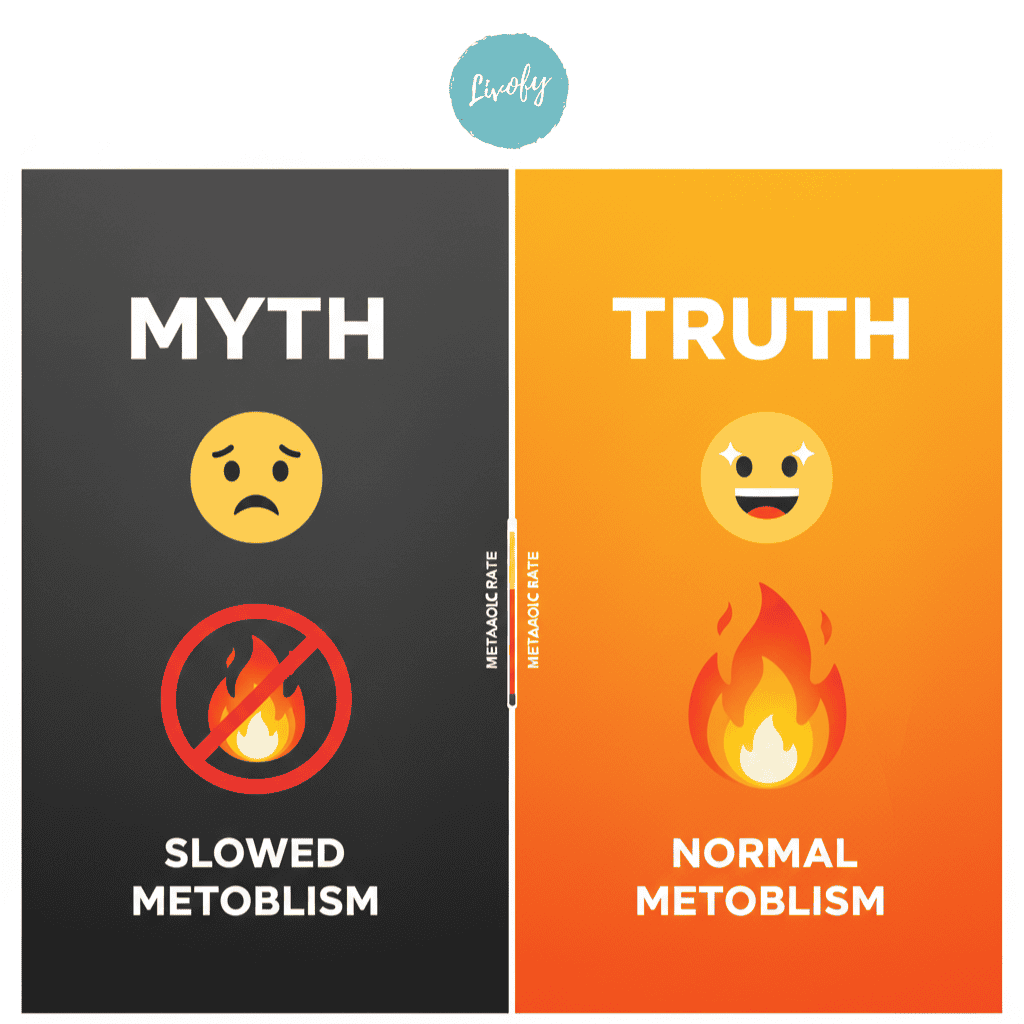
Multiple studies show that meal frequency doesn’t really impact your metabolic rate. Whether you eat three meals or practice intermittent fasting, your body burns roughly the same calories throughout the day.
Actually, some research suggests fasting might slightly boost metabolism. During fasting periods, your body increases norepinephrine production (a fat-burning hormone). One study in the American Journal of Clinical Nutrition found that alternate-day fasting increased metabolic rate by 3.6% after 22 days.
Not bad, considering we’ve been told the opposite for years.
Weight Loss Evidence
Here’s where it gets interesting for people trying to lose weight.
A 2019 review of 13 studies found that people who skipped breakfast actually weighed slightly less than regular breakfast eaters. Not dramatically less, but consistently less.
Why? When you’re fasting, you naturally eat fewer calories. It’s harder to overeat when you’re cramming all your food into an 8-hour window. Plus, fasting improves insulin sensitivity, making it easier for your body to burn stored fat.
Many people find that skipping breakfast helps them control portions throughout the day. That constant snacking and grazing? Much easier to manage when you have clear eating windows.
The Insulin Connection
This is probably the strongest argument for trying intermittent fasting.
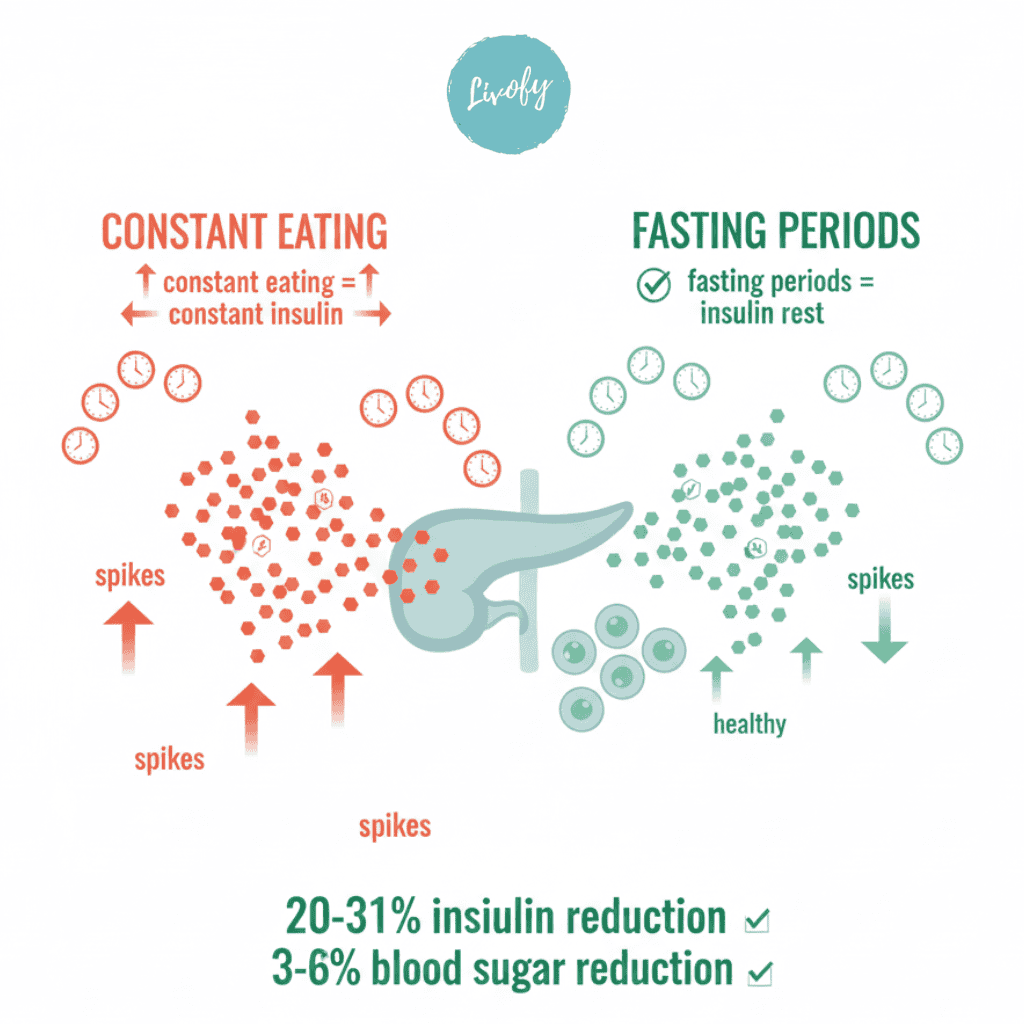
Every time you eat, your pancreas releases insulin to handle blood sugar. Eat constantly? You’re producing insulin constantly. Over time, this can lead to insulin resistance, which is basically the road to Type 2 diabetes.
Fasting gives your body extended periods of low insulin. This improves insulin sensitivity. Studies show intermittent fasting can reduce fasting insulin by 20-31% and blood sugar by 3-6% in people with prediabetes.
That’s significant.
Who Should Skip vs. Who Should Eat
Not everyone should jump on the fasting bandwagon. Your situation matters.
Perfect Candidates for Intermittent Fasting
Never hungry in the morning? Don’t force it.
I’ve worked with clients who’ve spent years choking down breakfast because they thought they had to. Once they stopped? More energy, better focus, easier weight loss.
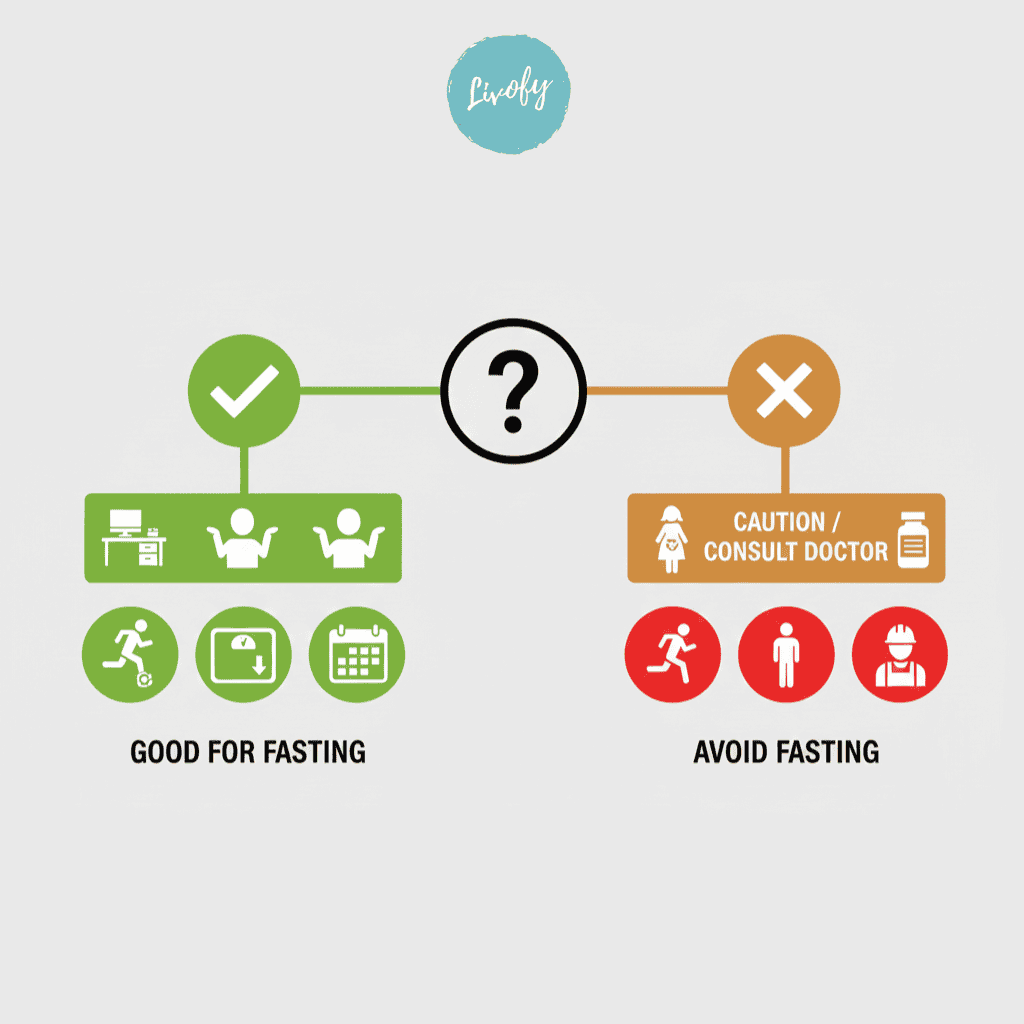
People trying to lose weight often do great with fasting. If you’re a late-night snacker, skipping breakfast and eating dinner earlier can break that pattern. Office workers who can easily delay lunch? This approach is super convenient.
Those with insulin resistance or prediabetes might particularly benefit. But talk to your doctor first, especially if you’re on medications.
Who Needs Morning Fuel
Some people genuinely need breakfast.
Are athletes training hard? You probably need morning fuel. Construction workers? Yeah, you need food. If you’re doing intense physical activity, fasting might hurt your performance.
Medical conditions matter too. Diabetes (especially Type 1), hypoglycemia, or medications requiring food? Skipping breakfast could be dangerous. Pregnant or breastfeeding? You need regular meals.
Kids and teenagers should generally eat breakfast. They’re growing. And if you have a history of eating disorders, any kind of fasting might trigger unhealthy patterns.
How to Start Intermittent Fasting Safely
Want to try it? Here’s how to do it without making yourself miserable.
The 16:8 Method for Beginners
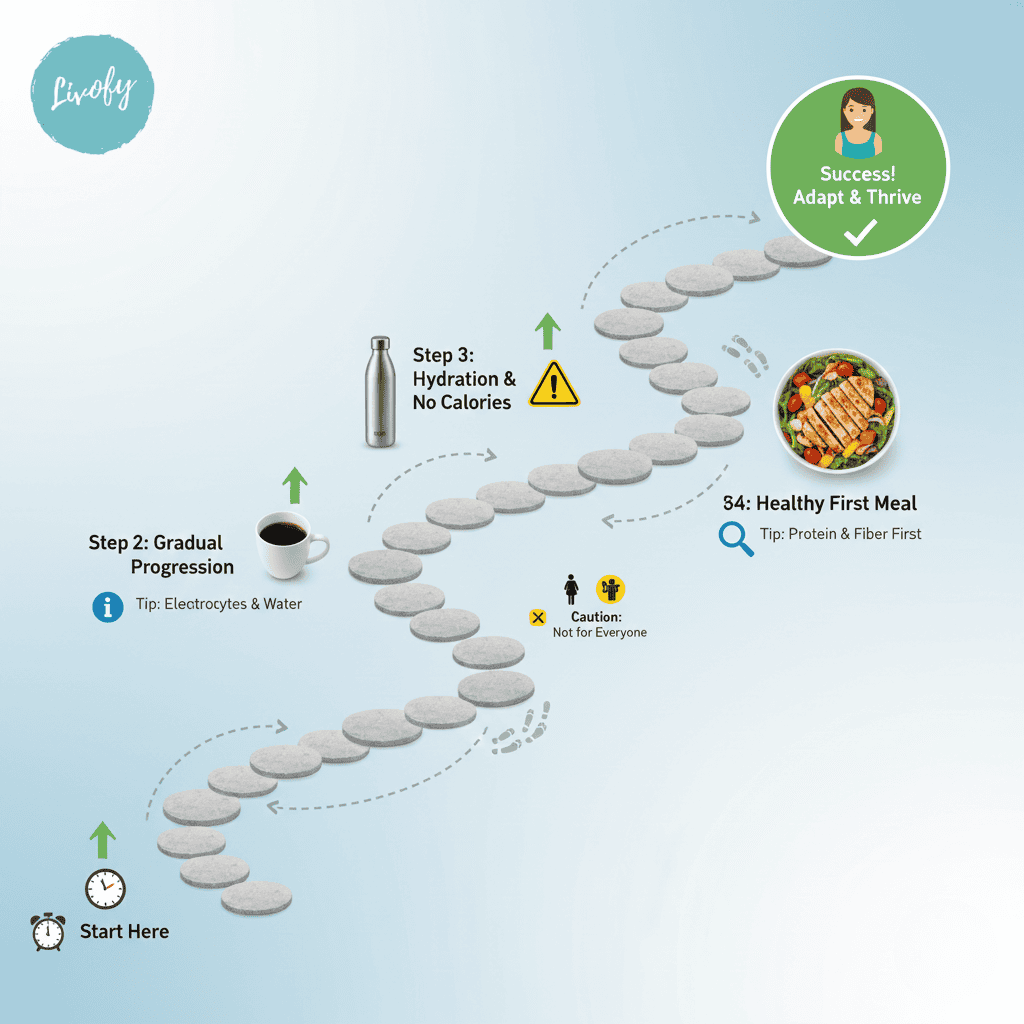
Start with the 16:8 method. Fast for 16 hours, eat within 8 hours. For most people, this means skipping breakfast and eating between noon and 8 PM.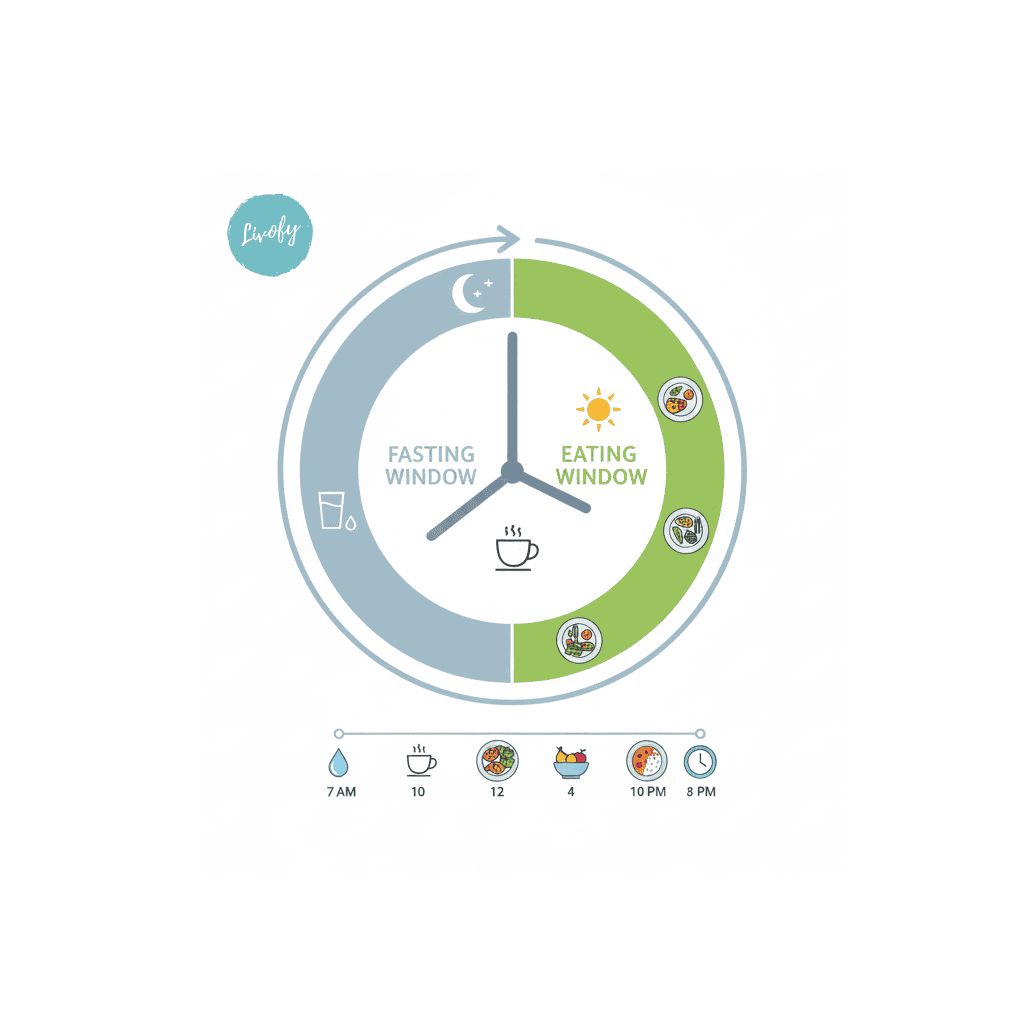
But don’t jump in cold turkey.
If you normally eat breakfast at 7 AM, push it to 8 AM for a week. Then 9 AM. Gradually work your way up. Your body needs time to adjust.
During fasting, you can have water, black coffee, or green tea. These won’t break your fast and actually help manage hunger.
Pay attention to how you feel. Some morning hunger is normal and usually passes within 30 minutes. But dizzy or extremely weak? Eat something. This should make you feel good, not terrible.
Common Mistakes to Avoid
Biggest mistake? Overeating during your eating window.
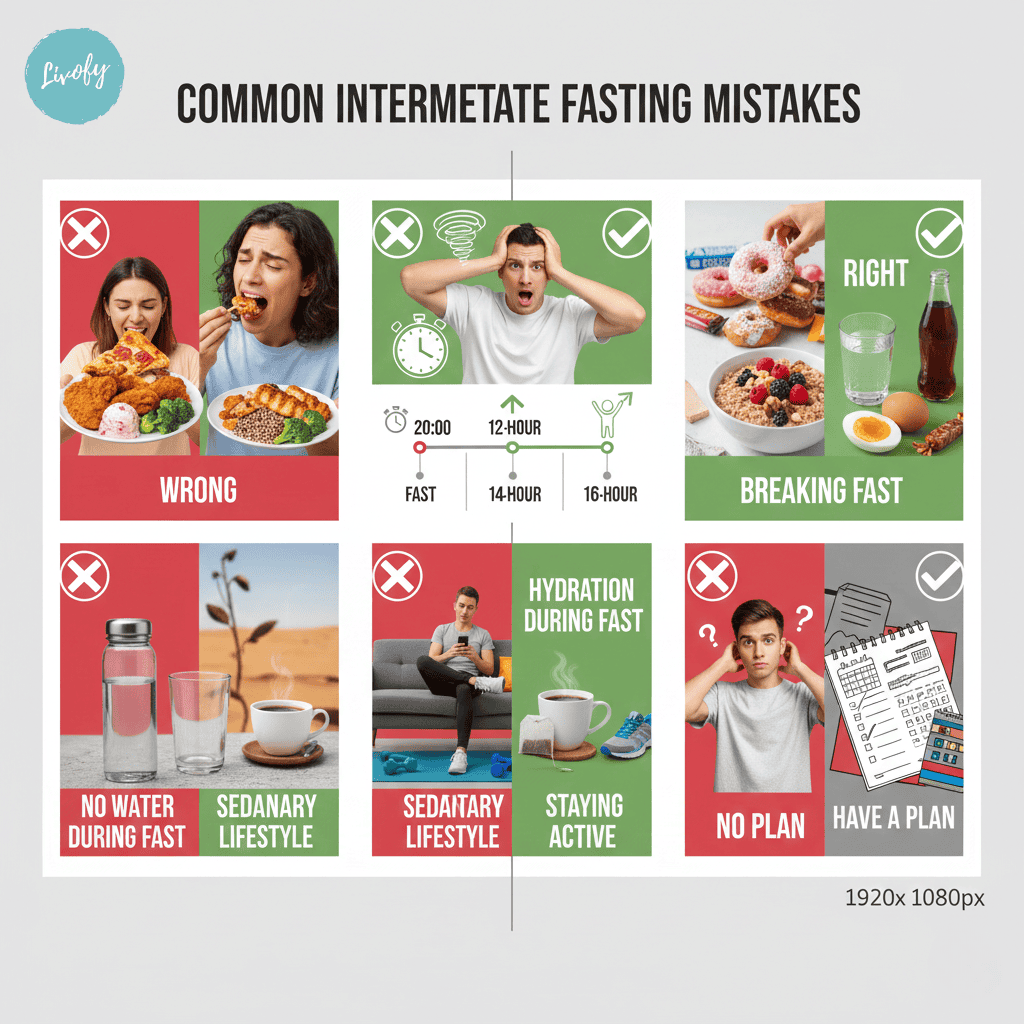
Just because you skipped breakfast doesn’t mean you can demolish an entire pizza later. Focus on balanced, nutritious meals that actually satisfy you.
Don’t jump into 20-hour fasts immediately. If you’ve always eaten breakfast, suddenly going extreme will shock your system and probably make you quit.
Also, stay hydrated. Many people mistake thirst for hunger when starting.
And for the love of everything, don’t break your fast with junk food. After fasting, your body is ready to absorb nutrients. Make it count with quality proteins, healthy fats, and complex carbs.
What to Eat When You Break Your Fast
What you eat matters as much as when you eat.
Best First Meals
Your first meal should be gentle on your digestive system but still nutritious.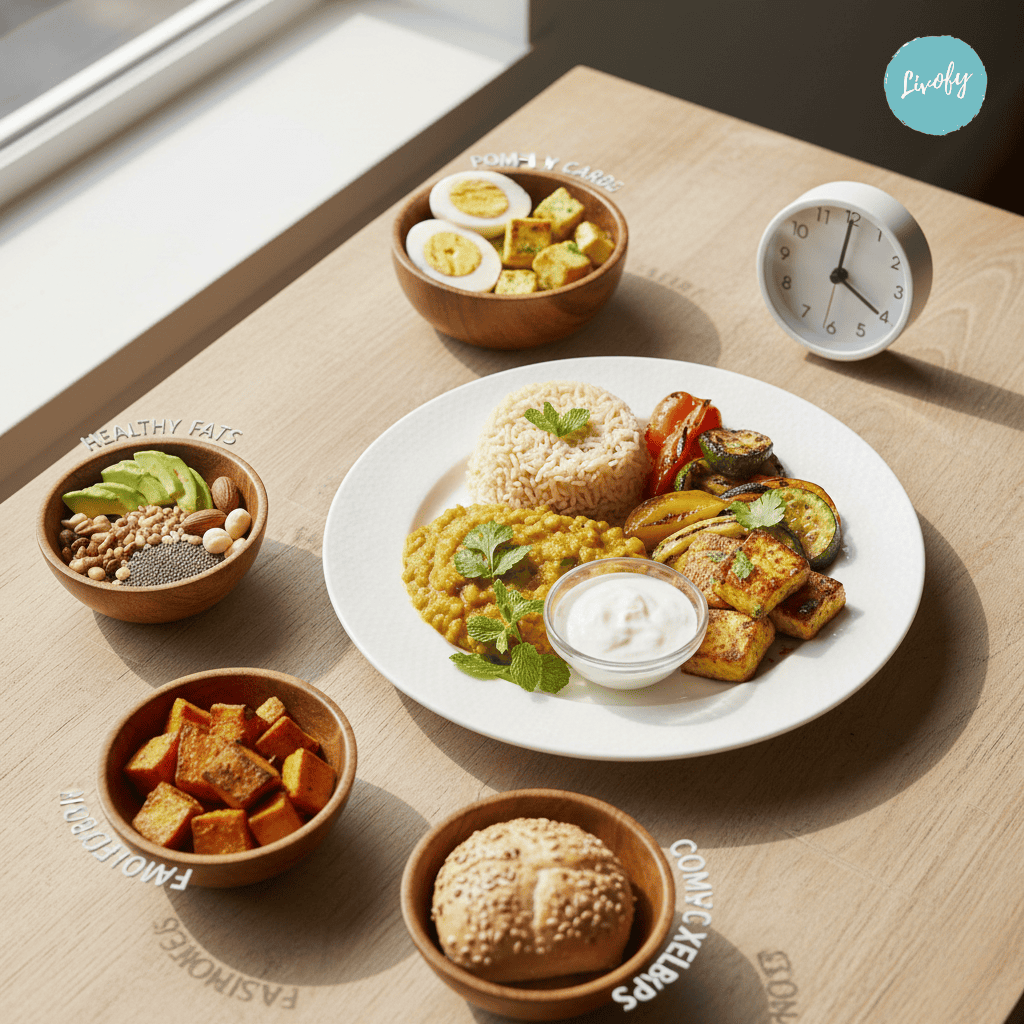
Start with something easily digestible. Dal with rice works great. Khichdi with vegetables. A smoothie with fruits and nuts. These are all solid choices.
Include protein to keep you full. Eggs, paneer, chicken, legumes. These stabilize blood sugar and prevent energy crashes.
Skip sugary stuff or white bread for your first meal. These spike blood sugar, then you crash and you’re hungry again in an hour. Not fun.
Choose complex carbs instead. Whole grains, sweet potatoes, quinoa. Sustained energy that actually lasts.
Indian Options That Work
For Indian meals, you’ve got plenty of options.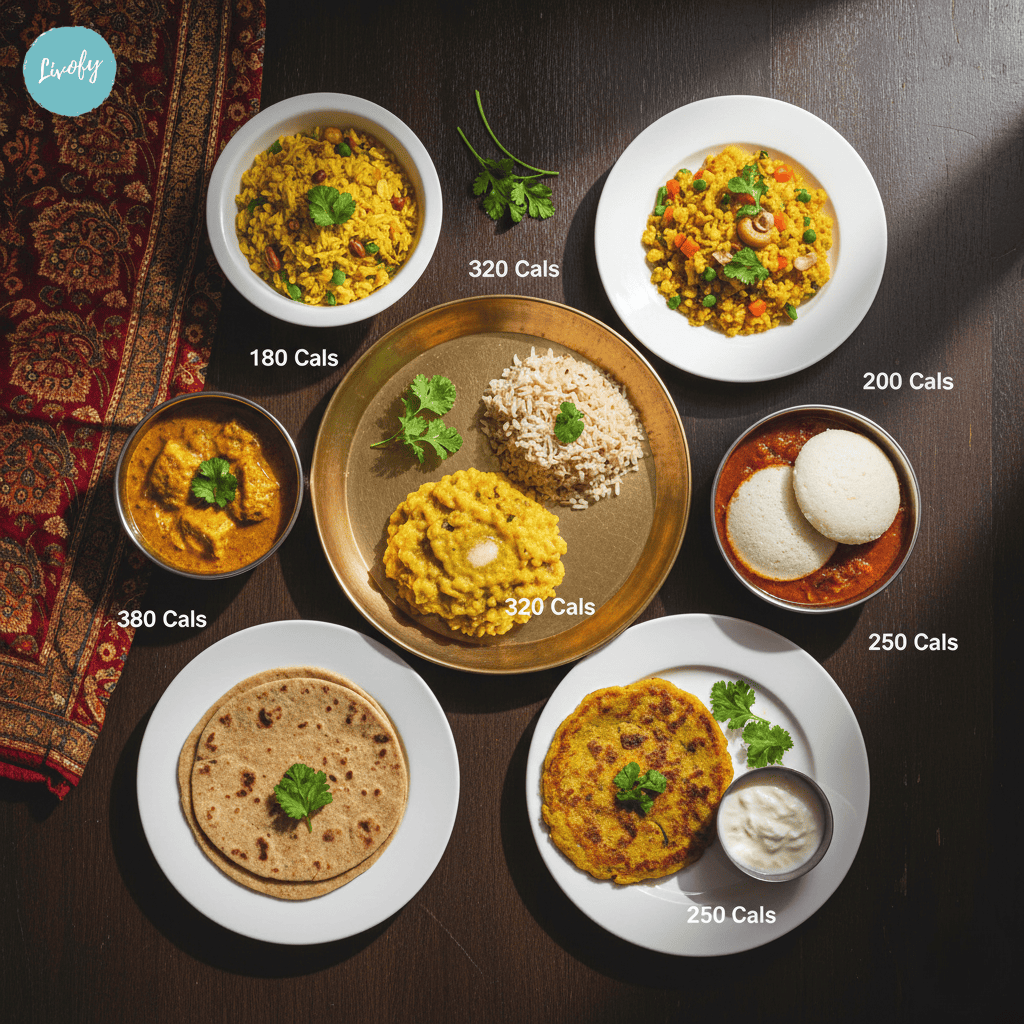
Poha with peanuts and vegetables is perfect. You get carbs, protein, and fiber. Idli with sambar gives you fermented foods (great for digestion) plus protein from lentils. Besan chilla with yogurt? Protein and probiotics.
Want something heartier? Dal rice with ghee and vegetables. Roti with paneer curry and salad. Upma loaded with veggies and topped with nuts.
These combinations give you all the macronutrients while being genuinely satisfying.
The Exercise Question
“Can I work out while fasting?” This comes up constantly.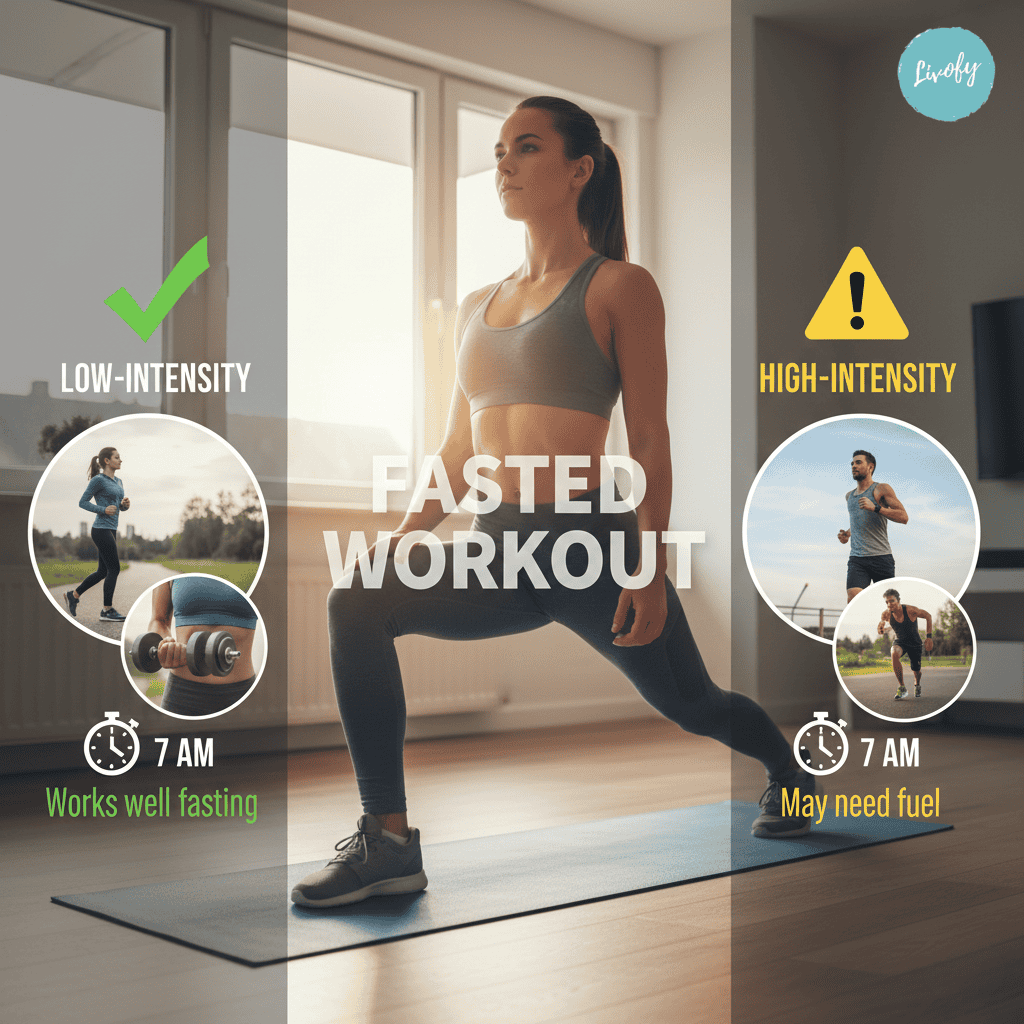
Working Out While Fasting
Many people exercise during their fasting window and feel great doing it.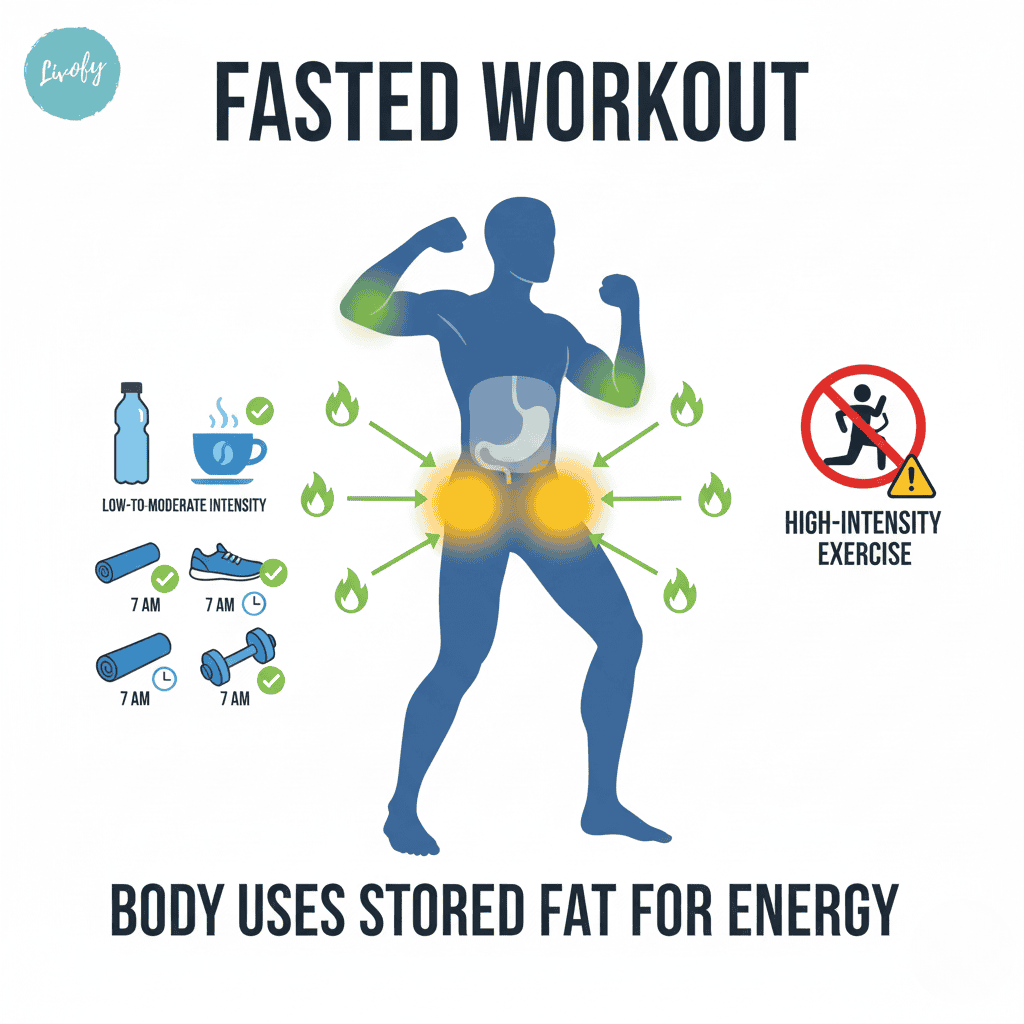
Research even suggests fasted cardio might increase fat burning. When you exercise without eating first, your body taps into stored fat for energy.
Low to moderate workouts usually work fine. Yoga, walking, light jogging, moderate weights. Your body handles these well using stored energy.
High-intensity training, though? That might suffer without pre-workout fuel. If you’re doing HIIT or heavy lifting, you might need to adjust.
Timing Your Workouts
If you exercise in the morning and want to fast, you have options.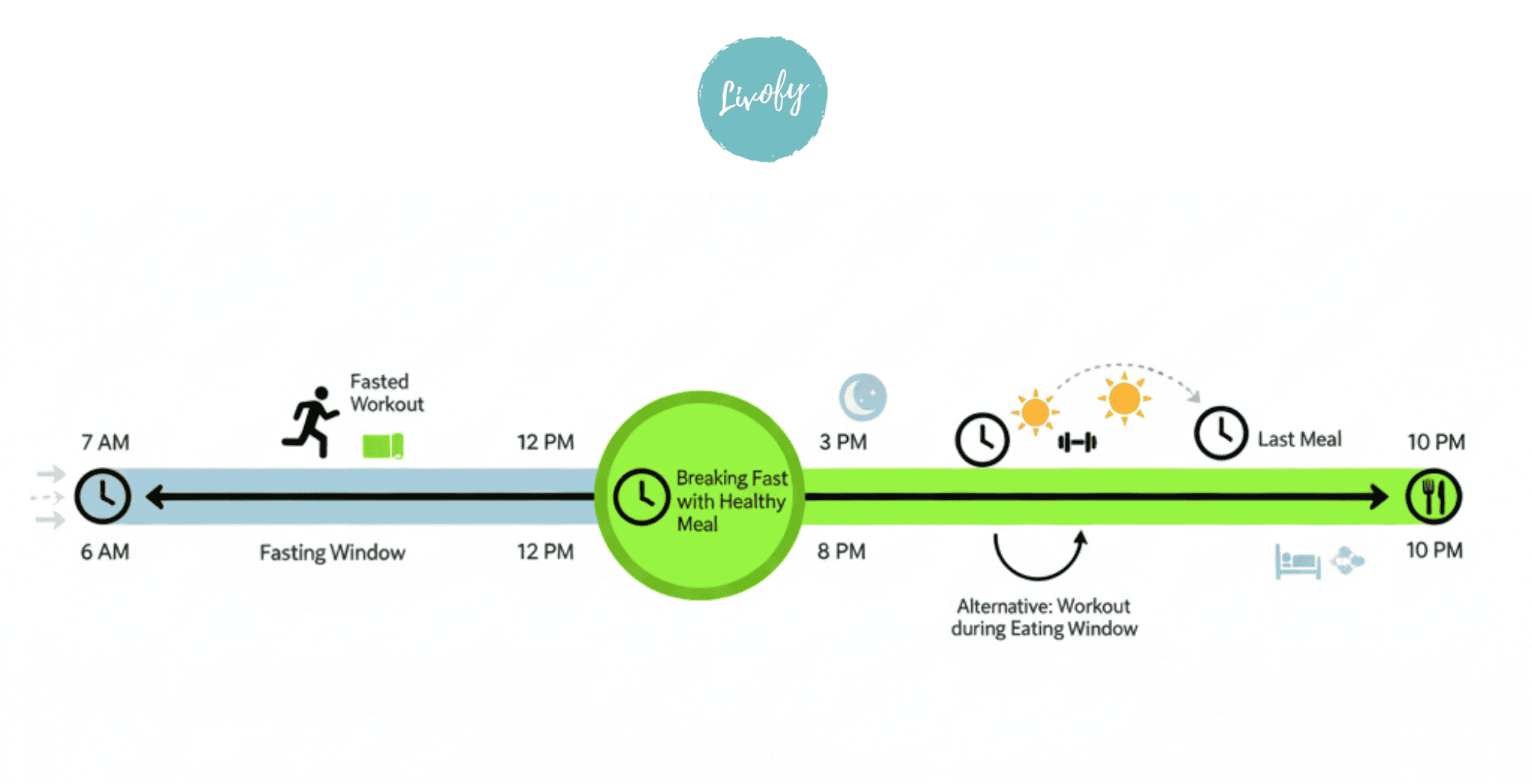
Some people work out fasted and break their fast right after. Others move their workout to their eating window. Experiment and see what works.
Listen to your body. Weak or can’t finish your workout while fasting? Adjust. The best approach is one you can actually maintain long-term.
Common Myths Debunked
Let’s address the BS floating around about fasting.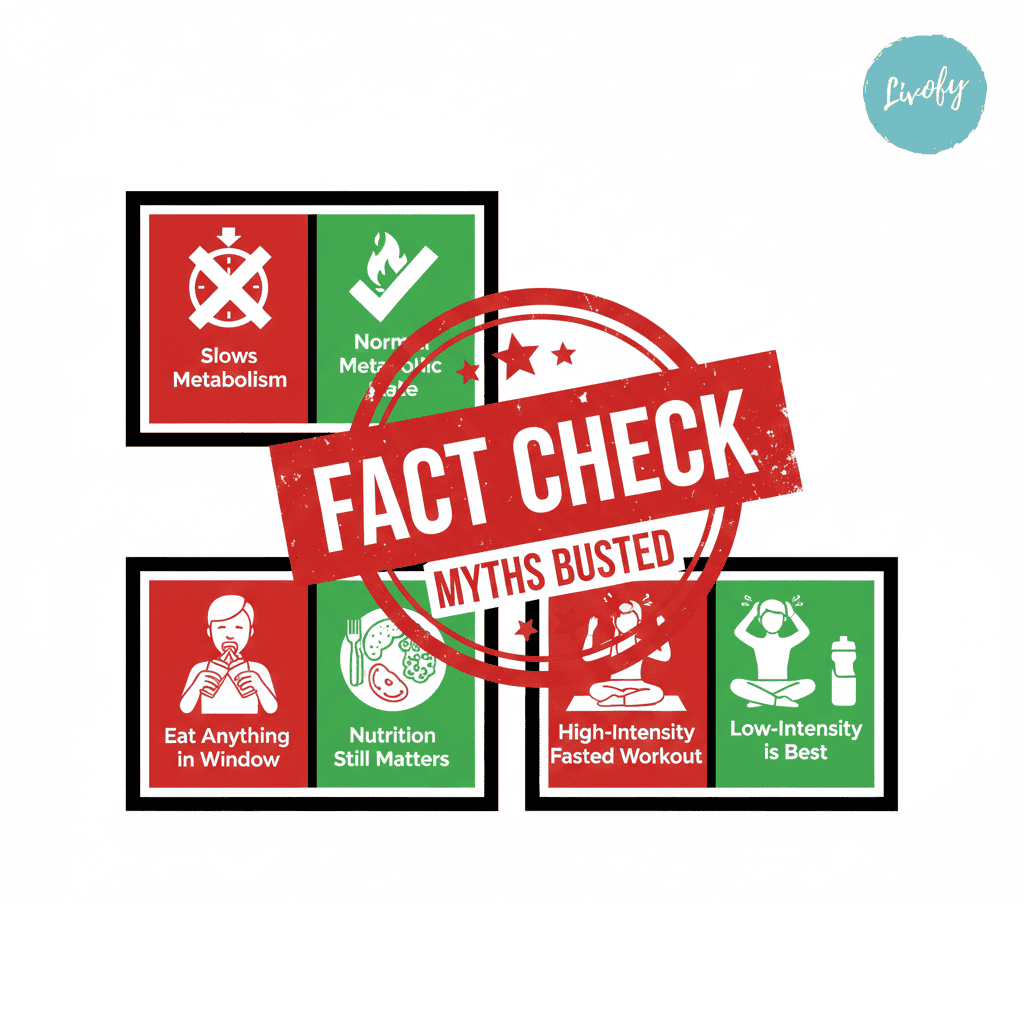
“You’ll Lose Muscle”
This myth needs to die.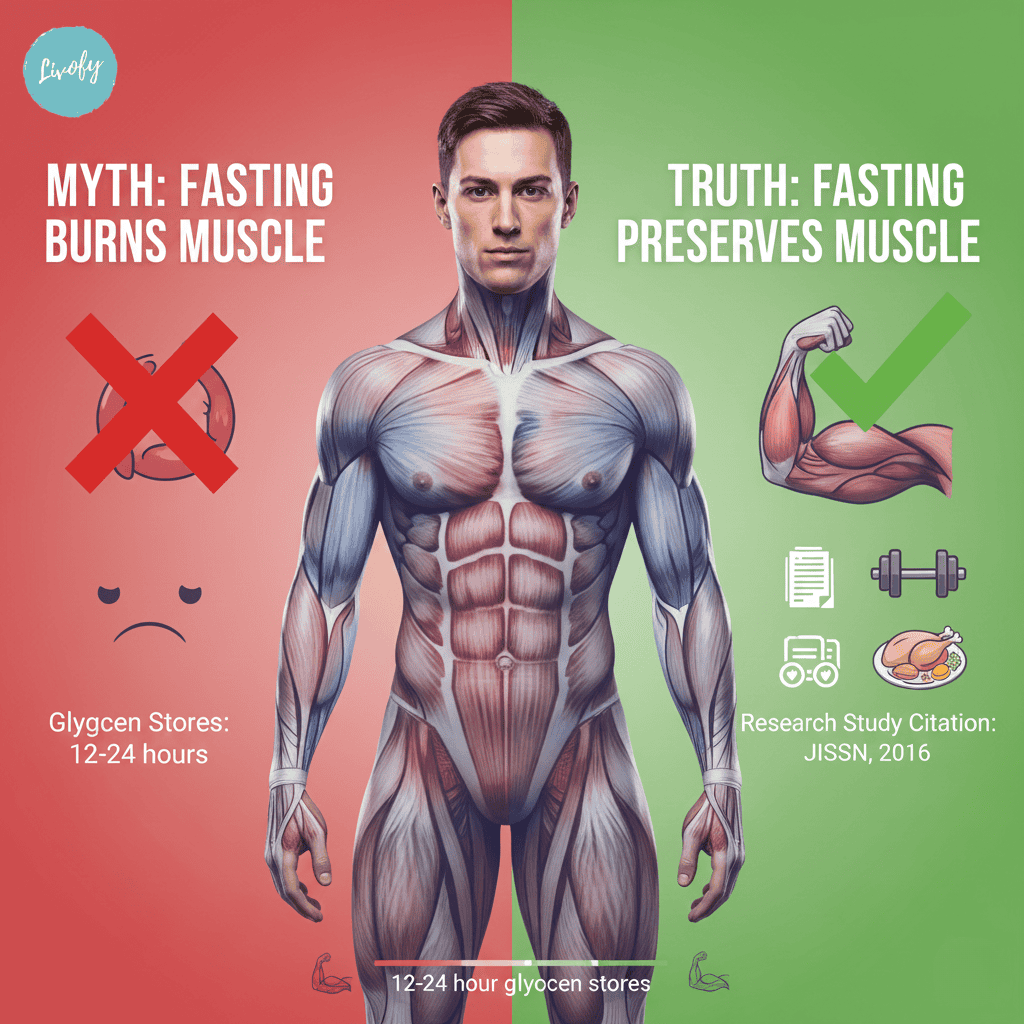
Research shows intermittent fasting preserves muscle mass effectively when you eat enough protein and lift weights. Your body isn’t stupid. It doesn’t immediately start breaking down muscle when you skip breakfast.
You have glycogen stores lasting 12-24 hours. Only during extended fasts (beyond 24-48 hours) does muscle breakdown become a real concern.
Eat adequate protein during your window, train regularly, and your muscles are fine.
“Women Shouldn’t Fast”
This is oversimplified.
Yes, women can be more sensitive to fasting. But many women do great with it. The key is being cautious and gradual.
Start with 12-14 hour fasts instead of jumping to 16 hours. Pay attention to your cycle. Some women feel great fasting throughout their cycle, others need to eat breakfast during certain phases.
If fasting messes with your period or hormones? It’s not for you. Simple as that.
“It Causes Eating Disorders”
For most people, intermittent fasting doesn’t cause eating disorders.
But if you have a history of disordered eating, be careful with any dietary restriction. The structure could trigger unhealthy patterns.
Your mindset matters. Using fasting as a health tool and feeling good? That’s healthy. Obsessing over it or feeling anxious about eating? That’s problematic.
Making the Right Choice for You
So, should you eat breakfast or skip it?
Depends entirely on your situation.
Got a family breakfast tradition? The social benefits outweigh the fasting advantages. Rushed mornings? Skipping breakfast might simplify things.
Think about your goals. Weight loss? Insulin sensitivity? Muscle gain? Different goals are best achieved with different approaches.
Most importantly, how do you feel? More energy with breakfast or without it? Your body usually knows.
Try both approaches for at least two weeks each. Keep a journal. Track energy, hunger, mood, and performance. This personal data beats any study.
Conclusion
Look, the breakfast debate isn’t about one approach being universally right or wrong. Different strategies work for different people, and that’s okay.
Science shows both eating breakfast and fasting can support health when done thoughtfully. The key is finding what works for your body and lifestyle. Focus on nutrient-dense whole foods, stay hydrated, prioritise sleep, and move your body regularly. Whether you eat breakfast or skip it matters less than the overall quality of your diet and lifestyle. Don’t eat by the clock if you’re not hungry. Don’t force fasting if your body needs fuel. Trust yourself, experiment, and find your rhythm. That’s the real answer here.
Related Posts