Every January, your Instagram feed is flooded with detox diets, juice cleanses, and celebrities touting their latest “toxin flush.” Your WhatsApp groups share “miraculous” recipes promising to melt fat and deliver glowing skin in just 7 days.
But here’s the million-rupee question I’m asked constantly: Do detox diets work, or are we falling for expensive marketing? The truth reveals a dramatic split between detox diets science and marketing hype. When brands discuss toxins, they rarely specify what these substances actually are. Pollution? Pesticides? That samosa from last week?
This vagueness is intentional which allows them to blame everything from fatigue to weight gain on mysterious “toxins.” Meanwhile, your body detoxification systems are already working 24/7 to eliminate waste. They don’t need any special juice or tea to function properly.
The Truth About “Toxins” in Your Body
Let’s start with the foundation of all cleanse diet myths the idea that your body is full of “toxins” needing special help for removal. This is where science and marketing take completely different paths.
When cleanse promoters talk about toxins, they’re frustratingly vague. Here’s what’s really happening: you do encounter potentially harmful substances daily. Air pollution, pesticide residues, alcohol metabolites, and cellular waste products.
But your body has incredibly sophisticated body detoxification systems already dealing with these, working continuously without any special intervention or expensive products.
Your Built-In Detox System
Your liver is the MVP of detoxification because it’s a remarkable organ that processes everything from medications to alcohol, breaking down harmful substances into forms your body can eliminate. Understanding the liver detox truth is simple: it doesn’t need a juice cleanse to function; it just needs adequate nutrition and hydration.
Your kidneys filter about 180 liters of blood daily, removing waste products through urine, which is so efficient that people live normally with just one kidney with no expensive products required, just adequate water intake.
Your lungs expel carbon dioxide, your skin eliminates some waste through sweat, and your digestive system removes solid waste. This coordinated system works continuously, not just when you’re drinking lemon water with cayenne pepper.
Popular Detox Products Decoded
Let’s examine the most popular cleanse programs flooding the market and what science actually reveals about them. When exploring do detox diets work, we need to separate body cleanse facts from fiction. Spoiler alert: it’s not good news for the detox industry.
Juice Cleanses
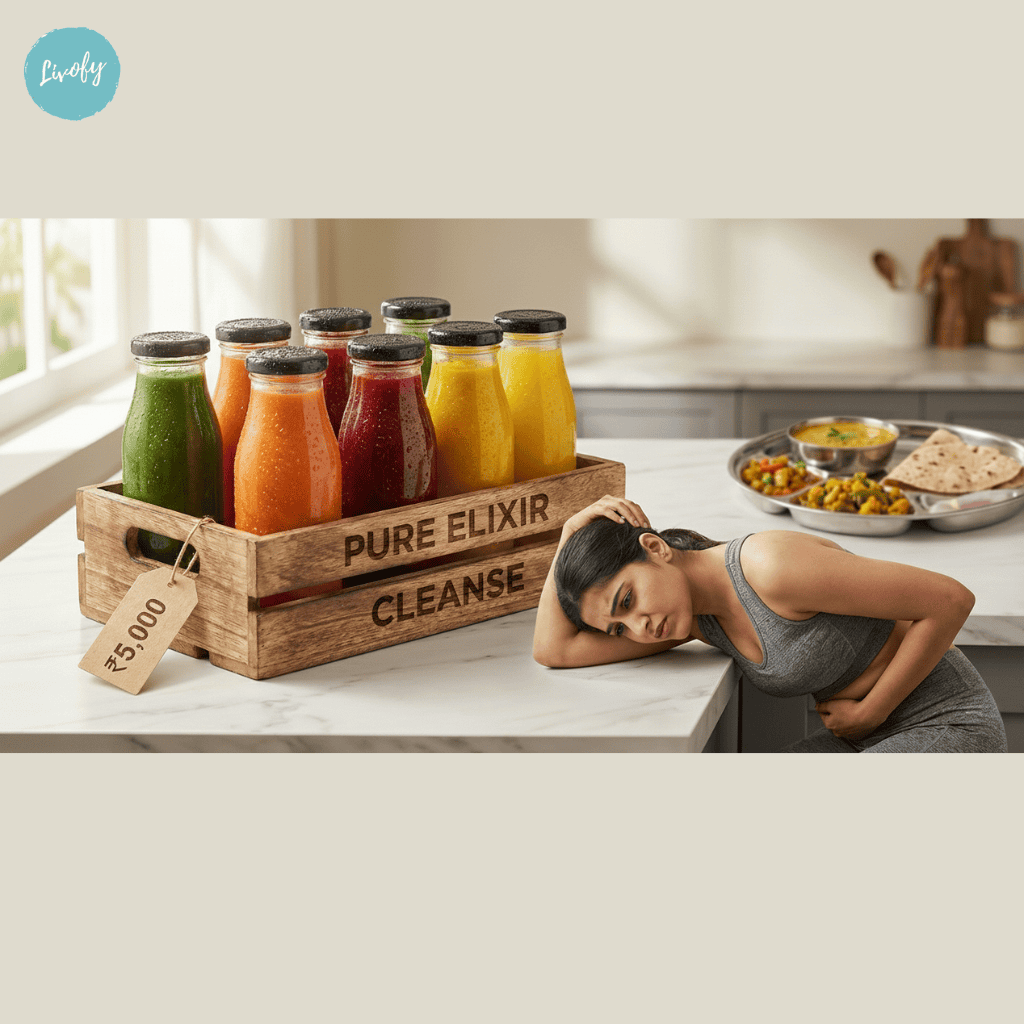
The poster child of the wellness industry is juice cleansing, which promises to “reset” your system by consuming only fruit and vegetable juices.
Brands charge hundreds or thousands of rupees for what is essentially expensive fruit juice. I’ve watched clients spend ₹5,000 on a 3-day cleanse that made them miserable.
What actually happens: You’re drastically cutting calories and eliminating protein and fat entirely. The initial weight loss is mostly water and glycogen (stored carbohydrates).
Your blood sugar rollercoasters from the high fruit sugar content, causing lightheadedness, irritability, and constant hunger.
The juice cleanse truth: No peer-reviewed studies show juice cleanses remove toxins better than your body’s natural processes. While some claim juice cleanse benefits like increased energy, these effects come from eliminating processed foods, not from any magical detoxifying properties.
Detox Teas

These Instagram-famous products usually contain herbs like senna, cascara, or other laxatives. They promise to “flush out toxins” and “flatten your tummy” while you sleep. The detox tea reality? They just make you poop more.
What actually happens: The laxative effect causes water loss and more frequent bowel movements, creating an illusion of weight loss. You’re also losing electrolytes and potentially disrupting your normal digestive function.
Some of my clients have developed dependency on these teas. They can’t go to the bathroom normally without them. That’s a problem.
Science says: Laxative teas don’t remove toxins. They just increase bathroom visits.
Prolonged use leads to electrolyte imbalances, dehydration, and dependency. Your colon doesn’t need special cleaning. It’s self-cleaning when functioning normally.
Water Fasting
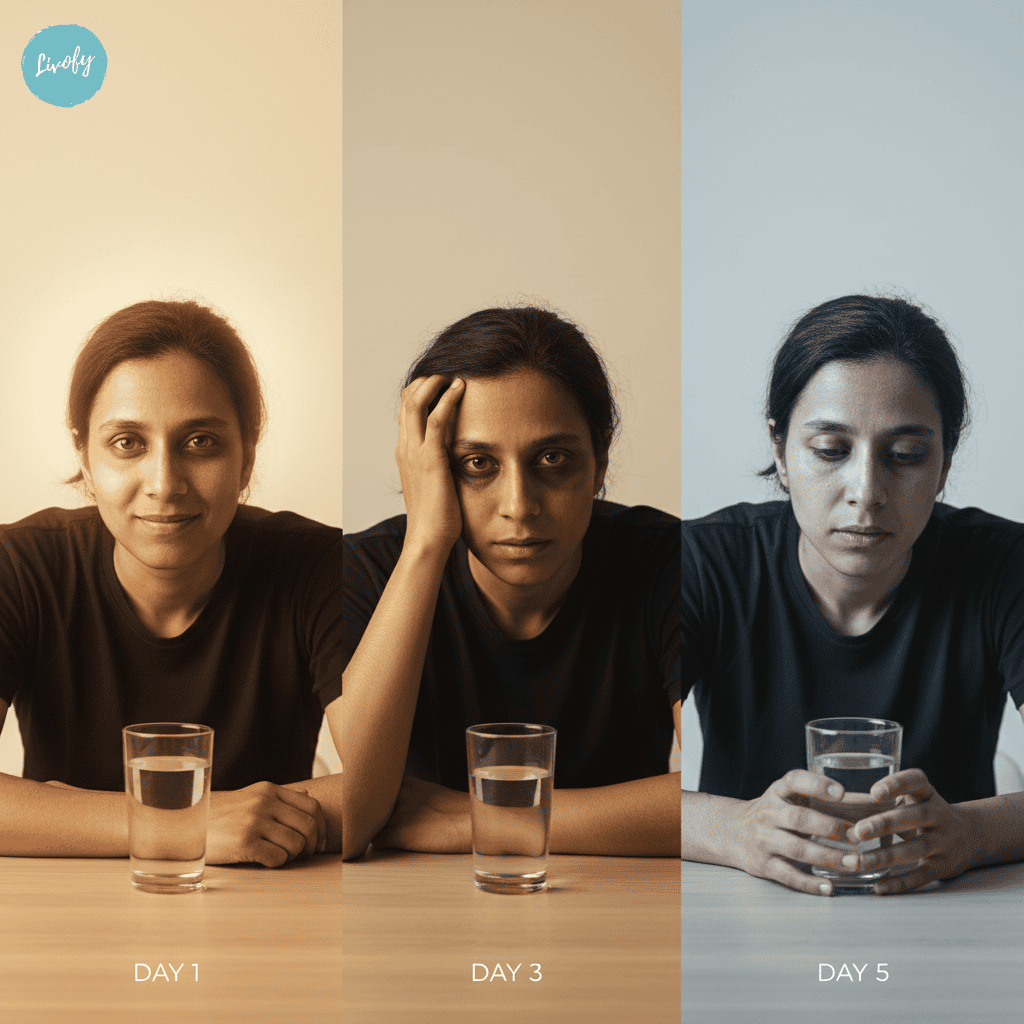
Some programs advocate consuming only water for days to “give your digestive system a break” and “accelerate toxin removal.”
This sounds noble and spiritual, but your digestive system doesn’t need a break. It’s not tired.
What actually happens: Your body enters a fasting state, initially using stored glycogen, then switching to fat and eventually muscle protein for energy.
You might experience headaches, fatigue, dizziness, and difficulty concentrating. Not exactly the “clarity” they promise.
Science says: While intermittent fasting has some proven benefits (that’s a different topic), extended water fasting doesn’t enhance toxin removal.
In fact, some fat-soluble compounds stored in tissue might be released during rapid weight loss, temporarily increasing their levels in your bloodstream. The opposite of detoxification!
The Master Cleanse

This extreme program involves drinking only lemon juice, maple syrup, cayenne pepper, and water for 10 days. Celebrities have famously used it for rapid weight loss before big events. You know what else would work? Just not eating. Same result, same problem.
What actually happens: You’re essentially starving yourself with minimal calories from maple syrup. Weight loss is primarily muscle mass and water.
Most people regain the weight immediately after resuming normal eating, often gaining back more than they lost. Classic rebound effect.
Science says: There’s zero scientific evidence that this combination removes toxins. You’re more likely to lose muscle mass, slow your metabolism, and develop nutritional deficiencies than achieve any legitimate benefit. It’s expensive starvation with a trendy name.
What Actually Happens During These Programs
Understanding the physiological changes helps explain why people experience certain effects. And why they’re often mistaking stress responses for “detoxification.”
The Initial “High”
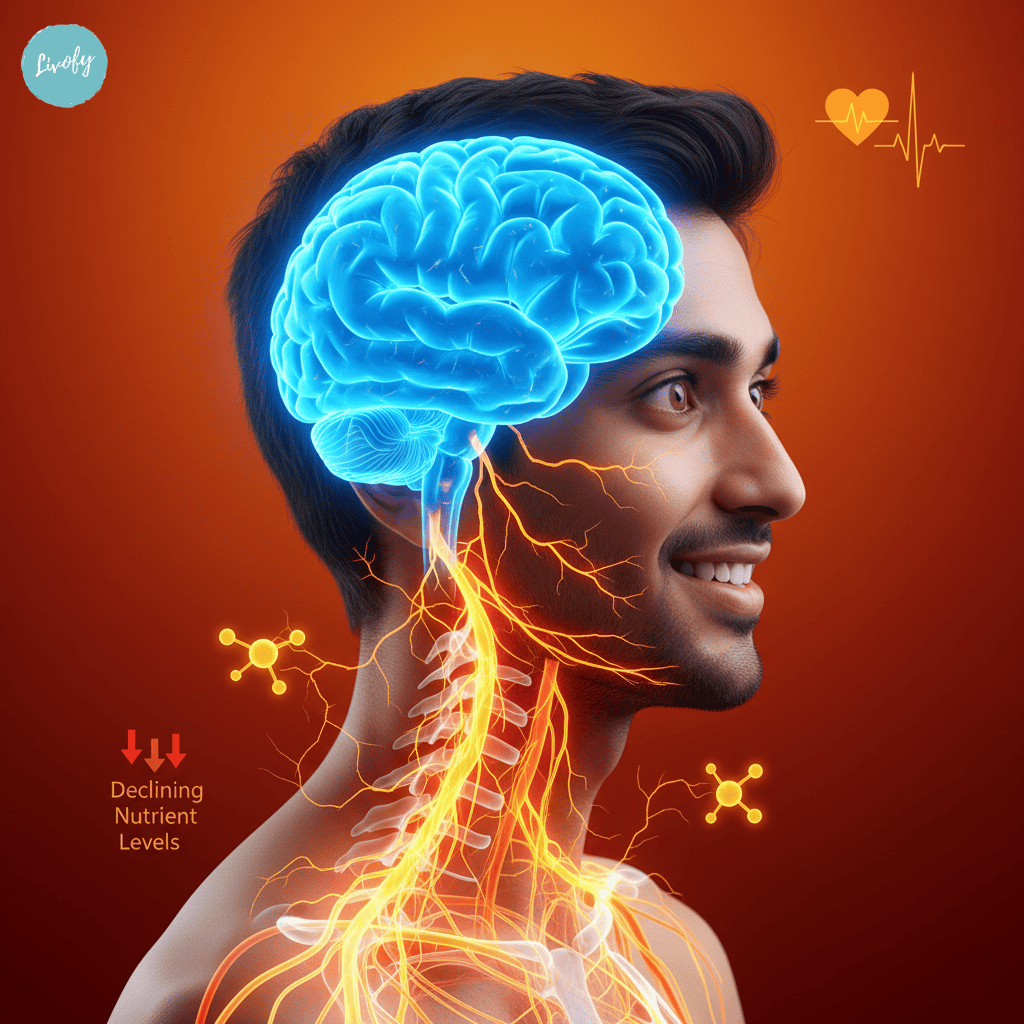
Many people report feeling energetic and clear-headed in the first few days. This isn’t because toxins are leaving. It’s often from eliminating processed foods, alcohol, and caffeine. The caloric restriction also triggers the release of stress hormones like adrenaline, creating temporary alertness.
You’re interpreting your body’s alarm system as feeling cleansed. It’s actually your body screaming, “feed me!”
The placebo effect plays a huge role, too. If you believe it will make you feel better and you’ve invested money and effort, you’re primed to notice positive feelings. That’s just how our brains work.
The Inevitable Crash

After the initial phase, most people experience fatigue, irritability, and intense food cravings. Your body, deprived of adequate nutrients, starts breaking down muscle protein for energy. Not fat. Muscle first.
Your metabolism slows to conserve energy, your thyroid hormone production may decrease, and your body essentially goes into survival mode. This is the opposite of optimal health.
The psychological effects are significant, too. Food restriction often leads to obsessive thoughts about food, potentially triggering binge eating when the program ends.
I’ve seen this pattern dozens of times with clients who come to me after failed cleanse attempts.
The Rebound Effect
Once the program ends and normal eating resumes, rapid weight regain is common which isn’t because toxins are returning, it’s your body replenishing glycogen stores (which hold water) and potentially storing extra fat as protection against future “famines.”
Many people end up weighing more than before they started, with a higher percentage of body fat and lower muscle mass. This yo-yo pattern is harmful to both physical and mental health.
The Legitimate Benefits (Not From Detoxing)
Some people do feel better after these programs, but not for the reasons marketers claim. Let’s explore what’s really happening when people experience positive effects and get cleanse myths debunked.
Elimination of Processed Foods
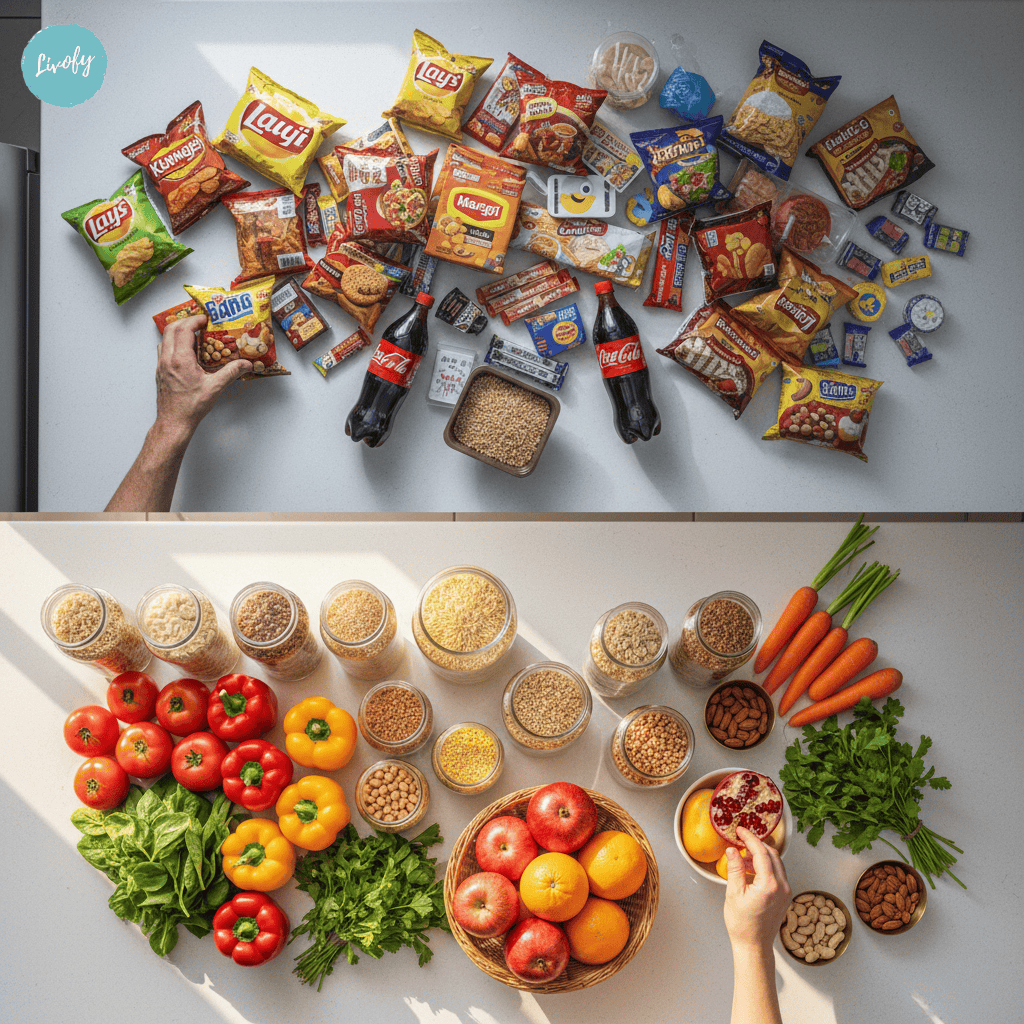
Most cleanses eliminate processed foods, added sugars, and alcohol which alone can dramatically improve how you feel.
Cutting out these foods reduces inflammation, stabilizes blood sugar, and eliminates empty calories. You might sleep better without alcohol, have more stable energy without sugar crashes.
These benefits come from what you’re not eating, not from any special detoxifying properties. You could get the same benefits by just not eating those foods. No expensive cleanse required.
Increased Vegetable Intake
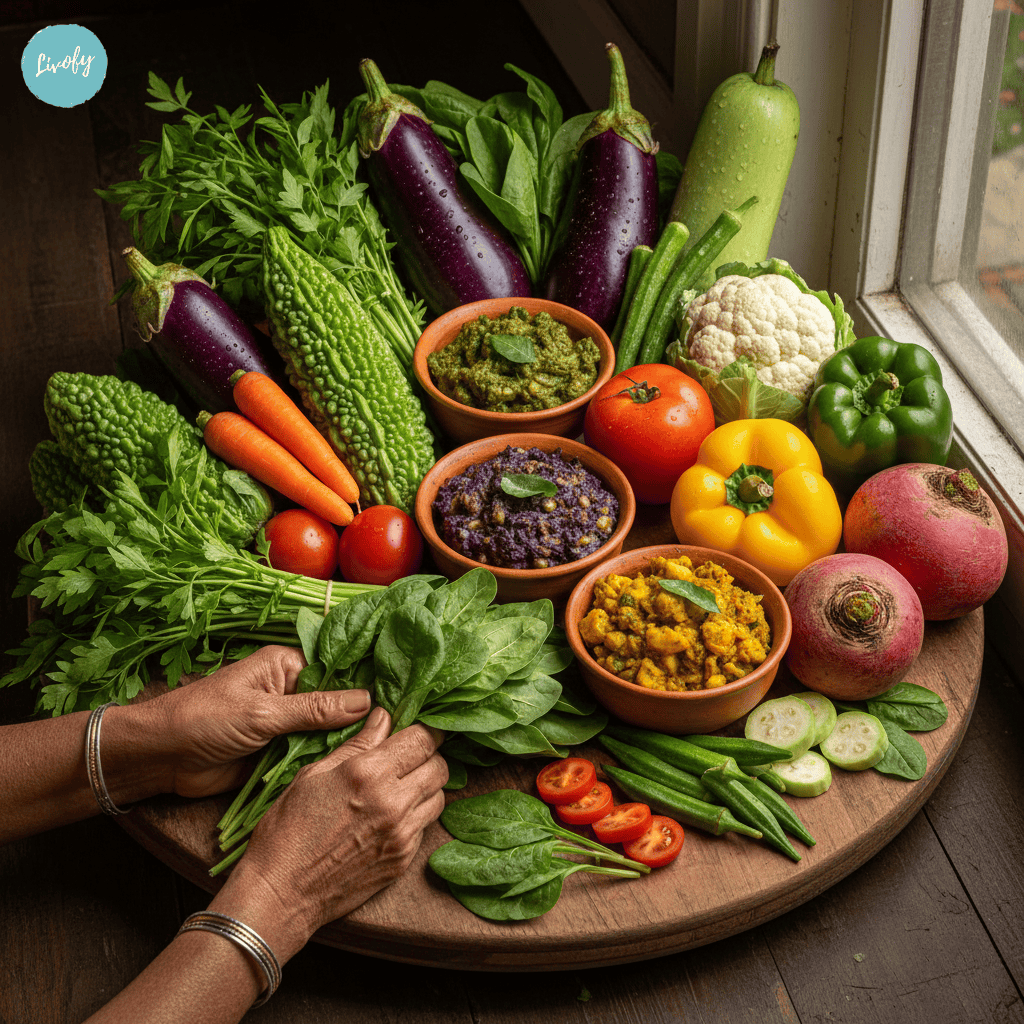
Many programs emphasize vegetables and fruits, increasing your intake of vitamins, minerals, and phytonutrients. This is genuinely beneficial but doesn’t require expensive products or extreme restriction. Just eat more vegetables.
The fiber from whole vegetables (not just juices, which strip out fiber) supports digestive health and feeds beneficial gut bacteria. These are good practices to maintain always, not just during a 7-day program. Make it a lifestyle, not a temporary fix.
Mindful Eating Habits

Cleanses force you to think about what you’re consuming. This mindfulness can be valuable if it leads to long-term awareness about food choices. Breaking habitual eating patterns like mindless snacking or emotional eating can provide insights into your relationship with food.
But here’s the thing: extreme restriction isn’t necessary for developing mindfulness. You can achieve this awareness through gradual changes and conscious eating practices without the drama of a cleanse. Try keeping a food journal for a week. Same awareness, no suffering.
Hydration Focus

Most programs emphasize drinking water, which many people don’t do adequately normally. Proper hydration supports all bodily functions. Adequate water intake can improve skin appearance, reduce headaches, and boost energy levels.
But you don’t need a cleanse to drink more water. Just drink more water. Set reminders on your phone. Keep a bottle at your desk. It’s free and doesn’t require purchasing a ₹3,000 detox kit.
What Actually Works: Evidence-Based Support
Instead of expensive programs, here’s what science says actually supports your body’s natural detoxification systems. These natural detox methods and healthy detox methods are the stuff that works without costing a fortune or making you miserable.
Eat Adequate Fiber
Fiber binds to certain compounds in your digestive tract, helping eliminate them in stool. It also feeds beneficial gut bacteria that support overall health. Aim for 25-35 grams daily from whole grains, legumes, vegetables, and fruits. This is more effective than any cleanse for supporting elimination.
Indian cuisine is naturally rich in fiber sources. Dal, vegetables, whole wheat roti. You’re probably already eating many of these foods. Just increase the portions and frequency.
Stay Hydrated
Water is essential for kidney function and helps eliminate water-soluble waste products through urine. It also supports liver function and helps maintain regular bowel movements.
Drink at least 8-10 glasses daily, more if you’re active or in hot weather. Coconut water, buttermilk, and nimbu pani all count toward hydration. No special detox water needed. Plain water works perfectly.
Support Liver Health
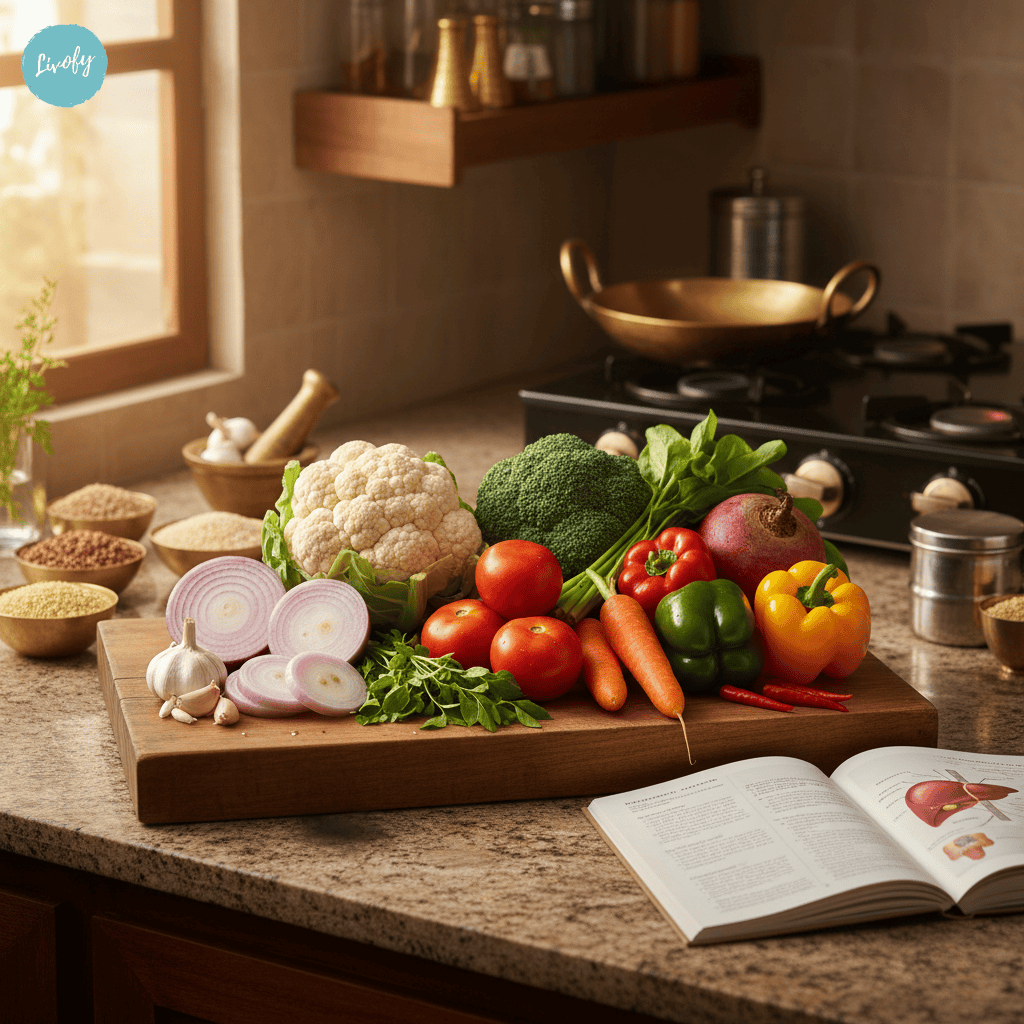
Your liver needs specific nutrients to function optimally like sulfur-containing foods like garlic, onions, and cruciferous vegetables (cabbage, broccoli, cauliflower) support liver detoxification pathways.
B vitamins from whole grains and legumes are essential for liver enzyme function. Antioxidants from colorful fruits and vegetables protect liver cells from damage. These foods are more helpful than any expensive supplement or cleanse. They’re also delicious and can be easily incorporated into traditional Indian cooking.
Get Quality Sleep

During sleep, your brain literally cleans itself through the glymphatic system, removing metabolic waste products. Poor sleep impairs this process more than any dietary choices. Aim for 7-9 hours of quality sleep nightly. This supports all bodily repair and elimination processes better than any cleanse ever could.
Sleep is free, feels amazing, and actually works. Yet somehow it’s not marketed as a detox solution. Probably because there’s no money in telling people to sleep more.
Exercise Regularly

Physical activity supports circulation, lymphatic drainage, and elimination through sweat and increased respiration. It also supports liver and kidney function through improved blood flow. You don’t need hot yoga or special “detox workouts.”
Regular moderate exercise like walking, swimming, or dancing is perfect. Consistency matters more than intensity. A 30-minute walk five times a week beats an intense Saturday workout followed by six days of nothing.
Limit Actual Toxin Exposure
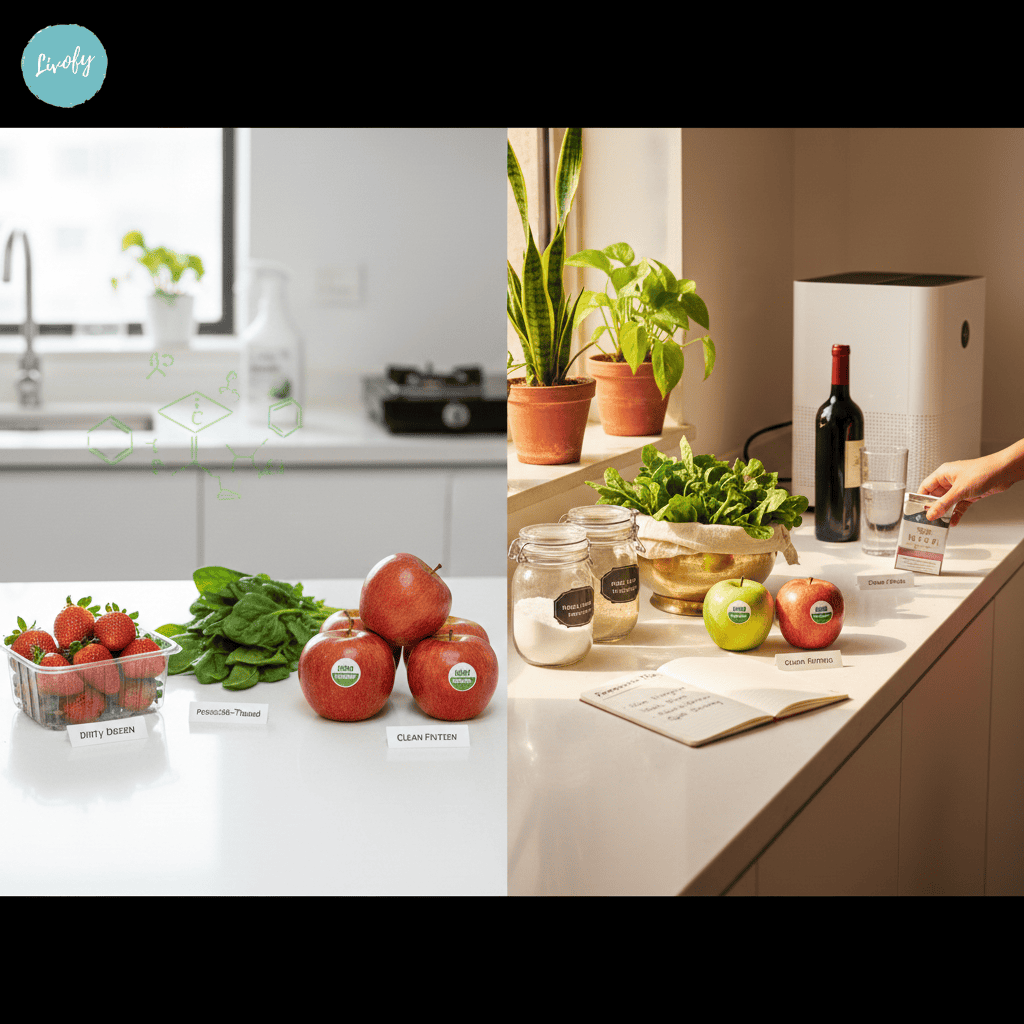
Instead of trying to cleanse after exposure, focus on reducing exposure to harmful substances in the first place. Choose organic produce when possible for the “dirty dozen” highest-pesticide items (berries, leafy greens, apples).
Limit alcohol consumption, avoid smoking, and reduce processed food intake. Use natural cleaning products when possible. These preventive measures are more effective than trying to “cleanse” after exposure. Prevention beats cure, always.
Building Sustainable Healthy Habits
Rather than cycling through detox diets, build sustainable habits that support your body’s natural processes year-round. This is where real, lasting health comes from.
The 80/20 Approach

Aim for nutritious, whole foods 80% of the time, leaving room for treats and social eating. This balanced approach is more sustainable than extreme restriction. This prevents the deprivation-binge cycle that cleanses create.
You can enjoy special occasions without guilt or the need for subsequent “cleansing.” Life includes celebrations, social meals, and occasional indulgences. That’s normal and healthy. Food is meant to be enjoyed, not feared or moralized. The 80/20 approach acknowledges this reality.
Gradual Changes
Instead of dramatic cleanses, make one small change weekly. Add a vegetable to lunch, switch to whole grains, or replace one sugary drink with water. These gradual changes are more likely to become permanent habits. Over time, they create greater health improvements than repeated cleanse cycles.
Small changes compound by adding one serving of vegetables daily and might not seem impressive, but over a year? That’s 365 additional servings. Show me a cleanse that provides that kind of sustained benefit.
Focus on Addition, Not Restriction
Rather than eliminating foods, focus on adding nutritious options like adding a fruit to breakfast, including more vegetables at dinner, or trying new whole grains. This positive approach doesn’t trigger the psychological reactance that restriction causes.
You naturally crowd out less nutritious options without feeling deprived. Tell yourself, “I’m adding more vegetables” instead of “I’m cutting out junk food.” The psychological shift matters. One feels empowering, the other feels punishing.
Conclusion
The Real Detox Truth
Your body doesn’t need expensive cleanses or miraculous teas—it’s already equipped with remarkable natural detoxification systems. What actually works isn’t sexy: eating whole foods, staying hydrated, sleeping well, exercising regularly, managing stress, and limiting harmful substances like excessive alcohol.
Support Your Body, Skip the Programs
Your liver needs nutrition, not juice cleanses. Your kidneys need hydration, not special teas. The real detox is freeing yourself from marketing messages claiming your body is broken. Trust your body’s wisdom and support it with consistent, balanced habits. Eat vegetables because they’re nutritious, drink water because it’s essential, and exercise because it feels good. Your body isn’t toxic; it just needs sensible, sustainable living. No expensive programs required.
Related Posts