You’re standing at the dairy section, eyeing that block of cheese. Your doctor told you to control carbs, and cheese has almost none. But you’ve also heard dairy can be problematic for diabetes. Your friend swears by her cheese-heavy keto diet, but is that safe for diabetics? The confusion around cheese for diabetics is real. While cheese offers protein and minimal carbs, the full picture is more complex. This guide reveals the truth about cheese for diabetics, helping you make smart choices that support blood sugar control without unnecessary restrictions.
What Is Cheese For Diabetics and Why Indian Dieters Should Care?
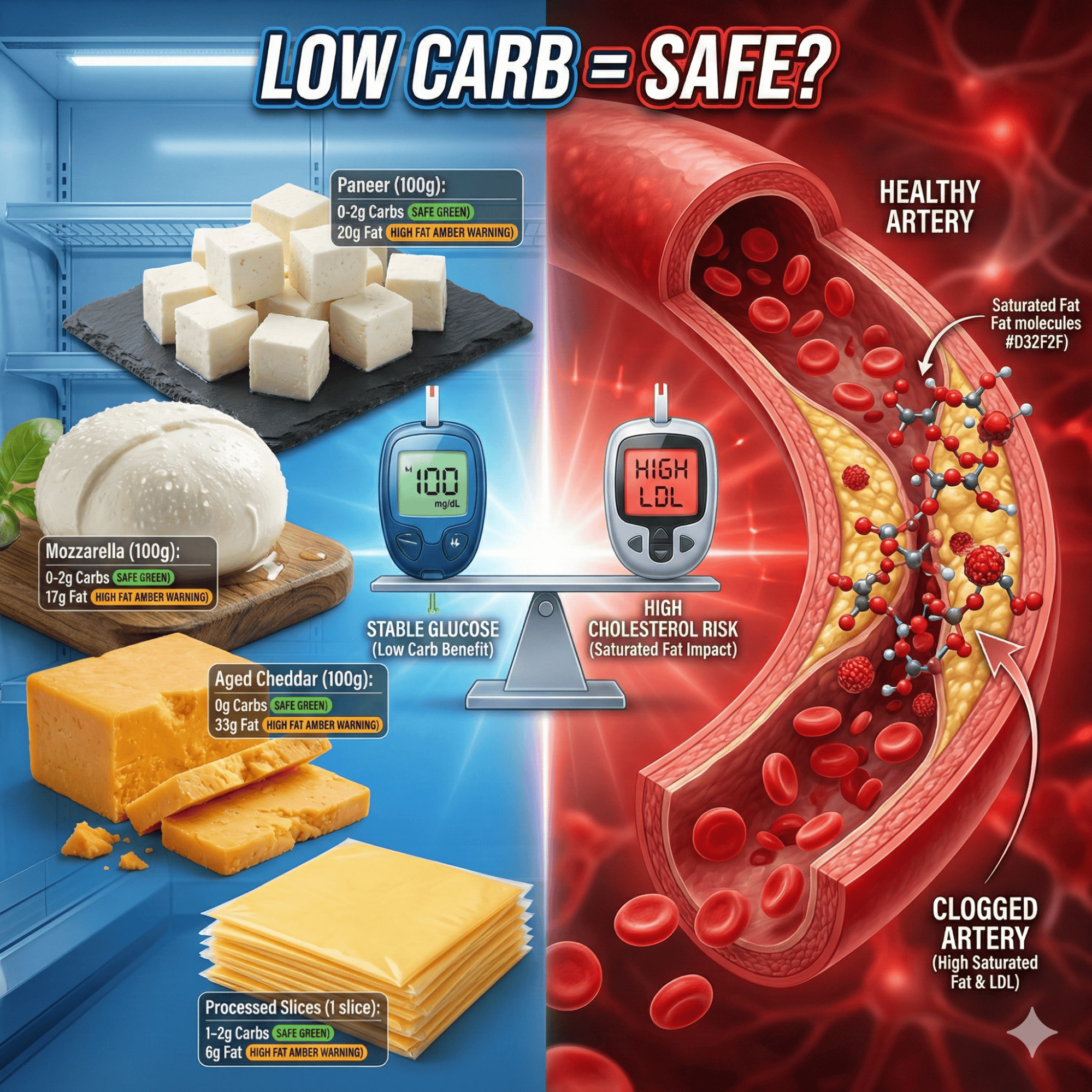
Cheese is made from milk by separating curds from whey, then aging or processing the curds. Most cheese contains protein, fat, and minimal carbohydrates. This low carb profile makes cheese for diabetics seem like an ideal food since it won’t directly spike blood sugar. However, the story isn’t just about carbs. Cheese is high in saturated fat and calories, which affect weight and heart health. For diabetics already at higher heart disease risk, these factors matter significantly. Additionally, cheese types vary dramatically in nutrition, from fresh paneer to aged cheddar to processed cheese slices. Understanding these differences helps you make informed choices.
Why Cheese Matters for Indian Bodies
Traditional Indian diets include paneer and sometimes curd (though curd isn’t technically cheese). Modern Indians increasingly consume Western cheeses like mozzarella, cheddar, and processed cheese in pizzas, sandwiches, and pasta. Moreover, the keto diet trend promotes high cheese consumption for weight loss. For diabetic Indians, this presents challenges. We have higher genetic risk for heart disease, which saturated fat in cheese can worsen. Additionally, many Indians are lactose intolerant, causing digestive issues with excessive dairy. Therefore, understanding how to include diabetes friendly cheese in moderation, choosing the right types, and balancing it with other foods becomes essential for blood sugar and overall health.
Common Myths Debunked About This Topic
Let’s clear up misconceptions about cheese for diabetics. First, cheese isn’t “free food” just because it’s low carb. Calories and saturated fat still matter for weight and heart health. Second, not all cheese is created equal. Fresh mozzarella differs significantly from processed cheese slices in nutrition quality. Third, eating unlimited cheese won’t help you lose weight, despite what some keto advocates claim. Fourth, diabetics don’t need to eliminate cheese entirely. Moderate amounts of the right types fit into a healthy diet. Finally, paneer isn’t automatically healthier than other cheeses. Its nutrition depends on how much fat it contains and how it’s prepared.
The Science Behind Cheese For Diabetics for Indians
How Cheese Works in Your Body
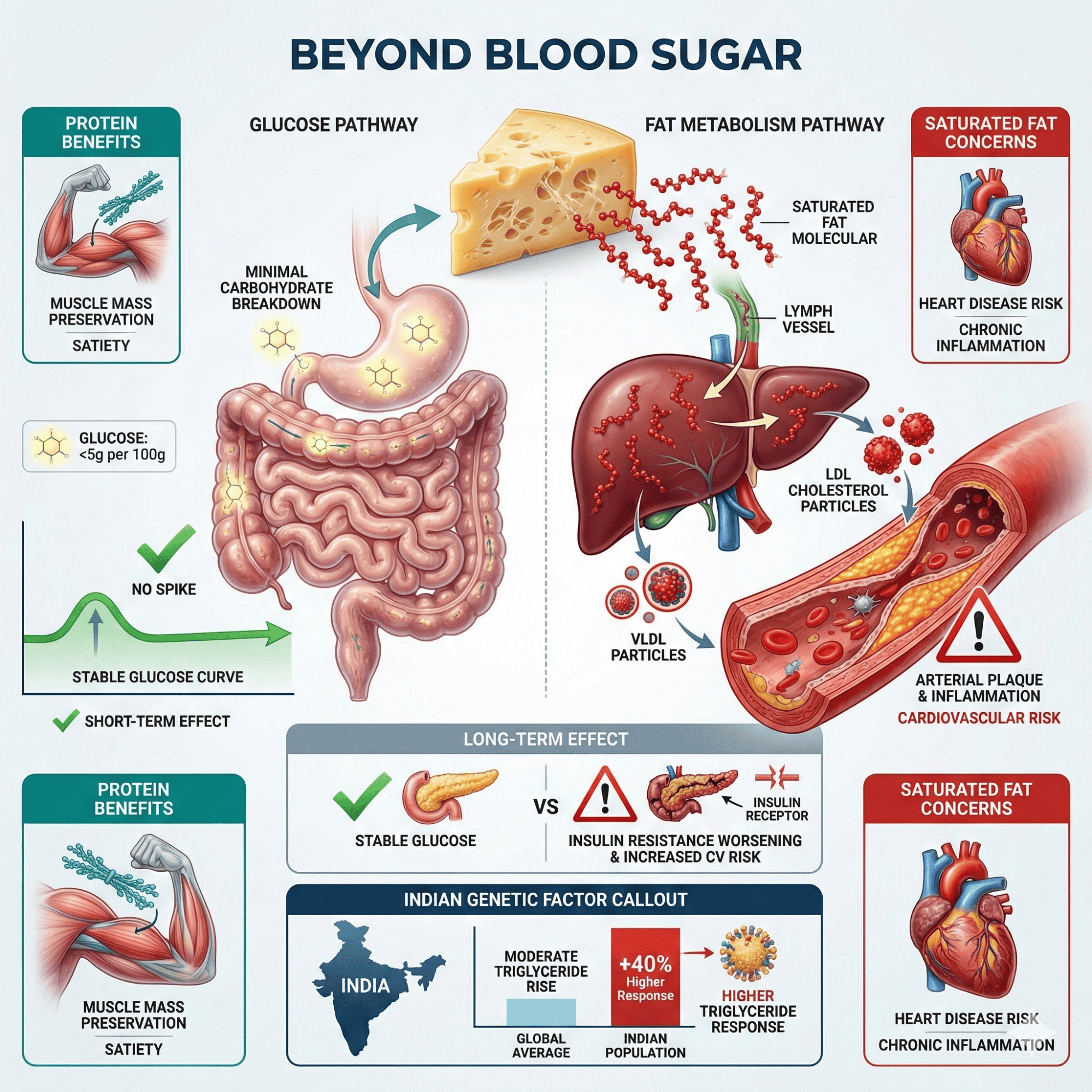
When you eat cheese, the protein and fat slow down digestion. This creates minimal impact on blood sugar directly since cheese contains very few carbs. The protein helps you feel full and provides amino acids for body functions. However, the high fat content (especially saturated fat) affects your body in other ways. Saturated fat can worsen insulin resistance over time when consumed excessively. It raises LDL (bad) cholesterol, increasing heart disease risk. Therefore, while low carb cheese won’t spike your glucose immediately, overconsumption creates long-term metabolic problems that worsen diabetes management and cardiovascular health.
The Connection Between Diabetes Friendly Cheese and Health
Diabetes friendly cheese choices support overall health beyond just glucose. Lower-fat cheeses provide protein without excessive saturated fat. Protein helps maintain muscle mass, which improves insulin sensitivity. Cheese contains calcium for bone health, important for diabetics at higher fracture risk. Additionally, some cheeses provide vitamin B12, often deficient in vegetarian diabetics. Fermented cheeses contain probiotics supporting gut health, which influences blood sugar regulation. As a result, choosing quality cheese in appropriate amounts can be part of a healthy diabetic diet. The key is selecting wisely and controlling portions rather than avoiding cheese entirely or consuming it without limits.
What Research Shows for Indian Population
Research on cheese consumption in Indian diabetics is limited, but studies on similar populations provide insights. One study showed that full-fat dairy, including cheese, in moderate amounts didn’t worsen diabetes control when part of an overall healthy diet. However, excessive consumption contributed to weight gain and cardiovascular problems. Additionally, research indicates that Indians metabolize saturated fats differently, with higher triglyceride responses than some other populations. Therefore, portion control with cheese becomes even more important for Indians. Moreover, studies show that replacing refined carbs with protein sources including moderate cheese can improve satiety and blood sugar control without requiring excessive amounts.
Low Carb Cheese: What to Watch For

Physical Signs and Symptoms to Monitor
While low carb cheese doesn’t directly spike blood sugar, watch for other effects. Weight gain despite glucose control suggests excessive calorie intake from cheese and other fats. Digestive issues like bloating, gas, or diarrhea indicate possible lactose intolerance, common in Indians. Additionally, check your lipid panel blood tests. Rising LDL cholesterol or triglycerides mean you’re eating too much saturated fat, possibly from cheese. Constipation can occur with high cheese, low fiber diets. Monitor these signs to ensure cheese consumption isn’t creating other health problems while managing diabetes.
Emotional and Mental Health Indicators
Food relationship matters for diabetics. Feeling guilty about eating cheese creates unnecessary stress. Moreover, using cheese as a comfort food or eating it mindlessly while stressed leads to overconsumption. Some people on restrictive diets overeat cheese as their “allowed” food, creating new problems. Feeling deprived because you’re limiting cheese can lead to eventual binges. Additionally, obsessing over whether every food is “allowed” or “forbidden” exhausts you mentally. A balanced approach viewing cheese as one of many protein options, neither forbidden nor unlimited, supports both physical and mental health.
When to Consult a Healthcare Professional
See a doctor or dietitian if you’re confused about how much cheese fits your diabetic diet. Get help if your cholesterol levels have risen after increasing cheese consumption. Consult a healthcare professional if you experience persistent digestive issues with dairy products. Additionally, if you’re struggling to lose weight despite controlling blood sugar, your overall dietary pattern including cheese intake needs evaluation. Work with a registered dietitian to create a meal plan that includes appropriate amounts of cheese glycemic index friendly foods while meeting all your nutritional needs and diabetes management goals.
Indian Lifestyle Factors Affecting Cheese For Diabetics
Modern Indian Diet Challenges and Solutions
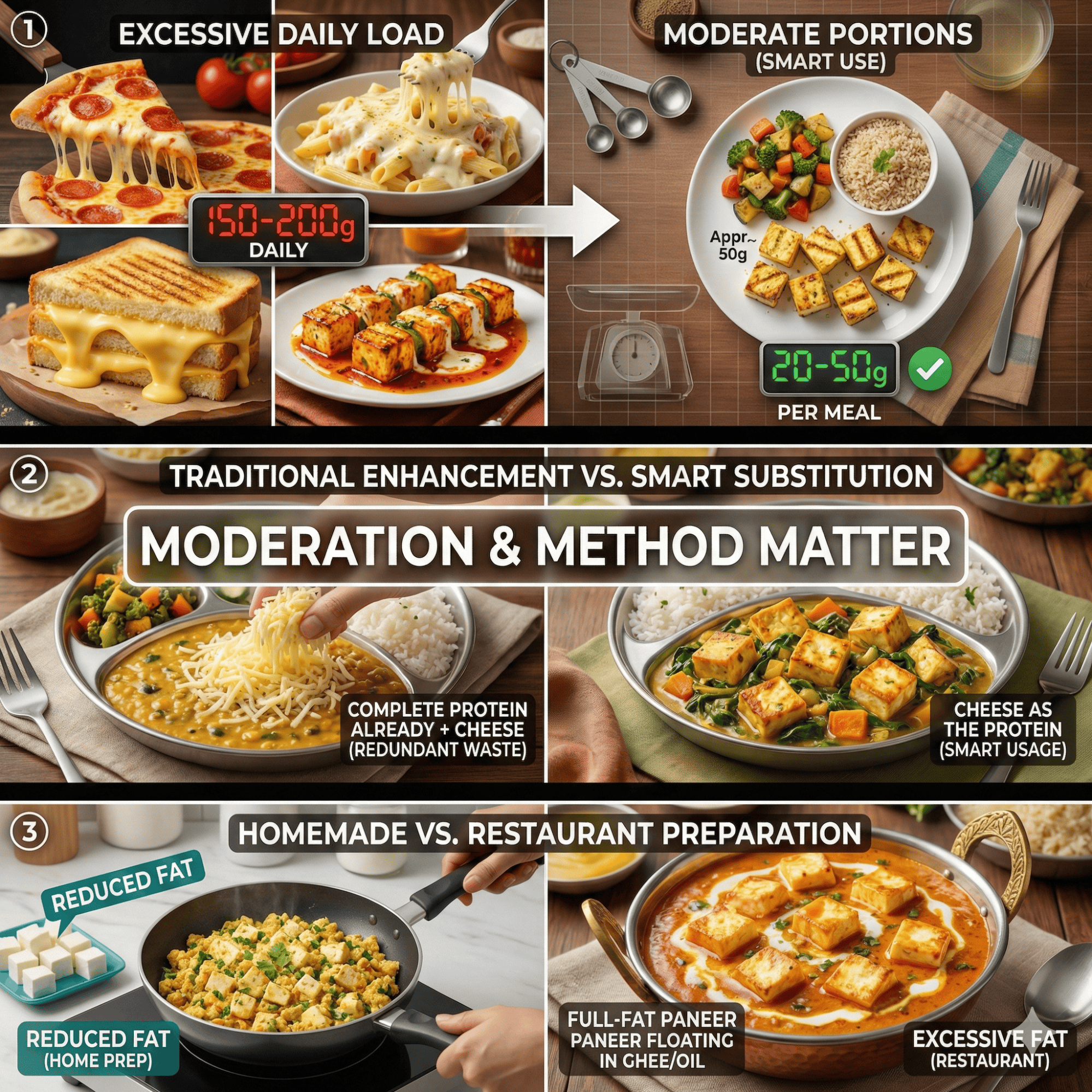
Modern Indian diets increasingly include Western-style foods where cheese features prominently. Pizzas, pasta, sandwiches, and cheesy parathas have become common. Additionally, paneer-heavy dishes at restaurants use excessive ghee or oil with the paneer. The challenge is balancing cultural food preferences with healthy portions. Solutions include making homemade versions with controlled cheese amounts. Choose thin-crust pizza with more vegetables, less cheese. Make sandwiches with one slice of cheese, not three. Moreover, prepare paneer dishes with minimal oil. Include cheese as a protein component of mixed meals, not the main attraction. These modifications let you enjoy cheese without overdoing it.
Work-Life Balance and Urban Living Impact
Urban Indians face cheese-related challenges through convenience foods. Office cafeterias and food delivery apps make cheese-laden foods easily accessible. Additionally, social eating at restaurants means cheese-heavy Indian-Chinese fusion dishes or Western foods. Time pressure leads to quick meals like cheese sandwiches or quesadillas. In fact, entertaining at home often involves cheese platters copying Western trends. Balance these by meal planning ahead with homemade options. Pack your lunch with controlled portions. Choose grilled paneer over fried in restaurants. When entertaining, include cheese but as one of many options alongside vegetables, fruits, and proteins. Mindful choices prevent cheese from dominating your diet unconsciously.
Cultural and Social Influences on Health
Indian culture traditionally limited cheese consumption to paneer in specific dishes. However, globalization and economic growth mean families now regularly buy Western cheeses. Moreover, social media showcases cheese-pull videos and cheese-heavy recipes that look appealing. The perception that Western foods are sophisticated drives consumption. Additionally, conflicting health advice confuses people. Some sources say cheese is bad, others promote it heavily. Navigate this by remembering moderation principles. Cheese can be part of a healthy diabetic diet without being the centerpiece. Choose quality over quantity. Enjoy paneer in your favorite sabzi or a slice of good cheese occasionally rather than drowning every dish in cheese.
Best Indian Foods for Cheese For Diabetics Management
Traditional Indian Foods That Support Blood Sugar Control
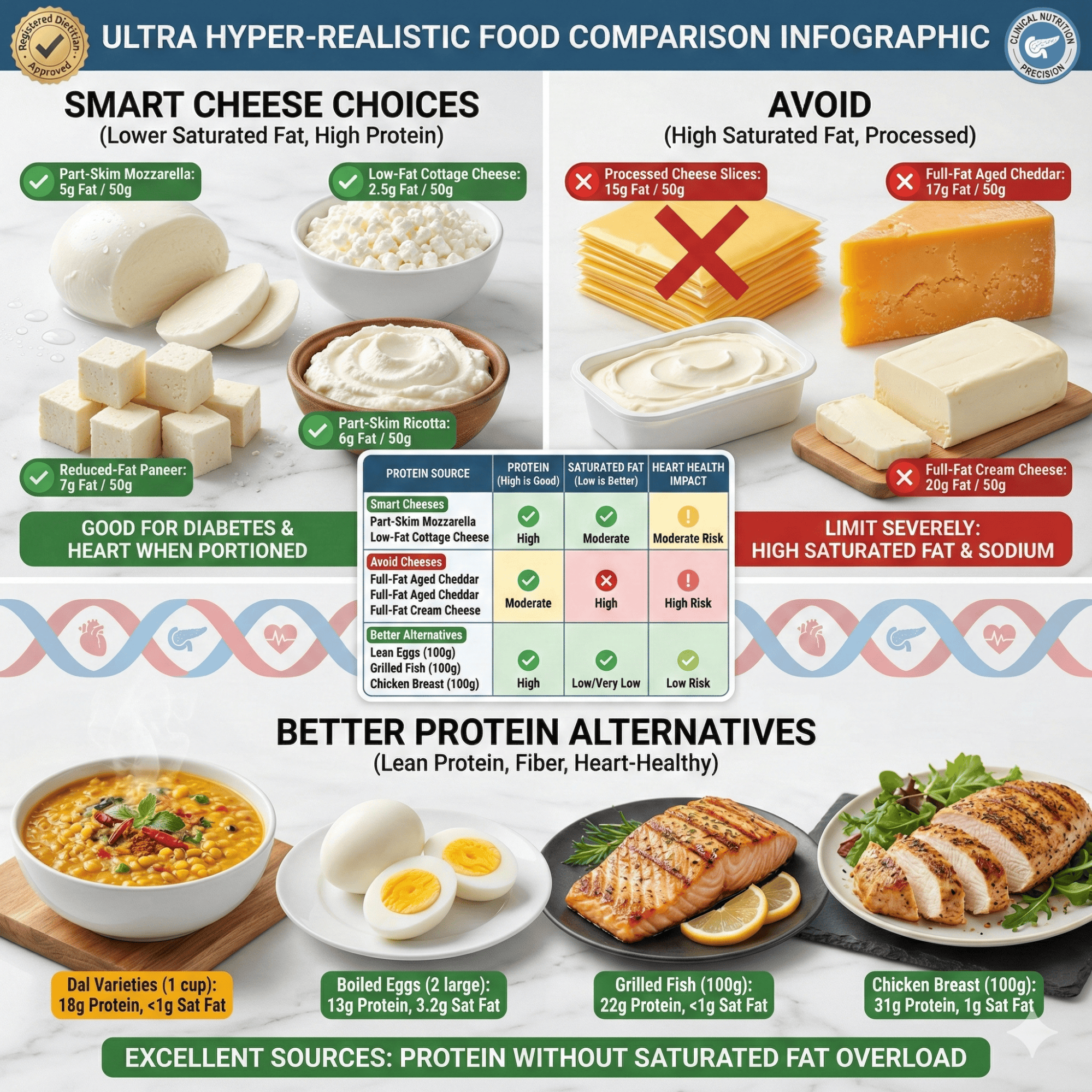
Indian cuisine offers excellent proteins beyond cheese for diabetics. Dals (moong, masoor, chana, toor) provide protein and fiber without saturated fat. Eggs give complete protein inexpensively. Lean chicken breast supplies protein without excessive fat. Additionally, fish like pomfret or mackerel offers protein plus heart-healthy omega-3 fats. Curd (though not cheese) provides probiotics and protein with less fat than cheese. Tofu, increasingly available, gives plant-based protein. These diverse protein for diabetics sources mean cheese doesn’t need to be your only option. Rotating between protein sources ensures balanced nutrition and prevents overdependence on cheese’s saturated fat.
Modern Indian Meal Options and Healthy Recipes
Create balanced diabetic meals including moderate cheese. Breakfast could be vegetable omelette with one tablespoon grated cheese, or moong dal cheela with a side of paneer. Lunch might include brown rice with dal, mixed vegetables, and 50 grams grilled paneer tikka for protein. Try quinoa pulao with vegetables and small cheese cubes. Dinner options include whole wheat roti with dal and palak paneer (made with low-fat paneer). Additionally, snacks can be whole wheat crackers with a thin slice of cheese, or paneer tikka on skewers. The principle is using cheese as a protein component of complete meals, not eating it alone in large amounts.
Foods to Limit or Avoid for Better Results
Certain cheese preparations sabotage blood sugar management. Processed cheese slices and spreads contain additives and more sodium than natural cheeses. Cheese sauces and creamy dips are calorie bombs. Pizza with extra cheese loads provide excessive fat and calories. Moreover, cheese-stuffed garlic bread combines refined carbs with excess cheese. Deep-fried paneer pakoras absorb oil, multiplying calories. Cheese-loaded pasta dishes with cream sauces spike both calories and potentially glucose if portion sizes are large. These preparations turn otherwise manageable cheese into metabolic problems. Choose simpler preparations: grilled paneer, small amounts of grated cheese on vegetables, or thin cheese slices rather than cheese-dominated dishes.
Portion Sizes and Meal Timing for Indians
Appropriate cheese portions for diabetics are smaller than most people think. One serving equals 30 grams (about one inch cube) or 50 grams of paneer. This provides roughly 7 to 9 grams of protein. Additionally, one thin slice (20 grams) of cheese on a sandwich is sufficient. For grated cheese on dishes, one to two tablespoons suffices for flavor without excessive fat. Include cheese at meals rather than snacking on it directly, as the protein and fat in complete meals buffer any minor glucose effects. Moreover, timing doesn’t matter as much for cheese as for carbs since cheese won’t spike glucose. Focus more on portion control and choosing lower-fat options to support overall health while managing diabetes.
Lifestyle Changes to Support Cheese For Diabetics

Protein For Diabetics: The Right Approach for Indians
Understanding protein for diabetics needs helps contextualize cheese. Adult diabetics need 0.8 to 1 gram of protein per kilogram of body weight daily. A 70 kg person needs 56 to 70 grams. Spreading this across meals supports satiety and muscle maintenance. Cheese can contribute, but shouldn’t be your only source. Aim for variety: dal at one meal, eggs at another, chicken or paneer at the third. Additionally, plant proteins from dals and soy reduce saturated fat intake compared to cheese-heavy diets. This balanced approach provides adequate protein without the downsides of excessive cheese consumption affecting heart health and weight.
Sleep and Stress Management Strategies
Quality sleep and stress management support diabetes control regardless of cheese intake. Aim for 7 to 8 hours of sleep in a cool, dark room. Poor sleep worsens insulin resistance and increases cortisol, which raises blood sugar. Establish consistent sleep times. Avoid heavy meals close to bedtime. For stress management, practice daily relaxation techniques. Try 10 minutes of meditation or deep breathing. Moreover, gentle yoga or walking helps. Chronic stress elevates glucose and drives emotional eating, including overconsumption of comfort foods like cheese. Managing stress reduces these behaviors and improves overall diabetes management.
Daily Habits That Make a Real Difference
Small daily habits optimize diabetes management with or without cheese. Check blood sugar at different times to understand patterns. Take a 10 to 15 minute walk after meals to lower post-meal glucose. Stay hydrated with water throughout the day. Additionally, read food labels when buying cheese, choosing lower-fat, lower-sodium options. Practice portion awareness by measuring cheese servings initially until you can estimate accurately. Plan meals ahead to ensure balanced nutrition rather than defaulting to easy cheese-heavy options. These consistent habits create better outcomes than obsessing over whether cheese is “allowed” or not.
Your 7-Day Cheese For Diabetics Management Meal Plan
This plan includes moderate diabetes friendly cheese with balanced nutrition:
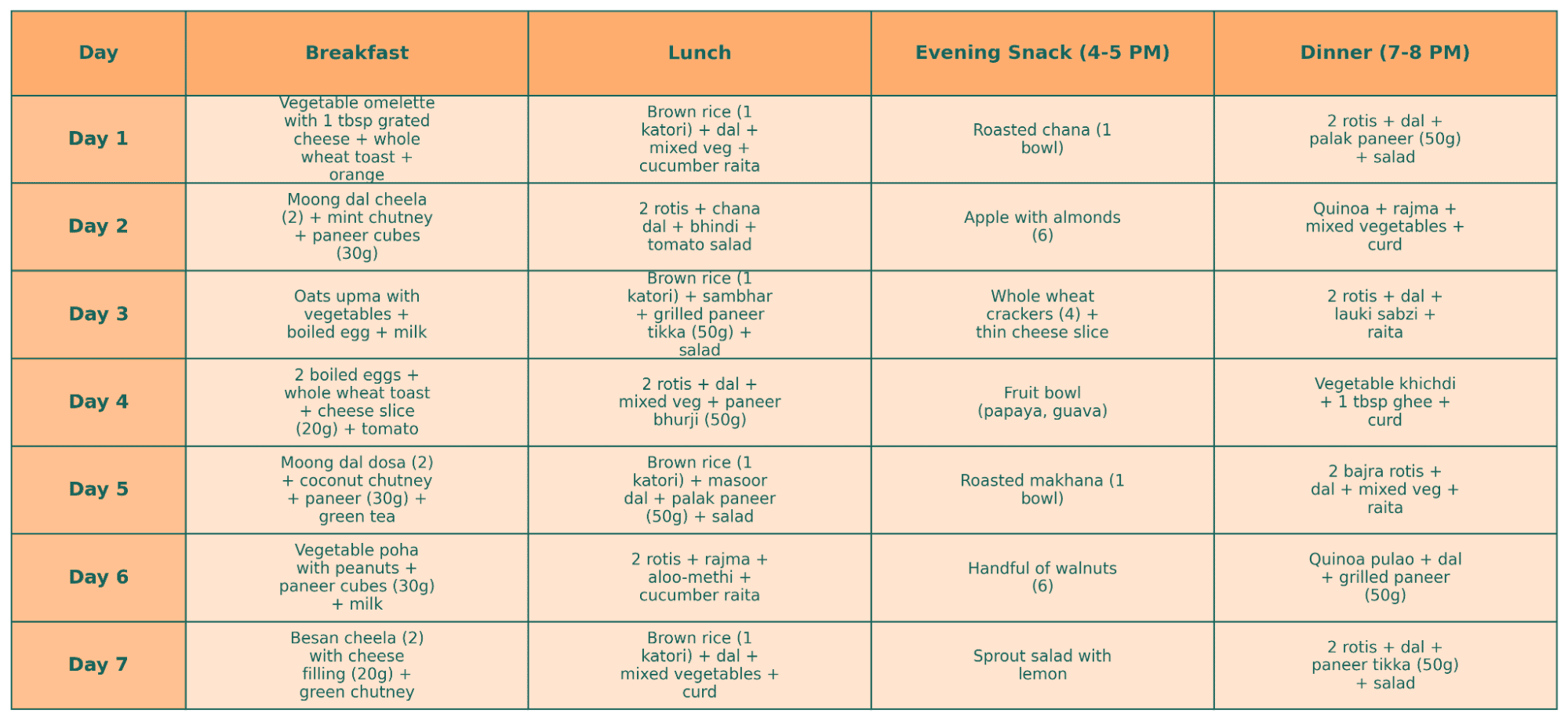
Note: Cheese/paneer portions are controlled (20 to 50g per meal). Include variety of protein sources. Drink 8 to 10 glasses of water daily.
Common Mistakes Indians Make with Cheese For Diabetics
Diet Mistakes That Sabotage Progress
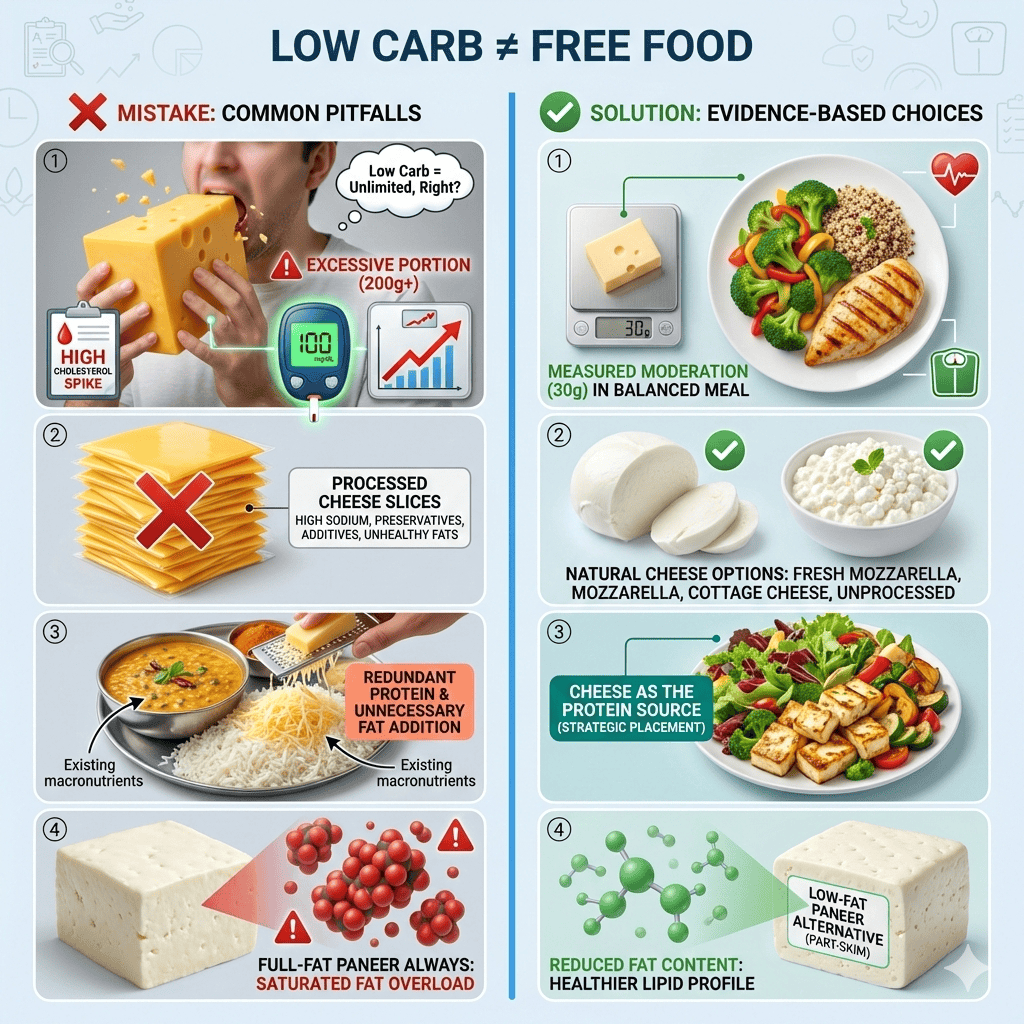
The biggest mistake is thinking “low carb means unlimited.” Eating excessive cheese because it won’t spike glucose ignores its high calorie and saturated fat content that affects weight and heart health. Another error is choosing processed cheese slices over natural cheese, getting more additives and sodium. Many people add cheese to already complete meals unnecessarily, like putting cheese on dal-chawal when dal already provides protein. Moreover, using full-fat paneer always when lower-fat versions work fine in many recipes increases saturated fat unnecessarily. These mistakes turn cheese glycemic index friendly food into a metabolic problem despite controlled blood sugar.
Lifestyle Pitfalls to Watch Out For
Many diabetics sabotage themselves unknowingly with cheese habits. Snacking directly on cheese blocks without portion awareness leads to overconsumption. Using cheese as your main protein source neglects other important nutrients from varied protein foods. Additionally, believing that keto-style high cheese diets are suitable long-term for all diabetics ignores individual health variations and heart disease risk. Following social media food trends showing excessive cheese without considering your personal health needs creates problems. Moreover, not reading nutrition labels means unknowingly choosing high-sodium or processed options. These habits prevent optimal diabetes management despite good intentions.
How to Course-Correct When Things Go Wrong
If your cholesterol has risen or weight loss stalled despite good glucose control, evaluate cheese intake. Track portions honestly for three days. You might find you’re eating more than you realized. Therefore, reduce portions to 20 to 30 grams per serving. Choose lower-fat paneer or part-skim mozzarella over full-fat versions. Additionally, ensure you’re including other protein sources so cheese isn’t your only option. If digestive issues appeared after increasing cheese, you might be lactose intolerant. Try lactose-free cheese or reduce overall dairy. Most importantly, remember that cheese is one tool among many for diabetes management, not the solution or the problem by itself.
Conclusion
Cheese for diabetics isn’t forbidden, but it isn’t a free food either. The low-carb nature makes it blood sugar-friendly in the moment, but the high saturated fat and calories require portion awareness for long-term health. Diabetes friendly cheese choices like lower-fat paneer, fresh mozzarella, and moderate portions (20 to 50 grams per serving) fit into healthy diabetic diets when balanced with vegetables, whole grains, and varied protein sources.
Start today by measuring your cheese portions for one week to build awareness. Choose one meal to swap cheese for another protein source, like dal or eggs. Additionally, when preparing paneer dishes at home, use low-fat paneer and minimal oil for cooking. These simple adjustments let you enjoy cheese while supporting both blood sugar control and heart health.
FAQs
Q1: What is cheese for diabetics and how does it affect Indians?
Cheese for diabetics is a low-carb protein source that minimally impacts blood sugar directly but contains high saturated fat and calories affecting heart health and weight. Diabetes friendly cheese in moderate portions (20 to 50g) fits diabetic diets when balanced with vegetables and whole grains.
Q2: What are the signs of too much cheese consumption?
Signs include weight gain despite controlled blood sugar, rising LDL cholesterol and triglycerides on blood tests, digestive issues like bloating or constipation, and difficulty losing weight. Monitor low carb cheese portions and choose lower-fat options if experiencing these issues.
Q3: What cheese types should Indians choose for diabetes?
Choose fresh mozzarella, part-skim ricotta, cottage cheese, or low-fat paneer over processed cheese slices or full-fat aged cheeses. These cheese glycemic index friendly options provide protein with less saturated fat, supporting better diabetes and heart health management.
Q4: Can diabetics eat cheese daily?
Yes, diabetics can eat moderate cheese daily (20 to 50g portions) as part of balanced meals including vegetables and whole grains. Vary protein for diabetics sources with eggs, dal, fish, and chicken rather than relying exclusively on cheese for protein needs.
Q5: How long does it take to see health improvements with balanced cheese intake?
Weight and cholesterol improvements appear within 4 to 8 weeks of reducing excessive cheese and choosing lower-fat options. Blood sugar remains stable with appropriate portions. Monitor dairy for diabetes effects through regular blood tests and weight tracking.
Q6: When should I consult a doctor about cheese and diabetes?
Consult a doctor if your cholesterol rises after increasing cheese intake, you experience persistent digestive issues with dairy, or you’re confused about appropriate amounts. Get personalized guidance from a registered dietitian for your individual needs and health goals.
Related Posts