You’re considering working with a health coach but can’t shake the doubts. Isn’t it just expensive cheerleading? Can’t you get the same advice from YouTube for free? Your friend saw a dietitian, isn’t that the same thing? The confusion around health coaching myths prevents Indians from accessing support that could transform their health. Understanding what wellness coaching actually involves versus misconceptions helps you make informed decisions about investing in your health. This guide exposes seven persistent health coaching myths, revealing the truth about nutrition coaching and whether it’s right for Indian wellness seekers navigating conflicting health information.
What Is Health Coaching Myths and Why Indian Dieters Should Care?

Health coaching myths are misconceptions about what health coaches do, their qualifications, and the value they provide. Many Indians confuse health coaches with nutritionists, dietitians, personal trainers, or motivational speakers, not understanding the distinct role. Health coaches focus on behavior change, accountability, and sustainable lifestyle modification rather than just meal plans or exercise routines.
Additionally, wellness coaching addresses the psychological, emotional, and practical barriers preventing people from implementing health advice they already know. It’s the difference between knowing you should eat vegetables and actually doing it consistently. Therefore, understanding the truth about nutrition coaching helps you decide whether this support suits your needs better than other approaches you’ve tried before.
Why Health Matters for Indian Bodies
Indians need clarity about health coaching myths because we face unique health challenges requiring personalized support. Traditional diet and family advice often contradicts modern health information, creating confusion. Additionally, busy urban lifestyles make implementing health changes challenging despite understanding what to do theoretically. Moreover, Indians navigate food-centered cultural celebrations, family pressure, and workplace stress affecting health behaviors.
Furthermore, the wellness industry targets Indians aggressively with expensive programs, supplements, and conflicting advice, making it hard to identify legitimate support. In fact, many Indians waste money on ineffective programs because health coach vs nutritionist distinctions aren’t clear. Understanding what coaching benefits you can realistically expect helps you invest wisely in approaches actually likely to help rather than wasting resources on solutions that don’t address your real barriers to health.
Common Myths Debunked About This Topic
Let’s immediately address the biggest health coaching myths. First, health coaches aren’t unqualified people giving random advice. Legitimate coaches have certifications, training, and ongoing education in behavior change psychology and wellness. Second, coaching isn’t just cheerleading or motivation. It’s structured support addressing specific barriers through evidence-based behavior change techniques. Third, wellness coaching isn’t replacement for medical care. Coaches work alongside doctors and dietitians, not instead of them. Fourth, it’s not only for wealthy people or those with dramatic health issues.
Anyone wanting to improve health habits benefits from accountability and support. Additionally, coaching isn’t telling you what to eat. It’s helping you identify why you’re not doing what you already know you should. Finally, results require your active participation. Coaches provide tools and support, but you must implement changes. Therefore, realistic expectations about coaching benefits prevent disappointment.
The Science Behind Health Coaching Myths for Indians
How Health Works in Your Body
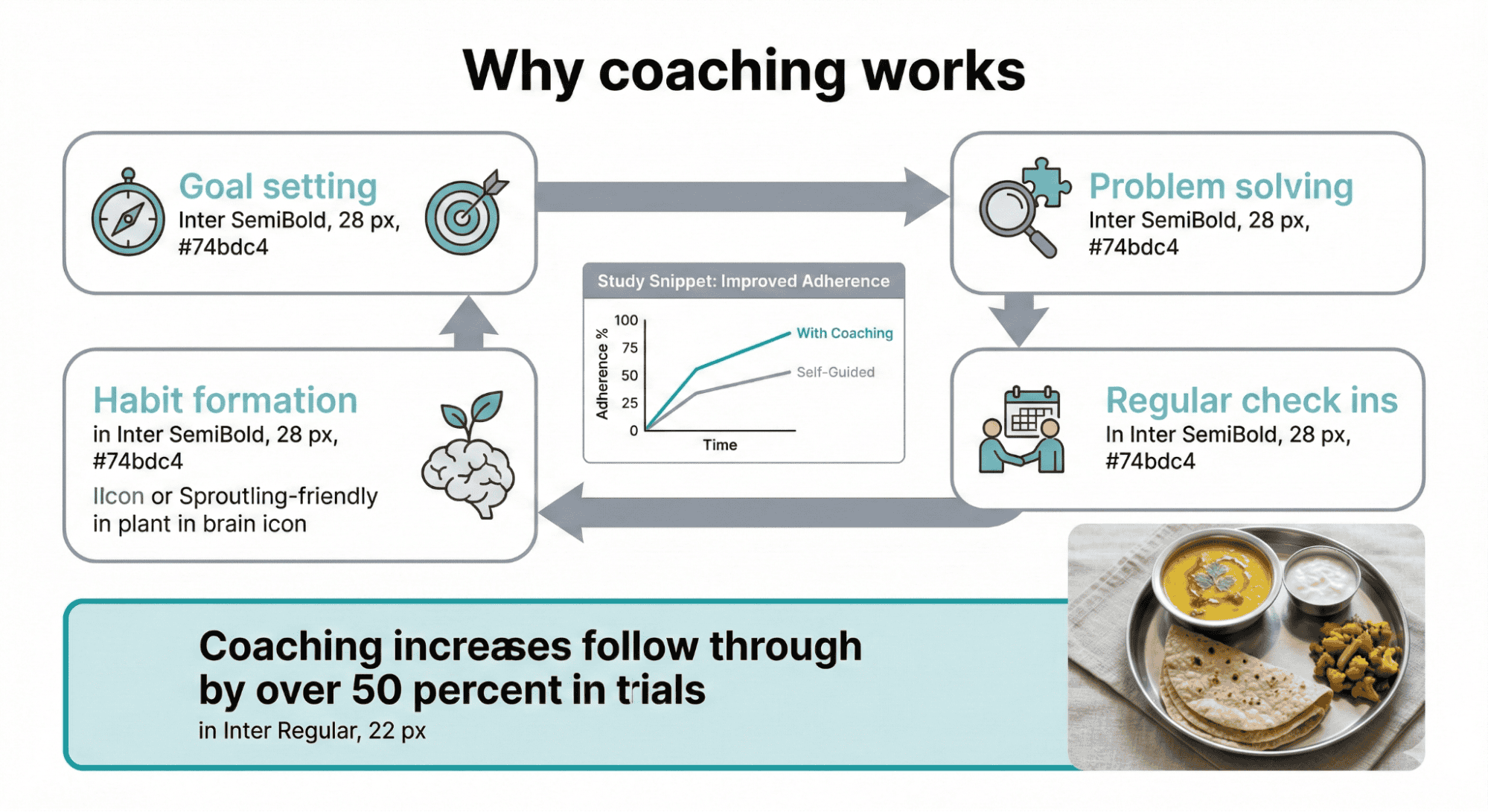
Wellness coaching works through psychological and behavioral mechanisms that create sustainable change. Accountability to another person increases follow-through on health intentions significantly. When you commit to specific actions with a coach, you’re more likely to complete them than vague self-promises. Additionally, regular check-ins provide external structure many people need for consistency. Moreover, coaches help you identify and overcome specific barriers preventing change that you might not recognize alone. Social support from coaching relationships reduces stress and increases motivation.
Furthermore, nutrition coaching uses motivational interviewing, goal-setting frameworks, and cognitive behavioral techniques proven to change behavior more effectively than information alone. In fact, research shows that knowing what to do rarely translates to doing it without additional support addressing motivation, environment, and habits. Therefore, coaching fills the gap between knowledge and action that self-education can’t bridge alone.
The Connection Between Nutrition Coaching and Health
Nutrition coaching improves health through multiple pathways beyond just better food choices. The relationship with your coach provides psychological support, reducing stress and increasing confidence. Additionally, accountability mechanisms increase consistency with healthy behaviors, which compounds into significant results over time. Moreover, wellness coaching helps you develop self-efficacy, the belief in your ability to succeed, which predicts long-term health behavior maintenance. Coaching also teaches problem-solving skills for navigating challenges rather than depending on the coach forever.
Furthermore, the personalized approach addresses your specific barriers, family situation, food preferences, and lifestyle rather than generic advice that might not fit your reality. In fact, studies show that coaching interventions produce better long-term weight loss, diabetes management, and health behavior maintenance compared to information-only approaches. Therefore, coaching benefits extend beyond the coaching period by building skills and confidence for independent long-term success.
What Research Shows for Indian Population
Research specifically on health coaching for Indians is emerging with promising results. Studies on lifestyle coaching for Indian diabetics show significant improvements in blood sugar control, weight, and medication requirements compared to standard care alone. One study found that Indians receiving nutrition coaching lost more weight and maintained it longer than those receiving meal plans without coaching support. Additionally, research indicates that Indians particularly benefit from coaching addressing cultural food pressures, family dynamics, and work-life balance challenges that generic programs ignore.
Moreover, studies show that coaching delivered via phone or video works as effectively as in-person for Indians, increasing accessibility despite busy schedules. In fact, cultural match between coach and client matters less than coaching skill and approach quality, meaning you don’t need an Indian coach specifically to benefit. These findings support wellness coaching as effective intervention for Indian health challenges when delivered competently.
Wellness Coaching: What to Watch For
Physical Signs and Symptoms to Monitor
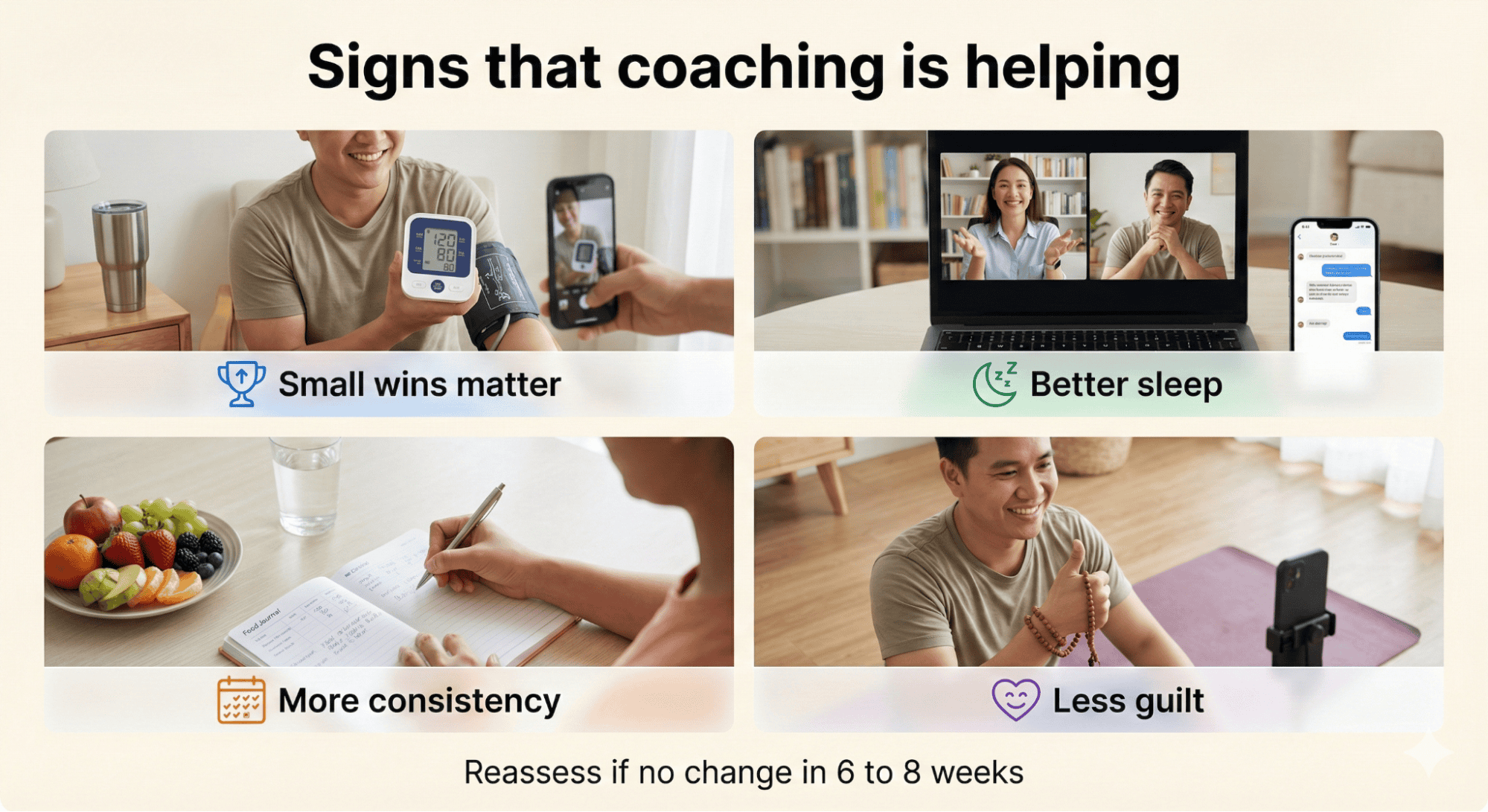
Effective wellness coaching creates observable improvements within weeks. You should notice increased consistency with healthy behaviors you’ve struggled implementing previously. Additionally, physical health markers like weight, blood pressure, blood sugar, or cholesterol should trend positively if these are goals. Energy levels often improve from better sleep, nutrition, and stress management. Moreover, you might notice better digestion, clearer skin, or improved fitness from sustained behavior changes. Watch for these signs confirming coaching is helping. Conversely, lack of progress after 6 to 8 weeks despite actively participating signals either coach fit issues or unrealistic expectations needing discussion.
Furthermore, if coaching creates more stress, guilt, or anxiety rather than reducing these, something isn’t working properly. Good coaching should feel supportive, not punishing. Therefore, regular assessment of whether coaching benefits are manifesting helps you course-correct early rather than wasting time and money on ineffective support.
Emotional and Mental Health Indicators
Health coaching myths suggest coaching is only about physical changes, but emotional improvements are equally important signs of effectiveness. You should feel more confident in your ability to make healthy choices. Additionally, stress and overwhelm around health decisions should decrease as you develop decision-making frameworks. Moreover, guilt and shame about past failures should reduce as you reframe challenges as learning opportunities.
Furthermore, motivation should feel intrinsic, from valuing health for yourself, rather than external pressure or obligation. In fact, enjoying the process rather than white-knuckling through restriction indicates sustainable change. Watch for improved body image and self-compassion. Conversely, increasing anxiety, obsession with health behaviors, or rigid all-or-nothing thinking signals coaching approach needs adjustment. Good wellness coaching improves relationship with food, exercise, and your body, not creates more dysfunction. Therefore, emotional wellbeing alongside physical improvements indicates truly beneficial coaching.
When to Consult a Healthcare Professional
Health coaches aren’t medical professionals and shouldn’t replace necessary medical care. Consult a doctor or registered dietitian alongside coaching if you have medical conditions requiring specific dietary restrictions like kidney disease, diabetes, or food allergies. Additionally, if you develop or have eating disorders, obsessive behaviors around food, or severe anxiety about health, seek licensed mental health professionals, not just coaches. Moreover, if you need significant weight loss for surgery or medical reasons, registered dietitians provide medical nutrition therapy that coaching can’t replace. Work with both professionals simultaneously for comprehensive support.
Furthermore, verify your health coach’s credentials. Legitimate certifications include National Board Certified Health and Wellness Coach (NBC-HWC), ACE Health Coach, or similar recognized programs. Avoid “coaches” with no formal training making medical claims or promises. Therefore, understanding health coach vs nutritionist scope helps you seek appropriate professionals for your specific needs.
Indian Lifestyle Factors Affecting Health Coaching Myths
Modern Indian Diet Challenges and Solutions
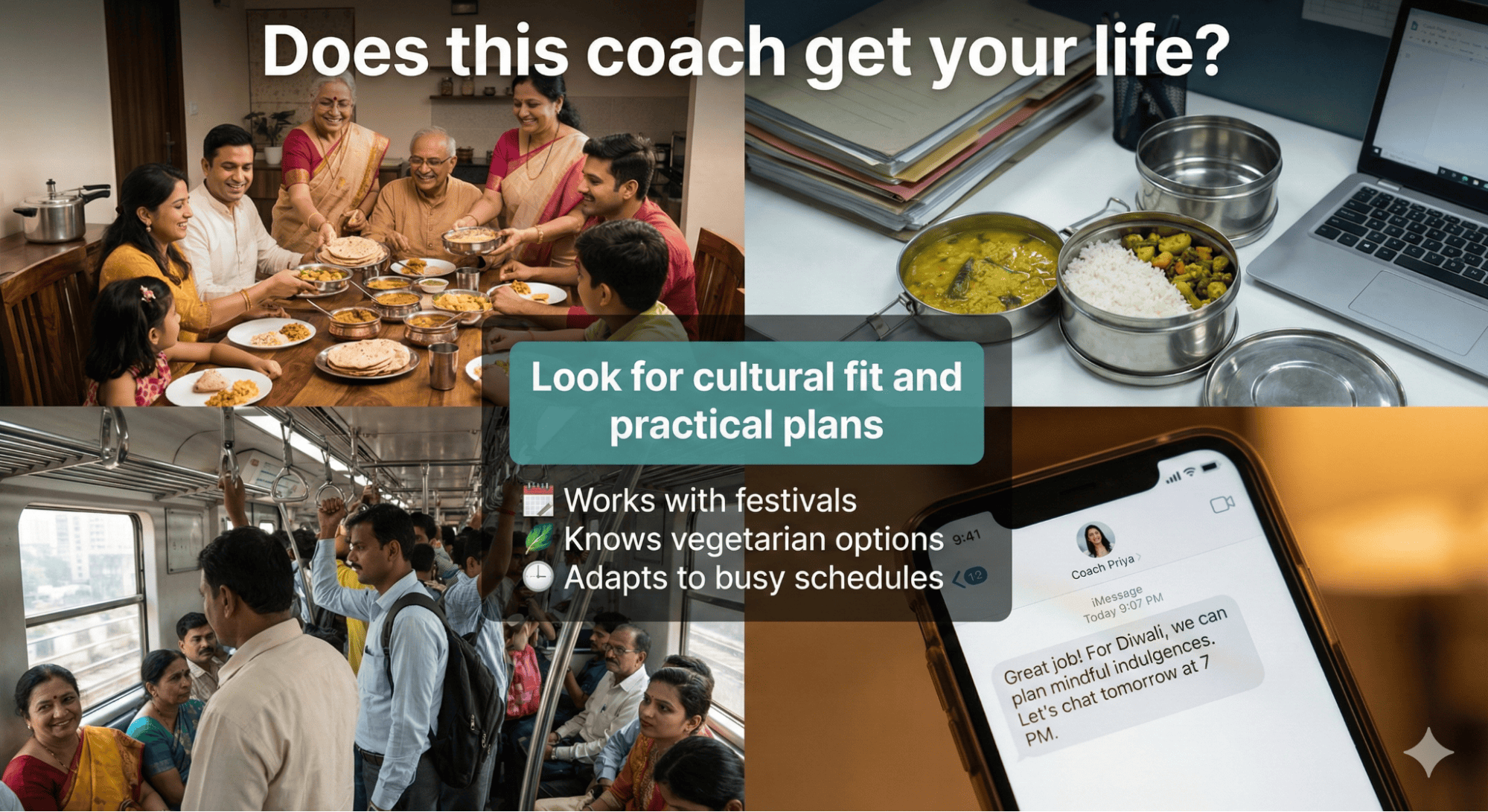
Health coaching myths often ignore how Indian dietary patterns require specialized approaches. Coaches unfamiliar with Indian cuisine might suggest replacing all familiar foods with Western options you don’t enjoy or can’t access easily. Additionally, cultural celebrations, religious fasts, and family meals create unique challenges coaches must understand to provide useful guidance. Moreover, vegetarian eating requires specific nutrition knowledge many coaches lack. Solutions include finding coaches familiar with Indian food or willing to learn about your cuisine. During consultations, assess whether the coach understands your cultural context or dismisses it. Additionally, expect your coach to learn about foods important to you rather than demanding you abandon cultural eating.
Furthermore, good nutrition coaching works within your preferences and lifestyle, not requiring total transformation. Therefore, coaches suggesting drastic changes ignoring your reality probably aren’t right fit, regardless of credentials or testimonials from others.
Work-Life Balance and Urban Living Impact
Urban Indian professionals need wellness coaching that addresses their specific barriers, not generic advice. Long work hours, unpredictable schedules, and high stress require flexible strategies that rigid meal plans or exercise schedules can’t provide. Additionally, limited cooking time, reliance on outside food, and social eating create challenges coaches must help navigate practically. Moreover, family obligations, especially for women, mean health can’t always be top priority despite coaches suggesting “just make time.”
Furthermore, pollution, traffic, and limited safe outdoor spaces affect exercise options coaches should understand. In fact, ignoring these realities creates health coaching myths that coaching doesn’t work, when actually the approach wasn’t appropriate for your situation. Therefore, seek coaches experienced with busy professionals who focus on sustainable small changes rather than dramatic overhauls requiring life restructuring. Phone or video coaching options increase accessibility despite tight schedules.
Cultural and Social Influences on Health
Indian cultural dynamics require coaching approaches that Western models don’t always address. Family members commenting on weight, food choices, or health behaviors creates emotional complexity coaches should help navigate. Additionally, social obligations around food consumption can’t simply be avoided despite coaches suggesting “just say no.” Moreover, gender roles affecting who cooks, shops, and makes household decisions impact implementation of health changes.
Furthermore, hierarchical family structures mean individual health decisions often require consensus or face resistance. In fact, coaches unaware of these dynamics might provide advice that sounds reasonable but is culturally insensitive or practically impossible. Therefore, assess whether coaches understand or are willing to learn about your cultural context. Additionally, coaches should help you develop strategies working within your cultural reality rather than expecting you to abandon it. This cultural competence separates effective wellness coaching from well-meaning but unhelpful advice.
Best Indian Foods for Health Coaching Myths Management
Traditional Indian Foods That Support Health Coach Vs Nutritionist
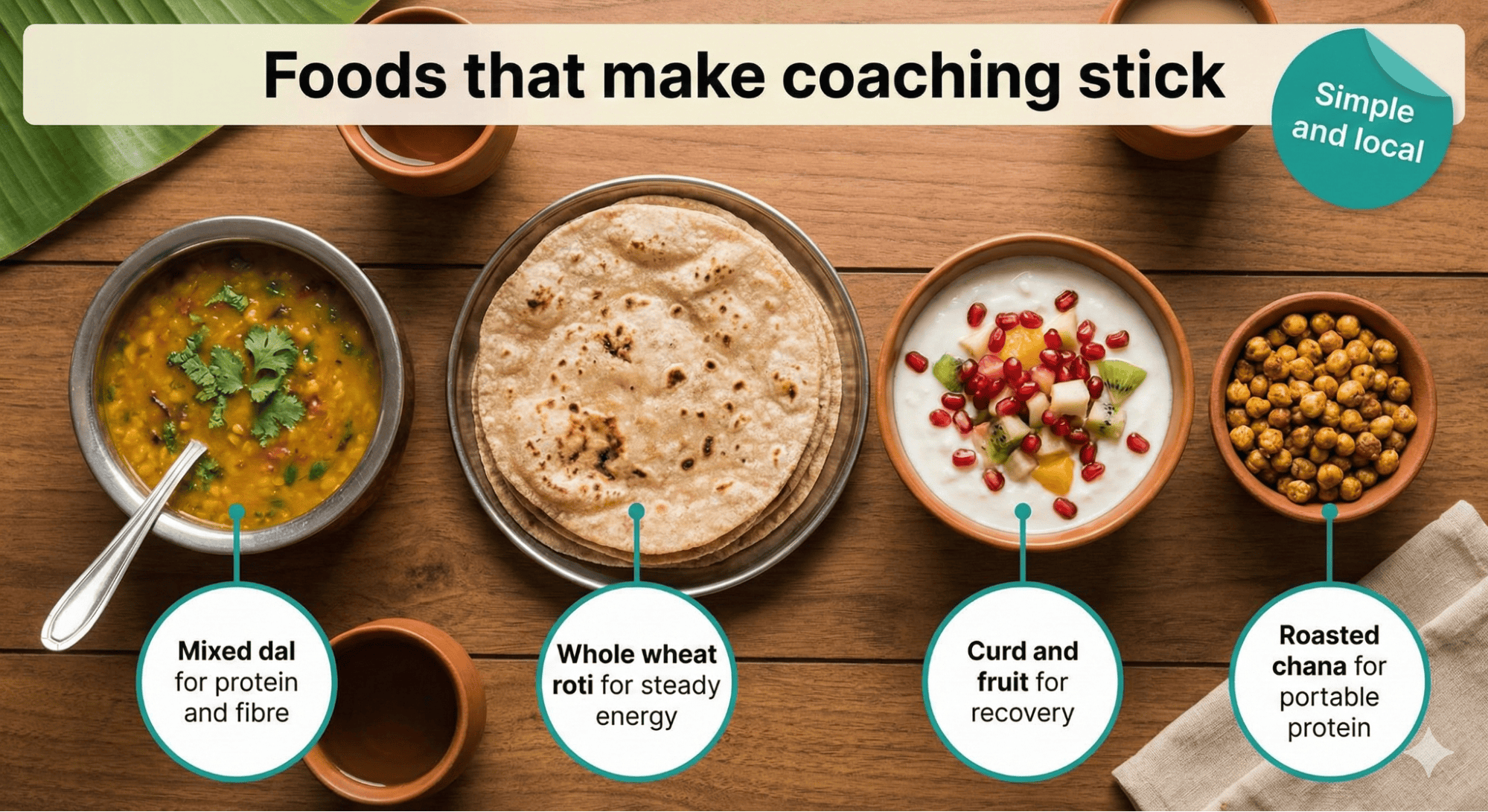
Nutrition coaching should work with Indian foods you actually eat rather than requiring dramatic diet overhaul. Traditional dals provide excellent protein and fiber while being affordable and familiar. Include at least one dal daily. Additionally, whole grains like brown rice, bajra, jowar, and ragi offer sustained energy and nutrients. Vegetables cooked with minimal oil and spices create satisfying dishes. Moreover, curd and buttermilk provide probiotics and protein. Homemade rotis, when made with whole grain flour, are nutritious staples.
Furthermore, traditional spices like turmeric, cumin, and coriander enhance both flavor and health. In fact, many traditional Indian foods are inherently healthy when prepared with moderate oil and balanced portions. Therefore, effective wellness coaching helps you optimize traditional eating patterns rather than abandoning cultural foods. Coaches suggesting you eat quinoa salads and grilled chicken exclusively when you’re vegetarian and prefer Indian food probably won’t help you create sustainable changes.
Modern Indian Meal Options and Healthy Recipes
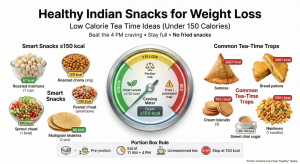
Wellness coaching should provide practical strategies for modern Indian eating patterns. For busy mornings, quick options like vegetable poha with peanuts, moong dal cheela, or oats upma with nuts work better than complicated recipes requiring extensive prep. Additionally, lunch strategies might include ordering restaurants items with more vegetables and dal, less rice and oil, rather than avoiding social eating entirely. Moreover, batch cooking on weekends creates convenient dinners during busy weeks. Coaches should help develop personalized strategies rather than providing generic meal plans you’ll never follow.
Furthermore, coaching benefits include learning to make better choices within your actual food environment rather than requiring perfect conditions. In fact, sustainable changes emerge from working with your lifestyle, not against it. Therefore, assess whether coaching provides realistic actionable strategies or idealistic advice that sounds good but doesn’t fit your reality.
Foods to Limit or Avoid for Better Results
Health coaching myths sometimes suggest you can eat anything in moderation without addressing that some foods genuinely undermine health goals. While coaches shouldn’t create rigid food rules causing guilt, guidance on limiting problematic foods helps. Processed foods high in sugar, refined flour, and unhealthy fats should be occasional treats, not daily habits. Additionally, excessive fried foods and sweets undermine health regardless of how small the portions. Moreover, sugary drinks provide calories without nutrition or satiety.
Furthermore, ultra-processed packaged snacks often trigger overeating through their deliberately engineered palatability. Good nutrition coaching helps you identify your specific trigger foods that cause overindulgence and develop strategies managing them. This might mean eliminating some foods temporarily while building skills, then reintroducing mindfully. Therefore, balance between flexible eating and strategic limitation creates sustainable results. Coaches claiming “no foods are off limits” ignore reality for people struggling with specific items.
Portion Sizes and Meal Timing for Indians
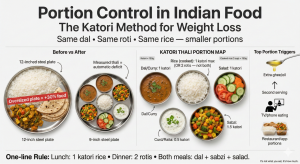
Wellness coaching should address practical implementation of portion control and meal timing within Indian lifestyle. Visual guides like using your hand (palm for protein, fist for carbs, two fists for vegetables) work better than weighing food for busy Indians. Additionally, strategies like eating slowly, chewing thoroughly, and stopping at 80% full rather than stuffed help without calorie counting. Moreover, meal timing should fit your schedule rather than forcing arbitrary rules like “no eating after 7 PM” when you don’t get home until 8.
Furthermore, understanding your hunger and fullness cues through coaching develops long-term skills rather than dependence on external rules. In fact, coaches should help you find personalized portion and timing strategies through experimentation and reflection rather than prescribing rigid protocols. Therefore, effective coaching benefits include developing intuitive eating skills and self-awareness supporting lifelong health rather than creating dependence on coach direction forever.
Lifestyle Changes to Support Health Coaching Myths
Coaching Benefits: The Right Approach for Indians
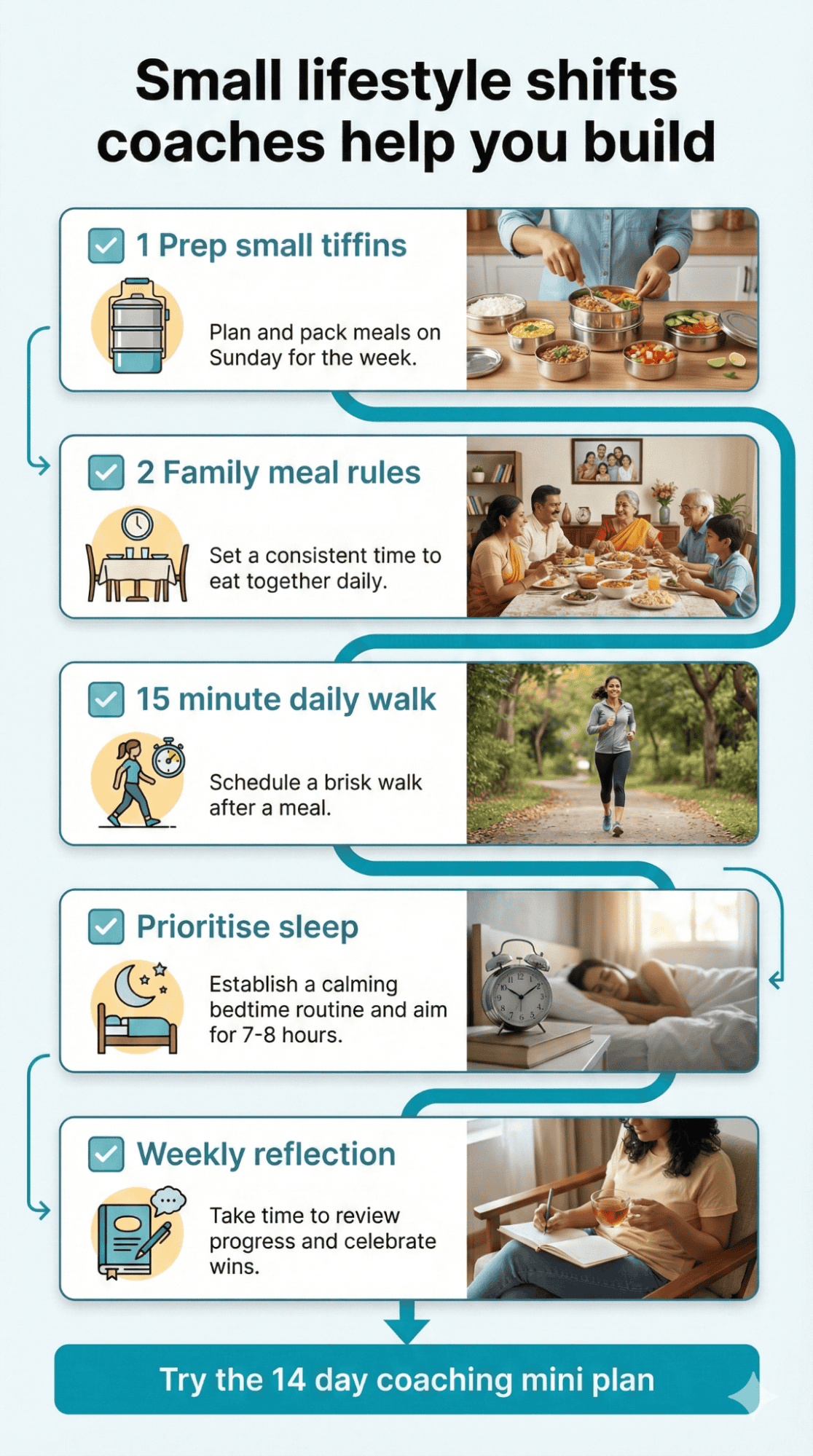
Understanding realistic coaching benefits prevents disappointment and helps you assess value. Coaching should improve your consistency with healthy behaviors you’ve struggled implementing alone. Additionally, you should develop problem-solving skills for navigating challenges rather than needing coach permission for every decision. Moreover, confidence in making healthy choices should increase progressively. Furthermore, you should understand your patterns, triggers, and barriers better through coaching reflection. In fact, the best wellness coaching works itself out of a job by building your capacity for independent healthy living.
Therefore, assess whether coaching is developing your skills or creating dependence. Good coaches celebrate your growing independence, not make you feel you need them forever. Additionally, coaching benefits should extend beyond the coaching period. Six months post-coaching, you should maintain most habits developed during coaching, not regress completely. This long-term impact separates effective coaching from temporary external control that disappears when coaching ends.
Sleep and Stress Management Strategies
Health coaching myths suggest coaching only addresses food and exercise, but comprehensive wellness coaching includes sleep and stress management crucial for health. Coaches should help you identify sleep barriers and develop strategies improving sleep quality and duration. Additionally, stress management techniques like meditation, deep breathing, or time management should be part of coaching when stress affects health behaviors. Moreover, coaches should help you recognize when stress or inadequate sleep drives eating, exercise avoidance, or other unhealthy patterns.
Furthermore, developing boundaries around work, family obligations, and personal health needs often requires coaching support. In fact, many health behavior problems stem from poor sleep and high stress more than lack of nutrition knowledge. Therefore, effective nutrition coaching addresses these foundational factors rather than focusing narrowly on food. Assess whether coaches take holistic approaches or simplistically blame lack of willpower for struggles rooted in exhaustion and overwhelm.
Daily Habits That Make a Real Difference
Effective wellness coaching focuses on sustainable daily habits rather than dramatic transformations requiring unsustainable effort. Small consistent actions compound into significant results over time. Therefore, coaches should help you identify the minimum viable habits creating progress, not maximize all areas simultaneously causing overwhelm. Additionally, habit stacking, linking new behaviors to existing routines, creates sustainability. Moreover, tracking key behaviors builds awareness without obsessive monitoring.
Furthermore, coaches should help you develop contingency plans for common obstacles rather than assuming perfect adherence. In fact, anticipating challenges and planning responses prevents derailment more effectively than willpower alone. Therefore, assess whether coaching benefits include developing these practical implementation skills. Coaches providing information without helping you integrate it into daily life offer limited value. The gap between knowing and doing is where coaching should focus most energy.
Your 7-Day Health Coaching Myths Management Meal Plan
This meal plan demonstrates balanced eating coaching might help you implement consistently:
| Day | Breakfast | Lunch | Evening Snack (4-5 PM) | Dinner (7-8 PM) |
| Day 1 | Vegetable poha (1 bowl) + peanuts + boiled egg + milk | Brown rice (1 katori) + dal + mixed veg + raita + salad | Handful of almonds (8) + apple | 2 rotis + palak paneer + cucumber raita |
| Day 2 | Moong dal cheela (2) + mint chutney + curd + banana | 2 rotis + chana dal + bhindi + raita + pickle | Roasted chana (1 bowl) + tea | Quinoa + dal + mixed vegetables + salad |
| Day 3 | Oats upma with vegetables + handful of walnuts + milk | Brown rice + sambhar + palak + paneer + curd | Fruit bowl with yogurt | 2 bajra rotis + dal + lauki sabzi + raita |
| Day 4 | 2 boiled eggs + whole wheat toast + banana + milk | 2 rotis + masoor dal + mixed veg + raita + salad | Sprout salad with lemon | Vegetable khichdi + 1 tbsp ghee + curd |
| Day 5 | Idli (3) + sambhar + coconut chutney + boiled egg | Brown rice + dal + vegetables + paneer tikka + raita | Handful of nuts + green tea | 2 rotis + rajma + mixed sabzi + salad |
| Day 6 | Besan cheela (2) + vegetables + curd + banana | 2 rotis + chana dal + mixed veg + raita + pickle | Apple with peanut butter | Brown rice + dal + palak paneer + salad |
| Day 7 | Vegetable upma + 2 boiled eggs + handful of almonds | 2 rotis + moong dal + vegetables + curd + salad | Roasted makhana (1 bowl) | Quinoa pulao + dal + mixed vegetables + raita |
Note: This meal plan demonstrates balanced eating. Wellness coaching helps you implement such plans consistently by addressing barriers to preparation, shopping, and adherence rather than just providing the plan itself. Coaching makes the difference between knowing what to eat and actually eating it.
Common Mistakes Indians Make with Health Coaching Myths
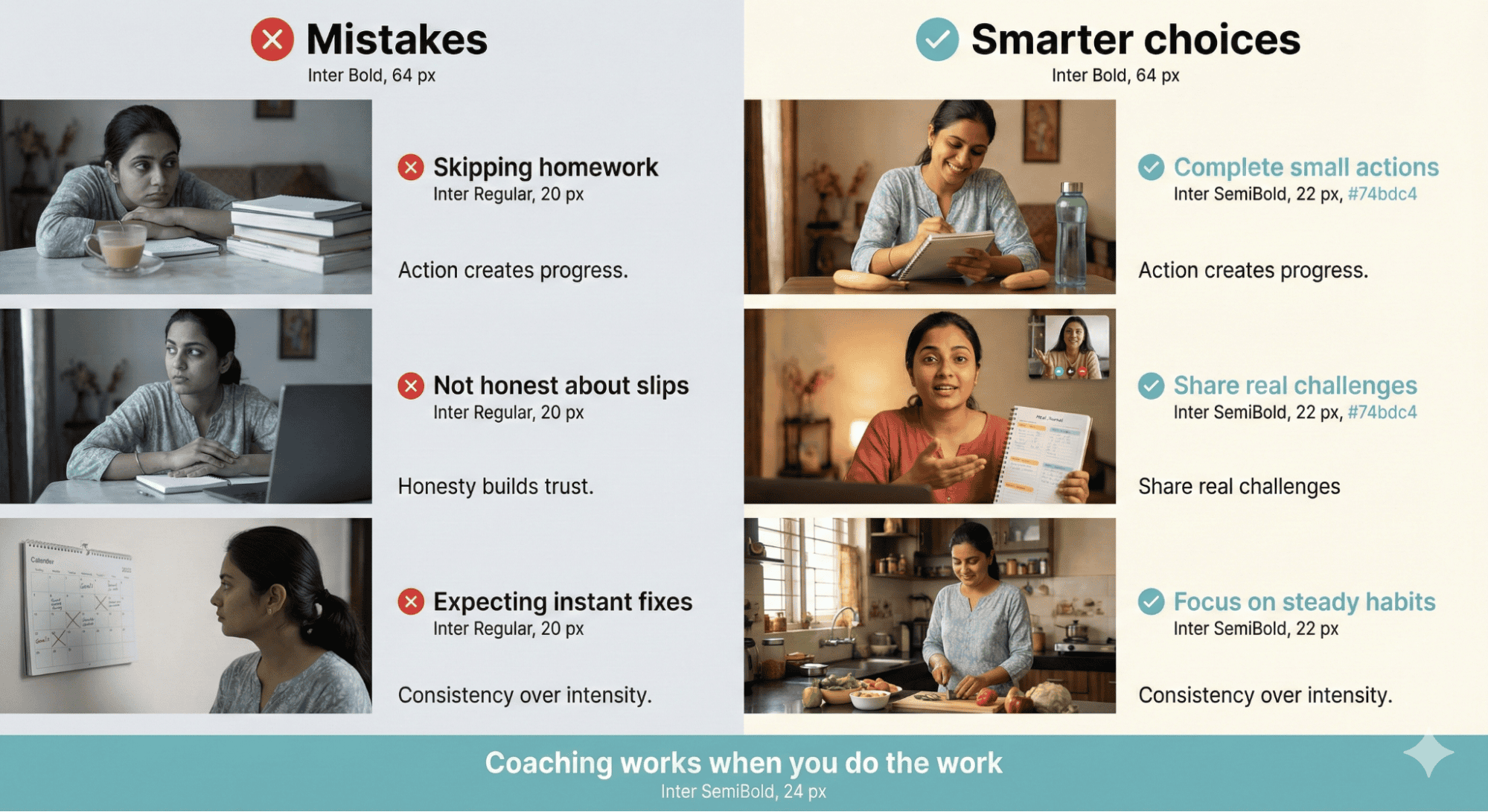
Diet Mistakes That Sabotage Progress
The biggest mistake is believing coaching will work without your active participation and effort. Coaches provide support and guidance, but you must implement changes. Another error is not being honest with coaches about struggles, making them unable to help effectively. Additionally, many people expect coaches to provide magical meal plans or motivation rather than understanding coaching addresses behavioral barriers. Moreover, not completing action steps between sessions wastes coaching value. You’re paying for the support, not using it fully.
Furthermore, comparing your progress to others’ ignores individual differences in circumstances, barriers, and readiness for change. In fact, expecting linear progress without setbacks creates discouragement when inevitable challenges arise. Therefore, realistic expectations about coaching benefits and your role in the process prevents these mistakes. Coaching accelerates progress but doesn’t eliminate the need for your effort and commitment to change.
Lifestyle Pitfalls to Watch Out For
Many people sabotage wellness coaching through scheduling and mindset issues. Not prioritizing coaching sessions or skipping them for non-urgent matters prevents building momentum and relationship with coach. Additionally, not implementing feedback or action steps between sessions means repeating the same issues without progress. Moreover, expecting coaches to motivate you constantly rather than developing internal motivation creates dependence and eventual failure when coaching ends.
Furthermore, not communicating when something isn’t working prevents coaches from adjusting approach to fit you better. In fact, treating coaching as passive information reception rather than active collaboration limits results. Additionally, not tracking or noticing small progress makes you feel nothing’s working despite incremental improvements. Therefore, approaching coaching as partnership requiring your active engagement maximizes coaching benefits. Passive recipients get minimal results regardless of coach quality.
How to Course-Correct When Things Go Wrong
If health coaching myths haven’t been resolved or coaching isn’t helping, evaluate systematically. Are you implementing action steps between sessions or just attending sessions? Coaching requires your active work between meetings. Additionally, are you being honest with your coach about struggles or presenting an edited version? Coaches can’t help with problems they don’t know exist. Moreover, is the coach fit right for you? Wrong personality match or approach style limits effectiveness despite coach competence.
Therefore, communicate concerns directly with your coach first, allowing them to adjust. If that doesn’t help after 2 to 3 sessions, consider finding a different coach. Furthermore, assess your readiness for change honestly. If you’re not ready to implement changes regardless of support, coaching can’t help yet. Sometimes working on readiness through therapy or addressing life stressors first makes subsequent coaching more effective. Don’t continue paying for coaching that isn’t helping, but also reflect on your role in the limited results before blaming the coach entirely.
Conclusion
Health coaching myths prevent Indians from accessing support that could transform health by addressing the gap between knowing what to do and actually doing it consistently. Wellness coaching isn’t expensive cheerleading or generic meal plans but structured behavior change support using proven psychological techniques. The distinction between health coach vs nutritionist matters: dietitians provide medical nutrition therapy and meal plans, while coaches focus on implementation, accountability, and overcoming barriers preventing you from following advice you already know. For busy Indians navigating cultural food pressures, family dynamics, and work stress, coaching benefits include personalized support within your real-life context.
Start by assessing whether your barriers to health are knowledge-based (you don’t know what to do) or behavior-based (you know but can’t implement consistently). If behavior is the issue, coaching might help. Research coaches’ credentials, ask for consultation calls, and assess fit before committing. Additionally, approach coaching as an active partnership requiring your effort between sessions, not passive information reception.
FAQs
Q1: What is health coaching myths and how does it affect Indians?
Health coaching myths are misconceptions about what coaches do, their qualifications, and value provided, preventing Indians from accessing support that could improve health behaviors. Common wellness coaching myths include believing it’s just cheerleading, that only wealthy people benefit, or that it replaces medical care when actually it complements doctors and dietitians through behavior change support.
Q2: What are the main signs coaching is working effectively?
Signs include increased consistency with healthy behaviors previously struggled with, improved confidence in making health decisions, better problem-solving when challenges arise, and measurable health improvements like weight loss or better blood sugar. Watch for developing skills and independence rather than increasing dependence on coach’s direction, indicating effective coaching benefits.
Q3: What foods should Indians eat with coaching support?
Eat balanced Indian meals with dal, vegetables, whole grains, and moderate healthy fats that nutrition coaching helps you implement consistently by addressing barriers to meal planning, shopping, and preparation. Coaching works with foods you actually enjoy and can access rather than requiring dramatic diet changes to foreign cuisines.
Q4: Can health be managed naturally through coaching?
Yes, wellness coaching helps implement sustainable lifestyle changes, including nutrition, exercise, sleep, and stress management through behavior change techniques, accountability, and problem-solving support. Coaching develops long-term skills for independent healthy living rather than creating dependence on external control lasting only during the coaching period.
Q5: How long does it take to see results with coaching?
Behavioral consistency improves within 2 to 4 weeks of coaching, addressing specific barriers, with health markers like weight or blood sugar improving within 6 to 8 weeks. Skills and confidence developed through coaching benefits support long-term maintenance, with most improvements sustained 6+ months post-coaching indicating truly effective behavior change.
Related Posts