Your mother’s cooking tastes amazing but drowns in oil. Restaurant food is convenient but loaded with salt and ghee. You want to eat healthy Indian food without sacrificing flavor or spending hours cooking. The secret isn’t abandoning your favorite dishes but mastering Indian kitchen hacks that make traditional recipes healthier without losing their soul. These smart ingredient substitutes and traditional cooking methods modifications let you enjoy dal, sabzi, and rotis while supporting your health goals. This guide reveals practical Indian kitchen hacks that health-conscious Indians can implement immediately.
What Is Indian Kitchen Hacks and Why Indian Dieters Should Care?
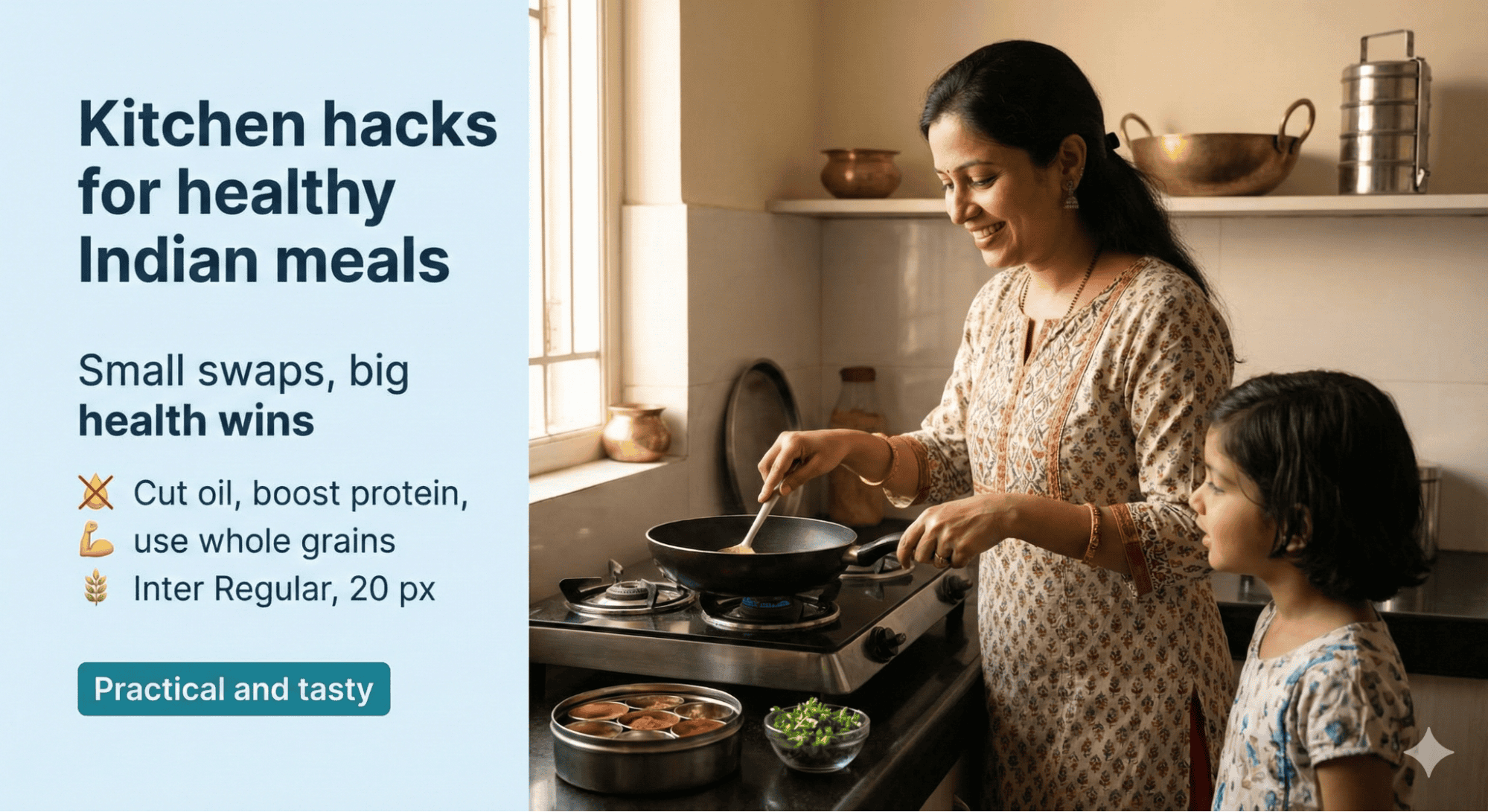
Indian kitchen hacks are practical strategies for making traditional Indian cooking healthier through smart ingredient swaps, cooking method modifications, and portion adjustments without dramatically changing flavors or requiring extensive time. These techniques reduce oil, salt, sugar, and refined carbs while increasing protein, fiber, and nutrients in your regular meals. Additionally, healthy Indian cooking doesn’t mean eating bland boiled food or expensive imported ingredients. It means using traditional foods prepared smarter. Therefore, Indian kitchen hacks empower you to control your nutrition at home, the foundation of sustainable health improvement.
Why Indian Matters for Indian Bodies
Indians need practical Indian kitchen hacks because restaurant and packaged foods sabotage health goals despite best intentions. Home cooking offers control over ingredients and portions impossible when eating out. Moreover, traditional Indian cooking methods developed for taste, not health optimization, often use excessive oil, ghee, and salt. Additionally, busy modern lifestyles make elaborate healthy cooking feel impossible, causing people to abandon home cooking entirely. Furthermore, expensive “health foods” promoted online aren’t accessible or necessary for most Indians. In fact, simple modifications to foods you already eat create better results than trying to follow complicated Western meal plans. Therefore, mastering ingredient substitutes and efficient Indian meal prep strategies makes healthy eating sustainable rather than a temporary effort abandoned when life gets busy.
Common Myths Debunked About This Topic
Let’s clear up myths preventing Indians from adopting healthy Indian cooking. First, healthy food doesn’t have to taste bland. Spices, herbs, and smart cooking methods create delicious food without excessive fat or salt. Second, healthy cooking doesn’t require hours. Many Indian kitchen hacks save time compared to traditional methods. Third, you don’t need expensive ingredients. Traditional Indian foods are inherently nutritious when prepared properly. Fourth, one person can’t cook differently from the whole family. Modified recipes please everyone when done well. Additionally, occasional oil or ghee won’t ruin health. The issue is excessive amounts daily, not moderate use. Finally, healthy cooking isn’t all-or-nothing. Every small improvement compounds over time. Therefore, start with a few Indian kitchen hacks rather than overwhelming yourself trying to change everything simultaneously.
The Science Behind Indian Kitchen Hacks for Indians
How Indian Works in Your Body
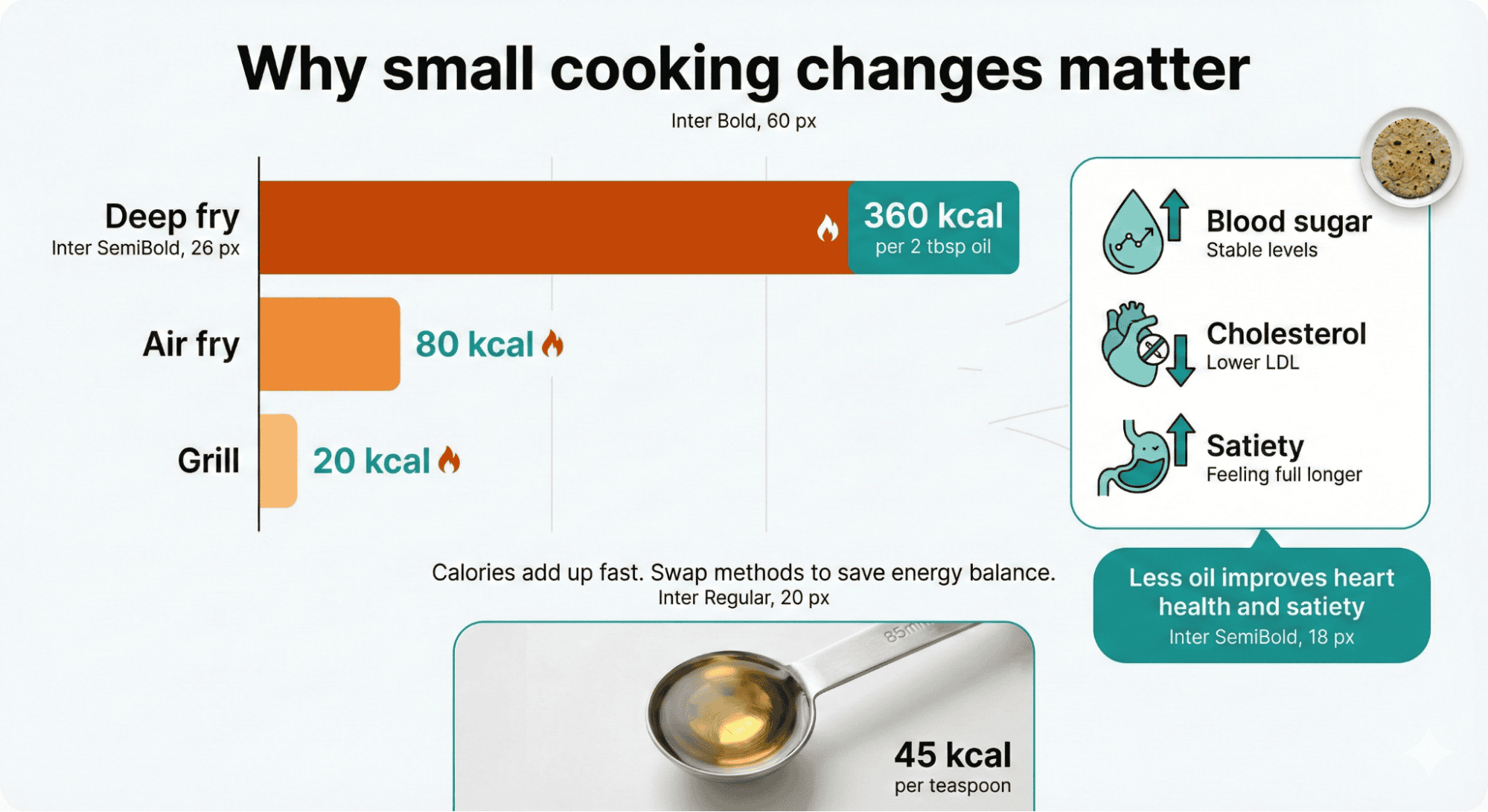
Healthy Indian cooking affects your health through reducing calorie density while maintaining nutrients and satisfaction. Excess oil adds 9 calories per gram without nutrients or satiety. Therefore, using 2 tablespoons instead of 6 in a sabzi saves 360 calories affecting weight significantly over time. Additionally, reducing salt prevents water retention and hypertension common in Indians. Moreover, ingredient substitutes like whole wheat for refined flour increases fiber, stabilizing blood sugar and improving satiety. Furthermore, cooking methods matter. Grilling, baking, or air frying versus deep frying dramatically reduces calories and unhealthy fats. In fact, the same foods prepared differently create different metabolic effects. Palak paneer with minimal oil versus restaurant preparation swimming in cream affects your body completely differently despite being “the same dish.” Understanding these mechanisms helps you prioritize which Indian kitchen hacks matter most.
The Connection Between Healthy Indian Cooking and Health
Healthy Indian cooking provides comprehensive benefits beyond weight management. Reducing excess oil and saturated fats improves cholesterol levels and heart health. Additionally, increasing vegetable portions boosts fiber intake supporting digestion and blood sugar control. Moreover, traditional cooking methods modified smartly preserve nutrients often destroyed by commercial food processing. Furthermore, cooking at home controls sodium intake preventing hypertension affecting 30% of urban Indians. Using whole grains increases nutrient density and fiber. In fact, research shows Indians who cook at home regularly have better health markers than those relying primarily on restaurant or packaged foods. The control over ingredients, portions, and preparation methods makes home cooking irreplaceable for optimal health. Therefore, investing time learning Indian kitchen hacks yields returns through better health, lower medical costs, and improved quality of life.
What Research Shows for Indian Population
Studies on cooking practices in Indians reveal patterns supporting healthy Indian cooking adoption. Research shows urban Indians consume 2 to 3 times recommended sodium from restaurant foods and pickles. One study found home-cooked meals averaged 60% less sodium than restaurant equivalents. Additionally, research demonstrates that Indians using minimal oil cooking methods lost more weight than those using traditional high-oil preparations despite eating the same foods. Moreover, studies show vegetable consumption increases when Indians learn quick preparation methods reducing perceived cooking burden. Furthermore, research indicates children whose families cook healthily at home develop better eating patterns lasting into adulthood. In fact, studies demonstrate cooking skills correlate with better diet quality and health outcomes across all age groups. Therefore, Indian meal prep strategies and efficient techniques supporting regular home cooking create health benefits extending beyond individual meals.
Ingredient Substitutes: What to Watch For
Physical Signs and Symptoms to Monitor
Implementing ingredient substitutes and healthy Indian cooking creates observable improvements. Energy levels stabilize throughout the day without afternoon crashes from better blood sugar control. Additionally, digestive function improves with increased fiber from whole grains and vegetables. Moreover, weight decreases gradually at 0.5 to 1 kilo weekly when reducing excess oil and refined carbs. Watch for reduced water retention and bloating from lower sodium intake. Furthermore, skin often clears and glows from improved nutrition and reduced inflammatory foods. Blood pressure normalizes in those with hypertension. Conversely, if you feel constantly hungry despite adequate food volume, you might not be using enough healthy fats or protein. Adjust ingredient substitutes to maintain satisfaction. Track these signs confirming your Indian kitchen hacks are working effectively.
Emotional and Mental Health Indicators
Healthy Indian cooking should enhance your relationship with food, not create more stress. You should feel empowered by control over your nutrition and pride in skills you’re developing. Additionally, cooking at home reduces anxiety about restaurant food unknown ingredients or preparation. Moreover, satisfaction with delicious healthy meals you created builds confidence and motivation. Furthermore, family bonding during meal prep and eating together improves relationships and mental health. However, if cooking creates overwhelming stress, perfectionism, or takes excessive time causing you to abandon it, your approach needs adjustment. Start simpler with fewer Indian kitchen hacks implemented gradually. In fact, some home cooking beats none. Therefore, find sustainable balance preventing burnout while still gaining health benefits.
When to Consult a Healthcare Professional
Most people can safely implement Indian kitchen hacks independently. However, consult a registered dietitian if you have specific medical conditions requiring precise nutrition like kidney disease, diabetes, or food allergies. Additionally, work with professionals if you’ve developed obsessive or restrictive eating patterns around healthy cooking. Orthorexia, obsession with eating perfectly, sometimes emerges from health focus becoming unhealthy. Moreover, if family members have special dietary needs requiring complex planning, professional guidance prevents mistakes. Furthermore, if you’re struggling to create balanced meals despite good intentions, a few sessions with dietitians teaching Indian meal prep and planning makes huge difference. Don’t struggle alone when expert help accelerates your progress and prevents frustration.
Indian Lifestyle Factors Affecting Indian Kitchen Hacks
Modern Indian Diet Challenges and Solutions
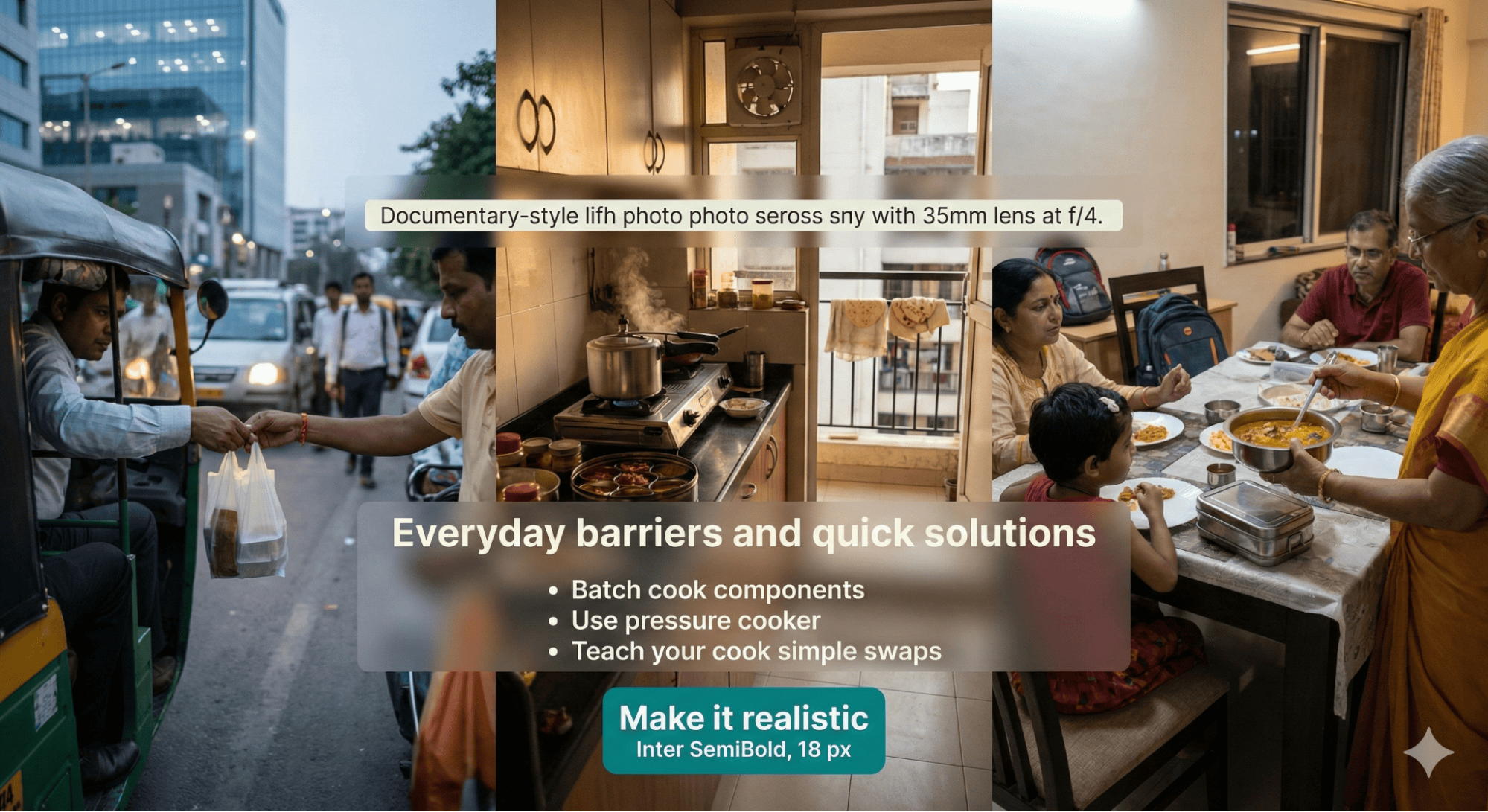
Modern lifestyles create barriers to healthy Indian cooking requiring strategic solutions. Long work hours mean limited time for elaborate meal prep. Additionally, small urban kitchens lack space for extensive cooking. Moreover, reliance on domestic help unfamiliar with healthy modifications creates inconsistency. Furthermore, eating out frequently makes home cooking skills atrophy from disuse. Solutions include batch cooking on weekends using Indian meal prep strategies. Cook large quantities of dal, vegetables, and grains storing portions for quick weekday assembly. Additionally, use pressure cookers and Instant Pots dramatically reducing cooking time. Simple one-pot meals like khichdi take 20 minutes but provide complete nutrition. Moreover, teach domestic help or family members your ingredient substitutes and methods ensuring consistency. Keep your kitchen stocked with healthy staples preventing emergency restaurant orders. These practical adjustments make healthy Indian cooking feasible despite modern constraints.
Work-Life Balance and Urban Living Impact
Urban Indian professional life affects home cooking patterns requiring creative solutions. Unpredictable work hours make fixed dinner times impossible. Additionally, exhaustion after long days reduces motivation to cook. Moreover, traffic and commutes steal potential cooking time. Furthermore, small apartments mean limited kitchen equipment and storage. Solutions include keeping cooking simple most days. Not every meal needs elaborate preparation. Dal, rice, and basic sabzi take 30 minutes. Additionally, use Indian kitchen hacks like air fryers or microwaves for quick healthy preparations when very time-pressed. Moreover, prepare ingredients the night before for faster cooking after work. Keep frozen vegetables and pre-cooked grains for emergency quick meals. In fact, accepting imperfect home cooking beats perfect restaurant reliance. Therefore, lower standards for “acceptable” home meals making cooking less daunting when busy.
Cultural and Social Influences on Health
Indian culture both supports and challenges healthy Indian cooking. Traditional emphasis on feeding guests generously sometimes means excessive richness in preparations. Additionally, status signaling through elaborate multi-dish meals creates pressure and time burden. Moreover, criticism from family about taste changes when reducing oil or salt can be discouraging. Furthermore, social media food photos promoting rich restaurant-style dishes create unrealistic standards for home cooking. Solutions include educating family about health reasons for modifications. Gradually reduce oil and salt over weeks allowing taste adaptation. Additionally, make modified versions of family favorite recipes proving healthy can still taste good. Share Indian kitchen hacks with interested family members creating support. Moreover, ignore social media comparisons focusing on your health goals. Your home cooking serves your family’s health, not Instagram aesthetics. These mindset shifts help maintain healthy Indian cooking despite cultural pressures.
Best Indian Foods for Indian Kitchen Hacks Management
Traditional Indian Foods That Support Traditional Cooking Methods
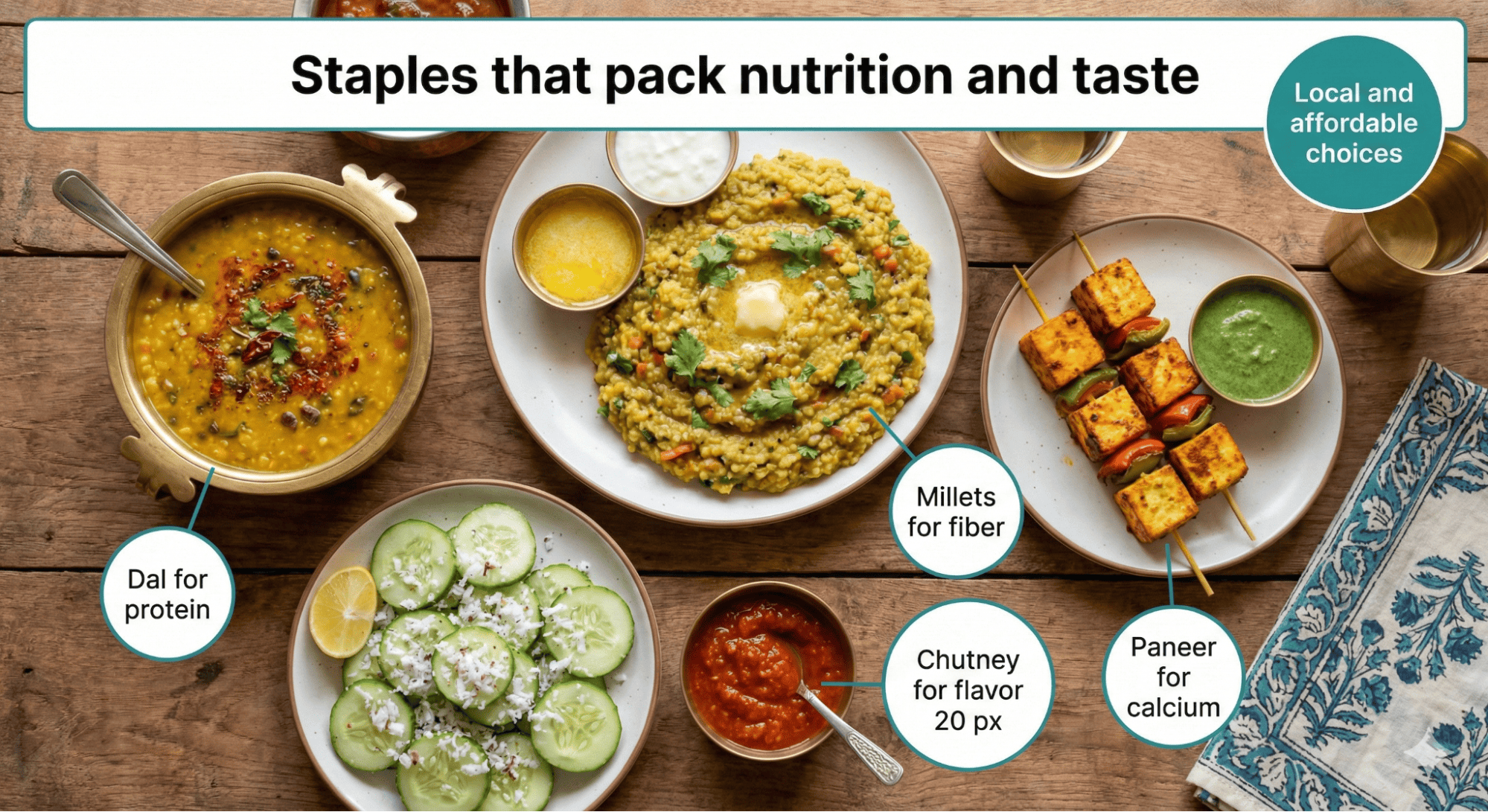
Traditional cooking methods modified intelligently optimize Indian foods’ natural nutrition. Pressure cooking dal preserves protein and minerals while reducing cooking time. Additionally, tempering with minimal oil (1 teaspoon instead of 3 tablespoons) provides flavor without excess calories. Moreover, dry roasting spices before grinding enhances flavor without added fat. Steaming idlis, dhoklas, and momos creates nutritious foods without frying. Furthermore, tandoor cooking or oven roasting vegetables, paneer, and chicken provides charred flavors without deep frying. Using non-stick pans reduces oil needs dramatically. In fact, many traditional cooking methods like fermenting for idli/dosa, using souring agents like tamarind, and extensive spice use create complex flavors without relying primarily on fat. Therefore, returning to these traditional techniques while reducing modern excess oil adaptation creates healthiest approach respecting culinary heritage.
Modern Indian Meal Options and Healthy Recipes
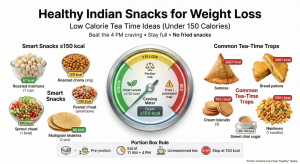
Create everyday meals using Indian kitchen hacks efficiently. For breakfast, make vegetable poha with 1 teaspoon oil instead of 3 tablespoons. Use mustard seeds, curry leaves, and green chilies for flavor. Additionally, make dosas on non-stick pans with light spray instead of pooling oil. Air-fry pakoras or samosas for occasional treats. Moreover, lunch could be dal made with 1 teaspoon tadka oil, brown rice, and sabzi cooked with minimal oil plus generous vegetables. Dinner might be rotis made with whole wheat, rajma or chana curry using 1 tablespoon oil for entire pot, and salad. Furthermore, Indian meal prep strategies include cooking dal and grains on Sunday, pre-chopping vegetables, and storing in containers for quick weekday assembly. These practical recipes using ingredient substitutes create satisfying Indian meals in 30 to 45 minutes.
Foods to Limit or Avoid for Better Results
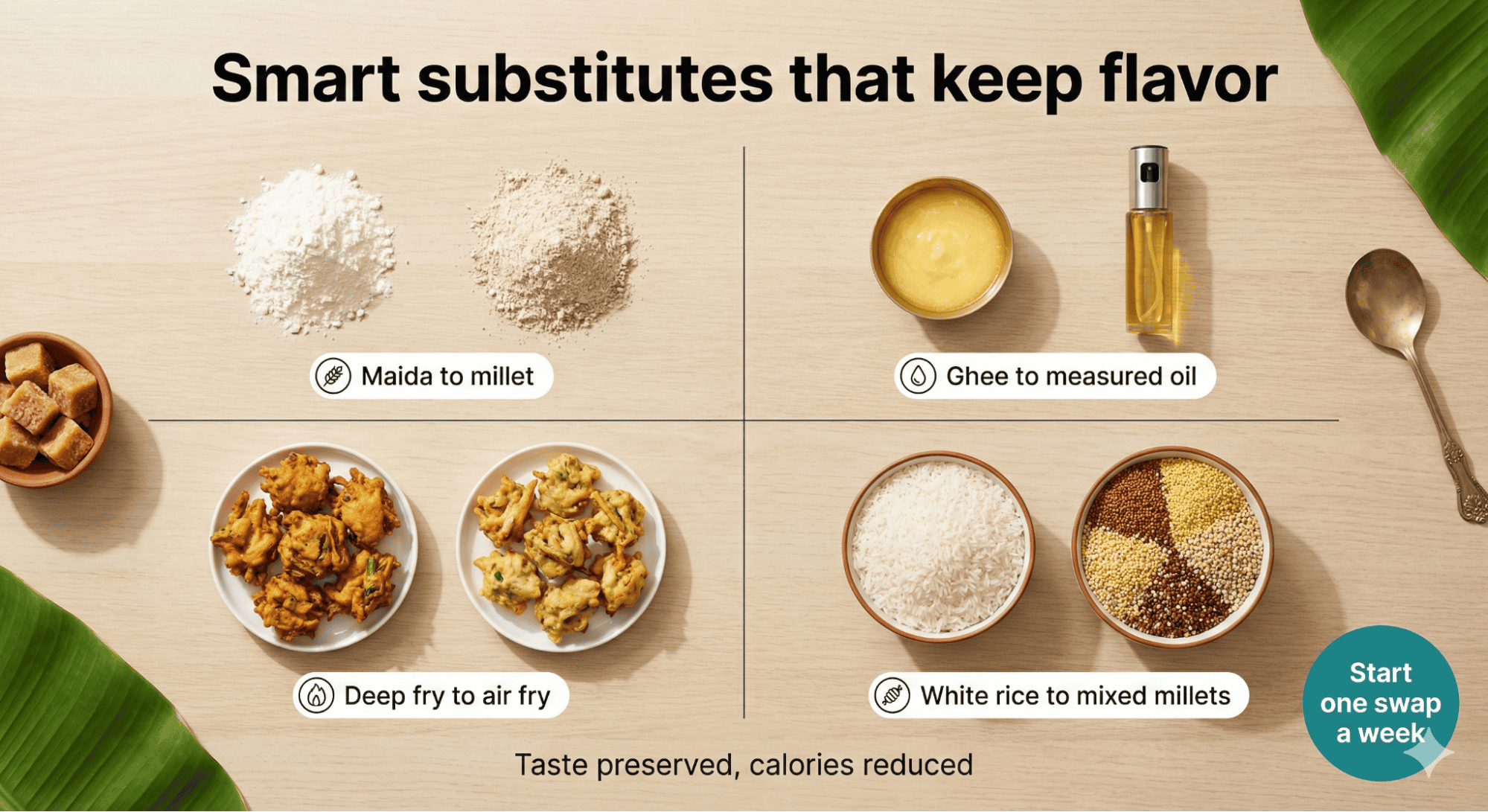
While implementing Indian kitchen hacks, some foods remain problematic. Deep-fried foods like puris, pakoras, and samosas should be occasional treats, not daily foods, even when homemade. Additionally, excessive use of coconut milk, cream, or cheese makes dishes calorie-dense despite being homemade. Moreover, store-bought masala mixes often contain excessive salt and additives. Make your own spice blends controlling sodium. Furthermore, refined flour (maida) products offer minimal nutrition. Use whole wheat or millet flour instead. Excessive oil even healthy varieties adds unnecessary calories. Measure oil rather than pouring freely. In fact, focus additions rather than eliminations. Add more vegetables to every dish, more dal for protein, more whole grains for fiber. This crowds out less nutritious options naturally. Therefore, healthy Indian cooking emphasizes abundance of nutritious foods rather than restrictive elimination causing deprivation.
Portion Sizes and Meal Timing for Indians
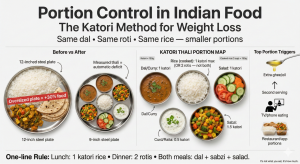
Indian kitchen hacks include smart portioning alongside cooking modifications. Use smaller plates making portions appear more abundant. Additionally, serve vegetables first before rice or rotis, ensuring you eat adequate vegetables. Moreover, limit rice to 1 small katori and rotis to 2 at meals, focusing more on dal and vegetables. Include protein at every meal through dal, curd, paneer, eggs, or meat preventing excessive carb consumption. Furthermore, time cooking efficiently. Prep ingredients the night before for faster morning or evening cooking. Batch cook on weekends reducing daily cooking burden. Use pressure cooker or Instant Pot for fast dal and rice. In fact, efficient Indian meal prep makes healthy cooking sustainable despite busy schedules. Therefore, combining proper portions with time-efficient techniques creates lasting healthy cooking habits.
Lifestyle Changes to Support Indian Kitchen Hacks
Indian Meal Prep: The Right Approach for Indians
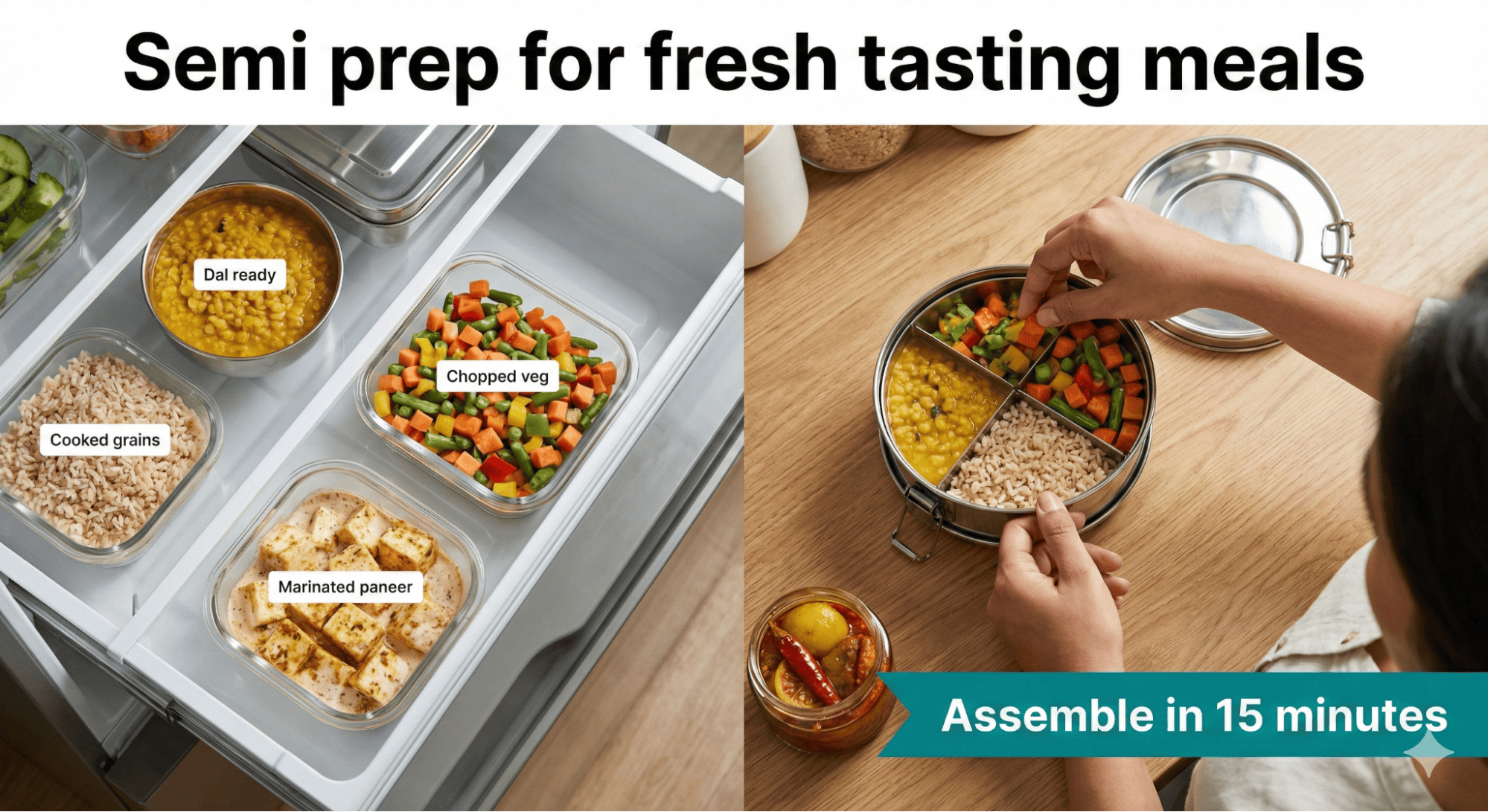
Indian meal prep differs from Western meal prep in accommodating fresh Indian cooking preferences. Rather than full meal prep, prepare components for quick assembly. On weekends, cook 2 to 3 types of dal storing portions. Additionally, pre-chop vegetables storing in containers or bags for 2 to 3 days use. Boil eggs, marinate paneer or chicken. Moreover, cook grains like rice, quinoa storing portions. Make roti dough storing in fridge for quick rolling and cooking. Furthermore, prepare spice mixes, chutneys, and tadkas in advance. During weekdays, quickly assemble pre-prepped components into fresh meals taking 15 to 20 minutes. This semi-prep approach maintains fresh taste Indians prefer while reducing daily cooking burden. In fact, even minimal prep like pre-chopping vegetables saves significant time encouraging consistent home cooking. Therefore, find prep level sustainable for you rather than attempting elaborate systems you’ll abandon.
Sleep and Stress Management Strategies
Sleep and stress affect your ability to maintain healthy Indian cooking consistently. Exhaustion from inadequate sleep reduces motivation to cook, driving restaurant reliance. Therefore, prioritize 7 to 8 hours sleep enabling energy for healthy habits. Additionally, chronic stress triggers emotional eating and reduces cooking motivation. Practice stress management supporting overall wellbeing and cooking consistency. Moreover, don’t make cooking another stressor. It should be relaxing, creative outlet, not obligation. Play music, involve family, make it enjoyable. Furthermore, accept imperfect cooking. Some nights simple dal-rice beats elaborate preparation. In fact, releasing perfectionism about cooking makes it sustainable long-term. Therefore, address sleep and stress as foundation supporting consistent Indian kitchen hacks implementation.
Daily Habits That Make a Real Difference
Small actions make Indian kitchen hacks part of your routine. Keep kitchen stocked with healthy staples preventing emergency restaurant orders. Additionally, clean kitchen after each meal making next cooking session pleasant not overwhelming. Moreover, try one new ingredient substitute weekly building skills gradually without overwhelm. Review recipes the night before identifying needed ingredients and prep. Furthermore, involve family in cooking sharing responsibility and teaching children valuable skills. Take photos of successful dishes for motivation and recipe reference. In fact, celebrate cooking wins like successfully making a healthier version of favorite dish tasting great. These positive reinforcements build habits lasting beyond initial motivation. Therefore, focus sustainable small actions compounding into major cooking pattern changes over months.
Your 7-Day Indian Kitchen Hacks Management Meal Plan
This meal plan demonstrates healthy Indian cooking with practical hacks:
| Day | Breakfast | Lunch | Evening Snack | Dinner |
| Day 1 | Vegetable poha (1 tsp oil, extra vegetables) | Brown rice + dal (minimal tadka) + roasted vegetables + raita | Roasted chana | 2 whole wheat rotis + rajma (1 tbsp oil) + salad |
| Day 2 | Moong dal cheela (non-stick pan, light spray) | 2 rotis + palak dal + dry bhindi (minimal oil) | Apple with almonds | Quinoa + dal + air-fried paneer + vegetables |
| Day 3 | Oats upma (vegetables, minimal oil) | Brown rice + sambhar + grilled fish/paneer | Fruit bowl | 2 bajra rotis + dal + sabzi (steamed then lightly sautéed) |
| Day 4 | Idli (steamed) + sambhar + coconut chutney | 2 rotis + chana dal + mixed veg (pressure cooked) | Sprout salad | Vegetable khichdi (1 tsp ghee) + curd |
| Day 5 | Vegetable upma + boiled egg | Brown rice + dal + oven-roasted vegetables | Roasted makhana | 2 rotis + rajma + cucumber salad |
| Day 6 | Besan cheela + mint chutney | 2 rotis + moong dal + lauki (minimal oil) + raita | Handful of nuts | Quinoa pulao (vegetables, minimal oil) + curd |
| Day 7 | Dosa (non-stick, light spray) + sambhar | Brown rice + dal + air-fried pakoras + salad | Fruit with yogurt | 2 rotis + dal + grilled vegetables |
Note: Consistent themes: minimal oil (1 tsp to 1 tbsp per dish), whole grains, generous vegetables, non-stick cooking, steaming, grilling, air-frying.
Common Mistakes Indians Make with Indian Kitchen Hacks
Diet Mistakes That Sabotage Progress
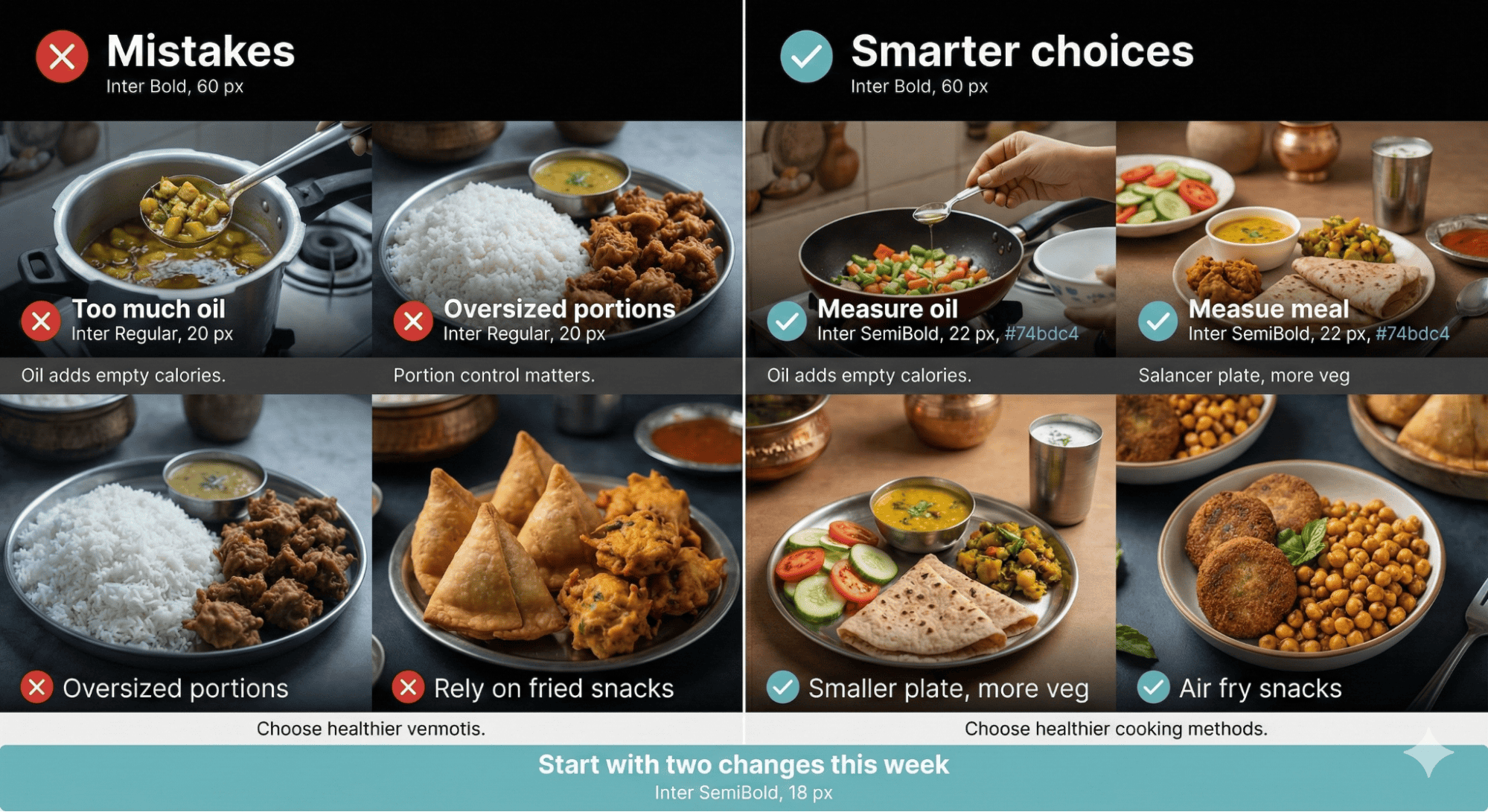
Biggest mistake is making healthy food taste terrible through excessive restriction. Using zero oil makes food unpalatable leading to abandonment. Use moderate amounts (1 to 2 teaspoons per dish) for palatability. Another error is trying too many ingredient substitutes simultaneously overwhelming yourself and family. Additionally, many people don’t measure oil thinking they use little when actually using too much. Moreover, replacing healthy home cooking components with packaged “healthy” alternatives negates benefits. Furthermore, not involving family creates resistance to taste changes. Gradually reduce oil and salt over weeks allowing adaptation. In fact, believing restaurant food is “better” undermines motivation to cook. Restaurant food tastes richer because it has 3 to 4 times more oil and salt than healthy. Therefore, give your palate time adapting to real food flavors rather than expecting instant preference for modifications.
Lifestyle Pitfalls to Watch Out For
Many sabotage healthy Indian cooking through mindset and planning issues. Not meal planning means daily scrambling causing restaurant reliance. Additionally, keeping an understocked kitchen forces unhealthy convenience choices when hungry. Moreover, waiting for perfect conditions like new kitchen equipment delays starting simple improvements now. Furthermore, comparing your basic home cooking to elaborate restaurant presentations creates discourag
ement. Not tracking actual oil usage leads to using more than intended. In fact, giving up after one failed recipe instead of learning from mistakes prevents skill development. Additionally, perfectionism about every meal being elaborate prevents cooking simple nutritious meals. Therefore, address these lifestyle patterns supporting consistent Indian kitchen hacks implementation.
How to Course-Correct When Things Go Wrong
If Indian kitchen hacks feel overwhelming or you’ve abandoned them, simplify strategically. Choose 2 to 3 modifications implementing consistently rather than attempting everything. Therefore, perhaps focus on measuring oil, adding vegetables, and using whole grains. Master these before adding more. Additionally, if family resists taste changes, slow modifications further. Reduce oil by half teaspoon weekly over months for unnoticeable transition. Moreover, keep some meals completely traditional while modifying others creating balance. Furthermore, if time pressure caused abandonment, implement more Indian meal prep strategies. Batch cooking and component prep reduces daily burden significantly. If skills seem lacking, watch cooking videos, take a class, or ask experienced cooks for guidance. Therefore, troubleshoot specific barriers preventing success rather than abandoning healthy Indian cooking entirely.
Frequently Asked Questions
Q1: What is Indian kitchen hacks and how does it affect Indians?
Indian kitchen hacks are practical strategies making traditional Indian cooking healthier through ingredient substitutes, modified cooking methods, and smart portioning without sacrificing flavor or requiring expensive ingredients. These healthy Indian cooking techniques reduce excess oil, salt, and refined carbs while increasing protein, fiber, and nutrients in familiar foods Indians already enjoy eating.
Q2: What are the main cooking method modifications for health?
Modifications include measuring oil (1 to 2 tsp per dish instead of pouring freely), using non-stick pans, steaming or pressure cooking, air-frying or oven-roasting instead of deep frying, and maximizing spices and herbs for flavor. Traditional cooking methods like tempering with minimal oil, dry roasting spices, and fermenting maintain flavor with less fat.
Q3: What ingredient substitutes work best in Indian cooking?
Use whole wheat or millet flour instead of refined flour, brown rice or quinoa instead of white rice, low-fat curd instead of cream, measured oil (1 to 2 tsp) instead of excessive amounts, and homemade spice mixes to control sodium. Oil alternatives like cooking spray and vegetable broth for sautéing reduce calories while maintaining texture in Indian meal prep.
Q4: Can healthy Indian cooking be maintained with busy schedules?
Yes, maintain through Indian meal prep batch cooking dal and grains on weekends, pre-chopping vegetables, using pressure cookers or Instant Pots for faster cooking, and keeping simple, nutritious meals (dal-rice-sabzi) taking 30 minutes. Component prep rather than full meal prep suits Indian cooking preferences while reducing daily burden, supporting consistent, healthy Indian cooking.
Q5: How long does it take to adapt to healthier Indian cooking?
Taste preferences adapt within 2 to 4 weeks of gradually reduced oil and salt, with full adaptation taking 6 to 8 weeks. Cooking skills improve noticeably within 4 to 6 weeks of consistent practice. Health benefits like improved energy and gradual weight loss appear within 2 to 3 weeks of regular healthy Indian cooking implementation.
Conclusion
Indian kitchen hacks empower health-conscious Indians to enjoy traditional foods prepared smarter, not abandoning cultural cuisine for foreign diets that aren’t sustainable. Simple ingredient substitutes like whole grains for refined, measured oil instead of free pouring, and non-stick cooking methods transform nutrition without requiring hours or expensive ingredients. Healthy Indian cooking means dal, sabzi, and rotis optimized for health while maintaining flavors you love. The control over ingredients and portions through home cooking surpasses any restaurant or packaged food solution.
Start this week by implementing one Indian kitchen hack: measure your cooking oil. Most Indians use 3 to 4 times the needed amount without realizing it. Additionally, add an extra vegetable to one meal daily. These two changes alone significantly improve nutrition.
Related Posts