You’ve tried keto, intermittent fasting, GM diet—losing weight temporarily but regaining it plus more. Confusion about sustainable approaches versus quick fixes leaves you frustrated and desperate. Understanding weight loss diet plan versus weight reduction differences plus implementing strategic calorie deficit creates lasting results, not temporary drops followed by rebounds. This guide reveals key differences, which approach suits your goals, and how Indians can achieve sustainable fat loss plan success through proper weight management strategies.
What Is a Weight Loss Diet Plan and Why Indian Dieters Should Care?
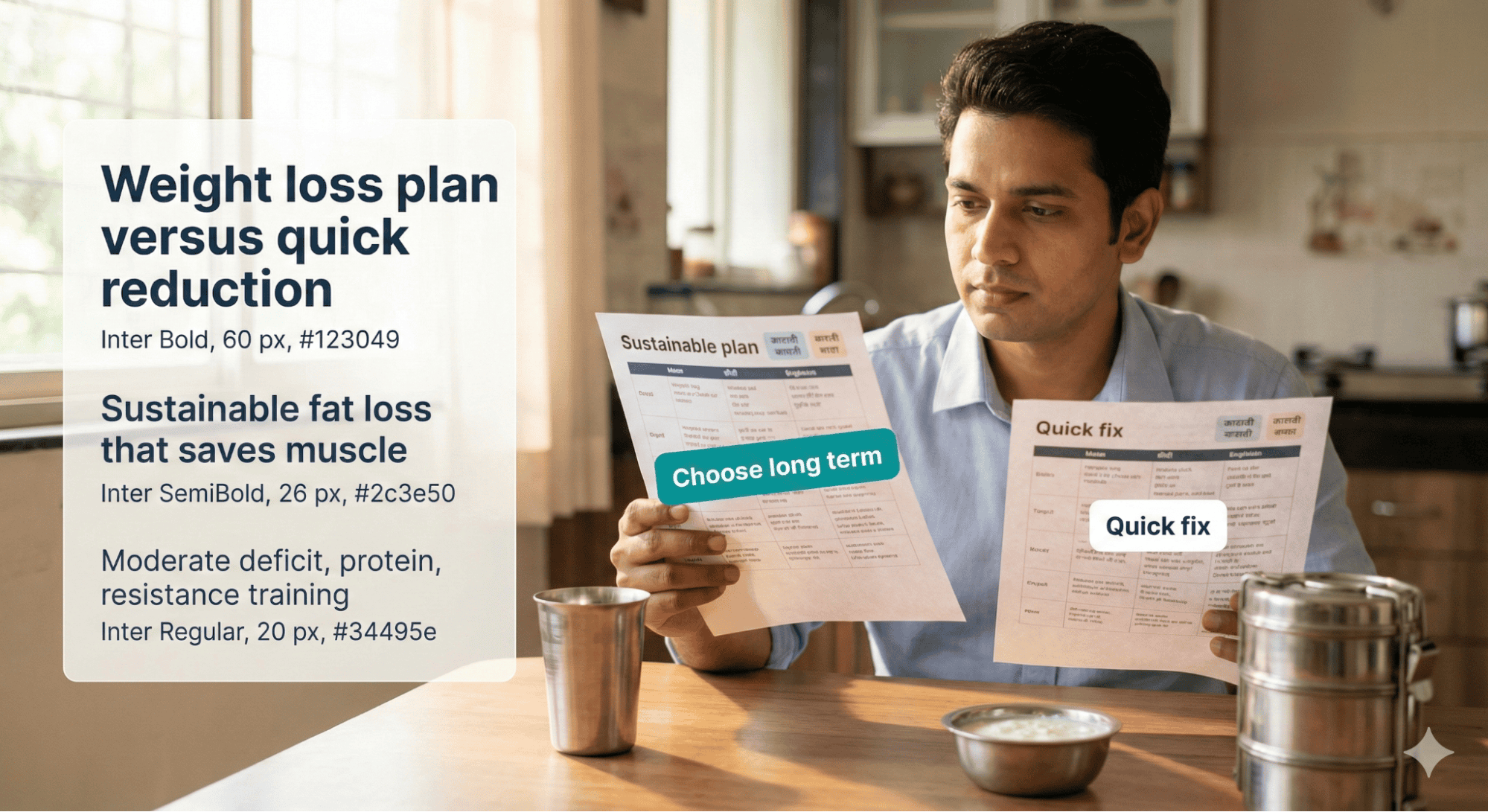
Weight loss diet plan focuses on sustainable fat reduction while preserving muscle through moderate calorie deficit and balanced nutrition. Weight reduction emphasizes rapid scale drops often including water and muscle loss through extreme restriction. Additionally, diet plan comparison shows sustainable approaches prioritize health markers, energy levels, and long-term adherence over just speed. Moreover, fat loss plan targets specifically reducing body fat percentage while maintaining or building muscle for metabolic health. Therefore, choosing appropriate approach determines whether results last or lead to yo-yo cycling and metabolic damage.
Why Weight Matters for Indian Bodies
Indians need appropriate weight loss diet plan due to genetic predisposition storing abdominal fat at lower BMI than other populations. Additionally, Indians develop diabetes and heart disease at younger ages making weight management crucial disease prevention. Moreover, 40% of urban Indians have metabolic syndrome requiring sustainable dieting approaches rather than extreme temporary measures. Furthermore, cultural food patterns and social eating make extreme restriction unrealistic long-term for our population. In fact, calorie deficit through moderate balanced approach works better than aggressive restriction for Indians. Therefore, sustainable strategies suited to Indian lifestyle create better long-term health outcomes.
Common Myths Debunked About This Topic
Let’s clear myths about weight loss diet plan. First, faster isn’t better—losing more than 1 kg weekly typically includes muscle loss damaging metabolism. Second, extreme calorie restriction below 1,200 daily slows metabolism making future weight loss harder. Third, eliminating entire food groups isn’t necessary—balanced moderation works effectively. Fourth, fat loss plan doesn’t require expensive supplements or special foods, just strategic eating patterns. Additionally, you can’t spot reduce fat—overall body fat reduction happens through calorie deficit. Finally, maintaining weight loss requires ongoing effort, not returning to old patterns after reaching goal. Therefore, realistic expectations support sustainable dieting success.
The Science Behind Weight Loss Diet Plan for Indians
How Weight Works in Your Body
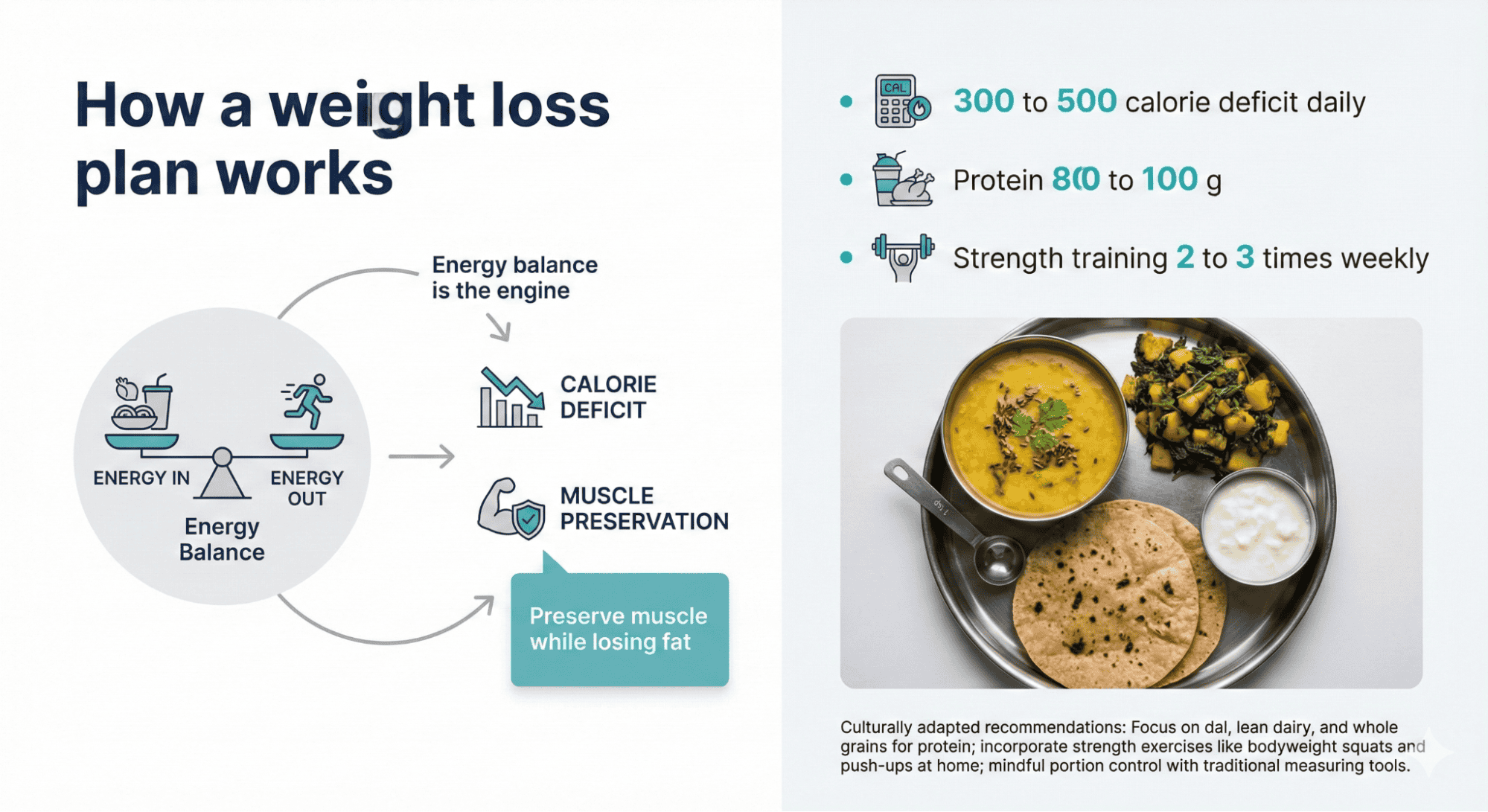
Weight loss diet plan creates results through energy balance—consuming fewer calories than body burns forces fat stores breakdown for energy. Additionally, moderate calorie deficit of 300-500 daily produces 0.5-1 kg weekly loss preserving muscle and metabolism. Moreover, protein intake 80-100g daily during deficit prevents muscle loss maintaining metabolic rate. Furthermore, resistance training signals body to preserve muscle while losing fat improving body composition beyond just scale numbers. Hormones including insulin, cortisol, and thyroid regulate fat storage and burning influenced by diet quality, stress, and sleep. Therefore, comprehensive approach addressing multiple factors optimizes fat loss plan effectiveness.
The Connection Between Diet Plan Comparison and Health
Diet plan comparison reveals sustainable approaches improve health markers while extreme restriction often worsens them despite temporary weight loss. Balanced weight loss diet plan reduces blood sugar, cholesterol, and blood pressure supporting cardiovascular health. Additionally, moderate deficit maintains energy levels, mood stability, and cognitive function unlike extreme restriction causing fatigue and brain fog. Moreover, sustainable dieting preserves lean muscle mass crucial for long-term metabolic health and functional strength. Furthermore, gradual approach allows habit formation creating lifestyle changes rather than temporary willpower-driven restriction. Research shows slow steady loss maintains results better than rapid drops. Therefore, weight management prioritizing health over speed creates lasting transformation.
What Research Shows for Indian Population
Research on weight loss diet plan for Indians shows concerning patterns but promising solutions. Studies reveal Indians attempting extreme diets experience 95% regain rates within 2 years due to metabolic adaptation and unsustainability. Additionally, research demonstrates Indians implementing moderate calorie deficit with adequate protein show superior long-term success maintaining 70% of weight loss at 2 years. Moreover, studies indicate Indians benefit particularly from high-protein approaches preserving muscle during deficit given genetic tendency toward sarcopenic obesity. Furthermore, research shows culturally-adapted sustainable dieting incorporating traditional foods improves adherence by 60% compared to Western diet templates. Therefore, evidence supports moderate balanced approach designed for Indian context over extreme temporary measures.
Fat Loss Plan: What to Watch For
Physical Signs and Symptoms to Monitor
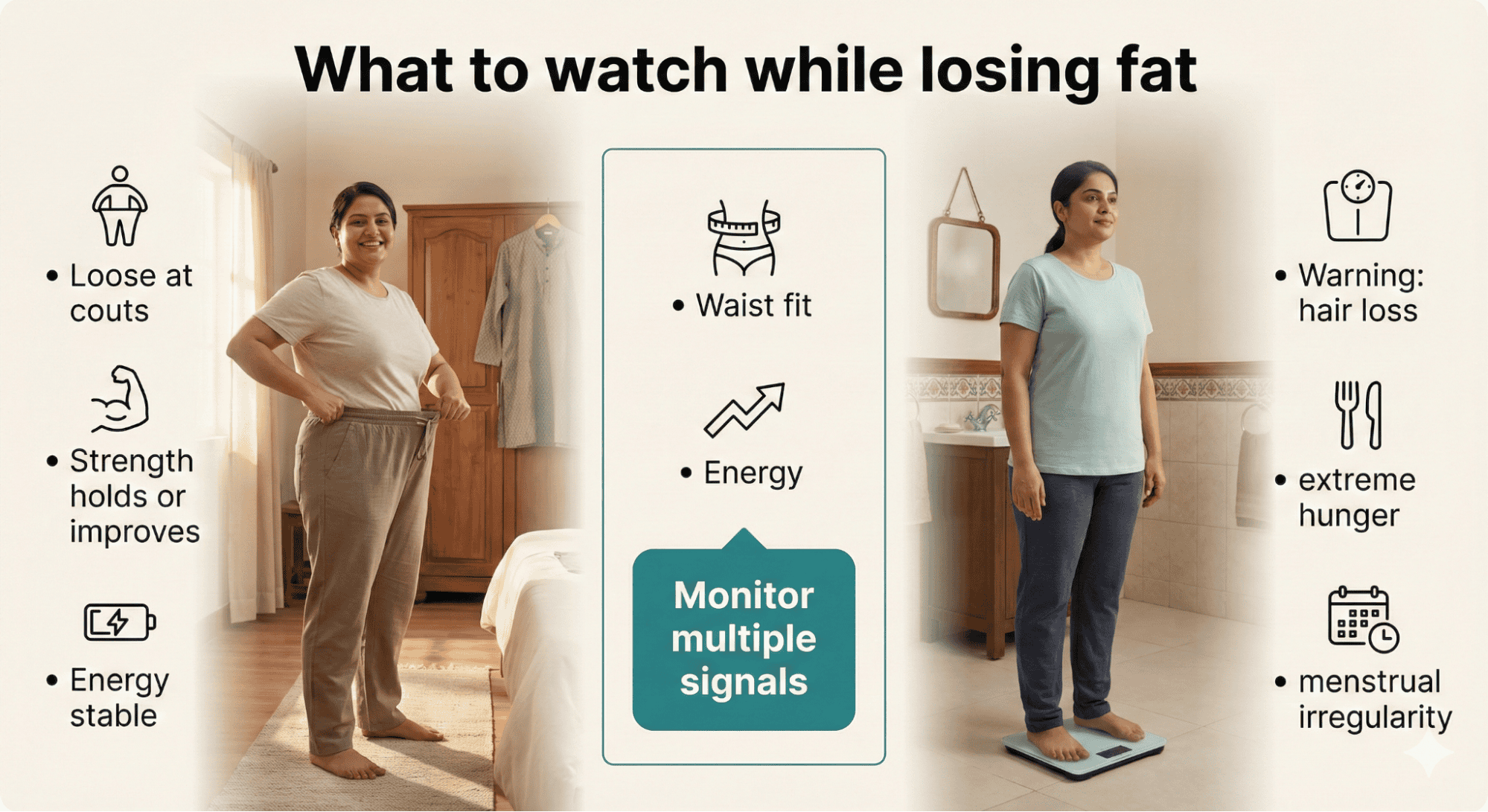
Fat loss plan effectiveness shows through body composition changes beyond just scale weight. Watch for clothes fitting more loosely around waist and hips indicating fat loss even when scale plateaus. Additionally, increased energy without afternoon crashes suggests adequate nutrition supporting metabolism during calorie deficit. Moreover, maintaining or improving strength during workouts indicates muscle preservation essential for sustainable results. Furthermore, regular menstrual cycles for women show adequate calorie and fat intake supporting hormonal health. However, warning signs include extreme fatigue, constant hunger, hair loss, or menstrual disruption suggesting excessive restriction requiring adjustment. Therefore, monitoring multiple indicators guides safe effective weight loss diet plan implementation.
Emotional and Mental Health Indicators
Sustainable dieting should improve mental health, not create obsession or anxiety around food. You should feel energized and capable, not deprived and miserable constantly. Additionally, food relationship should feel balanced without extreme restriction or guilt after eating enjoyable foods. Moreover, motivation should remain stable from seeing sustainable progress rather than dramatic initial drops followed by plateaus. Furthermore, social situations shouldn’t create anxiety or require isolating from family and cultural events. However, watch for obsessive food thoughts, extreme guilt after minor deviations, or social withdrawal indicating unhealthy patterns. Therefore, mental health improvements validate weight management approach supports overall wellbeing.
When to Consult a Healthcare Professional
Consult doctors before starting weight loss diet plan if you have diabetes, heart disease, or metabolic conditions requiring medical supervision during calorie restriction. Additionally, see professionals if you have 20+ kg to lose requiring long-term structured approach with monitoring. Moreover, if implementing calorie deficit consistently for 3 months without any weight or measurement changes, medical evaluation ensures no thyroid, hormonal, or metabolic issues. Work with registered dietitians creating personalized fat loss plan addressing specific health conditions, preferences, and lifestyle constraints. Furthermore, if experiencing disordered eating patterns or extreme anxiety around food, mental health professionals provide necessary support. Therefore, professional guidance optimizes safe effective sustainable dieting implementation.
Indian Lifestyle Factors Affecting Weight Loss Diet Plan
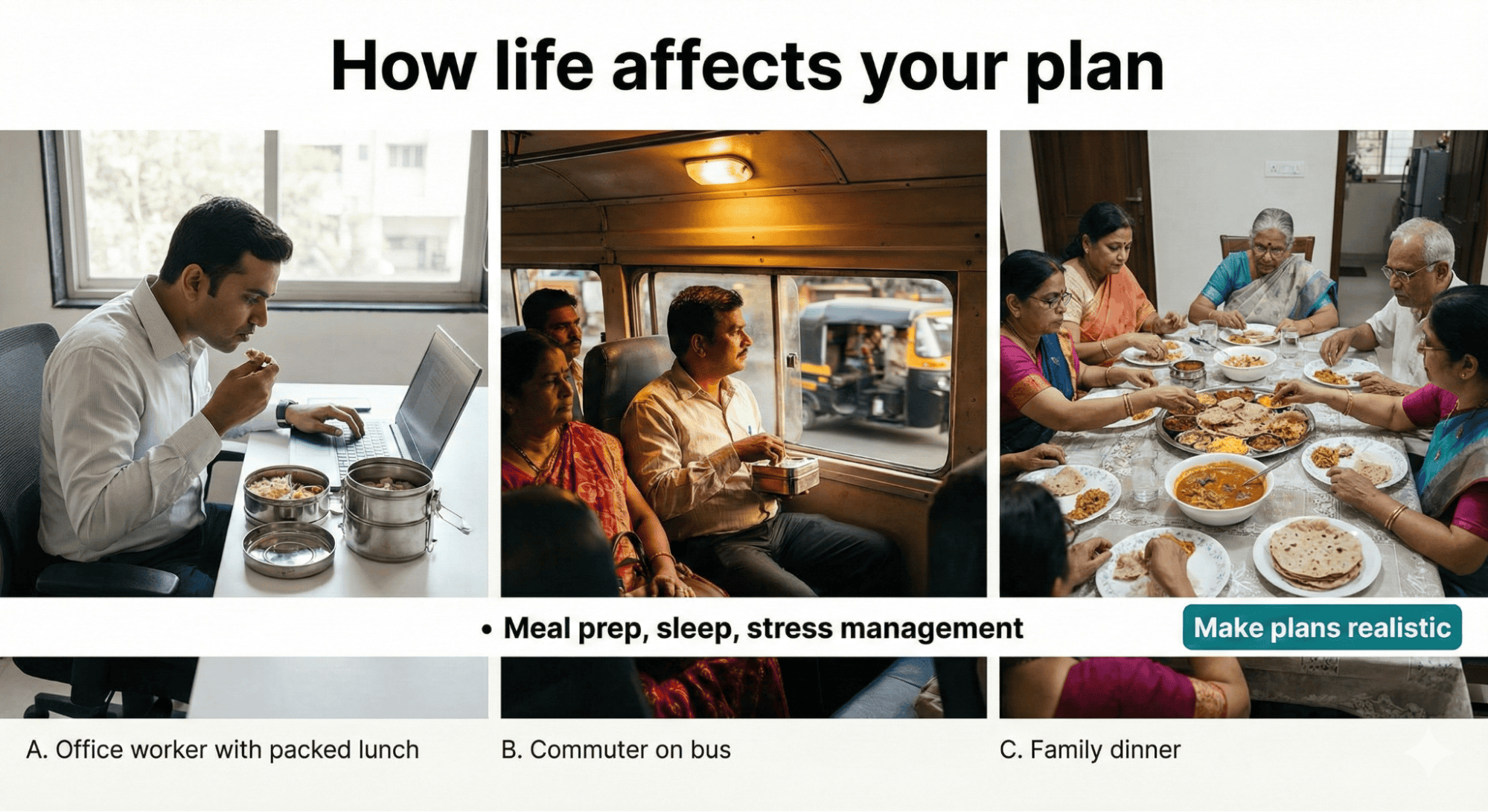
Modern Indian Diet Challenges and Solutions
Modern Indian dietary patterns create barriers to weight loss diet plan success. High-carb staples like white rice and refined wheat spike insulin promoting fat storage particularly problematic for Indians. Additionally, excessive oil use in cooking adds 200-300 hidden calories daily without satiety. Moreover, constant chai with sugar, packaged snacks, and late heavy dinners sabotage calorie deficit efforts. Solutions include portion control using hand measures, switching to whole grains, measuring oil to 2 tablespoons daily, and making lunch largest meal. Therefore, strategic Indian diet modifications support rather than sabotage fat loss plan goals.
Work-Life Balance and Urban Living Impact
Urban professional lifestyle challenges sustainable dieting through long work hours, stress, and limited time for meal preparation. Additionally, high stress elevates cortisol promoting abdominal fat storage and emotional eating. Moreover, inadequate sleep disrupts hunger hormones increasing appetite by 300-500 calories daily. Furthermore, social drinking and client dinners create regular calorie surplus opportunities. Solutions include meal prep on weekends, establishing eating schedule, prioritizing 7-8 hours sleep, and active stress management. Therefore, lifestyle optimization supports dietary changes for weight management success.
Cultural and Social Influences on Health
Indian cultural factors create both challenges and opportunities for weight loss diet plan. Food-centered celebrations make refusing offerings socially difficult without appearing rude. Additionally, family obligations leave minimal time for self-care activities. Moreover, cultural pressure equating food with love makes portion control emotionally challenging. Solutions include educating family about health goals gaining support, strategic planning for social events allowing moderate participation, and reframing health as responsibility not vanity. Therefore, navigating culture thoughtfully makes sustainable dieting realistic long-term.
Best Indian Foods for Weight Loss Diet Plan Management
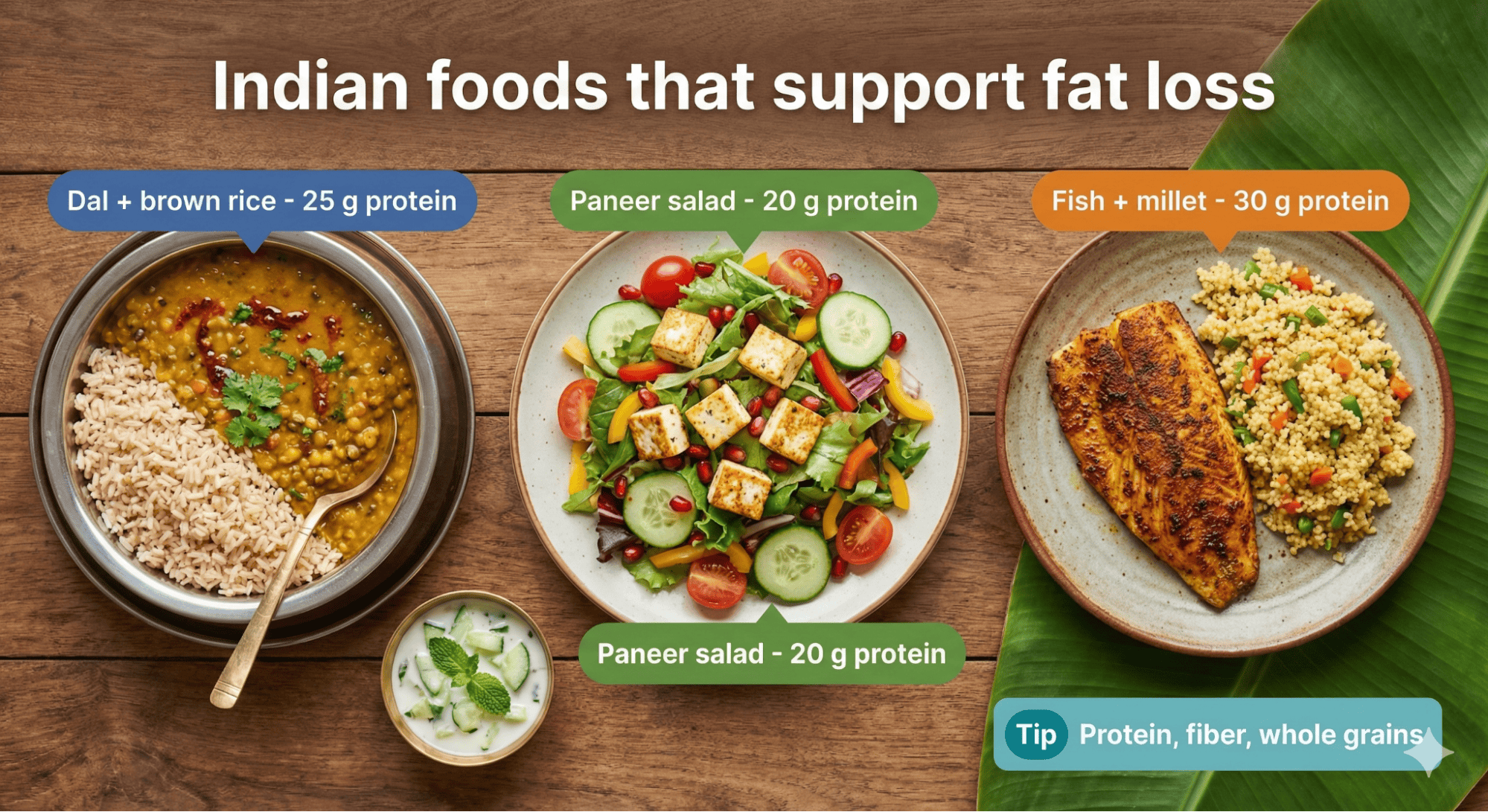
Traditional Indian Foods That Support Calorie Deficit
Strategic Indian foods support calorie deficit without requiring unfamiliar expensive imports. Protein sources include dal providing 15-20g per cup, paneer with 14g per 100g, eggs containing 6g each, and chicken offering 25-30g per 100g. Additionally, whole grains like brown rice, bajra, and jowar provide sustained energy without insulin spikes. Moreover, vegetables particularly leafy greens add volume and nutrients with minimal calories. Furthermore, healthy fats from nuts and seeds support satiety and hormone production. Therefore, traditional foods provide complete nutrition supporting fat loss plan effectively.
Modern Indian Meal Options and Healthy Recipes
Create satisfying meals supporting weight loss diet plan through strategic combinations. Breakfast should include protein: moong dal cheela, eggs, or paneer with whole grains and vegetables. Additionally, lunch needs adequate protein from dal plus chicken or paneer, controlled grain portions, and generous vegetables. Moreover, dinner should emphasize protein and vegetables with minimal grains eaten by 8 PM. Healthy snacks include roasted chana, nuts, curd with fruit, or vegetables with hummus preventing extreme hunger. Therefore, balanced meals create calorie deficit without constant deprivation or hunger.
Foods to Limit or Avoid for Better Results
Certain foods sabotage sustainable dieting despite being Indian staples. Fried foods like pakoras and samosas add 200-300 calories without satiety. Additionally, sweets contain concentrated sugar and fat providing 300-500 calories per small portion. Moreover, sugary beverages including chai with sugar add liquid calories without fullness. Furthermore, refined carbs spike insulin promoting fat storage. Excessive alcohol adds empty calories and impairs fat burning. Therefore, limiting these foods allows calorie deficit creation through nutrient-dense alternatives supporting weight management.
Portion Sizes and Meal Timing for Indians
Strategic portions and timing optimize fat loss plan effectiveness. Use hand portions: palm-size protein, fist-size carbs, two fists vegetables, thumb-size fats. Additionally, eat three meals with 4-5 hours between preventing constant snacking. Moreover, make lunch largest meal when metabolism peaks and dinner smallest by 8 PM. Include adequate protein at each meal supporting satiety and muscle preservation during calorie deficit. Furthermore, establish consistent eating schedule regulating hunger hormones naturally. Therefore, appropriate portions and timing support weight loss diet plan adherence and results.
Lifestyle Changes to Support Weight Loss Diet Plan
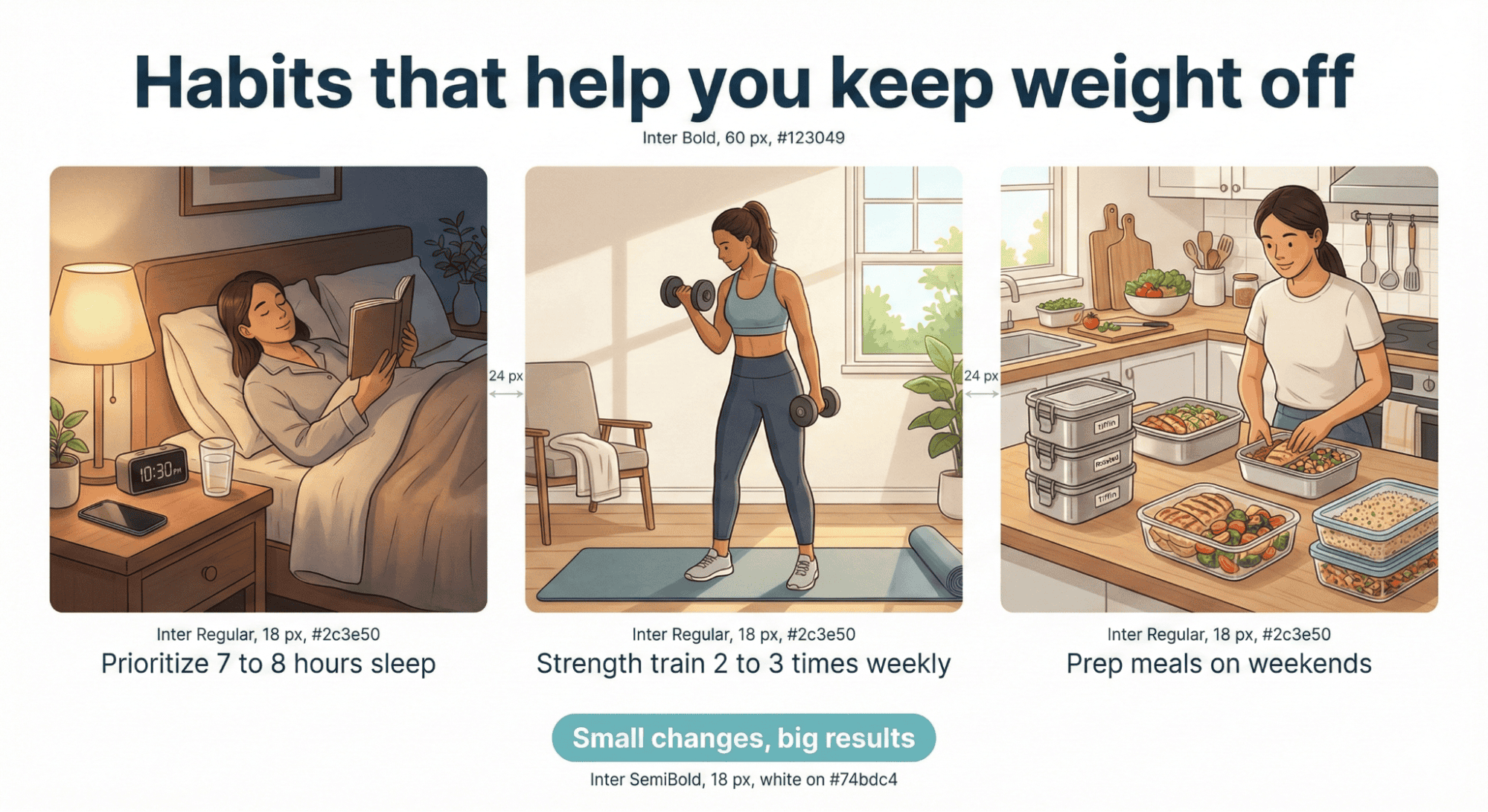
Sustainable Dieting: The Right Approach for Indians
Implementing effective sustainable dieting requires progressive realistic approach. Week 1-4: Create 300-500 daily calorie deficit through portion control and oil reduction establishing foundation. Additionally, increase protein to 80-100g daily supporting muscle preservation. Week 5-8: Add strength training 2-3 times weekly signaling muscle maintenance during deficit. Moreover, refine meal timing making lunch largest and dinner smallest. Week 9-12: Establish sustainable routine with occasional treats preventing feelings of deprivation. Therefore, gradual implementation creates lasting weight management habits rather than temporary willpower-driven restriction.
Sleep and Stress Management Strategies
Sleep and stress profoundly affect weight loss diet plan success. Inadequate sleep increases hunger hormones causing 300-500 extra daily calories. Additionally, poor sleep impairs insulin sensitivity promoting fat storage particularly dangerous for Indians. Moreover, chronic stress elevates cortisol promoting abdominal fat accumulation. Solutions include prioritizing 7-8 hours quality sleep, establishing bedtime routine, and practicing daily stress management through meditation or yoga. Therefore, lifestyle optimization supports dietary changes for fat loss plan effectiveness.
Daily Habits That Make a Real Difference
Small consistent habits optimize sustainable dieting long-term. Track food intake for 2 weeks building awareness without judgment. Additionally, meal prep on weekends ensuring convenient healthy options during busy weekdays. Moreover, weigh weekly at consistent time tracking overall trends not daily fluctuations. Furthermore, take measurements and photos documenting progress beyond just scale. Find accountability through friends, family, or community providing support. Therefore, these habits create environment supporting weight management success and adherence.
Your 7-Day Weight Loss Diet Plan Management Meal Plan
| Day | Breakfast | Lunch | Evening Snack | Dinner |
| Day 1 | Moong dal cheela (2) + paneer + curd + banana | Brown rice (1 katori) + dal + chicken curry + vegetables + salad | Roasted chana + green tea | 2 small rotis + dal + mixed vegetables + raita |
| Day 2 | Vegetable poha + peanuts + 2 boiled eggs + milk | 2 whole wheat rotis + chana dal + palak paneer + cucumber salad | Greek yogurt + berries | Grilled chicken + large salad + 1 bajra roti |
| Day 3 | Oats in milk + almonds + scrambled eggs + apple | Quinoa + dal + fish tikka + steamed vegetables | Handful of nuts + fruit | Egg curry + vegetable khichdi + curd |
| Day 4 | Idli (3) + sambhar + egg bhurji + coconut chutney | Brown rice + sambhar + chicken + vegetable poriyal | Roasted makhana + buttermilk | Dal soup + vegetables + 1 small roti |
| Day 5 | Besan cheela + vegetables + curd + walnuts | 2 bajra rotis + dal + paneer curry + mixed vegetables | Sprout salad + lemon | Fish curry + beans sabzi + brown rice (1/2 katori) |
| Day 6 | Wheat toast + peanut butter + boiled eggs + milk | Brown rice + rajma + spinach sabzi + raita + salad | Cucumber sticks + hummus | Chicken soup + vegetables + 1 roti |
| Day 7 | Vegetable upma + cashews + 2 eggs + curd + fruit | 2 rotis + dal + mixed vegetables + paneer + salad | Curd + seasonal fruit | Paneer tikka + vegetable soup + leafy greens |
Note: Each day provides 1,400-1,600 calories for women, 1,600-1,800 for men creating moderate calorie deficit. Adequate protein 80-100g daily supports muscle preservation during fat loss plan. Adjust portions based on individual needs and activity levels for sustainable weight management.
Common Mistakes Indians Make with Weight Loss Diet Plan
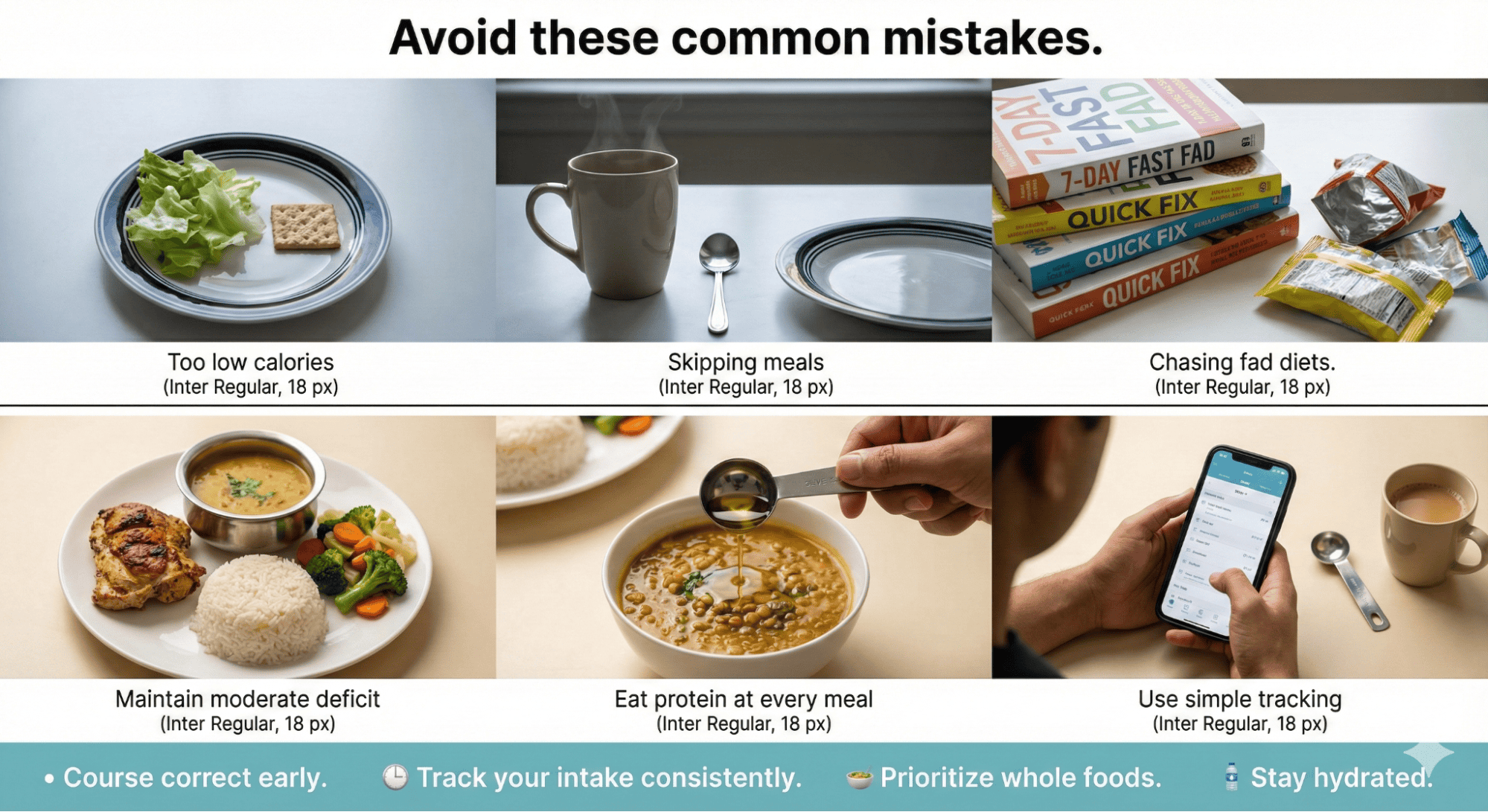
Diet Mistakes That Sabotage Progress
Biggest mistake is extreme calorie restriction below 1,200 daily slowing metabolism and causing muscle loss. Additionally, inadequate protein averaging 40-50g daily fails to preserve muscle during calorie deficit. Moreover, eliminating entire food groups creates unsustainable restriction leading to eventual abandonment. Furthermore, not planning meals leads to desperate poor choices sabotaging weight loss diet plan. Expecting 2-3 kg weekly loss when healthy rate is 0.5-1 kg creates discouragement. Therefore, moderate balanced approach beats extreme restriction for sustainable dieting success.
Lifestyle Pitfalls to Watch Out For
Many sabotage fat loss plan through implementation errors despite good intentions. All-or-nothing thinking where one deviation spirals into complete abandonment prevents building habits. Additionally, comparing yourself to others creates unrealistic expectations about normal progress. Moreover, not tracking progress beyond scale misses non-scale victories validating efforts. Furthermore, inadequate sleep and unmanaged stress undermine dietary efforts continuously. Not establishing support system increases isolation and difficulty. Therefore, realistic expectations and comprehensive approach prevent common pitfalls derailing weight management efforts.
How to Course-Correct When Things Go Wrong
If weight loss diet plan hasn’t produced results after 12 weeks, troubleshoot systematically. Verify you’re actually in calorie deficit by tracking intake accurately for one week. Additionally, ensure adequate protein 80-100g daily supporting muscle preservation. Moreover, check if stress, inadequate sleep, or medications are undermining efforts. Furthermore, assess whether calorie needs changed requiring further deficit adjustment. If genuinely consistent without results, medical evaluation ensures no underlying issues. Therefore, honest evaluation identifies whether implementation problems or underlying conditions prevent sustainable dieting success.
Frequently Asked Questions
Q1: What is weight loss diet plan and how does it affect Indians?
Weight loss diet plan emphasizes sustainable fat reduction through moderate calorie deficit, adequate protein, and balanced nutrition preserving muscle and metabolism. Indians benefit from this approach given genetic predisposition to metabolic issues requiring sustainable strategies rather than extreme temporary restriction creating yo-yo cycling and metabolic damage common with quick-fix approaches.
Q2: What are the main signs of weight issues?
Signs include stubborn belly fat despite diet efforts, low energy and constant fatigue, difficulty losing weight with previous successful methods, clothes fitting tighter around waist, elevated blood sugar or cholesterol, and metabolic syndrome symptoms. Multiple indicators together suggest need for proper fat loss plan addressing underlying metabolic health through sustainable dieting rather than just calorie restriction.
Q3: What foods should Indians eat for better weight loss diet plan?
Eat adequate protein 80-100g daily from dal, paneer, eggs, chicken supporting muscle and satiety, whole grains in controlled portions like brown rice and bajra, generous vegetables filling half plate, healthy fats from nuts and seeds. Strategic portions and timing create calorie deficit while providing complete nutrition supporting weight management and metabolic health.
Q4: Can weight be managed naturally?
Yes, through moderate calorie deficit of 300-500 daily via portion control and food quality improvements, adequate protein preserving muscle, strength training 2-3 times weekly, 7-8 hours quality sleep, and active stress management. Natural sustainable dieting approaches restore metabolic health while creating lasting results unlike extreme restriction causing rebound weight gain.
Q5: How long does it take to see results with weight loss diet plan changes?
Initial water weight loss appears within 1 week. True fat loss becomes noticeable at 2-3 weeks with 1-2 kg lost. Visible body composition changes appear at 8-12 weeks with 4-6 kg lost. Sustainable dieting requires 3-6 months losing 6-12 kg through consistent weight loss diet plan implementation creating lasting transformation and habit formation.
Conclusion
A weight-loss diet plan, versus weight reduction, offers a sustainable approach that prioritises fat loss while preserving muscle through a moderate calorie deficit, creating lasting results rather than the temporary drops followed by rebound seen with extreme restriction. For Indians facing genetic metabolic susceptibility, implementing balanced, sustainable diet with adequate protein, whole grains, generous vegetables, and strategic timing produces 0.5-1 kg weekly loss maintaining results long-term. Managing weight isn’t about perfection, it’s about consistent small changes creating calorie deficit while supporting metabolic health and building sustainable habits.
Start this week by tracking current intake for 3 days to build awareness without judgment. Additionally, increase daily protein by adding one serving of dal or eggs to meals you already eat. Reduce oil to 2 tablespoons daily and make lunch your largest meal.
Related Posts