You’ve been walking daily and eating well, yet your body looks soft and undefined. Your friend lifts weights twice weekly and has visible muscle tone you envy. Wondering how strength conditioning transforms bodies while you struggle despite consistent cardio? Understanding resistance training and implementing strategic progressive overload creates the lean, strong physique and metabolic boost that cardio alone cannot deliver. This guide explains how Indians can build muscle to support sustainable weight loss and a comprehensive health transformation.
What Is Strength Conditioning and Why Indian Dieters Should Care?
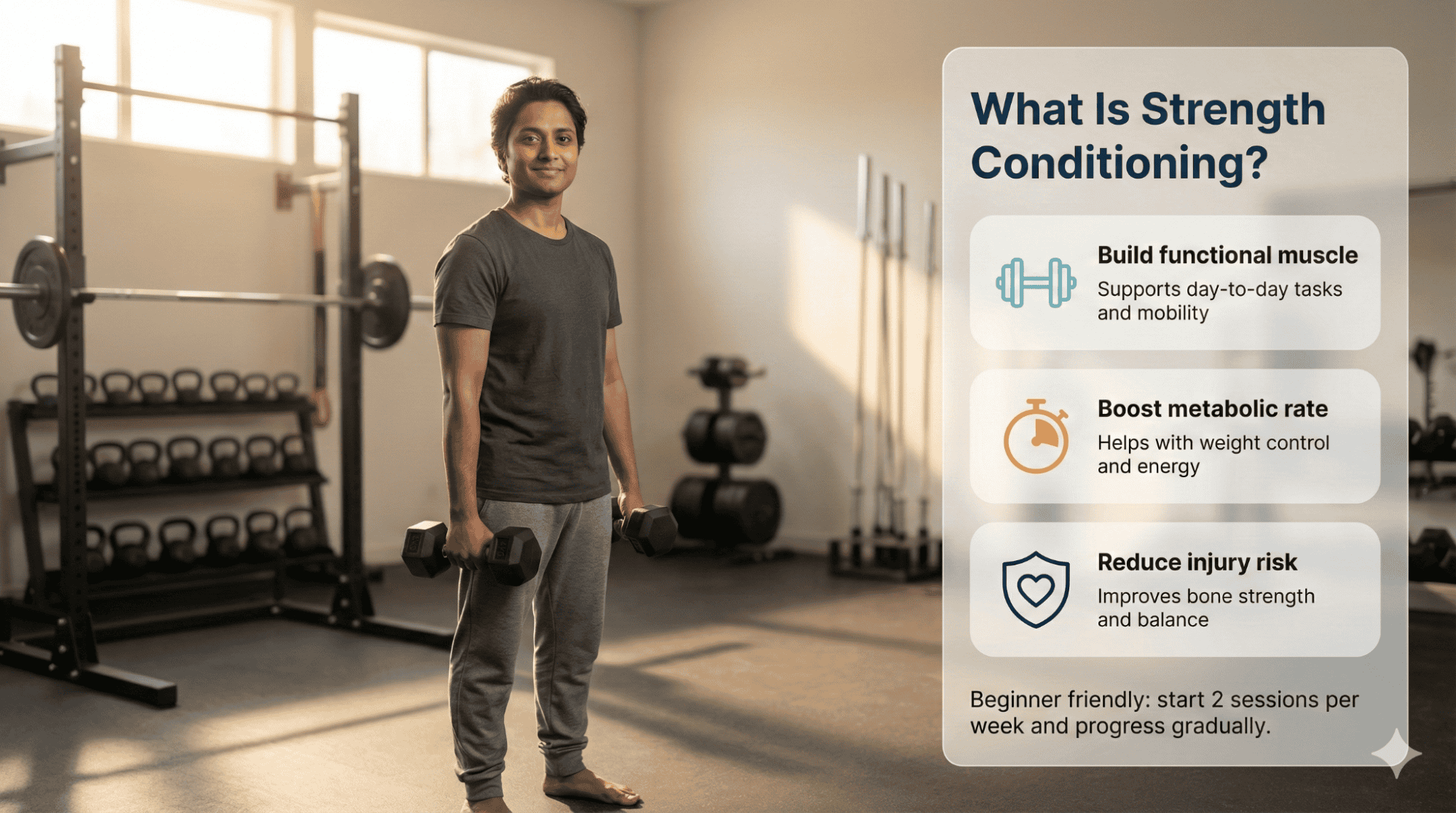
Strength conditioning involves systematic resistance training with weights, bands, or bodyweight, creating muscular tension and driving adaptations. Your muscles respond to progressive challenges by growing stronger and larger through protein synthesis. Additionally, building muscle increases resting metabolism, burning more calories 24/7, unlike cardio, which burns calories only during activity. Moreover, functional fitness from strength training improves daily activities, making tasks such as carrying groceries, climbing stairs, and playing with children easier. Therefore, strength training provides benefits that extend far beyond appearance changes.
Why Strength Matters for Indian Bodies
Indians need strength conditioning due to genetic predisposition toward sarcopenic obesity, high body fat with low muscle mass, creating metabolic dysfunction. Additionally, sedentary lifestyles cause Indians to lose muscle mass starting in their 30s, with the rate accelerating with age. Moreover, low muscle mass contributes to insulin resistance, affecting 40% of urban Indians despite normal weight. Furthermore, resistance training increases bone density, which is crucial for Indian women at high risk of osteoporosis. In fact, strength training benefits include a 7-10% boost in metabolism, helping Indians overcome genetic tendencies toward fat storage. Therefore, building muscle becomes essential for Indian metabolic health beyond aesthetics.
Common Myths Debunked About This Topic
Let’s clear myths about strength conditioning. First, women won’t get bulky from weightlifting. Building significant muscle requires years of dedicated training and high testosterone. Second, you don’t need expensive gym memberships; bodyweight exercises and basic equipment work effectively. Third, strength training doesn’t make you stiff; proper training improves flexibility and mobility. Fourth, older adults aren’t too old to start resistance training, which can benefit people into their 80s.
Additionally, you don’t need to spend hours daily; 30-45 minutes three times per week produces excellent results. Finally, cardio isn’t superior for fat loss; building muscle provides a stronger long-term metabolic boost. Therefore, strength training suits everyone regardless of age, gender, or fitness level.
The Science Behind Strength Conditioning for Indians
How Strength Works in Your Body
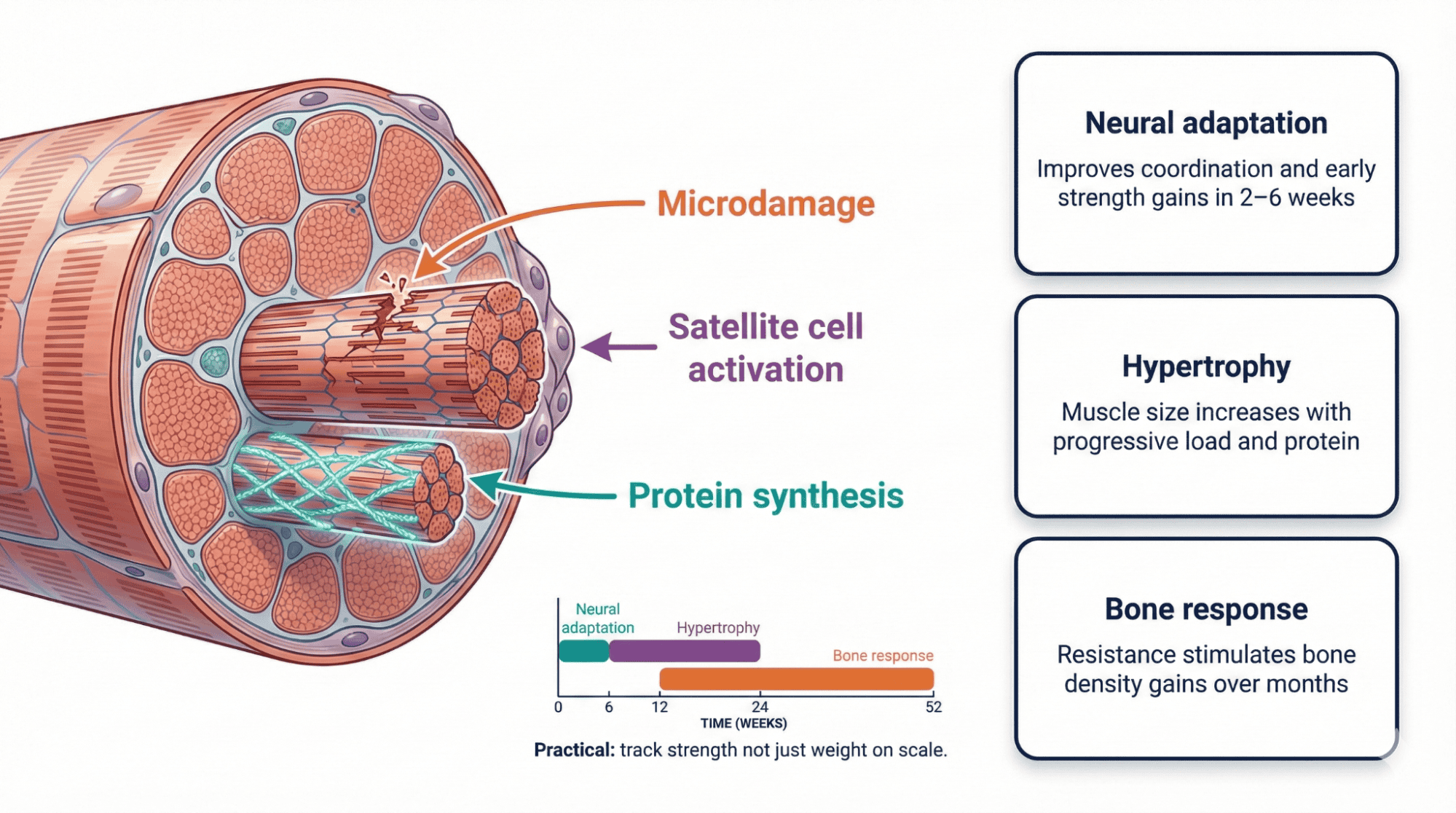
Strength conditioning creates adaptations through mechanical tension, muscle damage, and metabolic stress, stimulating protein synthesis. When lifting challenging weights, muscle fibers experience microscopic tears, triggering repair processes that build them back stronger and larger. Additionally, nervous system adaptations improve muscle fiber recruitment, allowing you to generate more force over time.
Moreover, building muscle increases mitochondrial density, improving energy production and metabolic efficiency. Furthermore, resistance training improves insulin sensitivity, enabling better blood sugar control, which is crucial for diabetes-prone Indians. Therefore, systematic progressive overload leads to comprehensive physiological improvements beyond just larger muscles.
The Connection Between Resistance Training and Health
Resistance training affects virtually every health aspect, providing benefits beyond cardiovascular exercise alone. Strength work reduces all-cause mortality risk by 20-30% through metabolic improvements and injury prevention. Additionally, strength training benefits include improved bone density and a 30-40% reduction in fracture risk, which is particularly important for aging Indians.
Moreover, muscle mass preservation prevents age-related metabolic decline, maintaining calorie-burning capacity into older age. Furthermore, strength training improves mental health, reducing depression and anxiety while boosting confidence and body image. Therefore, functional fitness from strength training provides comprehensive health benefits that extend life span and health span.
What Research Shows for the Indian Population
Research on strength conditioning among Indians reveals concerning patterns of muscle loss but promising intervention results. Studies show Indians are losing muscle mass 30% faster than Western populations due to genetic factors and sedentary lifestyles. Additionally, research shows that Indians who begin resistance training show significant improvements in insulin sensitivity, body composition, and metabolic markers within 12 weeks.
Moreover, studies indicate that bodyweight and basic resistance exercises work as effectively as sophisticated gym equipment for Indian beginners. Furthermore, research shows that Indian women, in particular, benefit from strength training, improving bone density and substantially reducing osteoporosis risk. Therefore, accessible strength-training approaches deliver measurable health improvements for our population.
Strength Training Benefits: What to Watch For
Physical Signs and Symptoms to Monitor
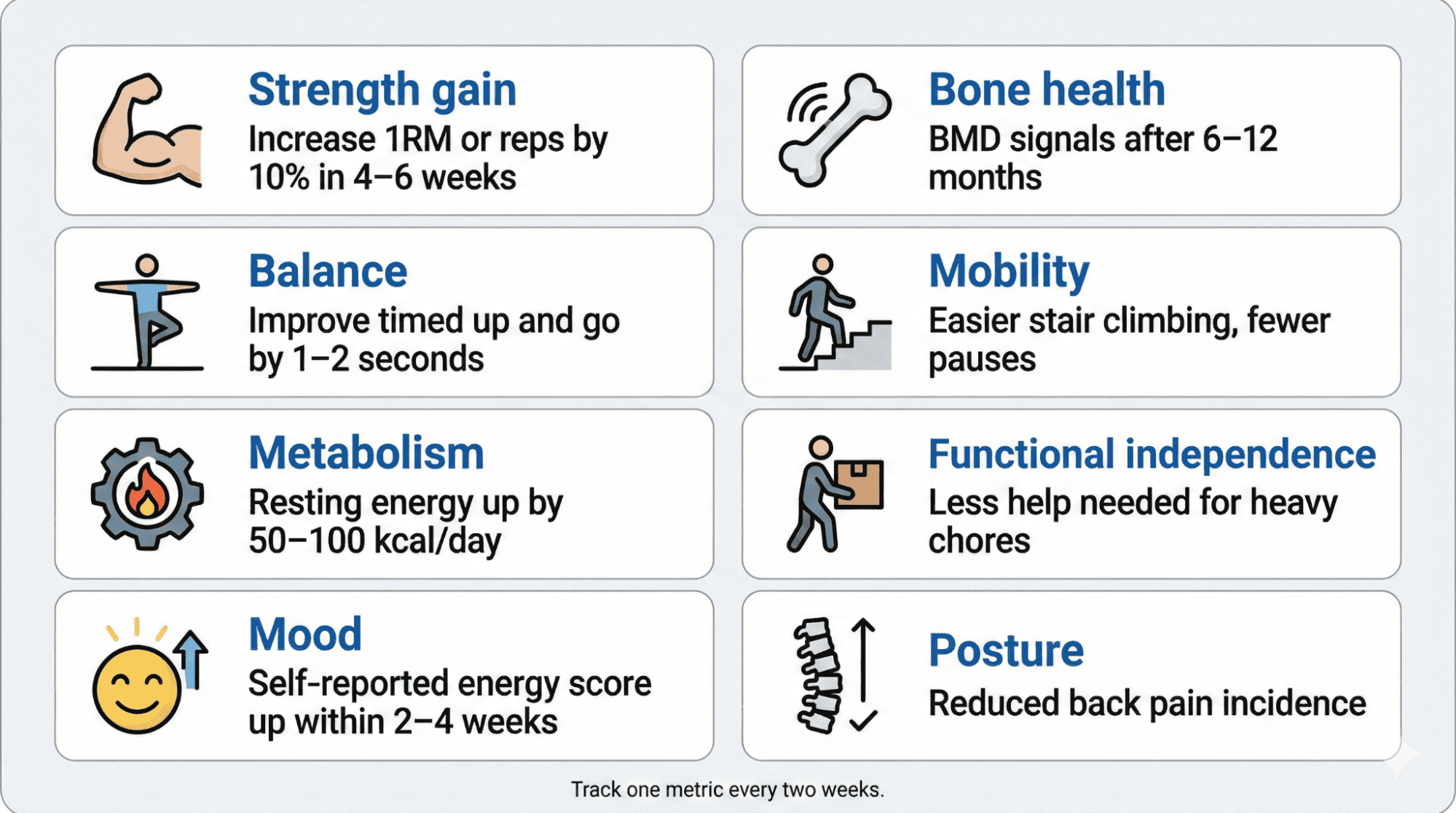
Strength training benefits are evident in changes beyond muscle size. Initial signs include improved posture and reduced back pain within 2-3 weeks of core strengthening. Additionally, everyday activities such as carrying bags or climbing stairs become noticeably easier, indicating functional fitness improvements. Moreover, visible muscle definition appears around 8-12 weeks with consistent training and adequate protein.
Furthermore, increased energy throughout the day indicates improved metabolic health, likely due to muscle building. Watch for gradual strength gains when lifting heavier weights or completing more repetitions, confirming the effectiveness of progressive overload. Therefore, multiple indicators beyond scale weight demonstrate successful strength conditioning implementation.
Emotional and Mental Health Indicators
Resistance training profoundly affects mental health through multiple mechanisms beyond physical changes. Achieving strength goals builds confidence and self-efficacy, which transfer to other areas of life. Additionally, strength training reduces anxiety and depression as effectively as cardio through endorphin release and stress hormone regulation. Moreover, visible progress provides motivation and a sense of control over the body and health.
Furthermore, improved body image from building muscle enhances overall well-being regardless of scale weight. However, watch for obsessive training or body dysmorphia requiring professional mental health support. Therefore, mental health improvements validate strength conditioning supports comprehensive wellbeing beyond just physical transformation.
When to Consult a Healthcare Professional
Consult doctors before starting strength conditioning if you have joint problems, previous injuries, or chronic conditions requiring exercise modifications. Additionally, work with certified trainers to initially learn proper form and prevent injuries from incorrect technique, which is particularly important for beginners. Moreover, see a physical therapist if experiencing persistent pain beyond normal muscle soreness, suggesting potential injury.
Furthermore, if resistance training is implemented consistently without strength gains for 3+ months, evaluation should ensure there are no underlying issues preventing progress. Therefore, professional guidance optimizes safe, effective strength training benefits while preventing complications from improper implementation.
Indian Lifestyle Factors Affecting Strength Conditioning
Modern Indian Diet Challenges and Solutions
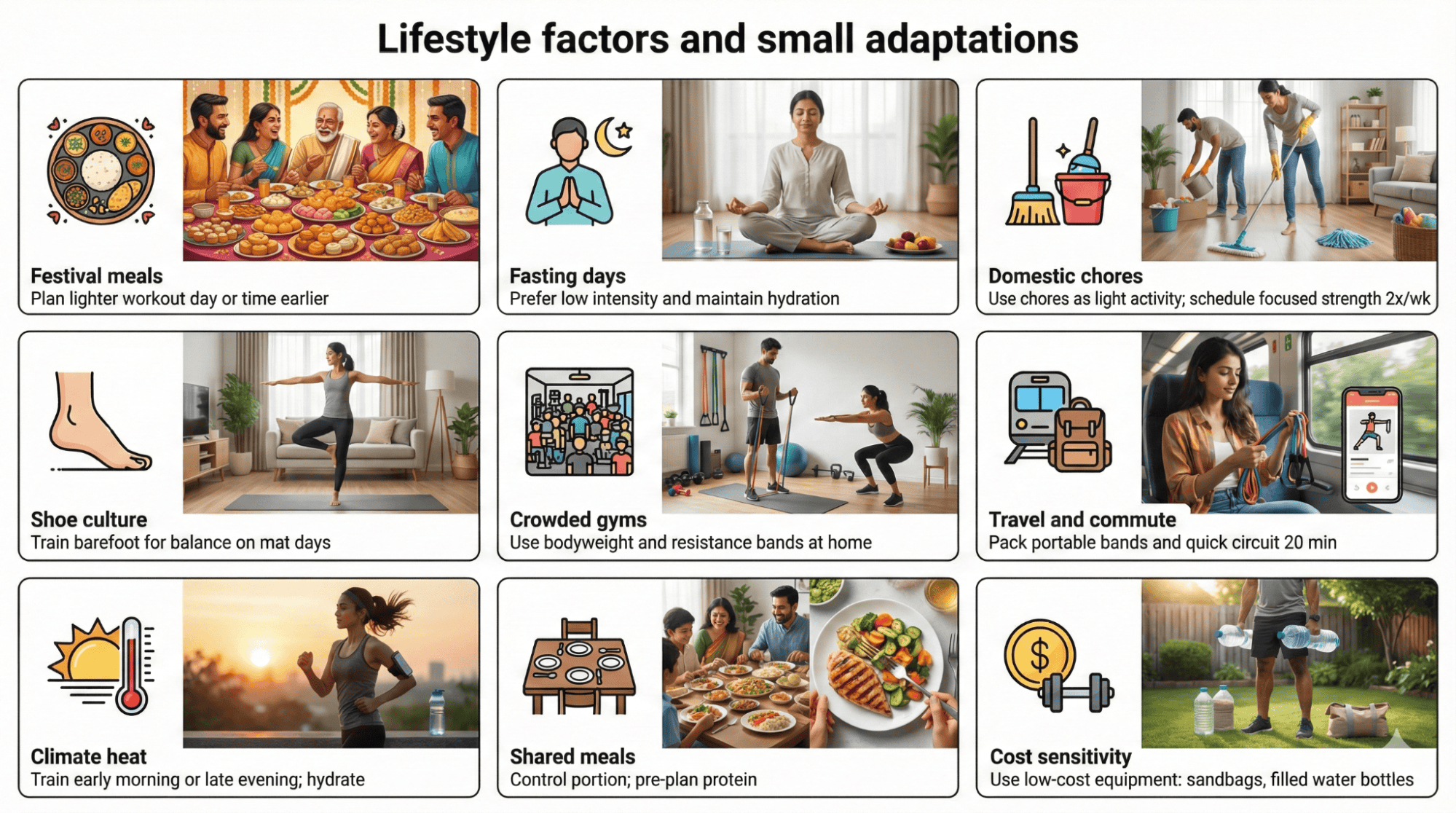
Modern Indian diets often lack adequate protein, which is crucial for building muscle through resistance training. Vegetarian Indians average 30-40g of daily protein when needing 80-100g for optimal muscle growth and recovery. Additionally, excessive carbs from rice and wheat without adequate protein creates unfavorable muscle-building environment.
Moreover, inadequate overall calories from restrictive dieting prevent muscle growth despite training. Solutions include increasing protein with dal at both meals, adding paneer or eggs, and ensuring adequate overall calories to support recovery. Additionally, timing protein around workouts optimizes muscle protein synthesis. Therefore, strategic nutrition modifications support strength conditioning efforts effectively.
Work-Life Balance and Urban Living Impact
Urban Indian lifestyles hinder strength conditioning due to time constraints and stress that impair recovery. Long work hours leave minimal time and energy for consistent gym sessions. Additionally, chronic stress elevates cortisol, interfering with muscle recovery and growth. Moreover, inadequate sleep below 7 hours prevents proper muscle repair, sabotaging training efforts. Solutions include efficient home workouts requiring 30-45 minutes, eliminating commute time, establishing a consistent sleep schedule, and active stress management. Therefore, lifestyle optimization supports resistance training by ensuring adequate recovery, enabling muscle growth and strength gains.
Cultural and Social Influences on Health
Indian cultural factors create barriers to strength conditioning, particularly for women. Gym environments are often male-dominated, making women uncomfortable starting resistance training. Additionally, cultural perceptions associating muscles with masculinity discourage women from strength work. Moreover, family obligations leave little time for self-care activities such as gym sessions. Solutions include home-based bodyweight training, eliminating public gym anxiety, educating family about health benefits, and reframing strength as functional health, not vanity. Therefore, navigating cultural context makes building muscle realistic and sustainable for Indian lifestyles.
Best Indian Foods for Strength Conditioning Management
Traditional Indian Foods That Support Building Muscle
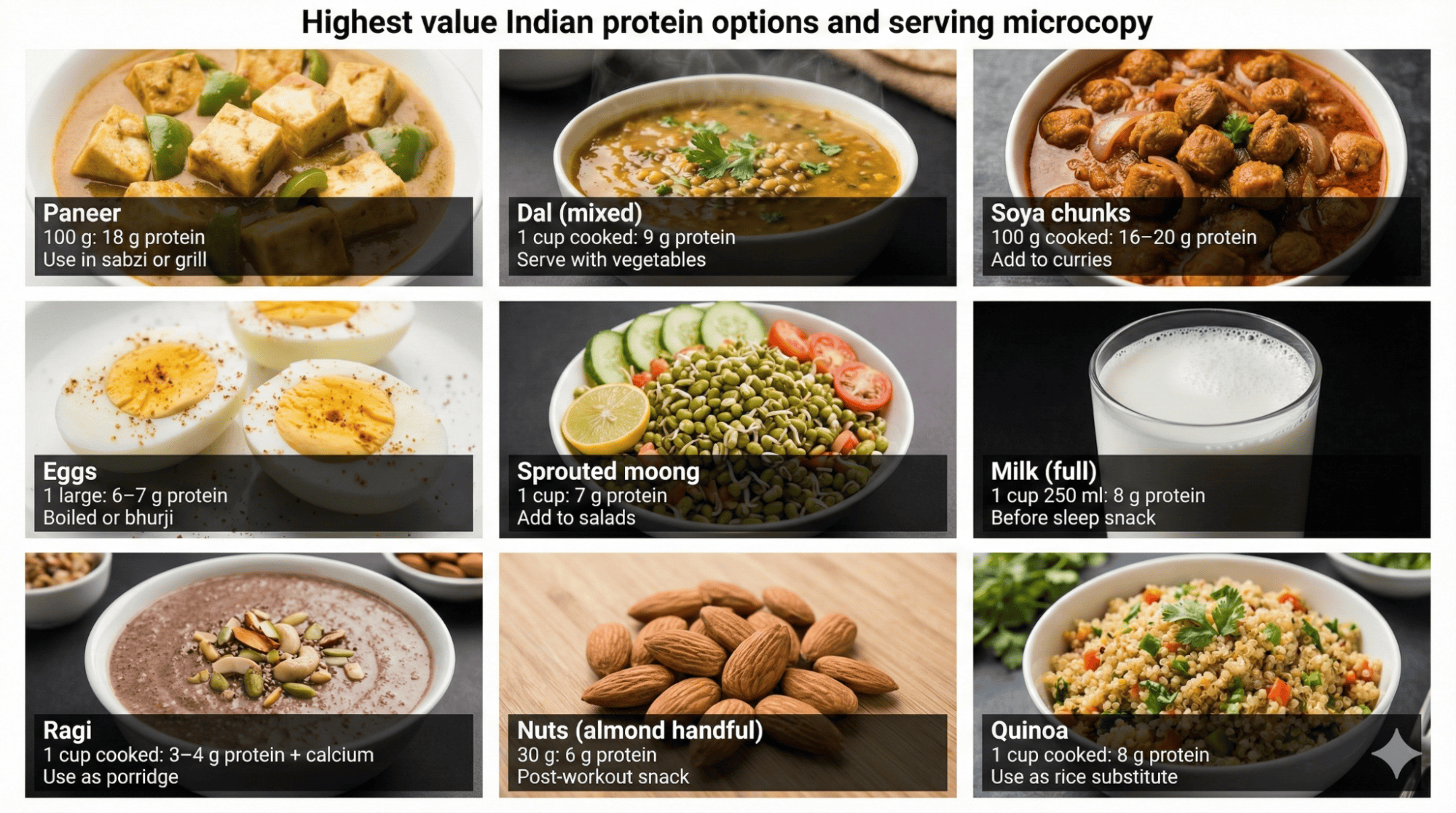
Strategic Indian foods provide protein and nutrients essential for building muscle from resistance training. Protein sources include dal varieties providing 15-20g per cup, paneer offering 14g per 100g, eggs containing 6g each, and chicken providing 25-30g per 100g. Additionally, whole grains such as brown rice and quinoa provide complex carbohydrates, fueling workouts and recovery. Moreover, vegetables provide vitamins and minerals supporting muscle function and recovery.
Furthermore, healthy fats from nuts support hormone production crucial for muscle growth. Include traditional spices like turmeric to reduce inflammation and support faster recovery. Therefore, strategically combining traditional foods provides complete nutrition that supports strength conditioning goals.
Modern Indian Meal Options and Healthy Recipes
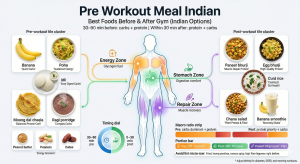
Create meals that support strength training benefits by strategically timing nutrients around workouts. Pre-workout meals 2-3 hours before should include easily digestible carbs: idlis with chutney or bananas with peanut butter provide energy without stomach upset. Additionally, post-workout meals within 2 hours must include both protein and carbs: dal-rice, paneer sandwich, or protein smoothie with banana optimize muscle recovery.
Moreover, daily meals should provide 80-100g of total protein, distributed across eating occasions, to support continuous muscle protein synthesis. Include adequate overall calories to support muscle-building, either in a surplus or in maintenance, rather than a deficit. Therefore, strategic meal planning optimizes the results of progressive overload.
Foods to Limit or Avoid for Better Results
Certain foods impair strength conditioning recovery and muscle growth despite being Indian staples. Excessive alcohol impairs protein synthesis, preventing muscle repair and growth even with proper training. Additionally, too many fried foods and trans fats increase inflammation, hindering recovery. Moreover, excessive sugar spikes insulin, followed by crashes affecting workout energy and recovery.
Furthermore, inadequate overall calories from extreme restriction prevent muscle growth regardless of protein intake. Minimize processed foods lacking nutrients supporting muscle function and recovery. Therefore, eliminating muscle-sabotaging foods allows resistance training to produce optimal results.
Portion Sizes and Meal Timing for Indians
Strategic portions and timing optimize building muscle from strength conditioning. Use hand portions, ensuring adequate protein: palm-size at each meal, totaling 80-100g daily. Additionally, include fist-size complex carbs fueling workouts and recovery, particularly around training sessions. Moreover, eat a pre-workout meal 2-3 hours before, providing energy without digestive discomfort during lifting.
Furthermore, consume post-workout nutrition within 2 hours, maximizing the muscle protein synthesis window. Include adequate overall calories for maintenance or a slight surplus to support muscle growth, while a deficit limits gains. Therefore, strategic nutrition timing and portions maximize strength training benefits.
Lifestyle Changes to Support Strength Conditioning
Progressive Overload: The Right Approach for Indians
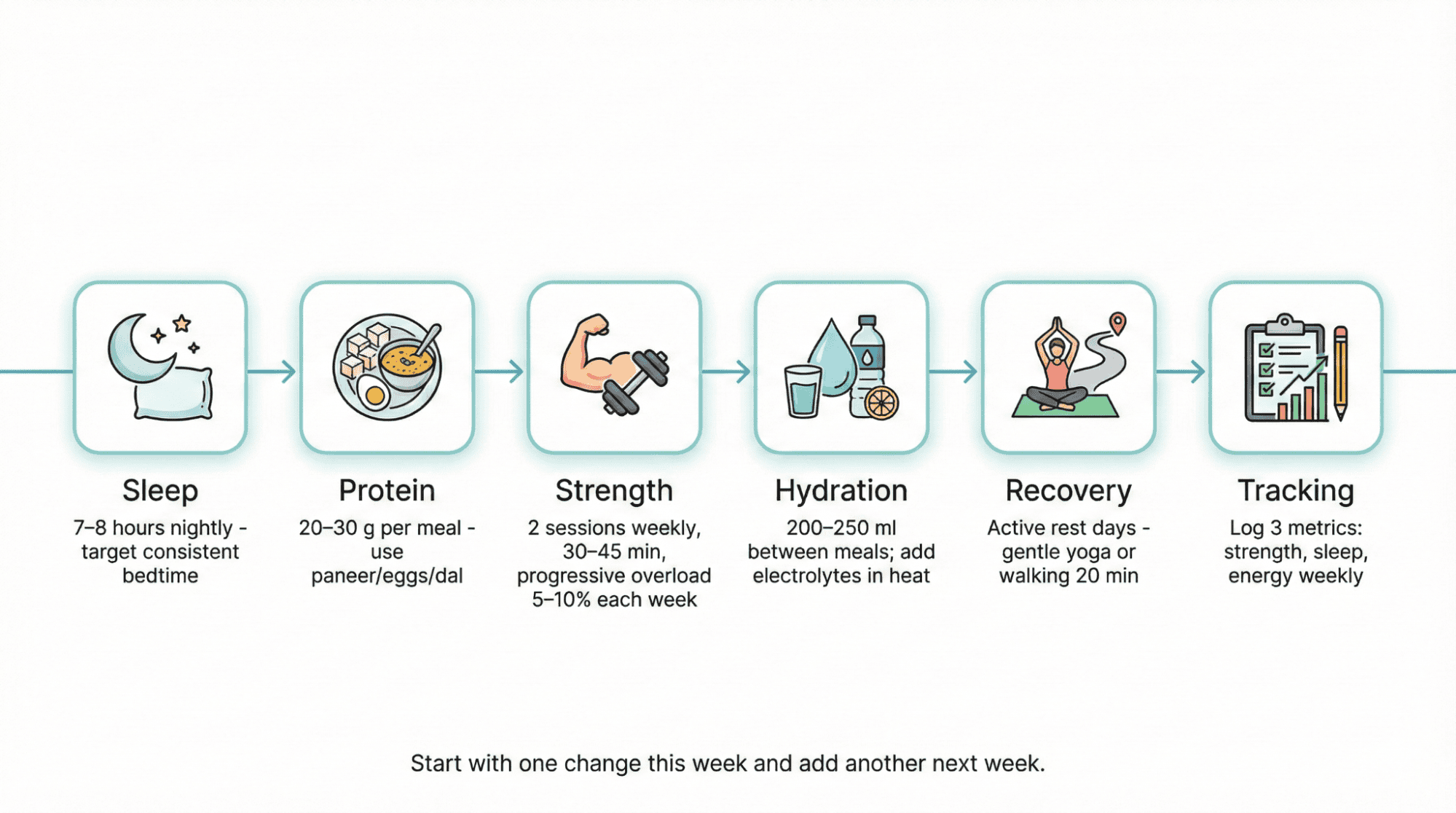
Implementing effective progressive overload requires a systematic, gradual approach, preventing injury while maximizing muscle growth. Week 1-4: Learn proper form with light weights or bodyweight, focusing on movement patterns before adding intensity. Additionally, train 2-3 times weekly, allowing adequate recovery between sessions. Week 5-8: Gradually increase resistance by 5-10% when the current weight feels manageable for the target repetitions.
Moreover, track workouts, record weights, and repetitions monitoring progress objectively. Week 9-12: Continue progressive increases while varying exercises, preventing plateaus and boredom. Therefore, patient systematic progression builds functional fitness safely, allowing sustainable strength gains.
Sleep and Stress Management Strategies
Sleep and stress profoundly affect strength training benefits through recovery and hormone regulation. Inadequate sleep below 7 hours prevents proper muscle repair, sabotaging training efforts regardless of perfect nutrition. Additionally, poor sleep reduces growth hormone production crucial for muscle recovery and growth. Moreover, chronic stress elevates cortisol, promoting muscle breakdown and preventing growth despite consistent training.
Solutions include prioritizing 8 hours of quality sleep, allowing complete muscle recovery, establishing a consistent sleep schedule, and practicing stress management through meditation or yoga. Therefore, lifestyle optimization supports resistance training through adequate recovery, enabling muscle growth.
Daily Habits That Make a Real Difference
Small, consistent habits optimize long-term strength conditioning success. Schedule training sessions as non-negotiable appointments, preventing workout skipping. Additionally, track all workouts, recording weights, sets, and repetitions, documenting progressive overload objectively. Moreover, prepare a gym bag the night before, eliminating morning barriers to training consistency.
Furthermore, take progress photos monthly, documenting visual changes scale doesn’t show. Find accountability through training partners or communities, providing motivation and support. Therefore, these habits create an environment supporting sustainable building muscle and strength gains.
Your 7-Day Strength Conditioning Management Meal Plan
| Day | Breakfast | Lunch | Evening Snack | Dinner |
| Day 1 | Moong dal cheela (2) + paneer (100g) + banana + milk | Brown rice + dal + chicken curry (150g) + vegetables + raita | Protein smoothie + banana + almonds | 2 rotis + dal + grilled fish (150g) + vegetables |
| Day 2 | 4 boiled eggs + whole wheat toast + avocado + milk | 2 rotis + rajma + paneer (100g) + mixed vegetables | Greek yogurt + berries + walnuts | Brown rice + dal + chicken (150g) + leafy greens |
| Day 3 | Oats + milk + protein powder + banana + nuts | Quinoa + dal + egg curry (3) + vegetables + curd | Roasted chana + boiled egg | 2 bajra rotis + dal + fish curry (150g) + vegetables |
| Day 4 | Idli (4) + sambhar + egg bhurji (3) + coconut chutney | Brown rice + moong dal + chicken (150g) + vegetables | Paneer (50g) + apple + almonds | 2 rotis + dal + grilled paneer (100g) + mixed vegetables |
| Day 5 | Besan cheela (3) + paneer filling + curd + banana | 2 whole wheat rotis + chana dal + fish (150g) + vegetables | Protein shake + handful of cashews | Brown rice + dal + chicken curry (150g) + leafy greens |
| Day 6 | Scrambled eggs (4) + toast + cheese + milk + fruit | Brown rice + dal + paneer curry (150g) + vegetables + raita | Curd + berries + pumpkin seeds | 2 rotis + dal + grilled chicken (150g) + mixed vegetables |
| Day 7 | Vegetable upma + cashews + 4 boiled eggs + curd | Quinoa + dal + fish tikka (150g) + vegetables | Roasted makhana + protein shake | 2 bajra rotis + dal + paneer (100g) + vegetables + raita |
Note: Each day provides 100-120g of protein, supporting building muscle from resistance training. Adequate carbs fuel workouts and recovery. Adjust portions based on body weight (1.6-2g protein per kg bodyweight) and training intensity for optimal strength training benefits.
Common Mistakes Indians Make with Strength Conditioning
Diet Mistakes That Sabotage Progress
The biggest mistake is inadequate protein intake, averaging 40-50g daily when needing 80-120g for building muscle from resistance training. Additionally, excessive calorie restriction prevents muscle growth despite perfect training. Moreover, not timing protein around workouts misses optimal muscle protein synthesis windows.
Furthermore, inadequate overall calories from extreme dieting signals the body to preserve fat and break down muscle. Skipping post-workout nutrition prevents optimal recovery, sabotaging next session performance. Therefore, strategic nutrition with adequate protein and calories supports strength conditioning efforts effectively.
Lifestyle Pitfalls to Watch Out For
Many sabotage strength training benefits through implementation errors despite consistent training. Doing too much too soon causes injury and burnout within weeks. Additionally, inadequate recovery between sessions prevents muscle repair and growth. Moreover, not tracking workouts prevents knowing if progressive overload is actually occurring.
Furthermore, inadequate sleep below 7 hours sabotages recovery regardless of perfect nutrition. Excessive cardio interferes with strength gains and recovery. Therefore, a balanced approach with adequate recovery supports functional fitness development effectively.
How to Course-Correct When Things Go Wrong
If implementing strength conditioning consistently for 3+ months without strength or muscle gains, troubleshoot systematically. Verify adequate protein intake of 80-120g daily through tracking for one week. Additionally, ensure progressive overload is occurring by reviewing workout logs and confirming that weights are increasing. Moreover, check if adequate sleep of 7-8 hours nightly and stress management support recovery.
Furthermore, assess if excessive cardio or calorie restriction prevents muscle growth. If all factors are optimized without results, a medical evaluation ensures no underlying issues. Therefore, systematic troubleshooting identifies whether implementation or physiological problems prevent resistance training success.
Frequently Asked Questions
Q1: What is strength conditioning, and how does it affect Indians?
Strength conditioning involves systematic resistance training with weights, bands, or bodyweight, creating progressive muscle tension that drives adaptations and builds strength and muscle mass. Indians particularly benefit, given their genetic predisposition toward sarcopenic obesity and insulin resistance, with building muscle increasing metabolism by 7-10% and improving insulin sensitivity crucial for preventing diabetes affecting our population.
Q2: What are the main signs of strength issues?
Signs include difficulty with daily activities like carrying groceries or climbing stairs, poor posture, and chronic back pain from weak core muscles, loss of muscle definition despite low body weight, constant fatigue from low muscle mass affecting metabolism, and elevated blood sugar from insulin resistance. Multiple symptoms together indicate the need for strength training benefits, addressing underlying muscle loss and metabolic dysfunction.
Q3: What foods should Indians eat for better strength conditioning?
Eat adequate protein 80-120g daily from dal, paneer, eggs, chicken, supporting building muscle, complex carbs from brown rice and quinoa fueling workouts and recovery, vegetables providing vitamins supporting muscle function, and healthy fats from nuts supporting hormone production. Time protein around workouts, optimizing muscle protein synthesis for maximum resistance training results.
Q4: Can strength be managed naturally?
Yes, through bodyweight exercises or basic equipment like resistance bands requiring no gym membership, progressive overload gradually increasing resistance by 5-10% when current weight feels manageable, adequate protein 80-120g daily, 7-8 hours quality sleep allowing muscle recovery, and 2-3 training sessions weekly with rest days between. Natural approaches build functional fitness effectively within 12 weeks.
Q5: How long does it take to see results with strength conditioning changes?
Initial strength gains from nervous system adaptations appear within 2-4 weeks. Visible muscle definition becomes noticeable at 8-12 weeks with consistent training and adequate protein. Significant muscle mass increases require 6-12 months of dedicated progressive overload and proper nutrition supporting building muscle through systematic resistance training implementation.
Conclusion
Strength conditioning transforms bodies and health through systematic resistance training, building muscle mass, boosting metabolism by 7-10% while improving insulin sensitivity, crucial for diabetes-prone Indians. Understanding progressive overload principles plus implementing proper nutrition with 80-120g daily protein creates the lean, strong physique cardio alone cannot deliver. Strength training benefits extend beyond appearance, improving bone density, functional capacity, mental health, and longevity. Managing strength isn’t about perfection it’s about consistent small progressions adding 5-10% resistance when the current weight feels manageable.
Start this week by performing basic bodyweight exercises: squats, push-ups, and planks for 20 minutes three times with rest days between. Additionally, increase daily protein by adding one serving of dal, eggs, or paneer to meals you already eat. Track first workout recording exercises, repetitions, and how it felt, establishing a baseline for building muscle progress.
Related Posts