You’re eating dal twice daily, having paneer regularly, yet muscles feel weak and weight loss stalls despite calorie deficit. Your non-vegetarian friend eats less protein but builds muscle easily, leaving you frustrated about vegetarian limitations. Understanding protein timing vegetarians plus implementing strategic dal nutrition and paneer protein distribution creates optimal muscle building and fat loss results Indian vegetarians actually achieve. This guide reveals when to eat vegetarian protein maximizing plant protein absorption for comprehensive health transformation.
What Is Protein Timing Vegetarians and Why Indian Dieters Should Care?
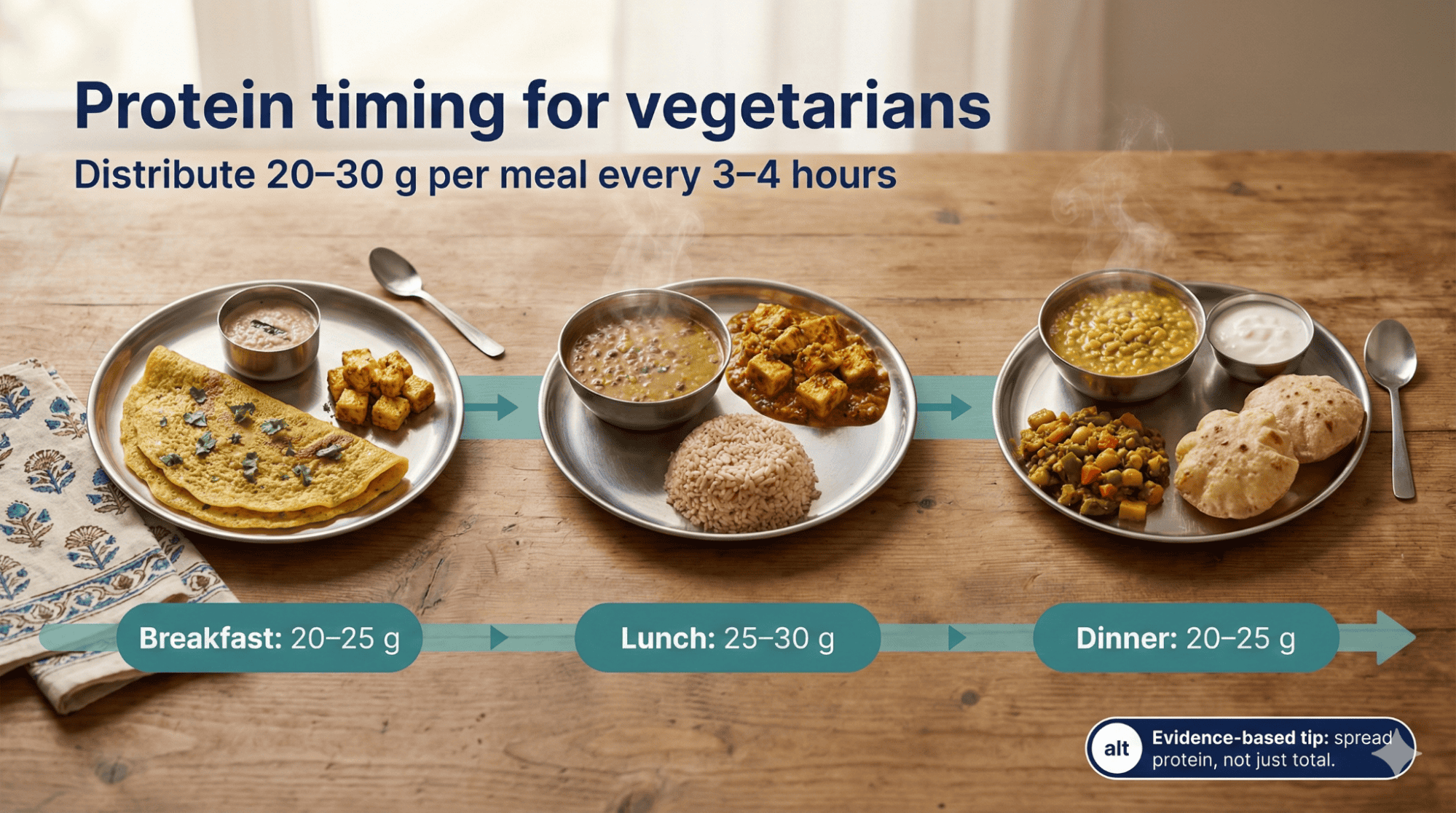
Protein timing vegetarians involves distributing vegetarian protein intake strategically across day maximizing muscle protein synthesis and metabolic benefits. Your body can only use 20-30g protein per meal for muscle building with excess oxidized for energy or stored as fat. Additionally, dal nutrition and paneer protein spaced every 3-4 hours maintains elevated amino acid levels supporting continuous muscle repair. Moreover, timing protein around activity optimizes absorption and utilization. Therefore, strategic distribution matters as much as total daily intake for plant protein absorption effectiveness.
Why Protein Matters for Indian Bodies
Indian vegetarians need focused protein timing vegetarians strategies given inadequate intake averaging 30-40g daily when needing 60-80g minimum. Additionally, plant proteins from dal and legumes lack complete amino acid profiles requiring strategic combinations. Moreover, vegetarian proteins digest differently than animal sources affecting legume timing for optimal absorption. Furthermore, Indians face genetic muscle loss starting in 30s accelerated by inadequate protein compounding metabolic dysfunction. In fact, proper vegetarian protein distribution supports metabolism, satiety, and muscle preservation crucial for sustainable weight loss. Therefore, strategic timing becomes essential for Indian vegetarian health optimization.
Common Myths Debunked About This Topic
Let’s clear myths about protein timing vegetarians. First, you don’t need protein immediately post-workout—2-hour window works fine for muscle synthesis. Second, eating all protein at one meal doesn’t work equally well—distribution across meals optimizes utilization. Third, dal nutrition alone isn’t sufficient—combining with grains creates complete amino acid profiles. Fourth, plant proteins aren’t inferior—properly combined and timed they support muscle building effectively. Additionally, you don’t need expensive protein powders—whole food paneer protein and legumes work excellently. Finally, vegetarians can’t build muscle is false—proper timing and amounts support excellent results. Therefore, strategic approach works better than supplementation or excessive amounts.
The Science Behind Protein Timing Vegetarians for Indians
How Protein Works in Your Body
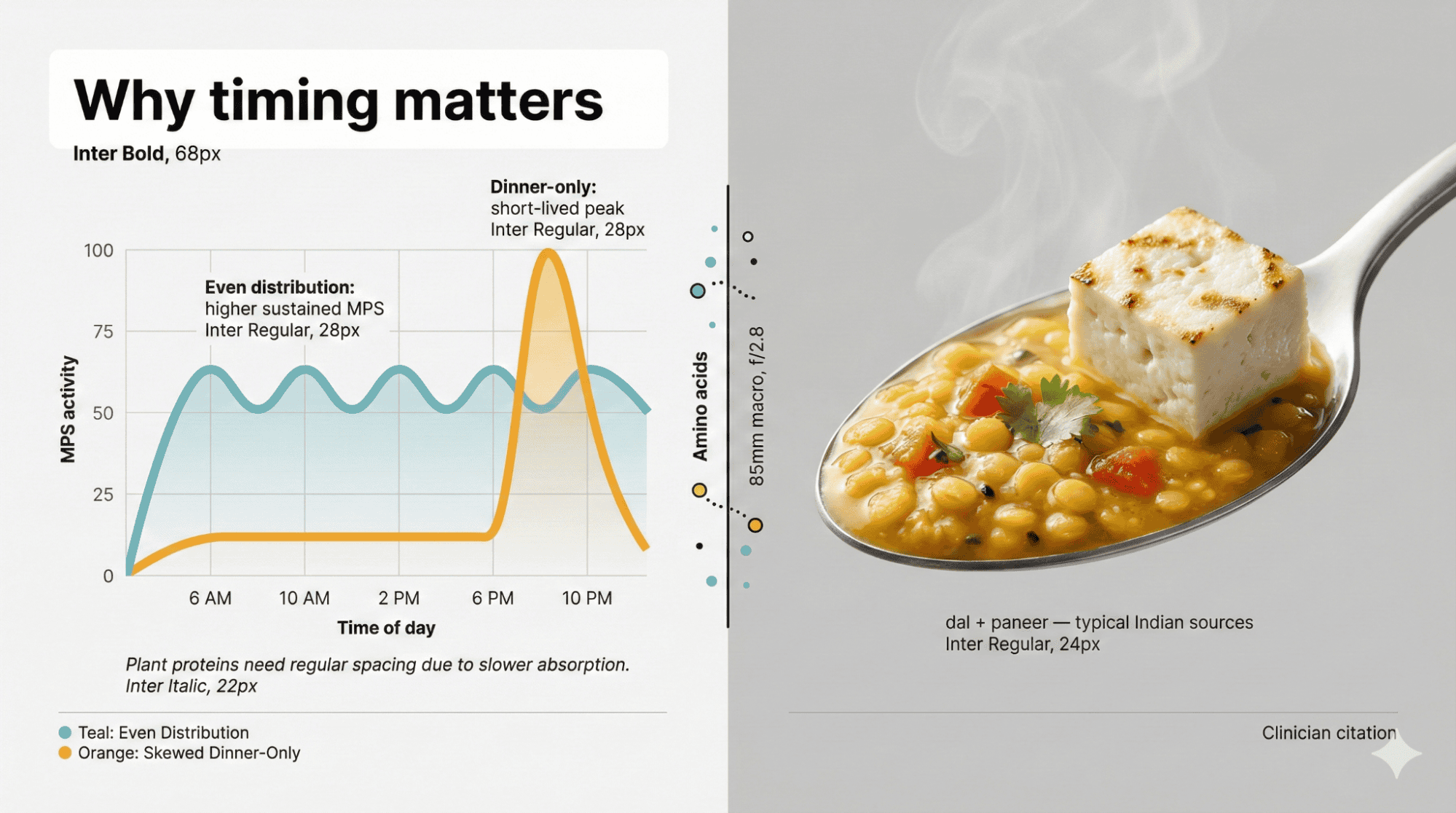
Vegetarian protein affects muscle and metabolism through amino acid availability triggering muscle protein synthesis. When you eat protein, digestive enzymes break it into amino acids absorbed and used for building muscle, enzymes, hormones, and immune cells. Additionally, leucine content particularly important for triggering muscle synthesis is lower in plant proteins requiring larger portions. Moreover, plant protein absorption occurs more slowly than animal sources due to fiber content affecting timing strategies. Furthermore, body can only synthesize muscle protein when amino acids and energy are available simultaneously. Therefore, spacing legume timing and paneer protein across day maintains elevated amino acid levels optimizing muscle building continuously.
The Connection Between Vegetarian Protein and Health
Dal nutrition and adequate protein affects comprehensive health beyond just muscle building. Protein increases satiety reducing hunger by 20-30% supporting calorie deficit adherence for weight loss. Additionally, high protein intake increases metabolism by 15-20% through thermic effect of food—body burns more calories digesting protein than carbs or fat. Moreover, adequate vegetarian protein preserves muscle during weight loss maintaining metabolic rate preventing slowdown. Furthermore, protein supports immune function, wound healing, and hormone production crucial for overall health. Therefore, protein timing vegetarians strategies optimize multiple health benefits beyond just body composition.
What Research Shows for Indian Population
Research on protein timing vegetarians reveals inadequate intake among Indians but promising intervention results. Studies show vegetarian Indians consuming only 0.5-0.6g per kg bodyweight when needing 1.2-1.6g for optimal health. Additionally, research demonstrates distributing protein across meals improves muscle synthesis by 25% compared to uneven distribution. Moreover, studies indicate combining dal nutrition with grains creates complete amino acid profiles as effective as animal proteins. Furthermore, research shows Indian vegetarians achieving 80-100g daily protein through strategic timing show improved body composition and metabolic health. Therefore, proper distribution and amounts produce measurable improvements.
Dal Nutrition: What to Watch For
Physical Signs and Symptoms to Monitor
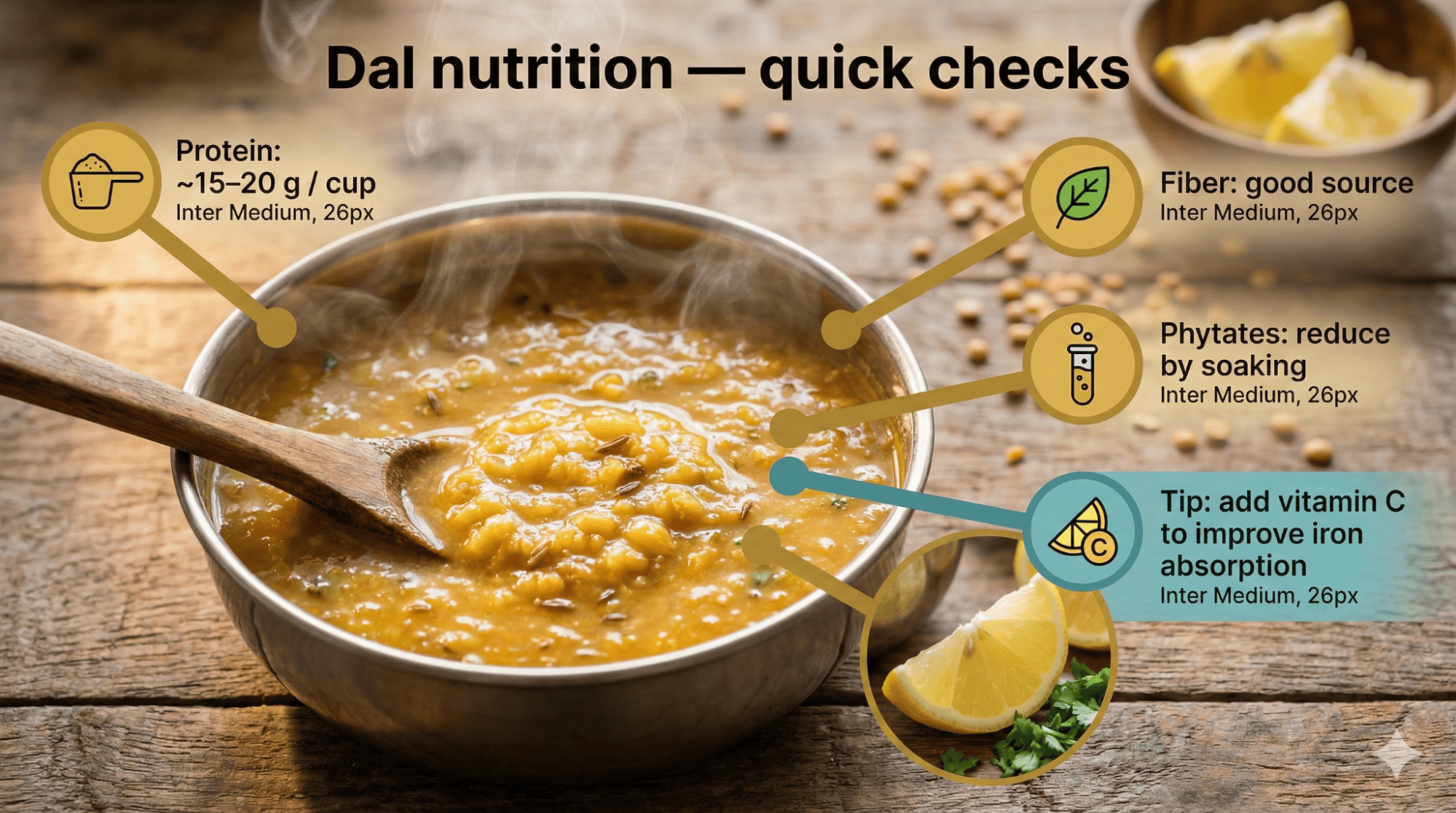
Adequate vegetarian protein timing shows through observable physical improvements. Watch for maintained or increased muscle mass despite calorie deficit indicating protein preservation. Additionally, improved strength and easier daily activities show functional muscle development from proper paneer protein timing. Moreover, reduced hunger and cravings indicate protein supporting satiety hormones effectively. Furthermore, healthy hair, skin, and nails show adequate protein for tissue repair and maintenance. However, warning signs include persistent muscle soreness, weakness, or loss of muscle definition despite training suggesting inadequate timing or amounts. Therefore, multiple indicators validate protein timing vegetarians effectiveness.
Emotional and Mental Health Indicators
Adequate dal nutrition affects mental health through neurotransmitter production and blood sugar stability. Stable energy without crashes indicates protein supporting sustained blood sugar throughout day. Additionally, improved mood and reduced anxiety show adequate amino acids for neurotransmitter synthesis. Moreover, better sleep quality results from protein supporting melatonin production. Furthermore, reduced food obsession and cravings indicate satiety from proper timing. However, watch for extreme fixation on protein causing anxiety about meals or social eating. Therefore, mental health stability validates sustainable protein timing vegetarians approach.
When to Consult a Healthcare Professional
Consult doctors if experiencing symptoms of severe protein deficiency including edema, hair loss, or frequent infections despite adequate intake. Additionally, work with registered dietitians specializing in vegetarian nutrition creating personalized plans ensuring complete amino acid profiles. Moreover, if implementing proper vegetarian protein timing without muscle gain or strength improvement, evaluation ensures no absorption issues. See sports nutritionists if training intensely needing specialized legume timing guidance. Therefore, professional support optimizes plant protein absorption addressing individual needs.
Indian Lifestyle Factors Affecting Protein Timing Vegetarians
Modern Indian Diet Challenges and Solutions
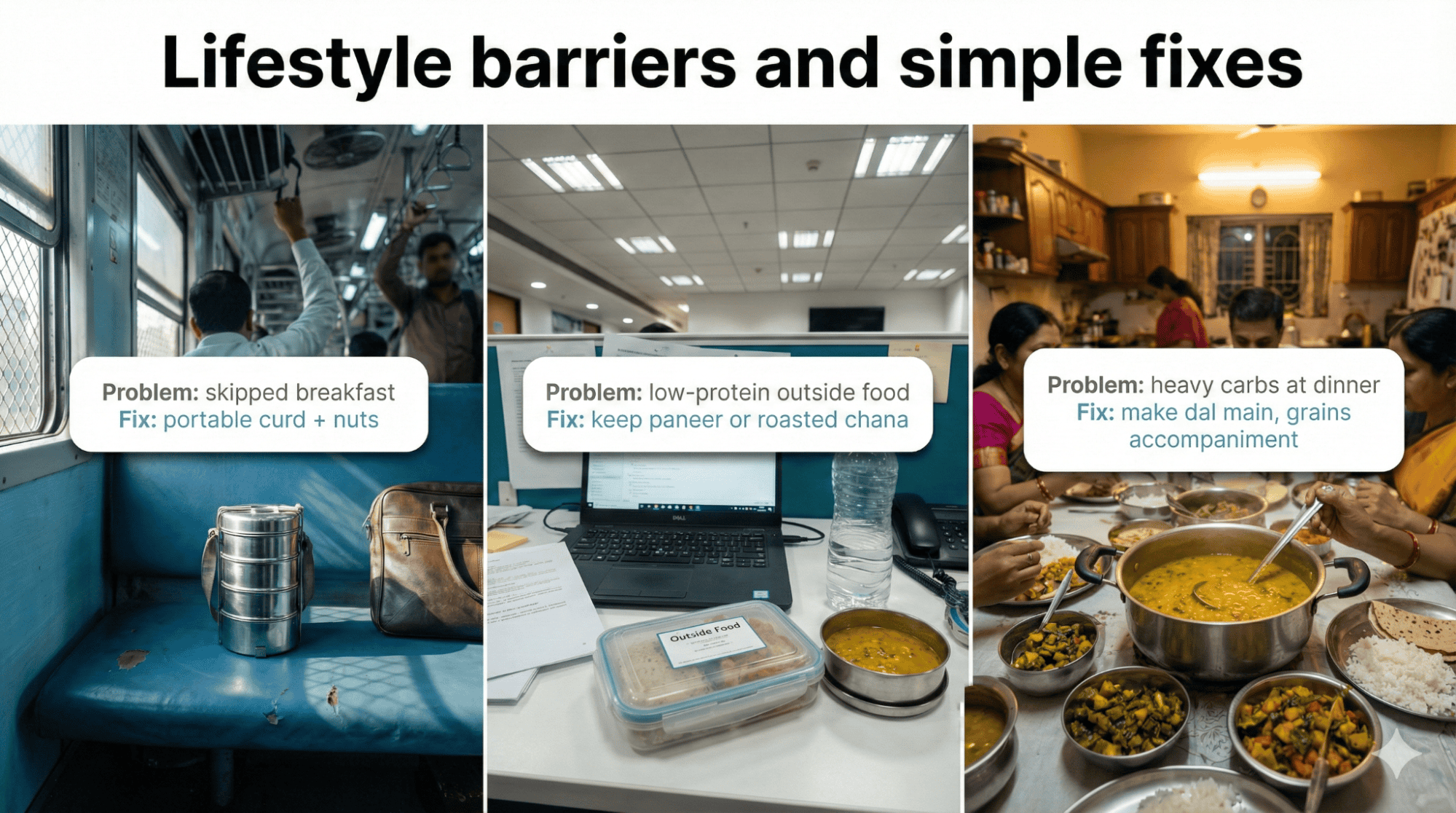
Traditional vegetarian Indian diets often lack adequate distributed vegetarian protein throughout day. Typical pattern includes minimal protein breakfast, moderate lunch, and dal-heavy dinner creating uneven distribution. Additionally, relying on single dal serving daily provides only 15-20g when needing 80-100g total. Moreover, not combining legumes with grains prevents complete amino acid profiles limiting plant protein absorption. Solutions include protein at every meal: curd or paneer at breakfast, dal plus paneer at lunch, and dal at dinner ensuring distribution. Additionally, strategic snacking with roasted chana or nuts maintains amino acid levels. Therefore, restructuring meal patterns supports protein timing vegetarians optimization.
Work-Life Balance and Urban Living Impact
Urban professional lifestyle challenges dal nutrition distribution through irregular eating and meal skipping. Long work hours and commutes cause breakfast skipping eliminating morning protein opportunity. Additionally, relying on outside food provides limited vegetarian protein options. Moreover, time constraints prevent meal preparation ensuring adequate protein portions. Solutions include meal prep on weekends, portable protein snacks like roasted chana or nuts, and prioritizing protein at available meals. Additionally, keeping paneer protein or curd at work ensures midday intake. Therefore, practical planning supports consistent protein distribution.
Cultural and Social Influences on Health
Indian vegetarian culture emphasizes carbs over protein affecting protein timing vegetarians success. Traditional meals feature large grain portions with small dal servings as accompaniment. Additionally, cultural perception that dal alone suffices prevents strategic protein variety. Moreover, paneer perceived as rich food eaten occasionally rather than regular protein source. Solutions include reframing dal as main dish with grains as accompaniment, normalizing daily paneer consumption, and educating family about protein importance. Additionally, including multiple vegetarian protein sources at meals ensures adequacy. Therefore, cultural adaptation makes sustainable implementation realistic.
Best Indian Foods for Protein Timing Vegetarians Management
Traditional Indian Foods That Support Paneer Protein
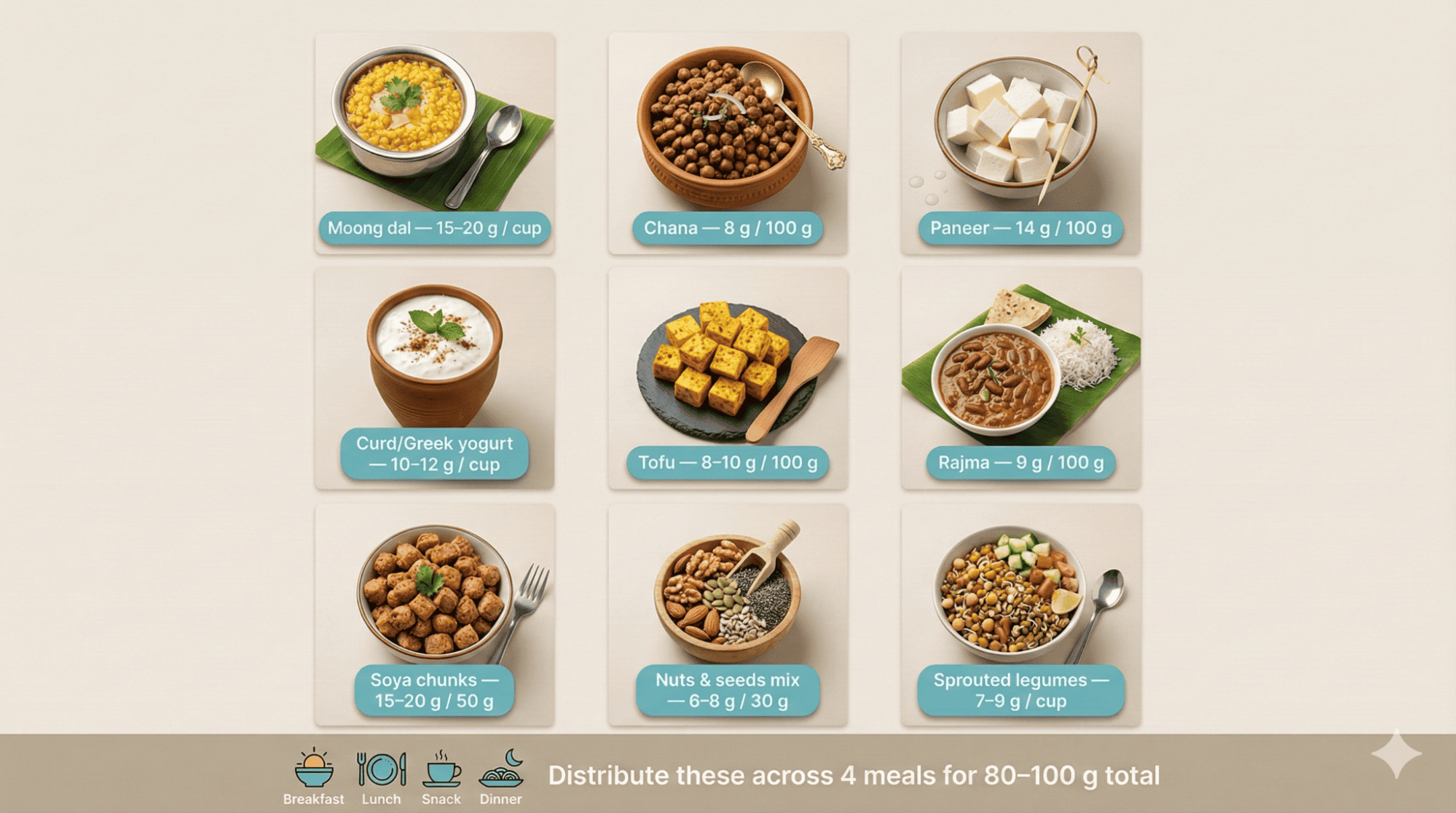
Strategic Indian foods provide adequate vegetarian protein with proper timing. Dal varieties including moong, chana, masoor, and toor provide 15-20g per cup. Additionally, paneer protein offers 14g per 100g making it excellent concentrated source. Moreover, curd and Greek yogurt provide 10-12g per cup. Furthermore, legumes like chickpeas, rajma, and lobia offer 15g per cup. Include nuts and seeds providing 5-7g per handful. Soy products like tofu provide 10g per 100g for those consuming. Therefore, combining multiple sources across day achieves adequate total intake supporting dal nutrition optimization.
Modern Indian Meal Options and Healthy Recipes
Create meals optimizing protein timing vegetarians through strategic distribution. Breakfast should include 20-25g: moong dal cheela with paneer filling, or curd with nuts and seeds. Additionally, lunch needs 25-30g: dal (1 katori) plus paneer curry (100g) with vegetables. Moreover, evening snack provides 10-15g: roasted chana, handful of nuts, or curd. Furthermore, dinner includes 20-25g: dal with vegetables and small grain portion. Include protein powder in smoothies if whole food timing proves difficult. Therefore, distributing 80-100g across four eating occasions optimizes plant protein absorption.
Foods to Limit or Avoid for Better Results
Certain patterns impair vegetarian protein adequacy despite good intentions. Relying solely on dal without variety limits amino acid completeness. Additionally, excessive carbs crowding out protein prevents adequate intake within calorie targets. Moreover, not combining legumes with grains reduces plant protein absorption efficiency. Furthermore, deep fried paneer or legume preparations add excessive calories limiting portions. Excessive fiber from unsoaked legumes can impair mineral absorption. Therefore, strategic preparation and variety support protein timing vegetarians effectiveness.
Portion Sizes and Meal Timing for Indians
Strategic portions optimize legume timing for muscle synthesis. Use hand measures: palm-size paneer protein (100g) or 1 katori dal (200g cooked) provides 15-20g per meal. Additionally, space protein-containing meals 3-4 hours apart maintaining elevated amino acid levels. Moreover, include 20-25g protein within 2 hours of training supporting recovery and muscle synthesis. Furthermore, distribute total daily intake (80-100g) across 4 meals ensuring each provides minimum 20g triggering muscle protein synthesis. Therefore, consistent timing and amounts optimize vegetarian protein utilization.
Lifestyle Changes to Support Protein Timing Vegetarians
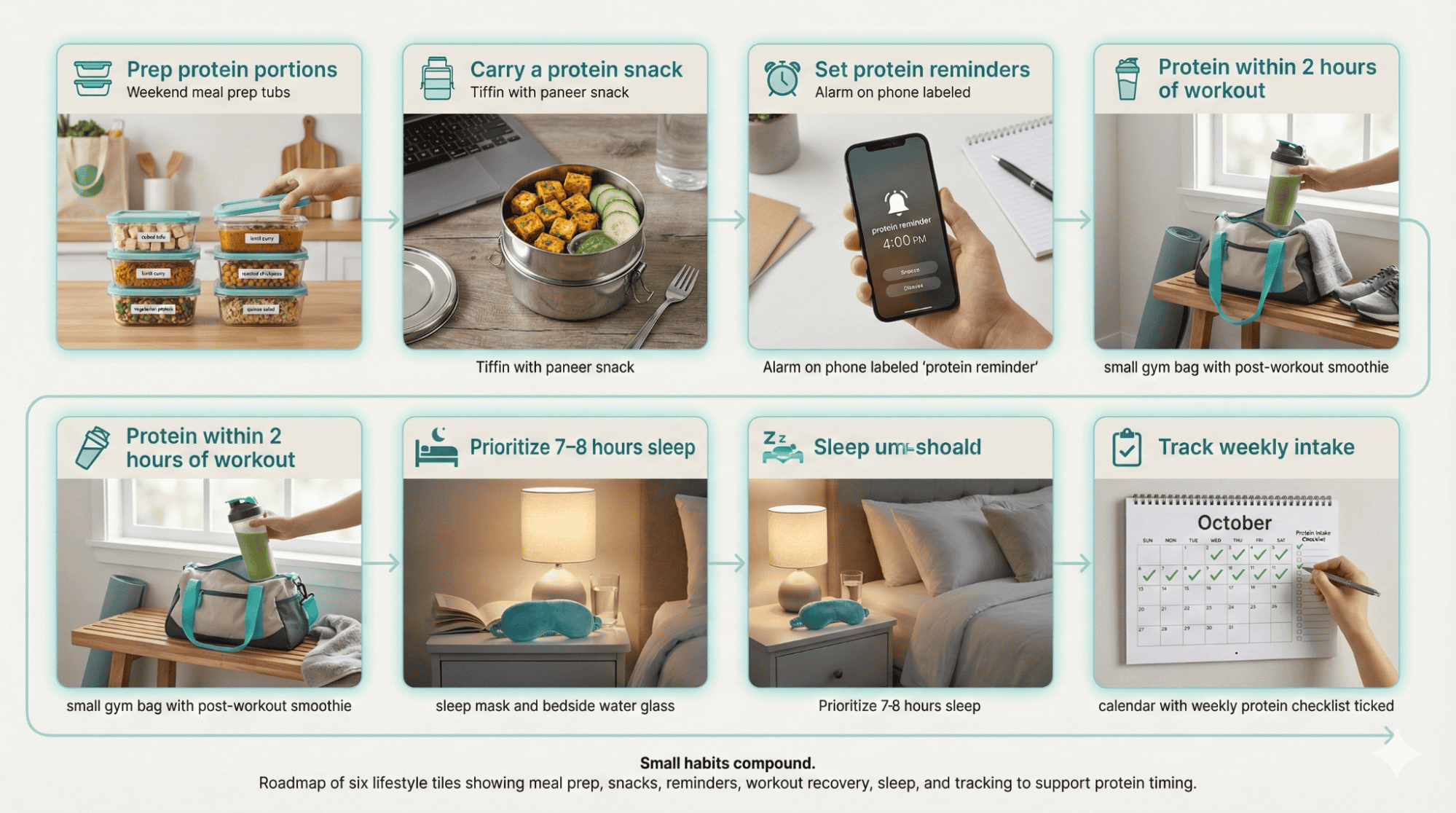
Legume Timing: The Right Approach for Indians
Implementing effective legume timing requires systematic daily distribution. Morning: Include 20-25g through moong dal cheela, paneer, or protein-rich smoothie. Additionally, midday: Consume 25-30g through dal and paneer combination at lunch. Moreover, evening: Include 10-15g through high-protein snack maintaining amino acid levels. Furthermore, dinner: Provide 20-25g through dal-based meal. Track intake initially ensuring adequate distribution not just total. Therefore, consistent four-meal pattern optimizes protein timing vegetarians results.
Sleep and Stress Management Strategies
Sleep and stress affect vegetarian protein utilization and muscle synthesis. Inadequate sleep reduces muscle protein synthesis by 20% despite adequate intake and timing. Additionally, chronic stress elevates cortisol promoting muscle breakdown working against protein efforts. Moreover, poor sleep increases hunger reducing adherence to proper dal nutrition timing. Solutions include prioritizing 7-8 hours quality sleep, managing stress through meditation or yoga, and recognizing protein works optimally with lifestyle support. Therefore, comprehensive approach maximizes paneer protein and legume benefits.
Daily Habits That Make a Real Difference
Small consistent habits optimize protein timing vegetarians long-term. Prep protein portions on weekends ensuring convenient access throughout week. Additionally, set phone reminders for protein-containing meals maintaining consistent timing. Moreover, track intake initially revealing actual consumption versus assumed amounts. Furthermore, keep portable protein snacks like roasted chana or nuts ensuring availability during busy days. Combine legumes with grains at every meal ensuring complete amino acid profiles. Therefore, systematic habits create environment supporting plant protein absorption optimization.
Your 7-Day Protein Timing Vegetarians Management Meal Plan
| Day | Breakfast (20-25g) | Lunch (25-30g) | Evening Snack (10-15g) | Dinner (20-25g) |
| Day 1 | Moong dal cheela (2) + paneer (50g) + curd | Dal (1 katori) + paneer curry (100g) + brown rice + veg | Greek yogurt + almonds (10) | Dal (1 katori) + mixed veg + 2 rotis |
| Day 2 | Curd (1 bowl) + oats + nuts + protein powder | Dal (1 katori) + tofu curry (100g) + quinoa + veg | Roasted chana (1 bowl) | Dal (1 katori) + paneer (50g) + veg + rotis |
| Day 3 | Besan cheela (2) + paneer (50g) + milk | Dal (1 katori) + rajma + brown rice + vegetables | Curd + pumpkin seeds + fruit | Moong dal (1 katori) + veg + 2 bajra rotis |
| Day 4 | Paneer bhurji (100g) + toast + curd | Chana dal (1 katori) + paneer (100g) + rice + veg | Protein smoothie + almonds | Dal (1 katori) + soy chunks + veg + rotis |
| Day 5 | Moong dal dosa (3) + paneer filling + sambhar | Dal (1 katori) + tofu (100g) + quinoa + vegetables | Greek yogurt + walnuts (8) | Dal (1 katori) + mixed veg + 2 rotis |
| Day 6 | Curd (1 bowl) + oats + protein powder + nuts | Dal (1 katori) + paneer tikka (100g) + rice + veg | Roasted chana + buttermilk | Dal (1 katori) + rajma + veg + rotis |
| Day 7 | Vegetable upma + paneer (50g) + curd + nuts | Dal (1 katori) + lobia curry + brown rice + veg | Protein bar + handful of cashews | Moong dal (1 katori) + paneer (50g) + veg + rotis |
Note: Each day provides 80-100g total protein distributed across 4 meals ensuring 20-30g per occasion optimizing muscle protein synthesis. Combining dal with grains creates complete amino acid profiles. Strategic timing maintains elevated amino acids throughout day supporting protein timing vegetarians goals for muscle building and metabolic health.
Common Mistakes Indians Make with Protein Timing Vegetarians
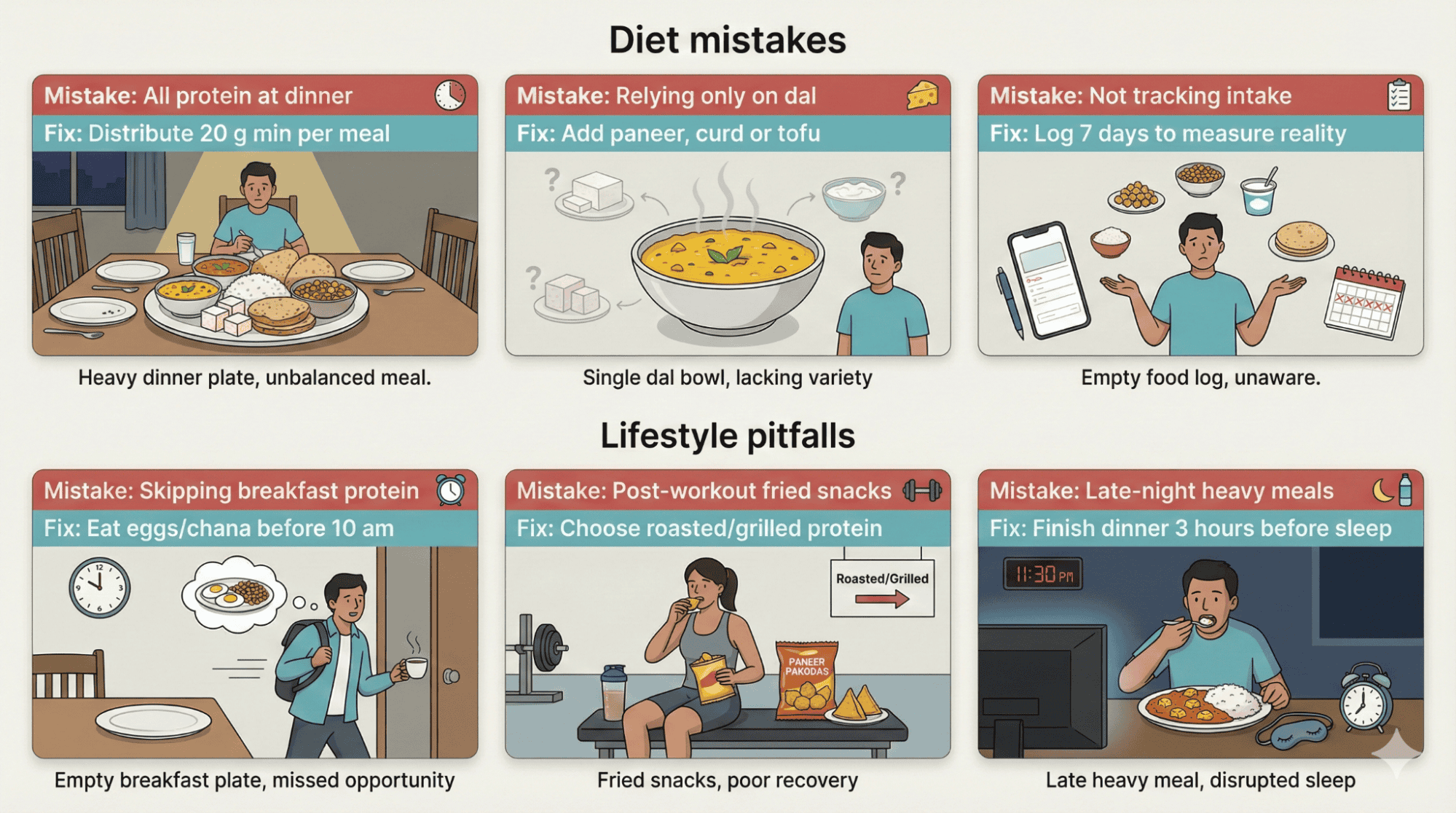
Diet Mistakes That Sabotage Progress
Biggest mistake is concentrating protein at dinner only providing 40-50g in one meal with minimal throughout day. Additionally, relying solely on dal without paneer, curd, or legumes limits total intake. Moreover, not combining legumes with grains prevents complete amino acid profiles reducing plant protein absorption. Furthermore, eating protein without adequate calories prevents muscle building as body uses protein for energy. Not tracking intake allows gradual decline from adequate levels. Therefore, strategic distribution and variety support vegetarian protein optimization.
Lifestyle Pitfalls to Watch Out For
Many sabotage protein timing vegetarians through implementation errors. Skipping breakfast eliminates morning protein opportunity. Additionally, irregular meal timing prevents consistent amino acid availability. Moreover, not preparing protein sources in advance leads to convenience carb choices. Furthermore, training without adequate surrounding protein impairs recovery and muscle synthesis. Inadequate sleep undermines protein utilization despite perfect timing. Therefore, comprehensive lifestyle approach supports dal nutrition effectiveness.
How to Course-Correct When Things Go Wrong
If implementing proper timing without muscle gain or strength improvement, troubleshoot systematically. Track actual intake for one week as estimation often underestimates amounts. Additionally, ensure each meal provides minimum 20g protein not just total daily. Moreover, verify combining legumes with grains creating complete amino acid profiles. Furthermore, check if training stimulus is adequate as protein supports growth only with appropriate stress. If all factors optimized without results, digestive evaluation ensures absorption isn’t impaired. Therefore, systematic approach identifies implementation versus medical issues.
Frequently Asked Questions
Q1: What is protein timing vegetarians and how does it affect Indians?
Protein timing vegetarians involves distributing vegetarian protein intake strategically across day maximizing muscle protein synthesis with 20-30g per meal spaced 3-4 hours apart. Indian vegetarians particularly need this as inadequate intake averaging 30-40g daily and uneven distribution (minimal breakfast, moderate lunch, heavy dinner) impairs muscle building and metabolic health requiring strategic dal nutrition and paneer protein optimization.
Q2: What are the main signs of protein issues?
Signs include persistent muscle soreness and weakness, difficulty building or maintaining muscle despite training, constant hunger despite adequate calories, brittle nails and hair loss, slow wound healing, and frequent infections from impaired immunity. Multiple symptoms together indicate inadequate total intake or poor protein timing vegetarians distribution requiring increased vegetarian protein amounts and strategic timing across meals.
Q3: What foods should Indians eat for better protein timing vegetarians?
Eat dal varieties (15-20g per katori), paneer protein (14g per 100g), curd (10g per bowl), legumes like chickpeas and rajma (15g per cup), nuts and seeds (5-7g per handful), and soy products if consumed. Distribute 80-100g total across 4 meals ensuring 20-30g per occasion. Combine legumes with grains creating complete amino acid profiles optimizing plant protein absorption.
Q4: Can protein be managed naturally?
Yes through strategic legume timing distributing dal, paneer, curd, and legumes across 4 daily meals ensuring 20-30g per occasion, combining with grains for complete amino acids, spacing meals 3-4 hours maintaining elevated amino acid levels, and including protein within 2 hours of training. Whole food vegetarian protein sources work excellently without supplements when timed properly supporting muscle building naturally.
Q5: How long does it take to see results with protein timing vegetarians changes?
Strength improvements appear within 2-3 weeks of adequate distributed protein. Visible muscle definition becomes noticeable at 8-12 weeks with consistent 80-100g daily intake properly timed. Metabolic improvements including reduced hunger and increased energy occur within 3-4 weeks. Long-term body composition changes require 3-6 months of consistent protein timing vegetarians implementation supporting sustainable transformation.
Conclusion
Protein timing vegetarians reveals strategic distribution matters as much as total intake for Indian vegetarians building muscle and supporting metabolism. Spacing dal nutrition, paneer protein, and legumes across 4 daily meals providing 20-30g per occasion maintains elevated amino acids optimizing muscle protein synthesis continuously. For Indian vegetarians averaging 30-40g daily concentrated at dinner, restructuring to 80-100g distributed across breakfast, lunch, snack, and dinner creates breakthrough results. Combining legumes with grains ensures complete amino acid profiles maximizing plant protein absorption. Managing protein isn’t about perfection—it’s about consistent distribution across day ensuring each meal provides adequate amounts.
Start this week by tracking current protein intake for 3 days revealing actual consumption and distribution patterns. Additionally, add protein source to breakfast ensuring 20-25g starting day properly. Include protein at every meal spacing 3-4 hours maintaining amino acid availability.
Related Posts