

Scrolling through Instagram, you see another actress flaunting her 10-kilo transformation in just 30 days. The caption promises the secret diet that melted away her belly fat. You think, “If it worked for her, why not me?” So you try the juice cleanse, the keto challenge, or whatever celebrity weight loss diets are trending this month. Two weeks later, you’re exhausted, irritable, and the weight? It’s right back where it started. Here’s the truth: celebrity weight loss diets aren’t designed for real people with real lives. This guide reveals why these diets fail Indians and what actually works for lasting fat loss.
What are Celebrity Weight Loss Diets and Why Indian Dieters Should Care?
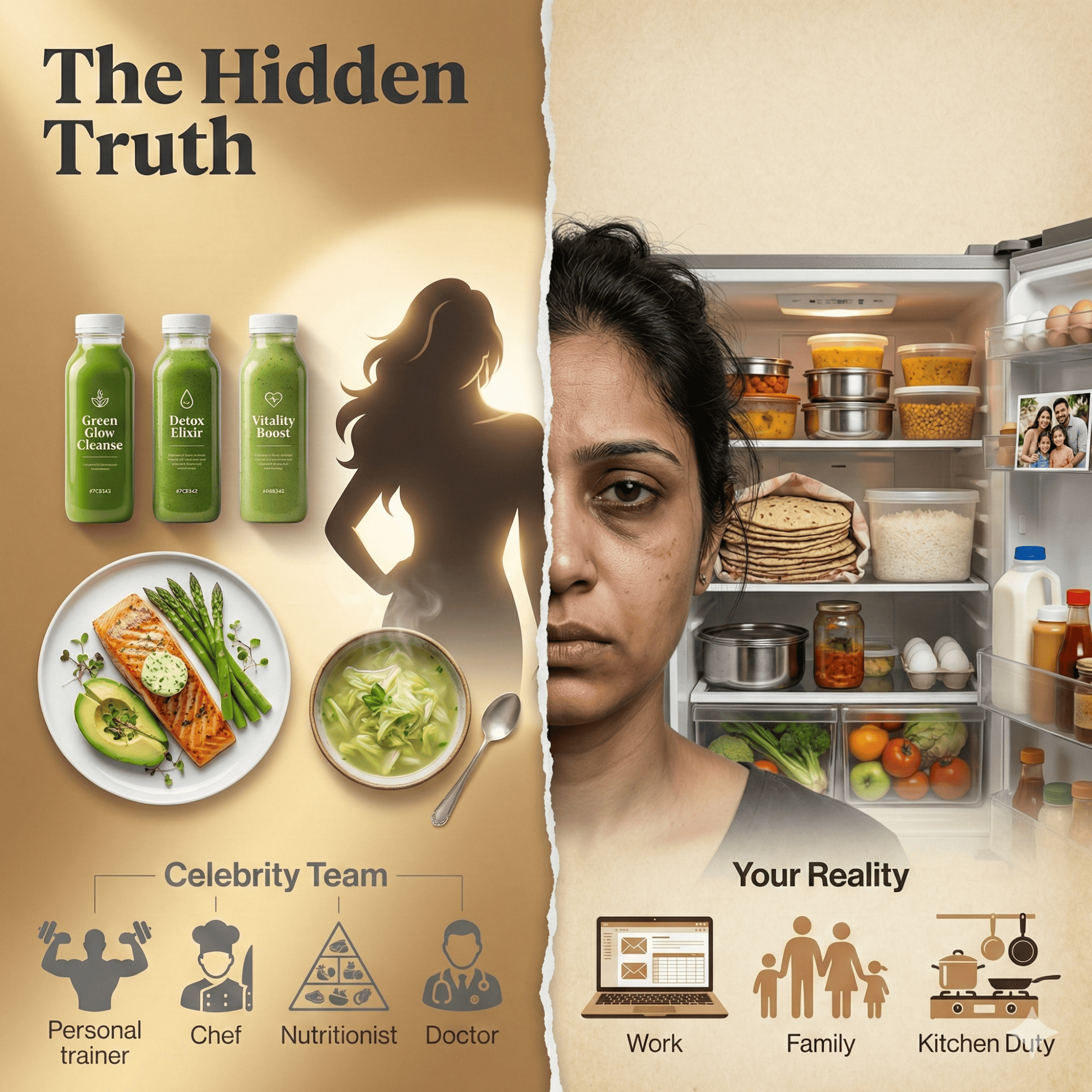
Celebrity weight loss diets are extreme eating plans that promise rapid results in impossibly short timeframes. These include juice cleanses, military diets, cabbage soup diets, and other fad diets that severely restrict what you eat. Celebrities often promote these before movie releases or events, making them seem magical. However, what they don’t tell you is the army of trainers, chefs, nutritionists, and sometimes even medical supervision backing them. They also don’t mention the rebound weight gain that happens once they return to normal eating.
Why Celebrity Weight Loss Diets Matter for Indian Bodies
Indian bodies have unique nutritional needs shaped by our genetics and traditional eating patterns. We’ve evolved to eating dal, rice, rotis, and vegetables cooked with spices. Fad diets that eliminate entire food groups disrupt this balance. Moreover, these diets ignore the Indian lifestyle where food is central to family gatherings and social events. Saying no to your mother’s gajar halwa or skipping family dinners creates emotional stress that sabotages your efforts. Additionally, many crash diets are designed for Western bodies and portion sizes, making them impractical for Indians.
Common Myths Debunked About This Topic
Let’s clear up misconceptions. First, rapid weight loss doesn’t equal fat loss. Most celebrity weight loss diets cause water and muscle loss, not actual fat burning. Second, these diets aren’t sustainable. You might lose 5 kilos in a week, but 95% of people regain it within months. Third, expensive supplements aren’t necessary for weight loss. Your grandmother’s kitchen has everything you need. Finally, diet culture wants you to believe your body is the problem, but the truth is these diets are fundamentally flawed. Your body isn’t broken; the diet is.
The Science Behind Celebrity Weight Loss Diets for Indians
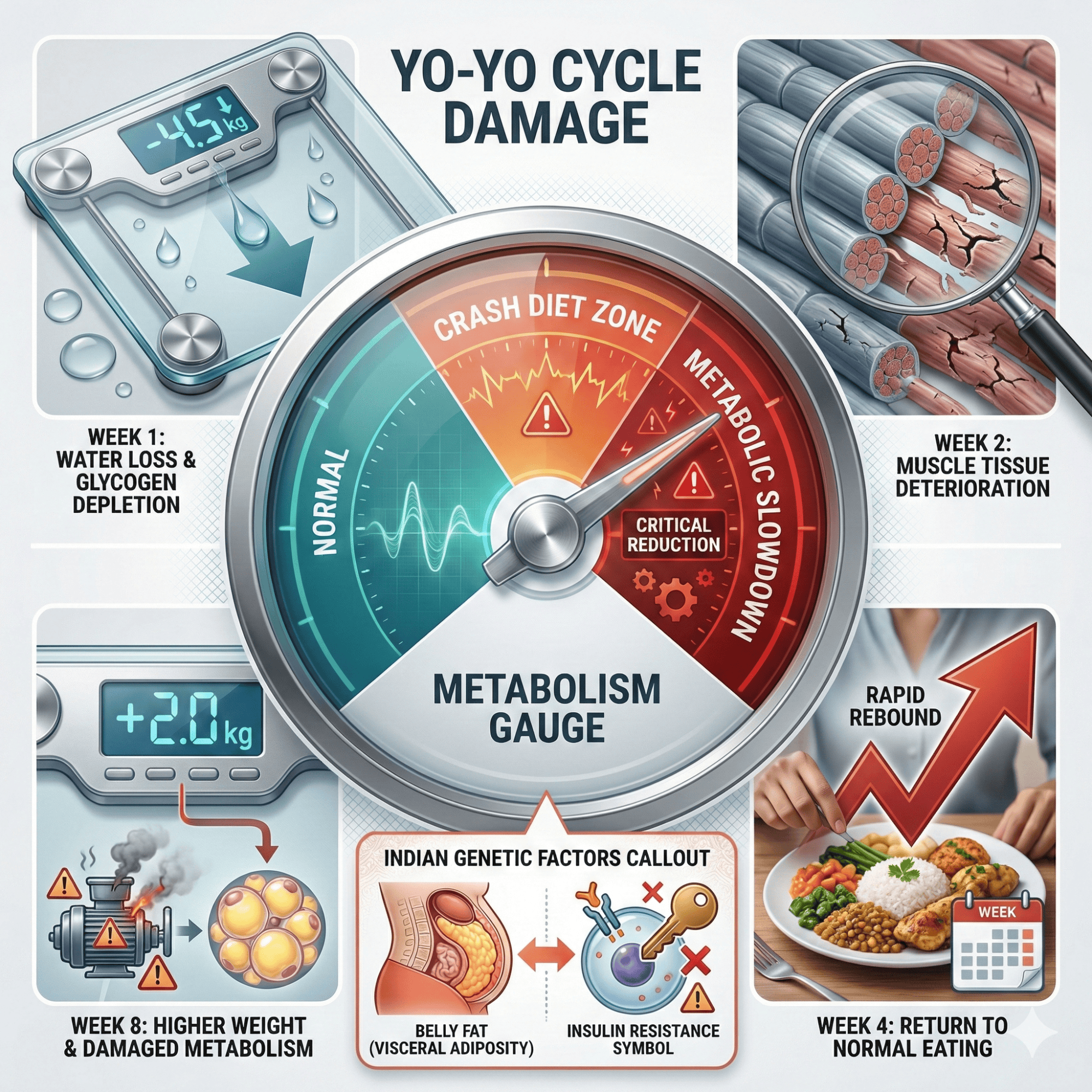
How Celebrity Weight Loss Diets Work in Your Body
When you drastically cut calories on crash diets, your body enters survival mode. Your metabolism slows down to conserve energy because your body thinks there’s a food shortage. Initially, you lose weight quickly (mostly water and muscle), which feels encouraging. However, this metabolic slowdown means you burn fewer calories at rest. When you return to normal eating, your slower metabolism can’t handle the same food intake, causing rapid weight regain. This yo-yo cycle damages your metabolism long-term, making each subsequent diet attempt harder.
The Connection Between Fad Diets and Health
Fad diets create multiple health problems. Severe calorie restriction triggers hormonal imbalances, affecting your thyroid, cortisol, and reproductive hormones. You might experience hair loss, irregular periods, constant fatigue, and weakened immunity. These diets often lack essential nutrients. For instance, cutting out all carbs deprives your body of fiber, B vitamins, and the energy your brain needs to function properly. As a result, you experience brain fog, mood swings, and digestive issues. The stress of following extreme rules also elevates cortisol, which ironically promotes belly fat storage.
What Research Shows for Indian Population
Studies on Indian populations reveal concerning patterns with crash diets. Research shows that Indians have a higher genetic tendency to store belly fat and develop insulin resistance. Extreme dieting worsens these issues rather than solving them. One study found that Indian women who followed very low-calorie diets had significantly decreased muscle mass and bone density compared to those who lost weight gradually. Another study linked repeated fad diets with increased diabetes risk in South Asians. Therefore, sustainable approaches work better for Indian bodies than celebrity-promoted quick fixes.
Crash Diets: What to Watch For
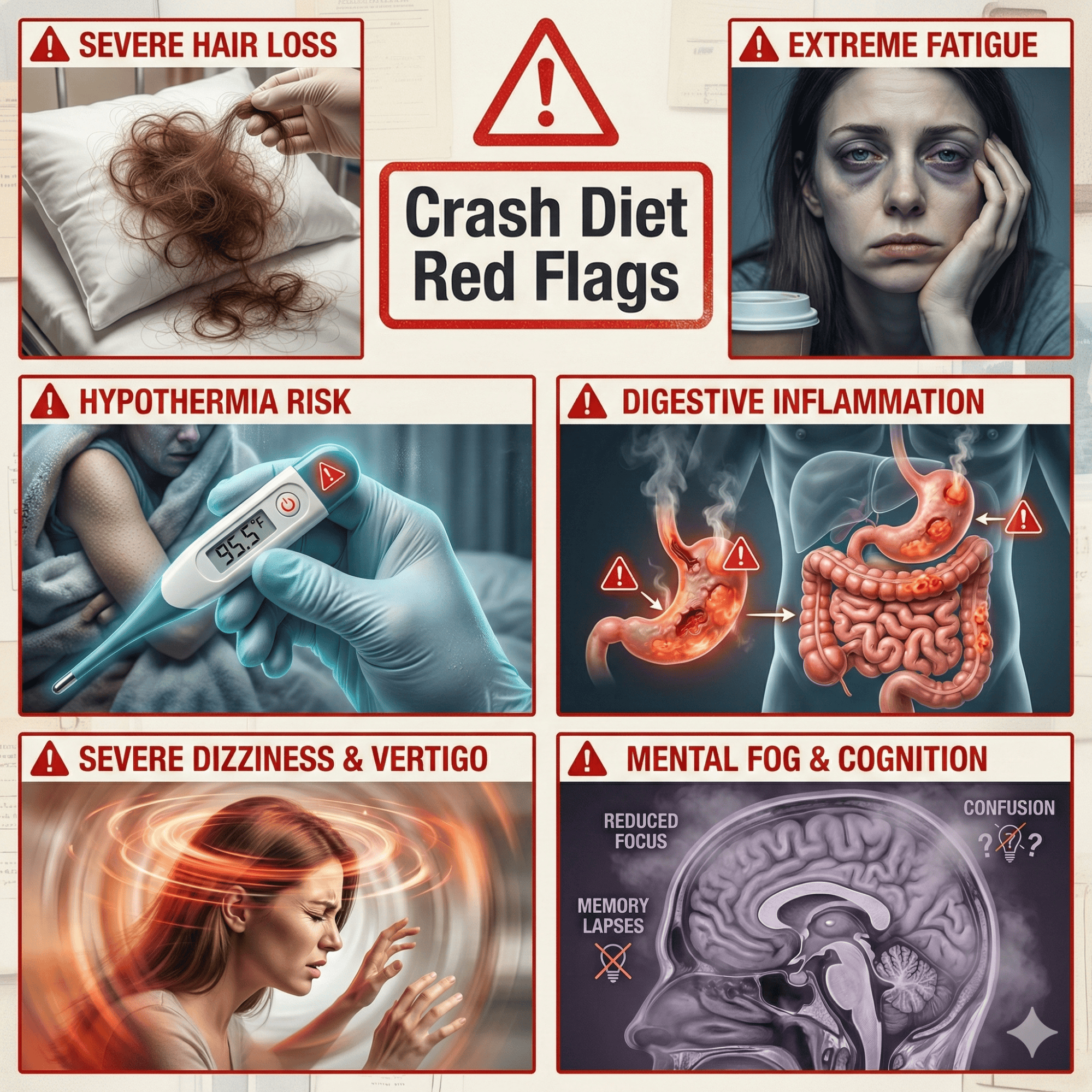
Physical Signs and Symptoms to Monitor
When following crash diets, watch for these warning signs. Constant fatigue and weakness that interferes with daily activities signals your body isn’t getting enough fuel. Hair falling out in clumps indicates nutritional deficiencies, particularly protein and iron. Feeling cold all the time suggests your metabolism has slowed. Dizziness, lightheadedness, or fainting spells are serious red flags. Digestive issues like constipation, bloating, or irregular bowel movements show your gut health is suffering. Bad breath (especially with keto diets) and constant headaches are also common symptoms.
Emotional and Mental Health Indicators
Diet culture takes a heavy toll on mental health. You might develop an unhealthy obsession with food, thinking about it constantly. Anxiety around eating, especially in social situations, becomes overwhelming. Feeling guilty after eating “forbidden” foods creates a toxic relationship with nutrition. Mood swings, irritability, and feeling emotionally fragile are common. Some people develop disordered eating patterns that require professional help. If you find yourself avoiding social events because of food, or feeling depressed about your eating choices, these are serious warning signs.
When to Consult a Healthcare Professional
Seek medical help immediately if you experience severe symptoms. Rapid heartbeat, chest pain, or breathing difficulties while dieting require urgent attention. Fainting, extreme dizziness, or blurred vision are medical emergencies. If you’ve lost your period for more than three months, consult a gynecologist. Persistent digestive problems or signs of malnutrition (like extreme weakness or swelling) need evaluation. Also seek help if you notice disordered eating behaviors or can’t stop thinking about food and weight. Your health is more important than rapid weight loss.
Indian Lifestyle Factors Affecting Celebrity Weight Loss Diets
Modern Indian Diet Challenges and Solutions
The challenge is balancing traditional Indian eating with weight loss goals. Our cuisine is carb-heavy (rice, rotis, potatoes) which celebrity weight loss diets often demonize. However, these foods aren’t your enemy when eaten in proper portions. The real issues are refined flour (maida), excess oil in restaurant food, and large portion sizes. Solutions include choosing whole grains over refined ones, controlling oil portions, and loading half your plate with vegetables. Don’t eliminate dal-chawal or roti-sabzi. Instead, adjust quantities and cooking methods for sustainable weight loss.
Work-Life Balance and Urban Living Impact
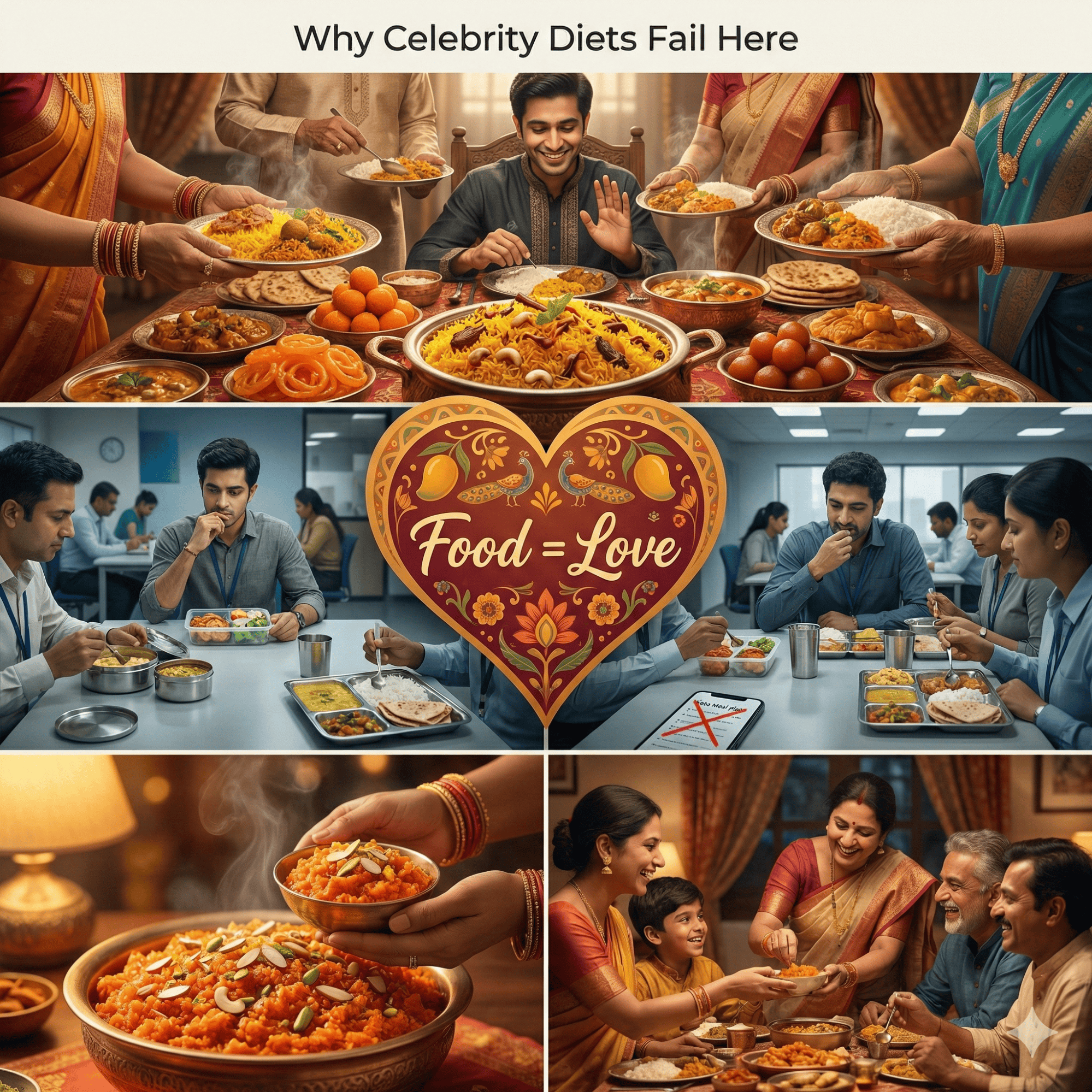
Urban Indian life makes following strict fad diets nearly impossible. Your office cafeteria doesn’t serve keto-friendly meals. Birthday celebrations involve cake, not celery sticks. Weekend family dinners feature your favorite foods, not bland steamed vegetables. Trying to follow celebrity weight loss diets in this environment creates constant stress and social isolation. In fact, the stress from rigid dieting often causes more weight gain than the foods you’re avoiding. Better approach: learn portion control, make healthier choices when possible, and enjoy treats mindfully without guilt.
Cultural and Social Influences on Health
Indian culture complicates dieting in unique ways. Refusing food at someone’s home is considered rude. Festival seasons involve sweets and rich foods that are part of tradition. Moreover, family members often pressure you to eat more, taking offense if you decline. Diet culture doesn’t account for these cultural nuances. The solution isn’t isolating yourself or being rude to loved ones. Instead, communicate your health goals clearly, eat small portions to be polite, and don’t let one meal derail your entire journey. Balance cultural participation with your wellness goals.
Best Indian Foods for Celebrity Weight Loss Diets Management
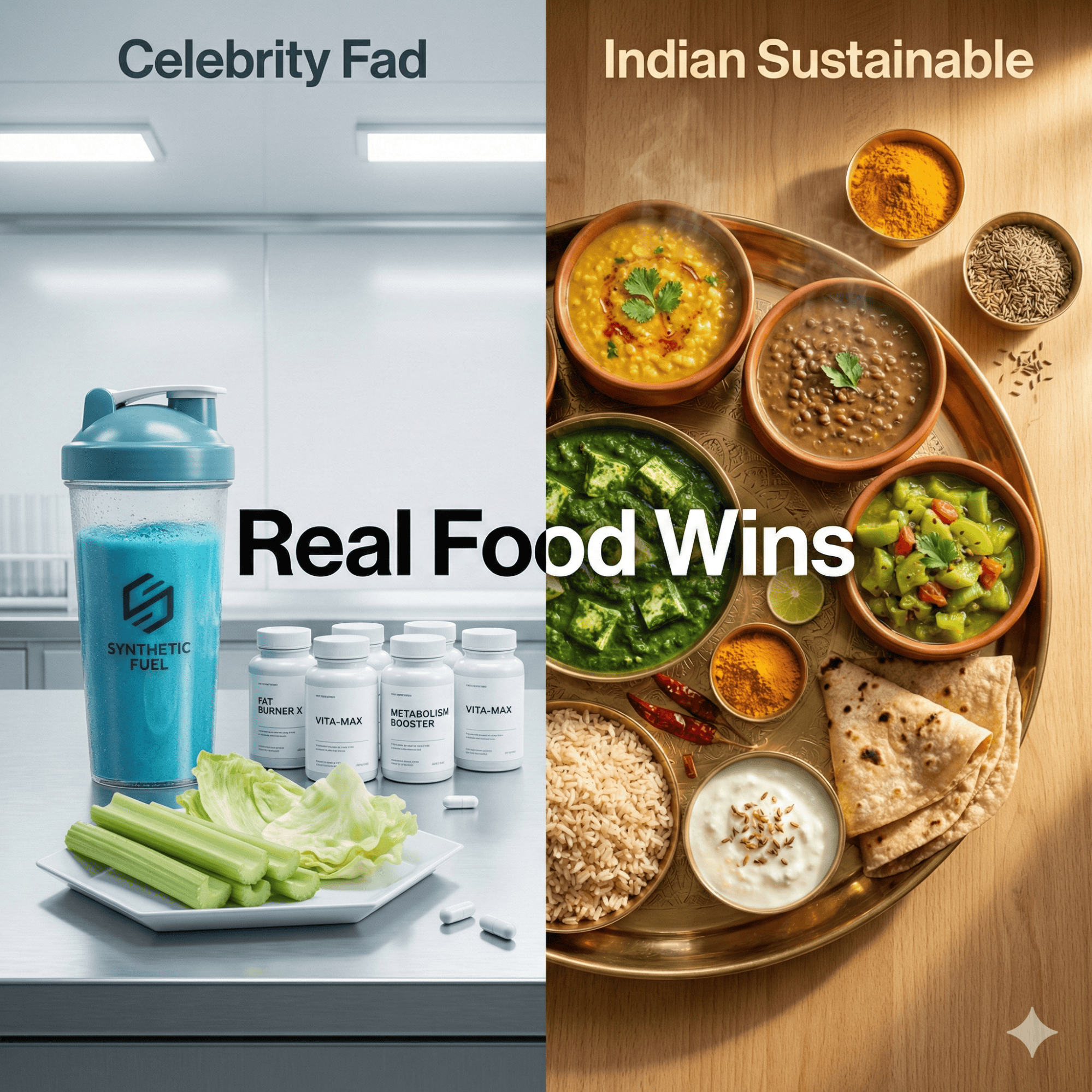
Traditional Indian Foods That Support Sustainable Weight Loss
Indian cuisine offers incredible options for sustainable weight loss without deprivation. Whole dals (moong, masoor, toor, chana) provide protein and fiber that keep you full. Vegetables like lauki, tori, bhindi, and leafy greens (palak, methi) are low-calorie and nutrient-dense. Fermented foods like curd, idli, and dosa support gut health and digestion. Spices like turmeric, jeera, coriander, and black pepper boost metabolism naturally. Even rice and rotis are fine in controlled portions. These foods sustained our ancestors for centuries and they’ll work for you too.
Modern Indian Meal Options and Healthy Recipes
You don’t need fancy ingredients for healthy meals. Breakfast could be vegetable poha with peanuts, or moong dal cheela with mint chutney. Lunch might be brown rice with dal, sabzi, and raita, or multigrain rotis with rajma. Dinner options include khichdi with ghee and vegetables, or grilled paneer with quinoa and clear soup. Snacks can be roasted chana, fruit, or vegetable sticks with hummus. The key is including protein (dal, eggs, paneer, chicken), fiber (vegetables, whole grains), and healthy fats (nuts, ghee in moderation) at every meal.
Foods to Limit or Avoid for Better Results
While no food is completely banned, some choices hinder progress. Minimize refined carbs like white bread, maida-based snacks, biscuits, and white rice. Reduce deep-fried foods such as samosas, pakoras, and fried parathas. Limit sugary drinks including sodas, packaged juices, and excessive chai with sugar. Cut back on packaged and processed foods loaded with preservatives and hidden sugars. Restaurant food often contains more oil than home cooking. However, having these occasionally won’t ruin your progress. It’s daily habits that matter, not occasional treats.
Portion Sizes and Meal Timing for Indians
Portion control matters more than extreme restrictions. Use the plate method: fill half your plate with vegetables, one quarter with protein (dal, chicken, paneer), and one quarter with whole grains. For rotis, 2 to 3 medium rotis per meal is reasonable depending on your activity level. For rice, stick to 1 katori (about one cup cooked). Additionally, meal timing affects results. Eat breakfast within an hour of waking, lunch between 12 to 2 PM, and dinner by 8 PM. Space meals 3 to 4 hours apart to maintain stable blood sugar and energy levels.
Lifestyle Changes to Support Celebrity Weight Loss Diets
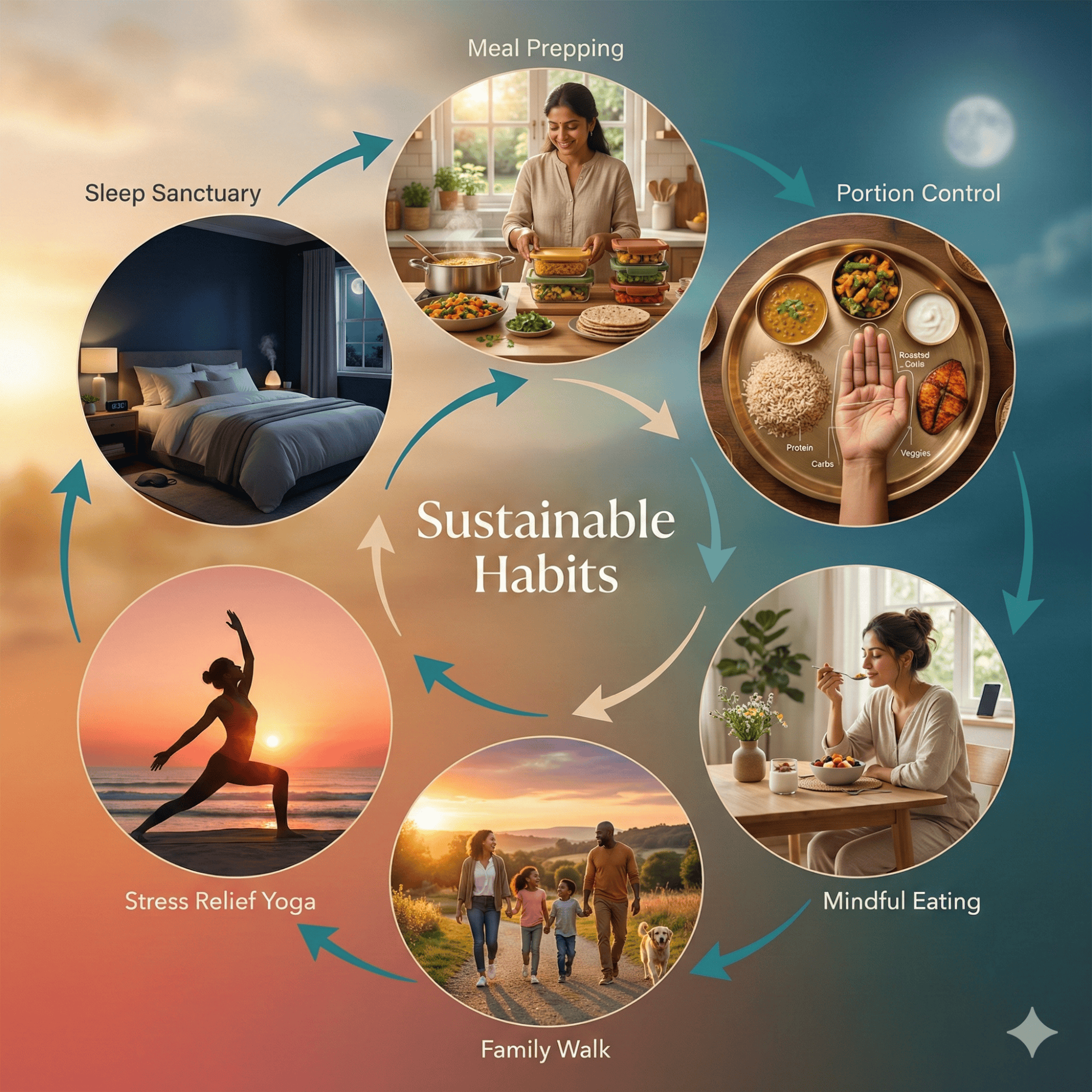
Diet Culture: The Right Approach for Indians
Reject diet culture that profits from your insecurity. You don’t need to be constantly dieting or feeling guilty about food. The right approach focuses on adding nutritious foods rather than obsessing over restrictions. Build habits you can maintain forever, not just until you reach a target weight. Celebrate non-scale victories like better energy, improved sleep, or fitting into old clothes. Stop comparing yourself to celebrities who have vastly different resources and lifestyles. Your journey is unique and comparing only breeds dissatisfaction.
Sleep and Stress Management Strategies
Quality sleep is crucial for sustainable weight loss. Aim for 7 to 8 hours of consistent sleep. Poor sleep disrupts hunger hormones, making you crave high-calorie foods. Keep your bedroom dark, cool, and phone-free. Establish a calming bedtime routine. For stress management, find what works for you personally. This might be meditation, yoga, walking, journaling, or talking with friends. Chronic stress elevates cortisol, which promotes belly fat storage. Managing stress isn’t optional; it’s essential for reaching your goals.
Daily Habits That Make a Real Difference
Small consistent habits create lasting change. Start your day with a glass of water and light stretching. Take short walking breaks during work, even if just 5 minutes. Choose stairs over elevators when possible. Pack healthy snacks to avoid vending machine temptations. Cook at home more often, even simple meals. Eat mindfully, chewing slowly and without screen distractions. Track your meals (not to obsess, but to build awareness). Stay hydrated throughout the day. These aren’t dramatic changes, but they compound into significant results over time.
Your 7-Day Celebrity Weight Loss Diets Management Meal Plan
This meal plan emphasizes sustainable weight loss with balanced nutrition and realistic portions:
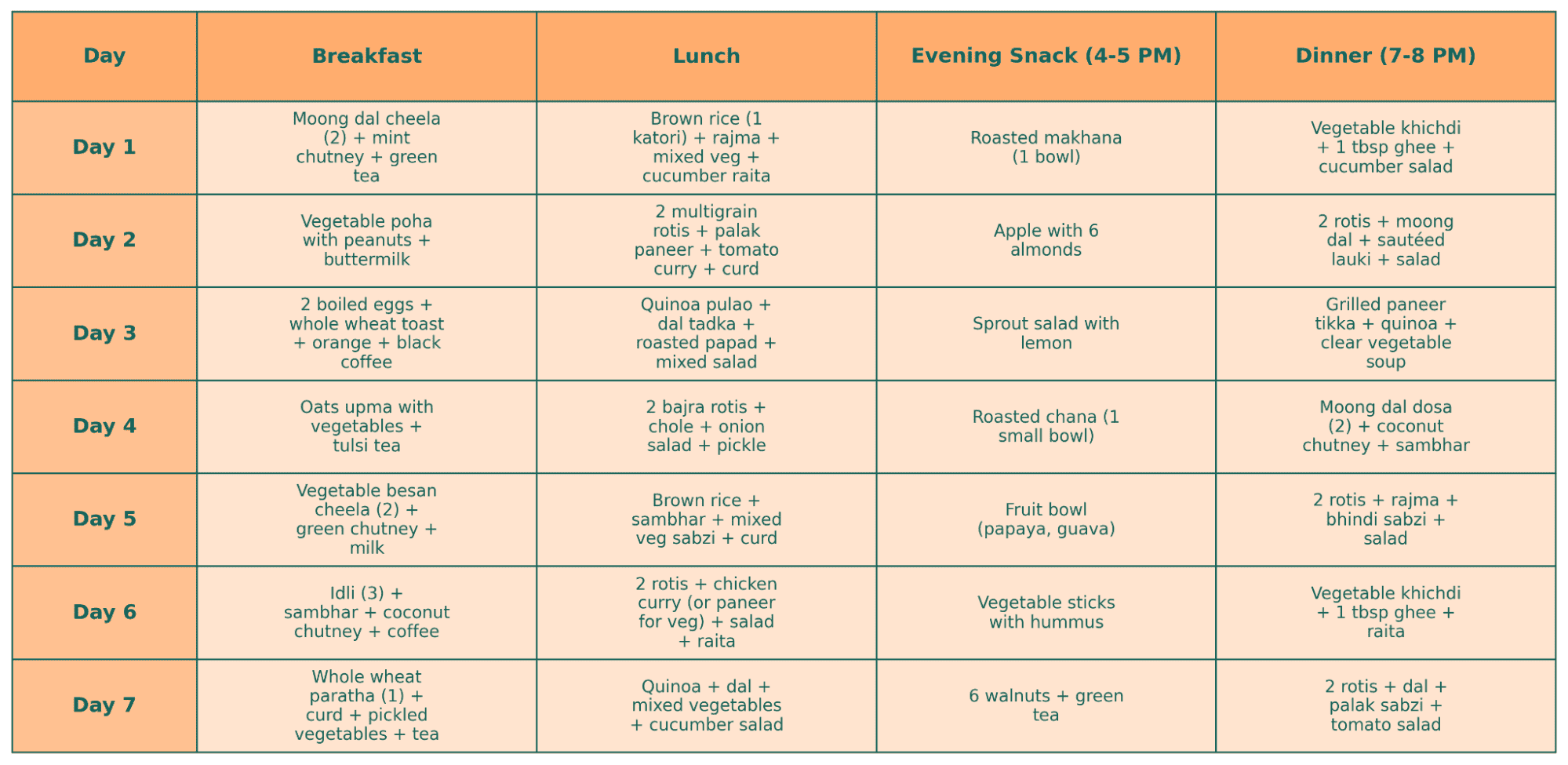
Note: Drink 8 to 10 glasses of water daily. Have green tea or herbal tea between meals if desired.
Common Mistakes Indians Make with Celebrity Weight Loss Diets
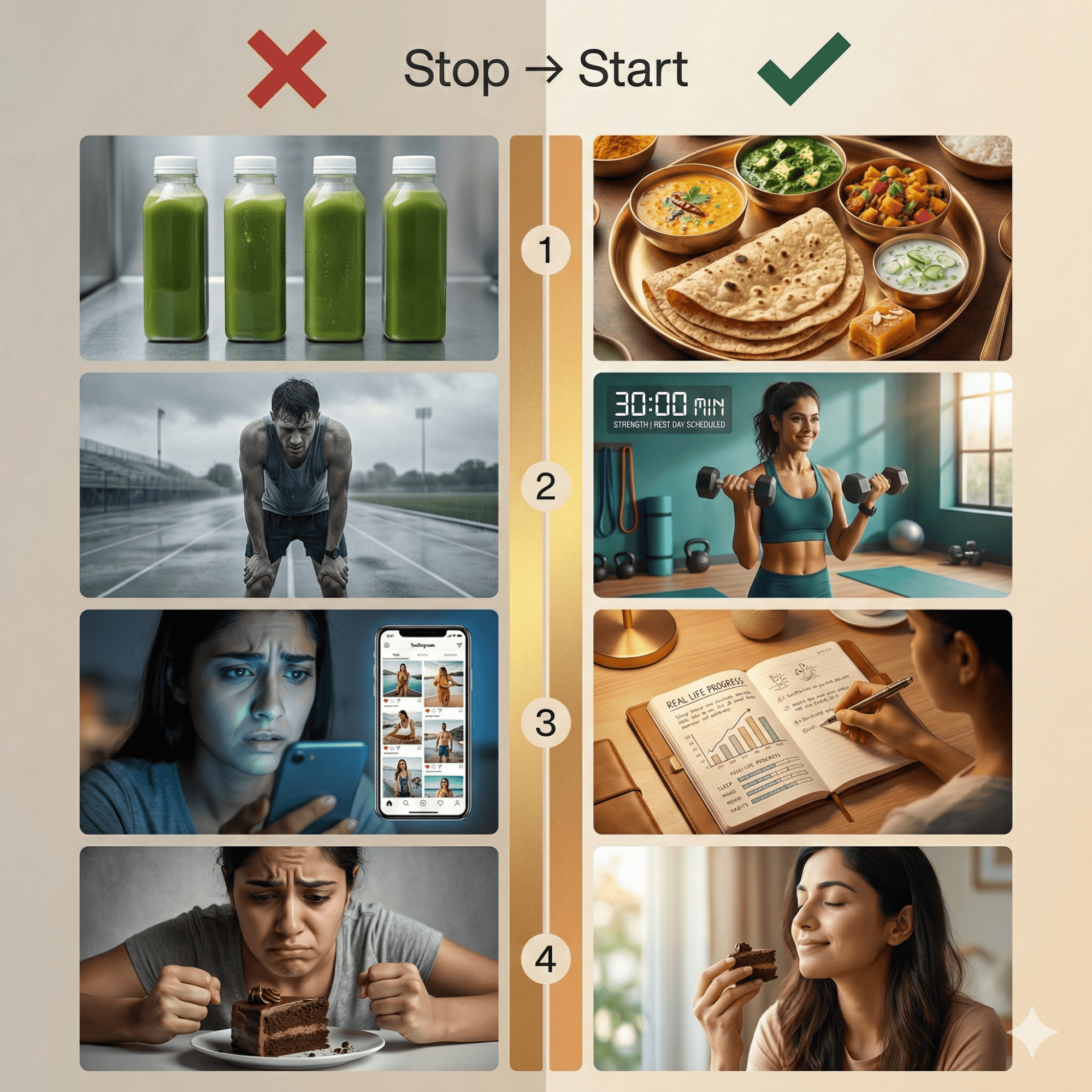
Diet Mistakes That Sabotage Progress
The biggest mistake is following celebrity weight loss diets blindly without considering your lifestyle. Cutting calories too severely slows your metabolism and causes muscle loss. Eliminating entire food groups (like carbs or fats) creates nutritional deficiencies. Skipping meals, especially breakfast, leads to overeating later. Relying only on “diet foods” while ignoring portion sizes of healthy foods also backfires. Another error is not eating enough protein, which is crucial for preserving muscle during weight loss. These mistakes make weight loss harder and less sustainable.
Lifestyle Pitfalls to Watch Out For
Many Indians sabotage themselves without realizing it. Underestimating portion sizes, especially of healthy foods like nuts and ghee, adds hidden calories. Eating while distracted (watching TV, scrolling phone) leads to overeating. Not planning meals results in last-minute unhealthy choices. Over-exercising while under-eating creates extreme stress on your body. However, trying to be perfect and feeling guilty over small indulgences keeps you trapped in the diet culture cycle. Social media comparison and constantly searching for the “perfect” diet waste energy better spent on consistent action.
How to Course-Correct When Things Go Wrong
When you slip up, avoid extreme compensation. Don’t skip meals the next day or exercise excessively to “make up” for overeating. This creates an unhealthy cycle. Instead, simply return to your regular eating schedule at the next meal. Analyze what triggered the overeating without judgment. Was it stress, boredom, or social pressure? Understanding triggers helps prevent future occurrences. Therefore, focus on progress, not perfection. One indulgent meal or even a week off-track doesn’t erase weeks of healthy habits. Consistency over time matters far more than perfection.
Conclusion
Celebrity weight loss diets promise magical transformations but deliver temporary results and lasting damage. These fad diets ignore the reality of Indian bodies, lifestyles, and cultural relationships with food. The cycle of crash diets followed by weight regain doesn’t just waste your time and money; it damages your metabolism and mental health. Sustainable approaches might seem slower, but they’re the only path to lasting results without sacrificing your wellbeing.
True sustainable weight loss happens through consistent small changes, not extreme restrictions. Start with one change today: replace one refined food with a whole grain option, take a 10-minute walk after dinner, or practice mindful eating at one meal. Track your energy and mood (not just your weight) for the next week. These simple habits compound into significant results over time.
FAQs
Q1: What is celebrity weight loss diets and how does it affect Indians?
Celebrity weight loss diets are extreme plans promising rapid weight loss through severe calorie restriction or eliminating food groups. These fad diets ignore Indian eating patterns and cultural food relationships, causing temporary weight loss followed by rapid regain and metabolic damage.
Q2: What are the main signs of crash diet problems?
Warning signs of crash diets include constant fatigue, excessive hair loss, feeling cold, dizziness, digestive issues, bad breath, and headaches. Watch for mental health signs like obsessive food thoughts, anxiety around eating, guilt after meals, and irregular periods.
Q3: What foods should Indians eat for better sustainable weight loss?
For sustainable weight loss, eat whole dals, vegetables like lauki and palak, fermented foods like curd, whole grains, and healthy fats from ghee and nuts with spices like turmeric. Focus on balanced meals rather than eliminating food groups like fad diets recommend.
Q4: Can weight loss be achieved naturally without celebrity diets?
Yes, achieve sustainable weight loss without celebrity weight loss diets through balanced nutrition, regular exercise, adequate sleep, and stress management. Gradual weight loss of 0.5 to 1 kilo per week is healthier without expensive supplements or extreme restrictions.
Q5: How long does it take to see results with sustainable weight loss changes?
With sustainable weight loss, expect improved energy in weeks 1 to 2, better-fitting clothes by weeks 3 to 4, and visible changes around 6 to 8 weeks. Significant weight loss takes 3 to 6 months, unlike crash diets that cause rapid regain.
Q6: When should I consult a doctor about weight loss concerns?
Seek help for severe symptoms like chest pain, fainting, dizziness, missing periods over three months, digestive problems, or significant hair loss. Consult a doctor if you have disordered eating patterns or health conditions like diabetes before starting weight loss.
Related Posts


