

You climb one flight of stairs and feel breathless. By afternoon, you’re exhausted despite a full night’s sleep. Your hands and feet feel cold constantly. These aren’t just signs of being out of shape. Low blood oxygen levels might be the culprit. Understanding foods to improve oxygen level isn’t about complicated science. It’s about giving your blood the nutrients it needs to carry oxygen efficiently. This guide reveals 10 powerful foods to improve oxygen level that boost circulation naturally, using affordable ingredients from your local market.
What Is Foods To Improve Oxygen Level and Why Indian Dieters Should Care?
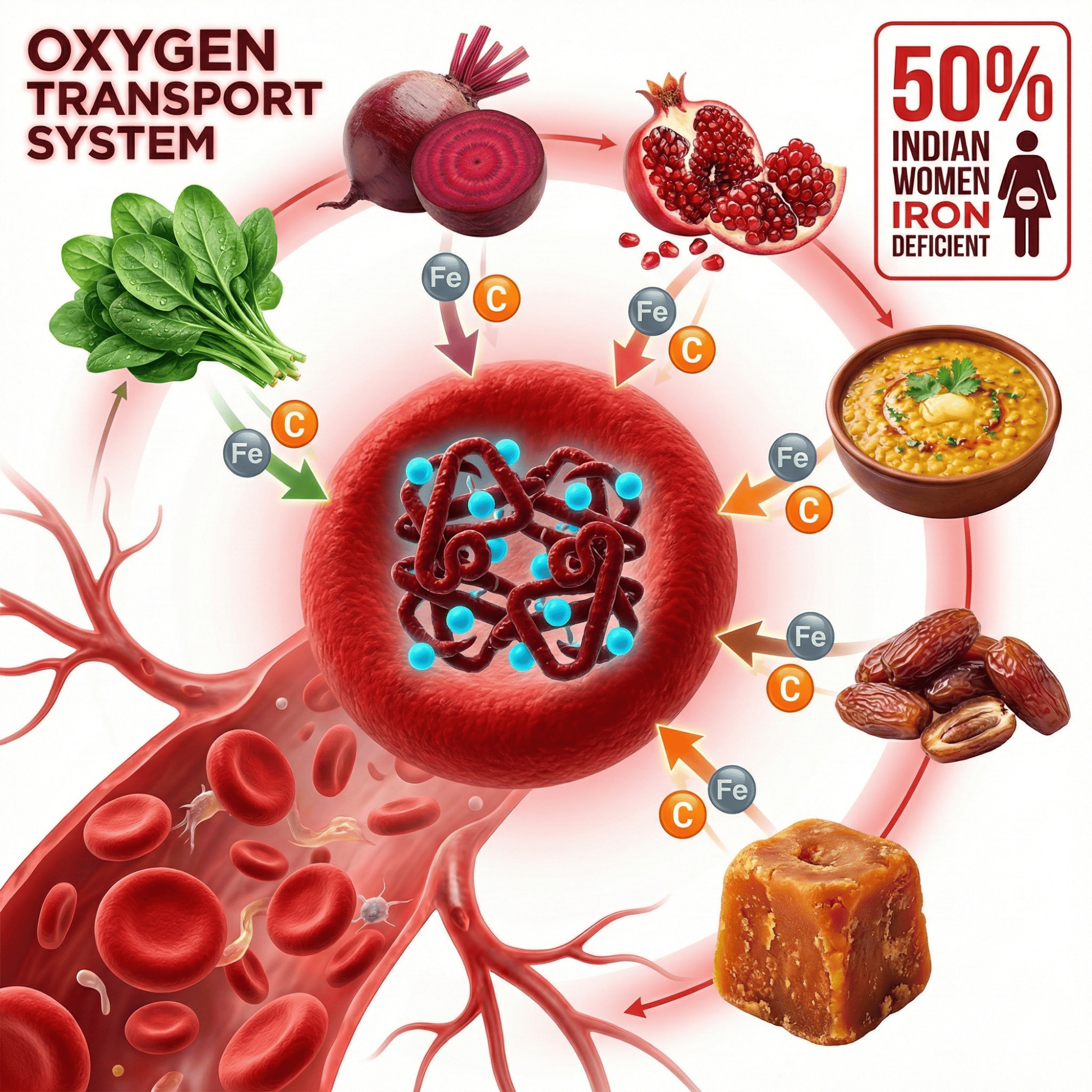
Your blood carries oxygen from your lungs to every cell in your body. Red blood cells use hemoglobin, a protein, to transport this oxygen. Foods to improve oxygen level are nutrients that support hemoglobin production and blood circulation. Iron builds hemoglobin. Vitamin C helps your body absorb iron. B vitamins support red blood cell formation. Additionally, certain foods improve blood vessel function, allowing better oxygen delivery. When your diet lacks these nutrients, your body can’t transport oxygen efficiently, leaving you tired, weak, and short of breath even with minimal activity.
Why Foods to Improve Oxygen Level Matter for Indian Bodies
Indians face unique challenges with blood oxygen levels. Iron deficiency anemia affects nearly 50% of Indian women and 25% of men, significantly reducing oxygen-carrying capacity. Our predominantly vegetarian diets, while healthy in many ways, sometimes lack easily absorbed iron. Moreover, the prevalence of diabetes and heart conditions in Indians affects circulation. Urban pollution damages blood vessels and lungs, making efficient oxygen use even more crucial. Therefore, focusing on blood oxygen foods becomes essential for energy, immunity, and overall health. Better oxygenation means better brain function, faster healing, and improved physical performance.
Common Myths Debunked About This Topic
Let’s clear up misconceptions. First, you don’t need expensive supplements. Simple hemoglobin rich foods available in Indian markets work effectively. Second, just eating iron-rich foods isn’t enough if you’re not absorbing it. You need vitamin C and other nutrients too. Third, vegetarians can absolutely get sufficient iron through plant sources when eaten correctly. Fourth, breathing exercises alone won’t fix low oxygen if the underlying nutritional deficiency isn’t addressed. Finally, feeling tired constantly isn’t just “normal aging.” It’s often fixable through proper nutrition supporting better oxygenation.
The Science Behind Foods To Improve Oxygen Level for Indians
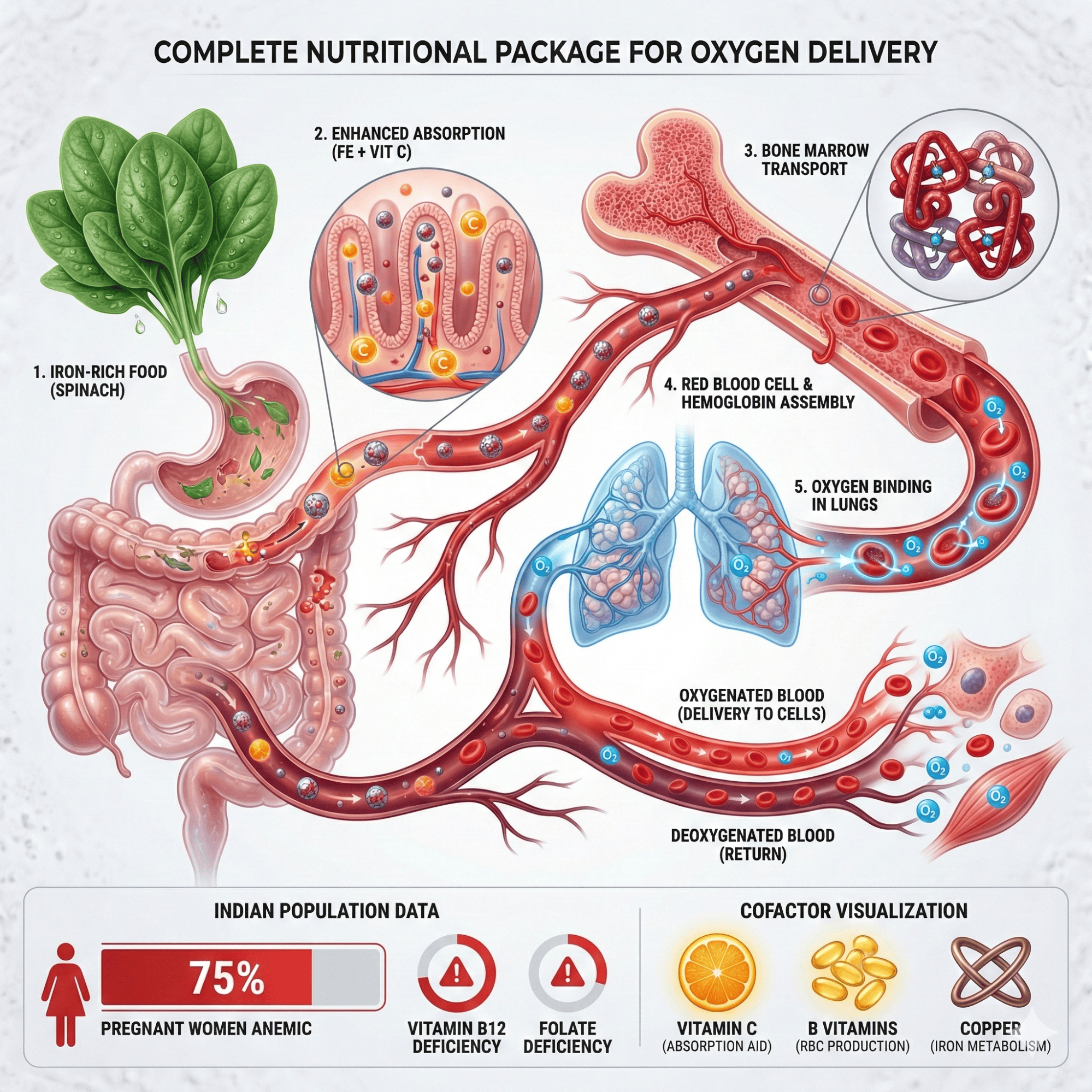
How Foods to Improve Oxygen Level Work in Your Body
When you eat iron rich foods, your body absorbs iron in the small intestine. This iron travels to your bone marrow, where new red blood cells are constantly being made. Iron becomes part of hemoglobin, which binds oxygen molecules in your lungs. As blood circulates, hemoglobin releases oxygen to cells that need it. However, this process needs help. Vitamin C improves iron absorption dramatically. B vitamins (B6, B12, folate) are essential for red blood cell formation. Copper helps iron function properly. Therefore, a complete nutritional approach works better than focusing on iron alone.
The Connection Between Blood Oxygen Foods and Health
Blood oxygen foods impact far more than just energy levels. Poor oxygenation causes constant fatigue, making daily tasks exhausting. Your brain needs 20% of your body’s oxygen, so low levels cause difficulty concentrating, poor memory, and mood issues. Weak immunity results because immune cells need oxygen to function properly. Moreover, poor circulation means cold hands and feet, slow wound healing, and hair loss. Heart health suffers as your heart works harder to pump oxygen-poor blood. As a result, improving blood oxygen through nutrition creates widespread health benefits you’ll notice quickly.
What Research Shows for Indian Population
Studies on Indian populations reveal concerning patterns. Research shows that iron deficiency anemia is extremely common, particularly among women due to menstruation, pregnancy, and inadequate dietary iron. One study found that 75% of pregnant Indian women were anemic. Additionally, vitamin B12 deficiency affects many vegetarians, impacting red blood cell formation. Folate deficiency is also prevalent. These nutritional gaps directly reduce blood’s oxygen-carrying capacity. In fact, improving iron status in anemic Indians showed dramatic improvements in energy, cognitive function, and work productivity. Addressing these deficiencies through foods to improve oxygen level is crucial for Indian health.
Hemoglobin Rich Foods: What to Watch For
Physical Signs and Symptoms to Monitor
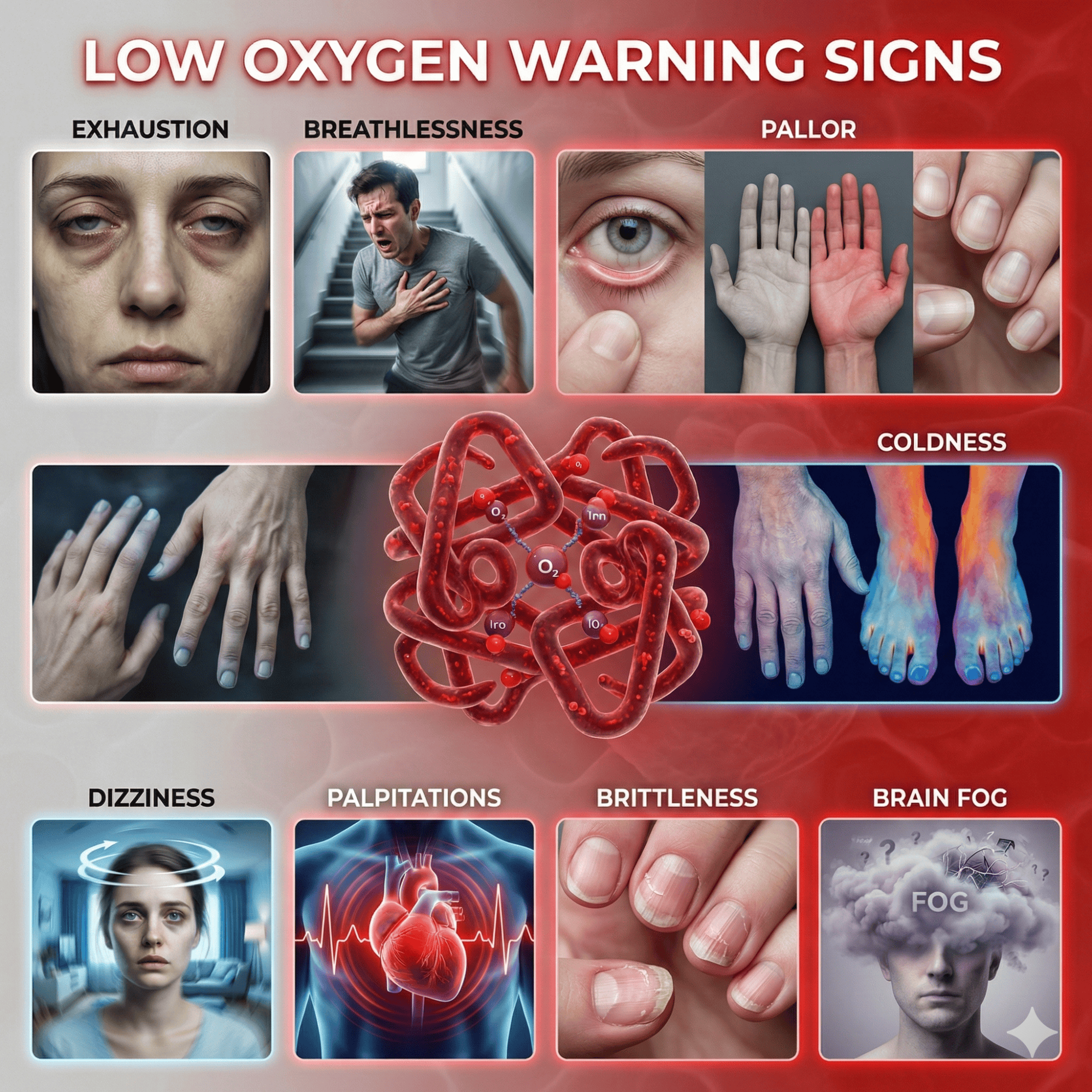
Low blood oxygen from inadequate hemoglobin rich foods shows clear physical signs. Persistent fatigue where you feel tired even after rest is the most common symptom. Shortness of breath during activities that shouldn’t be tiring, like walking or climbing stairs, indicates problems. Pale skin, particularly inside eyelids, under nails, and on palms, signals anemia. Cold hands and feet result from poor circulation. Dizziness or lightheadedness, especially when standing up, suggests insufficient oxygen to the brain. Additionally, watch for rapid heartbeat as your heart compensates by pumping faster, brittle nails, and frequent headaches.
Emotional and Mental Health Indicators
Poor oxygenation affects your mental state significantly. Difficulty concentrating or brain fog makes work and studying challenging. Memory problems become noticeable where you forget things easily. Mood changes including irritability, anxiety, or feeling down occur when your brain lacks adequate oxygen. Motivation drops as everything feels harder. Sleep quality suffers despite feeling exhausted. Moreover, some people experience unusual cravings for ice or non-food items (pica), which is a classic sign of iron deficiency. These mental symptoms improve remarkably once blood oxygen levels normalize through proper nutrition.
When to Consult a Healthcare Professional
Seek medical attention for severe symptoms. See a doctor if you experience chest pain, severe shortness of breath at rest, or fainting episodes. Consult a healthcare professional if extreme fatigue interferes with daily activities despite adequate rest. Get help for persistent dizziness or heart palpitations. Additionally, if you’ve improved your diet with iron rich foods for two months without improvement, you need blood tests. Some conditions like internal bleeding, chronic diseases, or genetic disorders cause anemia that requires medical treatment beyond diet changes. Early diagnosis and treatment prevent serious complications.
Indian Lifestyle Factors Affecting Foods To Improve Oxygen Level
Modern Indian Diet Challenges and Solutions
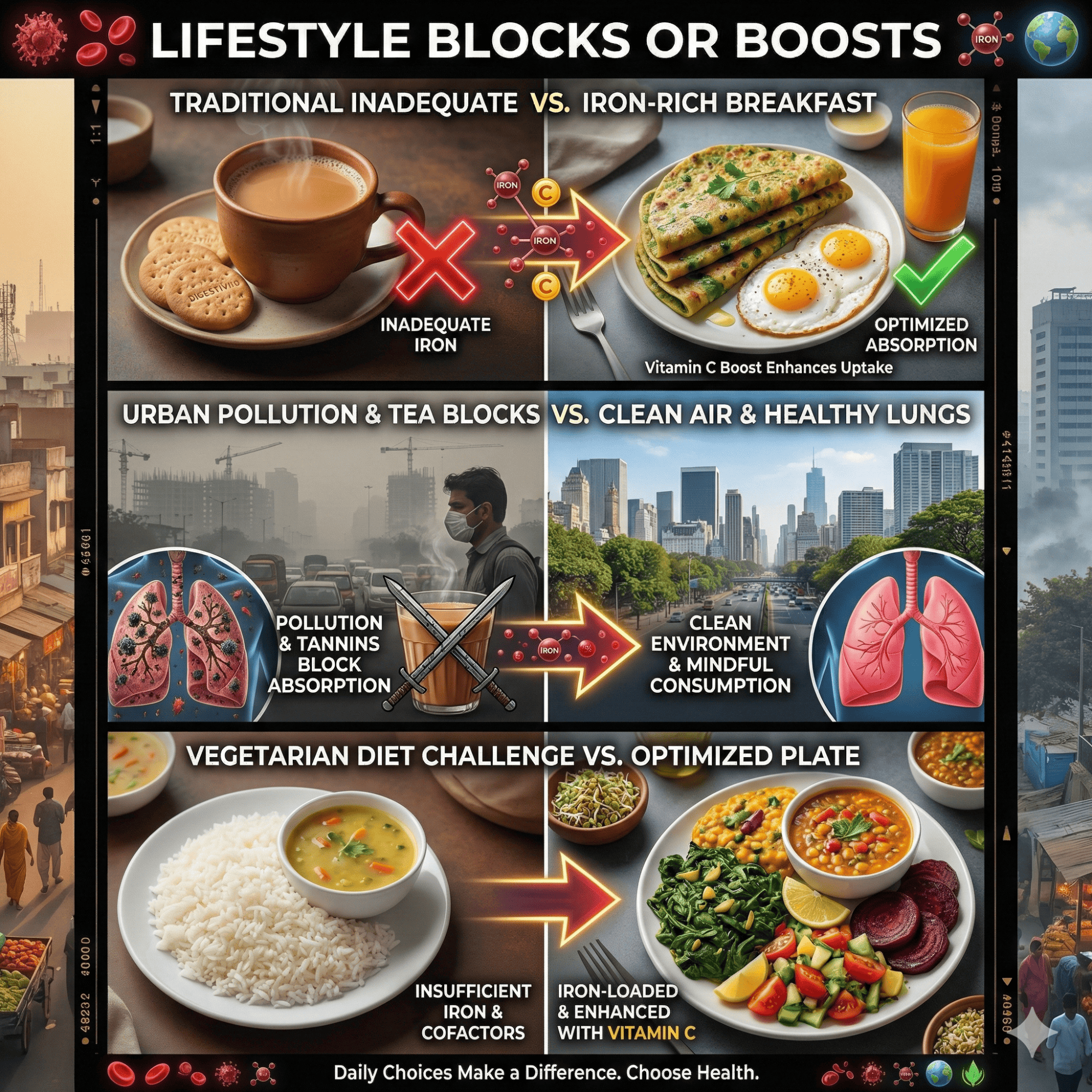
The modern Indian diet presents oxygenation challenges. Many people start the day with just chai and biscuits, providing no iron or protein. Lunch might be mostly rice or roti with minimal dal or vegetables. Vegetarian diets, while healthy, require careful planning to get adequate iron since plant iron absorbs less efficiently than meat iron. Moreover, tannins in excessive chai consumption block iron absorption. Solutions include starting breakfast with iron-rich options like eggs or fortified cereals. Add improve circulation foods like beetroot and leafy greens to meals. Pair iron foods with vitamin C sources like lemon or tomatoes. Limit chai to between meals rather than with food.
Work-Life Balance and Urban Living Impact
Urban Indian lifestyles harm oxygen levels through multiple pathways. Long commutes in polluted air damage lungs and blood vessels. Stress from work increases cortisol, which can lower iron levels. Sedentary desk jobs reduce circulation, making oxygen delivery less efficient. Additionally, irregular eating patterns mean skipping meals that would provide essential nutrients. Quick food choices often lack iron and vitamins. In fact, constant screen time affects posture, restricting breathing and circulation. Balance these by taking walking breaks, choosing nutrient-dense meals even when busy, practicing deep breathing exercises, and reducing pollution exposure when possible with masks or air purifiers.
Cultural and Social Influences on Health
Indian cultural practices sometimes work against optimal oxygenation. Heavy menstrual bleeding, common in Indian women, depletes iron but is rarely discussed openly. Frequent fasting without proper nutrition afterward depletes reserves. Vegetarianism practiced without knowledge of iron absorption strategies causes deficiencies. Moreover, social norms mean women often eat last and least in families, getting inadequate nutrition. Tea culture means drinking chai with every meal, blocking iron absorption. Navigate these by breaking taboos around menstrual health and seeking help when needed. Plan fasts carefully with nutrient-dense breaking meals. Learn proper vegetarian nutrition. Communicate your health needs to family. Drink chai between meals instead.
Best Indian Foods for Foods To Improve Oxygen Level Management
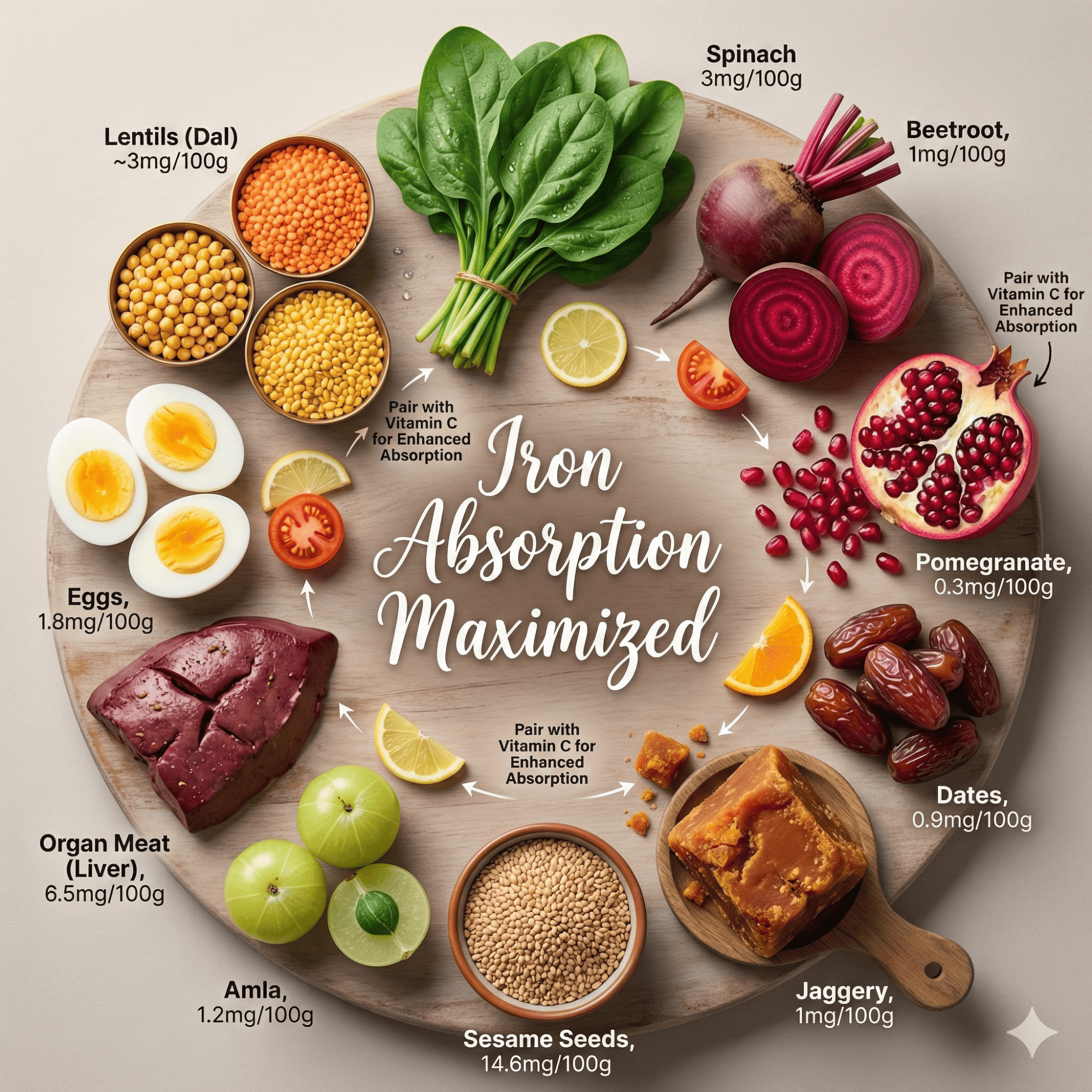
Traditional Indian Foods That Support Iron Rich Foods
Your local Indian market has powerful iron rich foods. Leafy greens like spinach (palak), amaranth (cholai), and fenugreek (methi) provide iron and folate. Beetroot boosts hemoglobin and improves circulation naturally. Pomegranate gives iron, vitamin C, and improves blood quality. Jaggery provides iron plus minerals. Additionally, dals (especially masoor, chana, moong) offer plant-based iron. Dates are iron-rich energy boosters. Sesame seeds (til) pack iron and copper. Even amla (Indian gooseberry) provides vitamin C to enhance iron absorption. Organ meats like liver provide highly absorbable iron for non-vegetarians. These affordable foods work effectively.
Modern Indian Meal Options and Healthy Recipes
Create oxygen-boosting meals easily. Breakfast could be spinach paratha with eggs, or beetroot halwa with nuts. Try moong dal cheela with tomato chutney for iron plus vitamin C. Lunch might include brown rice with masoor dal, palak paneer, beetroot salad, and pomegranate. Dinner options include bajra roti with methi chicken (or paneer), and cucumber salad. Snacks can be dates with almonds, til ladoo, or fresh pomegranate. Moreover, make iron-rich smoothies with spinach, beetroot, dates, and amla. The key is combining iron sources with vitamin C foods and avoiding tea with meals to maximize absorption.
Foods to Limit or Avoid for Better Results
Certain foods block iron absorption from blood oxygen foods. Excessive tea or coffee with meals significantly reduces iron uptake due to tannins. Drink these between meals instead, at least an hour before or after eating. Limit calcium-rich foods like dairy during iron-rich meals, as calcium competes with iron for absorption. Have your chai separately from your dal meal. Reduce processed foods that provide empty calories without nutrients. Additionally, avoid excessive fiber supplements that can bind minerals. Phytates in whole grains can block iron, but soaking or fermenting grains reduces this effect. You don’t need to eliminate these foods, just time them strategically.
Portion Sizes and Meal Timing for Indians
Meeting iron needs requires consistent intake. Adult men need 8 mg of iron daily, while women need 18 mg (27 mg if pregnant). One cup of cooked spinach provides 6 mg. A serving of masoor dal gives 3 mg. One egg has 1 mg. Additionally, include vitamin C with iron meals. One medium tomato, half an orange, or amla provides enough vitamin C to enhance absorption. Eat iron-rich foods at lunch when your digestive fire is strongest. Space calcium-rich foods (milk, curd) and iron-rich foods by 2 to 3 hours for optimal absorption. Consistent daily intake works better than occasional large amounts.
Lifestyle Changes to Support Foods To Improve Oxygen Level
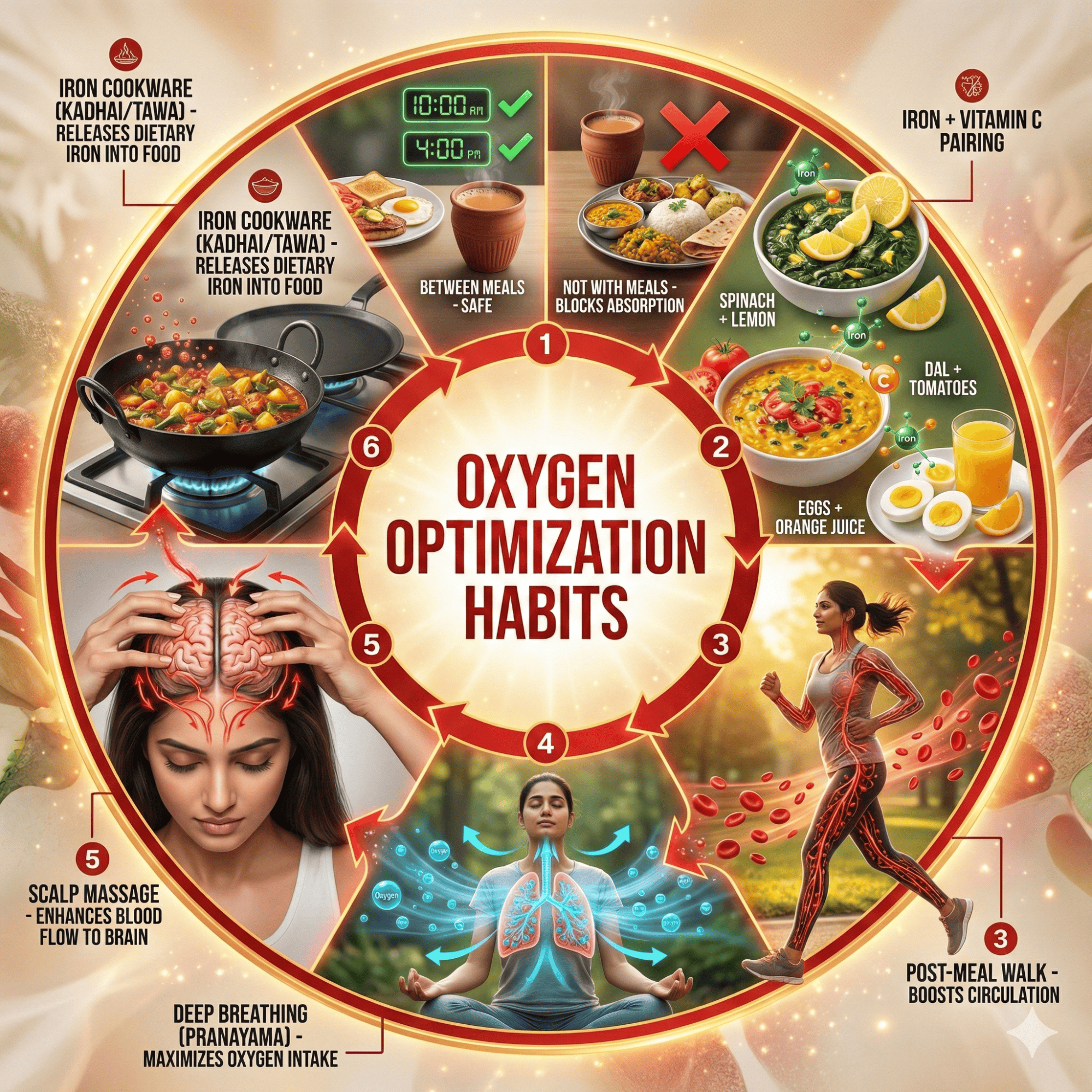
Improve Circulation: The Right Approach for Indians
Supporting circulation goes beyond food. Regular physical activity, even just 30 minutes of walking daily, significantly improves blood flow and oxygen delivery. Try yoga poses that improve circulation, like legs up the wall, downward dog, and cobra pose. Massage your legs and feet to stimulate blood flow. Stay hydrated as dehydration thickens blood, reducing oxygen transport efficiency. Moreover, manage stress through meditation or pranayama breathing exercises. Deep breathing increases oxygen intake while calming your nervous system. Avoid smoking and limit alcohol, which damages blood vessels. These habits maximize the benefits of foods to improve oxygen level you’re eating.
Sleep and Stress Management Strategies
Quality sleep is essential for blood health and oxygenation. Aim for 7 to 8 hours nightly in a dark, cool room. During deep sleep, your body repairs blood vessels and produces red blood cells. Keep consistent sleep times even on weekends. Avoid screens an hour before bed. For stress management, practice 10 minutes of deep breathing daily. Try alternate nostril breathing (nadi shodhana) which balances your nervous system. Additionally, take short breaks during work to stretch and breathe deeply. Chronic stress depletes nutrients, including iron and B vitamins, working against your nutritional efforts to improve oxygenation.
Daily Habits That Make a Real Difference
Small, consistent habits create visible results. Start your day with a glass of amla juice or water with lemon to prepare your body for iron absorption. Take a 10-minute walk after lunch to boost circulation. Practice five minutes of deep breathing exercises morning and evening. Sit up straight to allow full lung expansion. Additionally, massage your scalp for 2 minutes to improve brain circulation. Stretch your legs and arms every hour if you work at a desk. Cook in iron utensils, which adds small amounts of iron to food. These simple actions support the hemoglobin rich foods you’re eating by optimizing absorption and circulation.
Your 7-Day Foods To Improve Oxygen Level Management Meal Plan
This plan emphasizes iron rich foods with vitamin C for absorption:
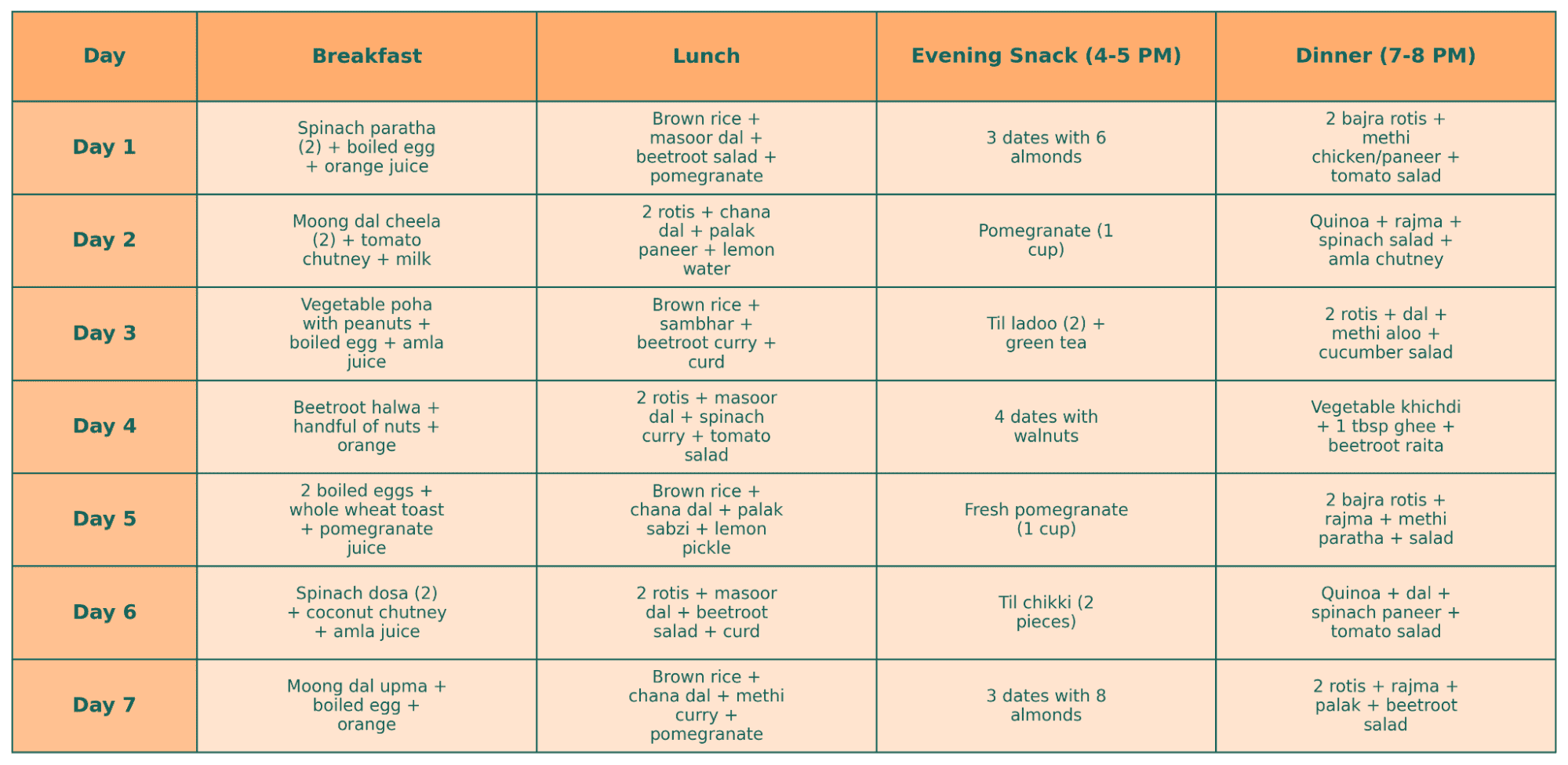
Note: Drink chai or coffee between meals, not with meals. Stay hydrated with 8 to 10 glasses of water daily. Include jaggery in moderation.
Common Mistakes Indians Make with Foods To Improve Oxygen Level
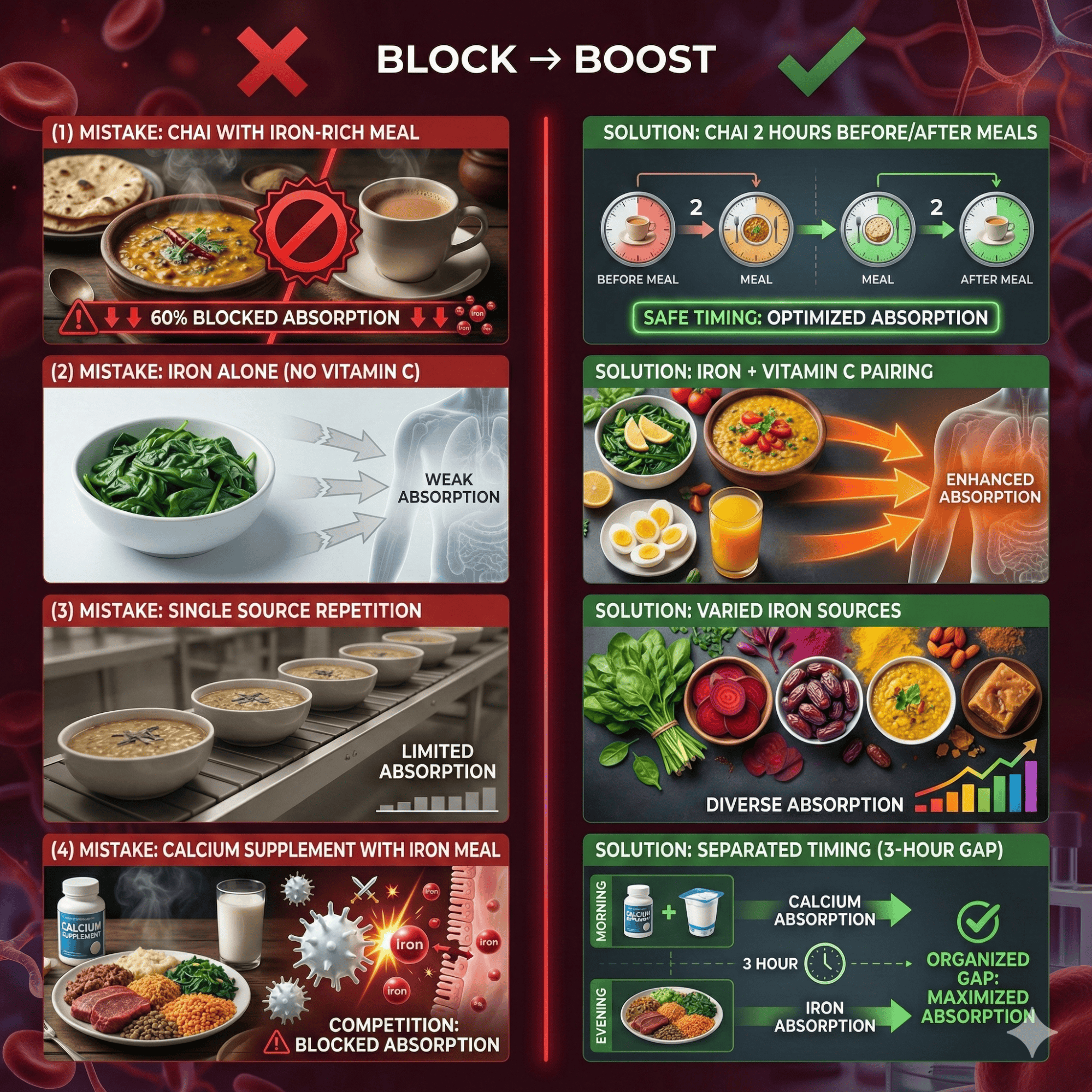
Diet Mistakes That Sabotage Progress
The biggest mistake is drinking chai with iron-rich meals, blocking up to 60% of iron absorption. Another error is not combining iron foods with vitamin C sources, reducing absorption by half. Many people eat only one iron source repeatedly instead of varying between different hemoglobin rich foods for complete nutrition. Vegetarians often consume inadequate amounts, not realizing plant iron needs larger quantities than meat iron. Moreover, taking calcium supplements with iron-rich meals creates competition for absorption. Cooking in aluminum utensils instead of iron ones misses an easy iron boost. These mistakes prevent improvements despite good intentions.
Lifestyle Pitfalls to Watch Out For
Many Indians sabotage oxygenation without realizing it. Smoking damages blood vessels and reduces oxygen capacity by 15% or more. Sitting all day reduces circulation, making oxygen delivery inefficient. Shallow breathing from poor posture limits oxygen intake at the source. Additionally, excessive alcohol depletes B vitamins needed for red blood cell production. Skipping meals means missing opportunities for nutrient intake. Relying on processed foods provides empty calories without the vitamins and minerals needed for blood health. Moreover, ignoring heavy menstrual bleeding or other conditions causing blood loss prevents improvement regardless of diet changes.
How to Course-Correct When Things Go Wrong
If you haven’t seen improvement after six weeks, evaluate honestly. Are you actually eating iron-rich foods daily, or just occasionally? Keep a three-day food diary to check. Maybe you’re consuming iron but still drinking chai with meals, blocking absorption. Therefore, adjust timing. Perhaps you have an underlying condition like internal bleeding or chronic disease preventing improvement. Get blood tests including hemoglobin, ferritin (iron stores), vitamin B12, and folate. Address any deficiencies with your doctor’s guidance. Sometimes supplements are needed initially alongside dietary improvements. Be patient as building blood levels takes time, usually showing results in 6 to 12 weeks with consistent effort.
Conclusion
Improving blood oxygen levels naturally through foods to improve oxygen level is simpler than you think. Indian markets offer affordable iron rich foods like spinach, beetroot, pomegranate, and dals that dramatically boost hemoglobin when eaten consistently with vitamin C. The key is understanding absorption principles: timing tea away from meals, pairing iron with vitamin C, and choosing varied nutrient sources rather than focusing on just one food.
Start today by adding one iron-rich food to each meal: spinach paratha for breakfast, masoor dal at lunch, beetroot salad for dinner. Time your chai between meals instead of with food. Additionally, take a 10-minute walk after lunch to boost circulation. These small changes compound into noticeable energy improvements within weeks.
FAQs
Q1: What is foods to improve oxygen level and how does it affect Indians?
Foods to improve oxygen level are nutrients that support hemoglobin production and blood circulation, helping your blood carry oxygen efficiently to all cells. Indians face high rates of iron deficiency anemia (50% of women), making blood oxygen foods crucial for energy, immunity, and brain function.
Q2: What are the main signs of low blood oxygen?
Signs include persistent fatigue, shortness of breath with minimal activity, pale skin especially inside eyelids, cold hands and feet, dizziness, rapid heartbeat, and headaches. Mental symptoms like difficulty concentrating, memory problems, and irritability indicate insufficient oxygen to the brain from lacking hemoglobin rich foods.
Q3: What foods should Indians eat for better blood oxygen?
Eat spinach, beetroot, pomegranate, masoor dal, chana dal, dates, jaggery, sesame seeds, amla, and eggs or organ meats. These iron rich foods need vitamin C from tomatoes, lemon, or oranges for maximum absorption. Avoid tea with meals.
Q4: Can blood oxygen be improved naturally?
Yes, improve circulation naturally through iron-rich foods with vitamin C, regular exercise like walking or yoga, deep breathing exercises, adequate sleep, and stress management. Avoid tea with meals and time calcium-rich foods separately from iron sources for optimal absorption.
Q5: How long does it take to see results with oxygen-improving foods?
Energy levels improve within 2 to 4 weeks as new red blood cells form. Hemoglobin levels increase measurably in 6 to 8 weeks. Full iron store replenishment takes 3 to 6 months of consistent intake of foods to improve oxygen level.
Q6: When should I consult a doctor about low oxygen?
See a doctor for severe symptoms like chest pain, extreme shortness of breath at rest, fainting, or persistent fatigue despite dietary improvements after two months. Get blood tests to check hemoglobin and iron stores for proper oxygenation diet guidance.
Related Posts


