

You’re eating 1200 calories daily, walking 10,000 steps, and the scale hasn’t budged in weeks. Your friend eats twice as much and loses weight easily. You’re exhausted, cold constantly, and your hair is falling out. Before you blame yourself for lack of willpower, understand this: you might be experiencing metabolic damage. This controversial topic confuses millions of Indian dieters who think they’re failing when their body is actually protecting itself. This guide reveals the truth about metabolic damage and how to fix it.
What Is Metabolic Damage and Why Indian Dieters Should Care?

Metabolic damage isn’t a medical diagnosis but describes what happens when extreme dieting slows your metabolism significantly. Your body adapts to very low calorie intake by burning fewer calories at rest, making further weight loss nearly impossible. This process, scientifically called adaptive thermogenesis, is your body’s survival mechanism. When you drastically cut calories, your body thinks it’s starving and slows everything down to conserve energy. Therefore, you burn 200 to 400 fewer calories daily than someone your size should burn normally. This creates the frustrating situation where you eat very little but still can’t lose weight because your metabolism has slowed to match your low intake.
Why Metabolic Matters for Indian Bodies
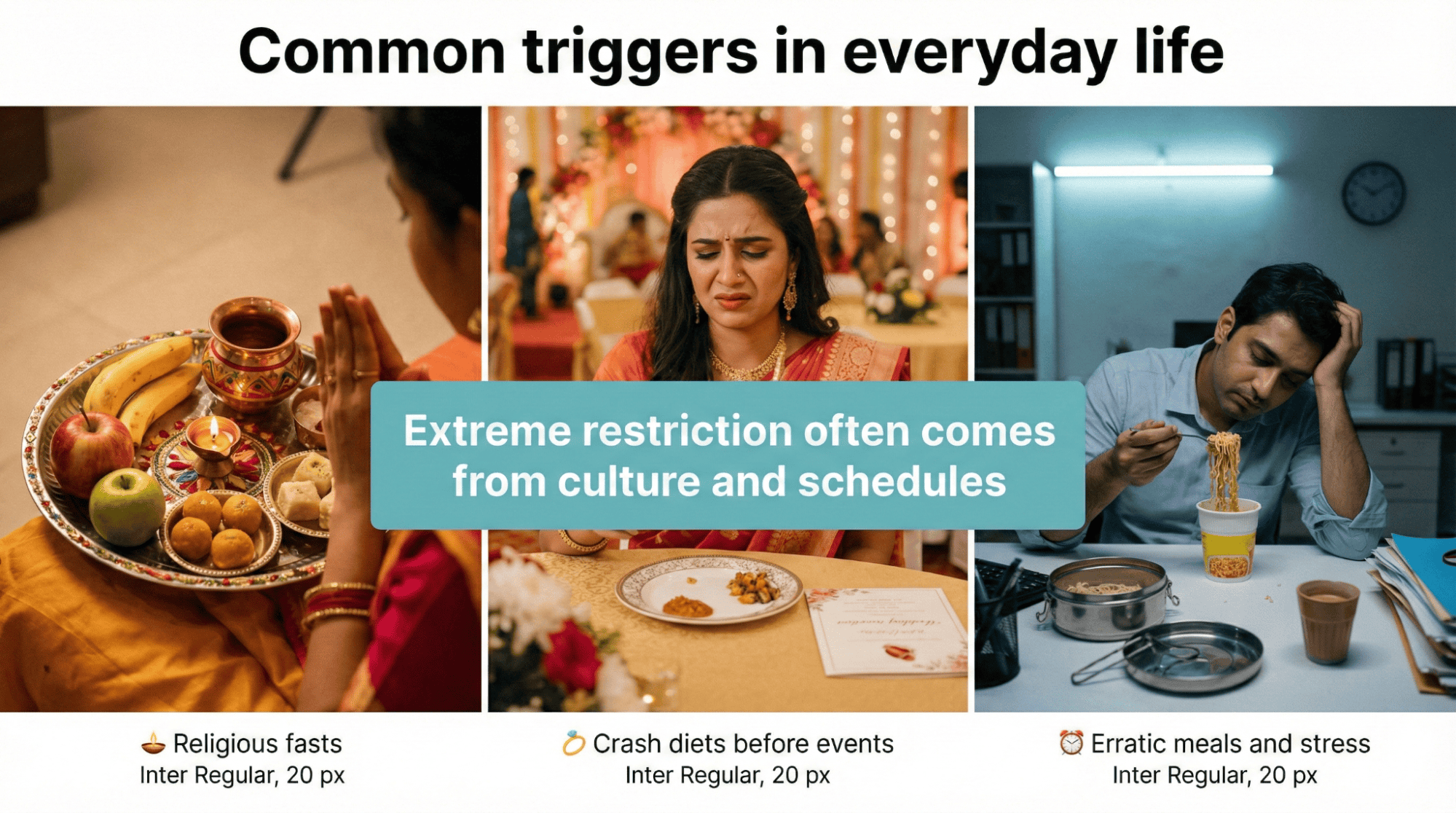
Indian dieters fall into metabolic damage traps more easily than others due to our diet culture. Extreme fasting for religious or weight loss reasons is common. Additionally, the pressure to lose weight quickly for weddings or events pushes people toward crash diets. Indian women particularly face this, often eating last and least in families while juggling work and home. Moreover, vegetarian diets require careful planning to get adequate protein, and many Indians don’t eat enough protein to preserve muscle during dieting. Less muscle means slower metabolism. The combination of extreme calorie restriction, inadequate protein, and cultural pressure creates perfect conditions for metabolic adaptation. Understanding this helps you avoid these traps and lose weight sustainably without damaging your metabolism.
Common Myths Debunked About This Topic
Let’s clear up confusion about metabolic damage. First, it’s not permanent or irreversible despite what you’ve read online. Your metabolism can recover with proper refeeding. Second, starvation mode doesn’t mean your body stops burning calories or stores everything as fat. It simply means your body has adapted to burn fewer calories than before. Third, you can’t break your metabolism permanently through dieting. However, you can slow it significantly, requiring months to normalize. Fourth, eating more doesn’t immediately fix metabolic damage. You need strategic reverse dieting to rebuild metabolism gradually. Finally, this isn’t an excuse to eat poorly. Real metabolic adaptation happens only after prolonged severe restriction, not from one week of dieting or occasional overeating.
The Science Behind Metabolic Damage for Indians
How Metabolic Works in Your Body
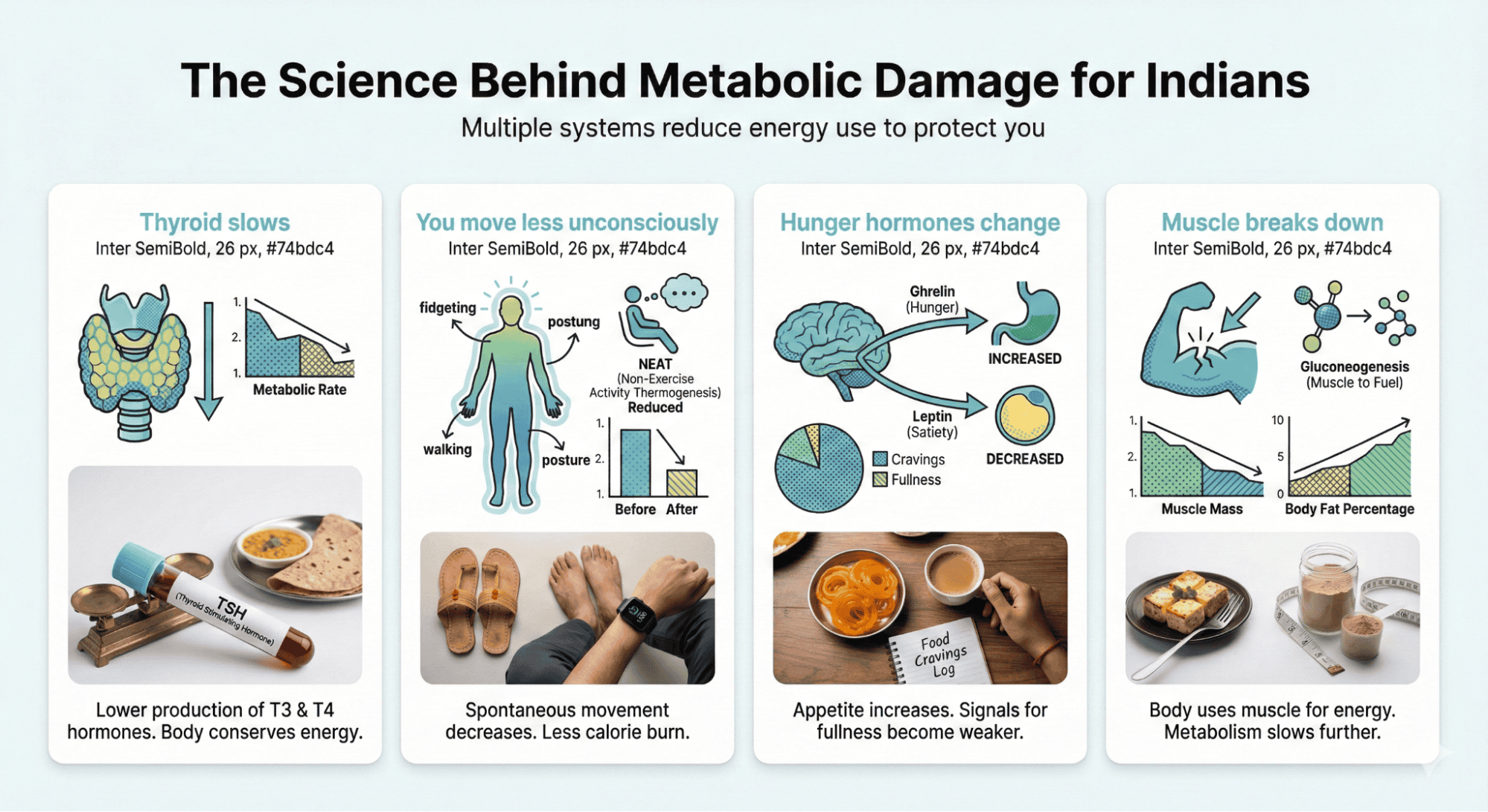
When you eat very few calories for extended periods, your body makes multiple adjustments through adaptive thermogenesis. Your thyroid hormone production drops, slowing your metabolism by 10 to 20%. Your body temperature decreases slightly to conserve energy, making you feel cold constantly. Additionally, non-exercise activity thermogenesis (NEAT) reduces unconsciously. You fidget less, move less throughout the day, and feel exhausted easily. Your body also breaks down muscle tissue for energy since muscle is metabolically expensive to maintain. Moreover, hormones that regulate hunger and fullness get disrupted. Leptin drops, making you constantly hungry, while ghrelin increases, intensifying cravings. Therefore, your body creates the perfect storm: slower metabolism, constant hunger, muscle loss, and fatigue. This makes continued dieting extremely difficult and weight regain almost inevitable once you eat normally again.
The Connection Between Adaptive Thermogenesis and Health
Adaptive thermogenesis affects more than just weight. The hormonal disruption causes women to lose their menstrual periods, a serious sign that your body is under severe stress. Additionally, bone density decreases when metabolism slows, increasing fracture risk later in life. Your immune system weakens, making you sick more frequently. Mental health suffers too, with increased depression, anxiety, and brain fog from inadequate energy. Moreover, sleep quality deteriorates despite feeling exhausted. Libido drops as sex hormone production decreases. Hair thins and falls out because your body prioritizes vital organs over hair growth. In fact, these symptoms indicate metabolic damage is affecting your overall health, not just weight loss. The good news is that these reverse once metabolism normalizes through proper nutrition and rest. Recovery takes time but it’s completely achievable.
What Research Shows for Indian Population
Research specifically on metabolic damage in Indians is limited, but studies on metabolism reveal important patterns. Indians tend to have lower muscle mass and higher body fat percentages compared to other populations at the same BMI. This means our baseline metabolism is already lower. One study found that Indian women who followed very low-calorie diets for 8 weeks experienced significant drops in resting metabolic rate that persisted even after returning to normal eating. Additionally, research shows Indians are more prone to developing insulin resistance, which metabolic adaptation worsens further. Moreover, studies indicate that Indians need adequate protein (1.6 to 2.2 grams per kilogram body weight) during weight loss to preserve muscle and prevent extreme metabolic damage. In fact, the combination of low protein intake common in Indian vegetarian diets plus extreme calorie restriction creates the perfect conditions for severe adaptive thermogenesis. Understanding these population-specific factors helps you diet more intelligently.
Metabolic Adaptation: What to Watch For
Physical Signs and Symptoms to Monitor
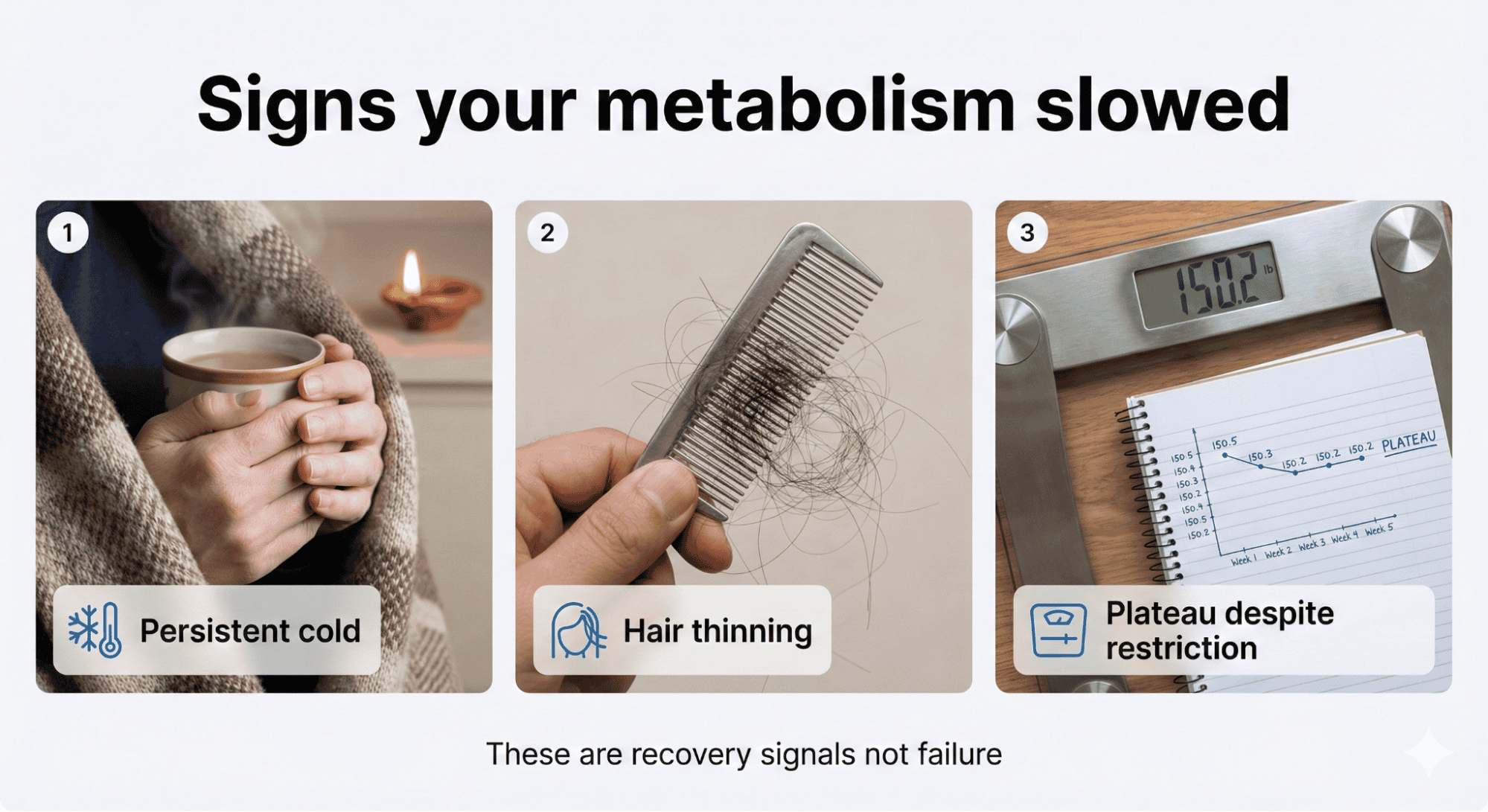
Metabolic adaptation shows clear physical signs when you know what to look for. Constant fatigue despite adequate sleep is the most common symptom. Feeling cold all the time, especially hands and feet, signals your body temperature has dropped to conserve energy. Additionally, weight loss plateaus completely despite eating very little and exercising regularly. Hair falling out in clumps indicates your body is prioritizing survival over hair growth. Weakened immunity means catching every cold or infection going around. Moreover, women lose their menstrual periods or experience very light, irregular cycles. Muscle weakness makes exercise feel harder than before. Sleep disturbances despite exhaustion are common. Constipation occurs as digestion slows. Dry skin, brittle nails, and overall looking “unhealthy” despite losing weight all signal metabolic damage rather than healthy fat loss.
Emotional and Mental Health Indicators
Metabolic damage profoundly affects mental health through hormonal and neurological changes. Depression develops or worsens as neurotransmitter production requires adequate calories and nutrition. Anxiety increases, often centered around food and weight. Additionally, brain fog makes concentration difficult and memory suffers. Irritability and mood swings become constant. You might develop obsessive thoughts about food, weight, and exercise. Moreover, motivation disappears for activities you previously enjoyed. Social isolation increases because you lack energy for relationships. Some people develop disordered eating patterns or full eating disorders stemming from extreme restriction. The combination of physical discomfort and mental exhaustion creates a quality of life so poor that starvation mode stops feeling like progress and starts feeling like punishment. Recognizing these mental health impacts helps you understand that extreme dieting isn’t worth the physical and psychological damage it causes.
When to Consult a Healthcare Professional
Seek medical help for severe symptoms indicating serious metabolic damage. If you’ve lost your period for more than three months, see a gynecologist immediately as this signals dangerous hormonal disruption. Consult a doctor if you’re eating under 1200 calories daily but not losing weight despite this severe restriction. Additionally, get help for extreme fatigue interfering with daily activities, depression, or anxiety worsening significantly during dieting. If you’ve developed obsessive thoughts about food, restrictive eating patterns, or fear of eating normal amounts, you need support from professionals specializing in eating disorders. Moreover, if you experience rapid heartbeat, chest pain, or fainting while dieting, seek immediate medical attention. Blood tests can reveal thyroid dysfunction, anemia, or other issues requiring treatment. Work with a registered dietitian who understands reverse dieting and can create a safe plan to restore your metabolism without gaining excessive fat. Professional guidance prevents further damage and supports proper recovery.
Indian Lifestyle Factors Affecting Metabolic Damage
Modern Indian Diet Challenges and Solutions
Indian diet culture creates perfect conditions for metabolic damage through extreme approaches. Wedding season pressure leads people to crash diet for weeks or months, severely restricting calories. Additionally, religious fasting periods sometimes get extended into extreme dieting that goes far beyond spiritual purposes. The “morning to night fasting” trend combined with severe calorie restriction on eating days wreaks havoc on metabolism. Moreover, social media influences promote detox diets, juice cleanses, and other extreme approaches that Indians adopt without understanding the consequences. Solutions include losing weight gradually at 0.5 to 1 kilo per week maximum through moderate calorie deficits of 300 to 500 calories daily. Focus on adequate protein intake of at least 60 to 70 grams daily to preserve muscle. Stop extreme fasting that drops calories below 1200 for women or 1500 for men. Sustainable approaches might seem slower but prevent metabolic adaptation that makes future weight loss nearly impossible.
Work-Life Balance and Urban Living Impact
Urban Indian lifestyles compound metabolic damage risks through stress and time pressure. Busy schedules make people skip meals, then overeat later, creating erratic eating patterns that stress metabolism. Additionally, work stress increases cortisol, which promotes muscle breakdown and fat storage. Long commutes mean less time for cooking nutritious meals, leading to inadequate protein intake. Moreover, gym culture promotes excessive exercise while under-eating, a dangerous combination that accelerates metabolic adaptation. The pressure to look a certain way for professional success or social acceptance drives extreme dieting behaviors. In fact, the combination of high stress, inadequate nutrition, excessive exercise, and poor sleep creates the perfect storm for metabolism repair becoming necessary. Balance these by meal prepping on weekends to ensure adequate nutrition despite busy weekdays. Limit exercise to 45 to 60 minutes daily maximum when calorie intake is restricted. Prioritize sleep as it’s crucial for metabolic health and recovery.
Cultural and Social Influences on Health
Indian culture creates unique pressures around body image and dieting. Family members comment freely on weight, often pushing people toward extreme measures. Additionally, comparing yourself to Bollywood actresses or Instagram influencers with professional teams supporting them creates unrealistic expectations. Traditional beliefs sometimes discourage women from eating adequately or prioritizing their health. Moreover, the mindset that suffering through extreme restriction shows discipline rather than being harmful is deeply ingrained. The wedding industry profits from crash diet culture, promoting dangerous rapid weight loss programs. Navigate these by educating yourself and family about metabolic damage risks. Set boundaries around body commentary. Unfollow social media accounts promoting extreme dieting. Remember that health matters more than fitting into a specific outfit size for one event. Choose sustainable approaches even if they seem slower. Your metabolism is too valuable to damage for temporary results that will likely rebound anyway once you return to normal eating after the event.
Best Indian Foods for Metabolic Damage Management
Traditional Indian Foods That Support Starvation Mode
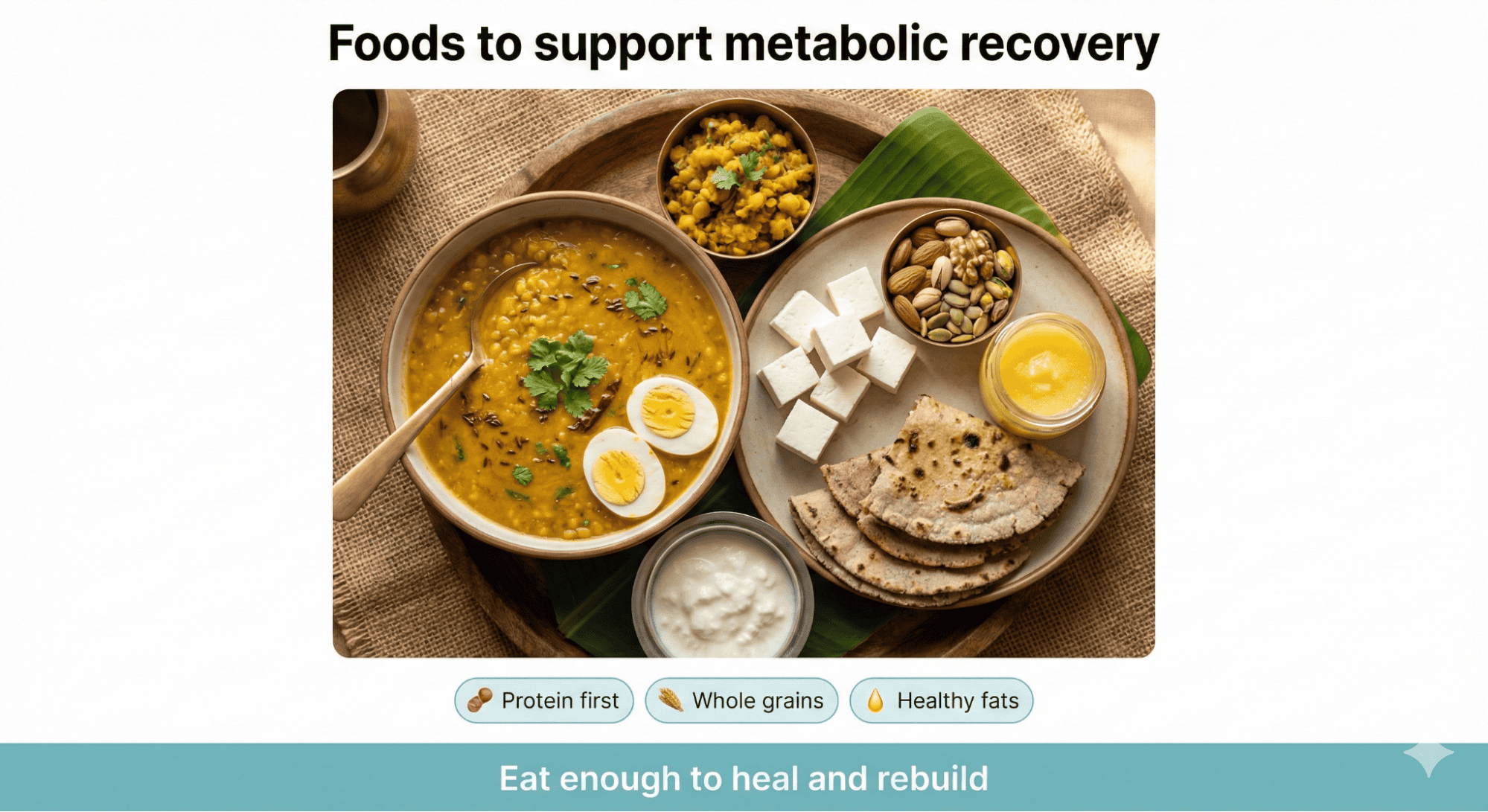
Recovering from metabolic damage requires strategic nutrition with adequate calories and protein. Dals provide plant protein essential for rebuilding muscle and metabolism. Include moong, masoor, toor, and chana dal daily in adequate amounts. Additionally, eggs offer complete protein with all essential amino acids needed for metabolism repair. Paneer and curd provide protein plus calcium. For non-vegetarians, chicken and fish offer lean protein. Moreover, whole grains like brown rice, bajra, jowar, and quinoa provide energy needed to fuel metabolism recovery. Include healthy fats from ghee, nuts, and seeds as fat is essential for hormone production. Don’t fear carbs during recovery as they’re necessary to restore thyroid function and energy levels. The key is eating enough of these nutritious foods rather than restricting them. Focus on nutrient density and adequate portions rather than keeping calories as low as possible.
Modern Indian Meal Options and Healthy Recipes
Create meals that support metabolic recovery while being satisfying and nutritious. For breakfast, try vegetable poha with eggs or paneer, providing carbs plus protein. Make moong dal cheela with adequate oil, not trying to minimize fat obsessively. Additionally, prepare oats upma with nuts and whole milk rather than skim. For lunch, include generous portions of dal with brown rice or rotis, vegetables, and raita. Don’t restrict portions to tiny amounts. Dinner could be quinoa pulao with paneer or chicken, vegetables, and curd. Moreover, include healthy snacks like fruit with nuts, roasted chana, or a small sweet treat occasionally. The goal during reverse dieting is gradually increasing calories while providing nutrients your body needs for repair. These meals provide balanced nutrition without the extreme restriction that caused metabolic adaptation in the first place. Adjust portions gradually upward over weeks rather than jumping to large amounts immediately.
Foods to Limit or Avoid for Better Results
While recovering from metabolic damage, certain foods hinder progress. Ultra-processed foods high in sugar and refined carbs spike insulin without providing nutrients needed for metabolic recovery. Therefore, limit packaged snacks, cookies, and sweets during this time. Additionally, excessive caffeine stresses already compromised adrenal glands. Reduce coffee and tea to 1 to 2 cups daily. Alcohol impairs recovery by disrupting sleep and hormones, so minimize or eliminate it temporarily. Moreover, diet foods labeled “low-fat” or “sugar-free” often contain additives and don’t provide satisfaction, leading to overeating later. Avoid continuing extreme calorie restriction that created the problem. The temptation during recovery is to eat as little as possible to prevent weight gain, but this prevents metabolic healing. Focus on whole, nutritious foods in adequate amounts rather than processed options or continuing restriction. Remember that temporary weight gain during recovery is normal and necessary for long-term success.
Portion Sizes and Meal Timing for Indians
During metabolism repair, portions need to increase gradually through reverse dieting. Start by adding 100 to 150 calories weekly to your current intake, focusing on protein and carbs. This might mean adding an extra roti at lunch, a handful of nuts as a snack, or a larger serving of dal at dinner. Additionally, eat at regular times to stabilize hormones and metabolism. Aim for 3 main meals plus 1 to 2 snacks daily, spacing them 3 to 4 hours apart. Don’t skip meals or fast for extended periods during recovery. Moreover, include adequate portions at each meal rather than tiny amounts. A meal might be 1 to 2 rotis or 1 katori rice with 1 katori dal, vegetables, and curd. This seems like a lot if you’ve been restricting severely, but it’s necessary for recovery. Track weight weekly rather than daily to avoid panicking at normal fluctuations. Accept that regaining 2 to 3 kilos during the first month of recovery is common and necessary for metabolic healing.
Lifestyle Changes to Support Metabolic Damage
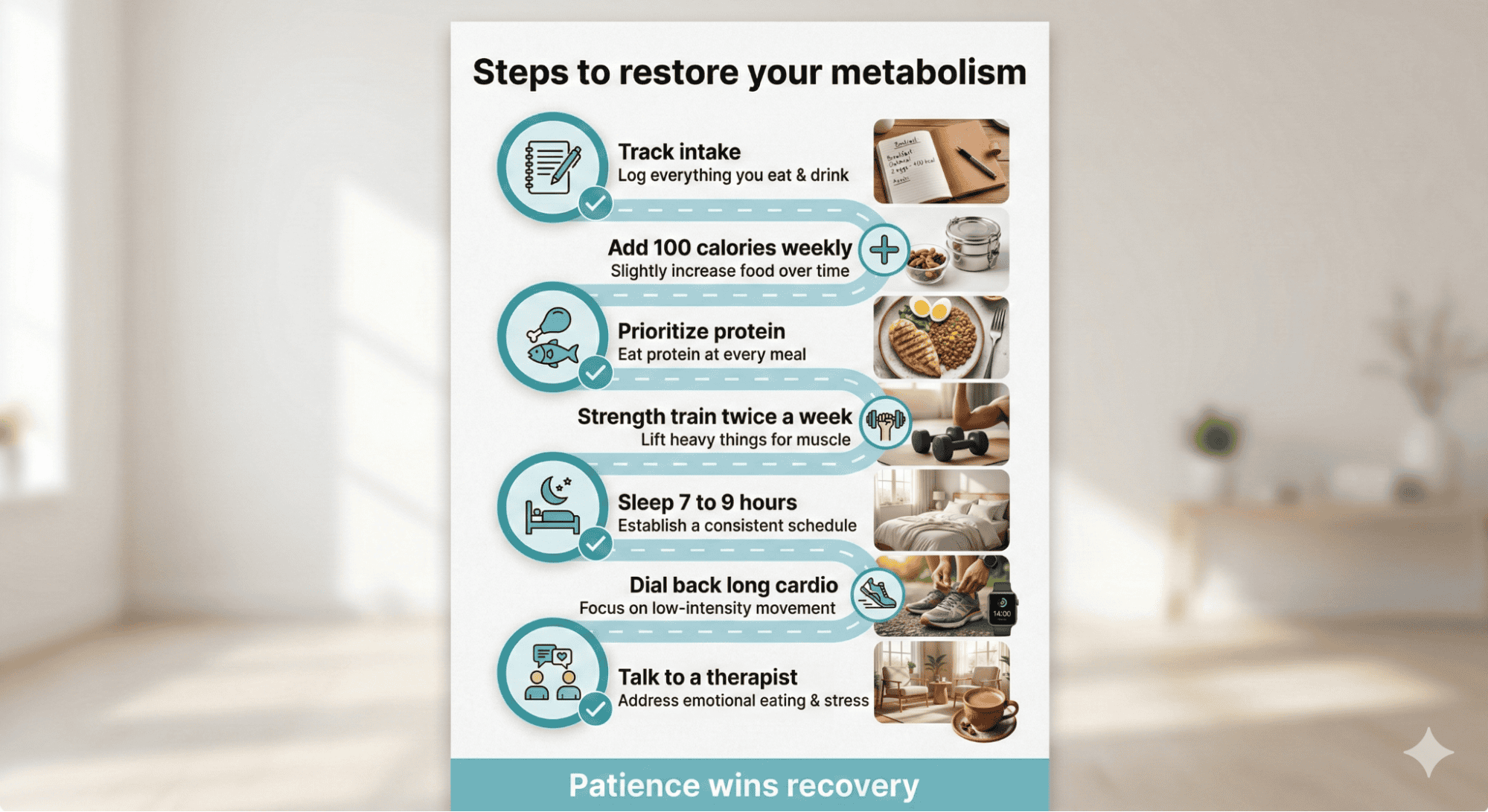
Reverse Dieting: The Right Approach for Indians
Reverse dieting is the strategic process of gradually increasing calories to restore metabolism without gaining excessive fat. Start by calculating your current intake accurately for 3 days. Then add 100 to 150 calories weekly, primarily from carbs and protein. Additionally, monitor weight weekly and adjust based on changes. A small gain of 0.25 to 0.5 kilos weekly is acceptable and often necessary initially. If weight stays stable, continue increasing. If you gain more than 1 kilo weekly, slow the increases. Moreover, prioritize protein at 1.6 to 2.2 grams per kilogram body weight to support muscle regrowth. Include strength training 2 to 3 times weekly to direct nutrients toward muscle building rather than fat storage. This process takes 3 to 6 months minimum depending on how damaged your metabolism is. Therefore, patience is crucial. Many people panic at small gains and return to restriction, preventing recovery. Trust the process and focus on how you feel rather than just scale weight. Energy, mood, sleep, and menstrual cycle returning are better recovery markers than weight alone.
Sleep and Stress Management Strategies
Sleep and stress management are non-negotiable for metabolism repair. Inadequate sleep keeps cortisol elevated, preventing hormonal recovery and promoting continued muscle breakdown. Aim for 7 to 9 hours nightly in a completely dark, cool room. Additionally, establish a bedtime routine that signals your body to wind down. Avoid screens an hour before bed as blue light disrupts melatonin production. Moreover, chronic stress maintains the hormonal environment that damaged your metabolism initially. Practice stress reduction through whatever works for you: meditation, yoga, journaling, time in nature, or hobbies. Even 10 minutes of deep breathing daily significantly lowers cortisol. Furthermore, consider that much of your stress might come from obsessing over food and weight. Therefore, working with a therapist who understands eating disorders and diet culture can provide invaluable support during recovery. The mental and emotional work is often harder than the nutritional changes but equally important for full recovery.
Daily Habits That Make a Real Difference
Small consistent actions support metabolic recovery significantly. Start tracking your food intake to ensure you’re actually eating enough rather than guessing. Many people in recovery think they’re eating more than they are. Additionally, reduce exercise intensity and duration temporarily. Excessive exercise while under-fueled caused part of the problem, so dial it back to 30 to 45 minutes of moderate activity daily maximum. Include strength training rather than just cardio to rebuild muscle. Moreover, eat within an hour of waking to signal your body that food is abundant, not scarce. Don’t skip meals or snacks. Stay consistent with meal timing to regulate hormones. Furthermore, unfollow social media accounts promoting extreme dieting or unrealistic body standards. Surround yourself with content supporting healthy relationships with food and realistic body expectations. These habits seem minor but collectively create the environment your body needs to trust that it’s safe to restore normal metabolic function rather than staying in protective starvation mode.
Your 7-Day Metabolic Damage Management Meal Plan
This meal plan emphasizes adequate calories, protein, and balanced nutrition to support metabolism recovery:
| Day | Breakfast | Lunch | Evening Snack (4-5 PM) | Dinner (7-8 PM) |
| Day 1 | 2 boiled eggs + 2 whole wheat toast + banana + milk | Brown rice (1 katori) + dal (1 katori) + paneer bhurji + raita + salad | Apple with 8 almonds | 2 rotis + rajma + mixed veg + curd |
| Day 2 | Vegetable poha (generous) + peanuts + boiled egg + tea | 2 rotis + chana dal + palak paneer + raita + pickle | Roasted chana (1 bowl) | Quinoa pulao + dal + vegetables + salad |
| Day 3 | Oats upma with vegetables + nuts + milk | Brown rice + sambhar + chicken curry (or extra paneer) + curd + salad | Fruit bowl with yogurt | 2 bajra rotis + dal + mixed sabzi + raita |
| Day 4 | Moong dal cheela (2) + paneer filling + mint chutney + orange | 2 rotis + masoor dal + aloo-methi + raita + salad | Handful of walnuts (8) + dates (2) | Vegetable khichdi + 1 tbsp ghee + paneer + curd |
| Day 5 | Idli (4) + sambhar + coconut chutney + boiled egg + milk | Quinoa (generous) + dal + mixed vegetables + paneer + salad | Sprout salad with lemon | 2 rotis + rajma + palak + raita |
| Day 6 | Vegetable upma + 2 boiled eggs + banana + tea | Brown rice + dal + chicken/paneer tikka + mixed veg + curd | Fruit smoothie with nuts | 2 rotis + chana dal + lauki + salad |
| Day 7 | Whole wheat paratha (2) + curd + paneer bhurji + orange | 2 rotis + moong dal + mixed veg + raita + salad | Roasted makhana + green tea | Quinoa + dal + vegetables + paneer + curd |
Note: Portions are intentionally adequate, not minimal. Drink 8 to 10 glasses of water daily. Include 1 tbsp ghee or oil in cooking for healthy fats. Focus on protein at every meal. Adjust portions gradually upward weekly during reverse dieting.
Common Mistakes Indians Make with Metabolic Damage
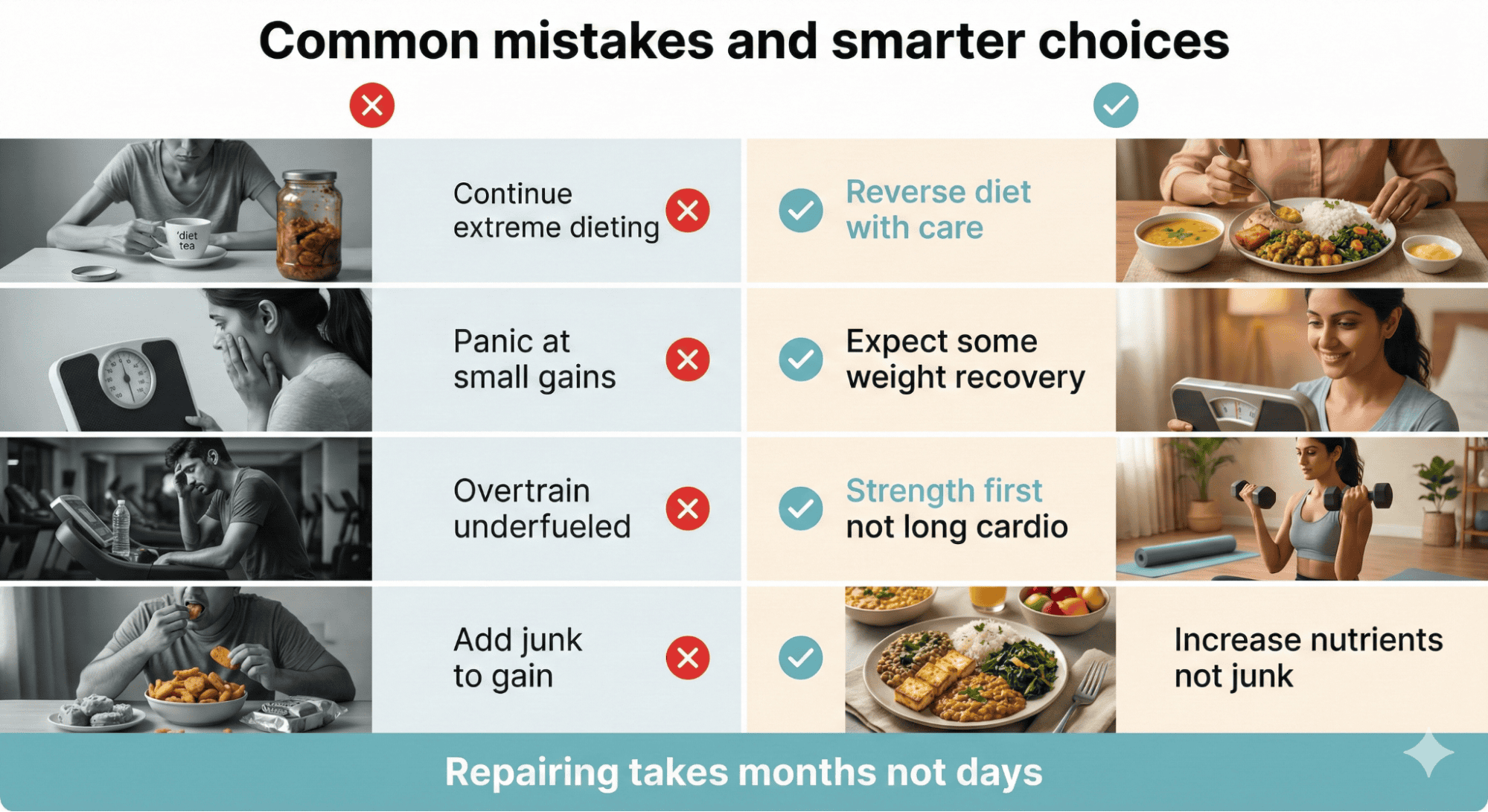
Diet Mistakes That Sabotage Progress
The biggest mistake is continuing to diet while claiming to recover from metabolic damage. You can’t heal metabolism while maintaining severe calorie restriction. Another error is fearing weight gain so intensely that you never eat enough for recovery. Additionally, many people add calories through junk food rather than nutritious options, which doesn’t support metabolic healing. Not eating enough protein prevents muscle regrowth, keeping metabolism suppressed. Moreover, trying to speed up recovery by increasing calories too quickly causes excessive fat gain and panics people back into restriction. Yo-yo dieting between restriction and overeating prevents consistent recovery. Furthermore, expecting metabolism to normalize in 2 weeks when it took months or years to damage is unrealistic. These mistakes keep people trapped in the restrict-binge cycle rather than committing to slow, steady recovery through reverse dieting that requires months of consistency and patience.
Lifestyle Pitfalls to Watch Out For
Many people sabotage metabolic recovery through continued excessive exercise despite inadequate fuel. Training for marathons or doing intense exercise daily while under-eating accelerates metabolic adaptation rather than fixing it. Additionally, weighing yourself daily creates panic at normal fluctuations, causing premature return to restriction. Not dealing with the psychological aspects of dieting and body image means you can’t sustain the behavioral changes needed for recovery. Moreover, comparing your recovery timeline to others’ ignores individual differences in how damaged metabolism is. Trying to maintain an unrealistically low weight, your body is constantly stresses your metabolism. Furthermore, not addressing underlying eating disorders or disordered eating patterns means behaviors continue despite wanting to recover. Surrounding yourself with diet culture messaging from family, friends, or social media reinforces harmful beliefs. These lifestyle factors prevent the mental and behavioral changes necessary to support physical metabolic recovery.
How to Course-Correct When Things Go Wrong
If you’re attempting metabolic recovery but struggling, evaluate honestly. Are you truly eating enough or still restricting while calling it “recovery”? Track intake objectively for 3 days to check. Therefore, if you’re eating enough but gaining weight rapidly, you might be increasing calories too quickly. Slow the rate of increase to 50 to 100 calories weekly instead of 150. Additionally, ensure adequate protein at every meal to direct nutrients toward muscle building. If you’ve gained significant fat but still have metabolic damage symptoms, work with a registered dietitian who specializes in this. Moreover, if anxiety around food and weight prevents you from eating adequately, therapy is essential alongside nutritional rehabilitation. Sometimes medication for anxiety or depression helps during this process. Remember that recovery isn’t linear and setbacks happen. Don’t let one difficult week make you abandon the process entirely. The alternative is staying metabolically damaged forever, which is far worse than the temporary discomfort of recovery.
Conclusion
Metabolic damage isn’t permanent failure, but your body’s logical response to extreme restriction that mimics starvation. Your metabolism slowed to protect you, not punish you. Indians fall into this trap through crash diets for events, excessive fasting, and cultural pressure for rapid weight loss. The combination of severe calorie restriction and inadequate protein creates adaptive thermogenesis that makes continued weight loss impossible. The solution isn’t more restrictions but strategic recovery through reverse dieting that gradually increases calories while rebuilding muscle and restoring hormones.
Start recovery today by calculating your current intake honestly. Add 100 calories this week through an extra serving of dal or a handful of nuts. Additionally, reduce exercise to 30 to 45 minutes of moderate activity daily. Prioritize 8 hours of sleep nightly. These small changes begin the recovery process, though full healing takes months of consistency and patience.
FAQs
Q1: What is metabolic damage and how does it affect Indians?
Metabolic damage describes severe adaptive thermogenesis where extreme dieting slows metabolism by 200 to 400 calories daily, making weight loss impossible despite eating very little. Indians face this from crash diets for weddings, religious fasting extended too long, inadequate protein in vegetarian diets, and cultural pressure for rapid weight loss causing extreme restriction.
Q2: What are the main signs of metabolic adaptation issues?
Signs include weight loss plateaus despite eating under 1200 calories, constant fatigue and coldness, hair loss, missing periods, frequent illness, muscle weakness, depression, obsessive food thoughts, and looking unhealthy despite weight loss. Additionally, watch for inability to lose weight, extreme hunger, poor sleep, and developing eating disorders from prolonged starvation mode restriction.
Q3: What foods should Indians eat for better metabolic damage recovery?
Eat adequate protein from dals, eggs, paneer, chicken, and fish (60 to 70 grams daily minimum), whole grains like brown rice and millets, healthy fats from ghee and nuts, and generous vegetable portions. Focus on nutrient-dense whole foods in adequate portions rather than continuing restriction, supporting metabolism repair through proper nutrition and gradual calorie increases.
Q4: Can metabolic damage be managed naturally?
Yes, manage through reverse dieting by adding 100 to 150 calories weekly, prioritizing protein (1.6 to 2.2 grams per kilogram), reducing exercise intensity, sleeping 7 to 9 hours nightly, and managing stress. Recovery takes 3 to 6 months minimum, accepting temporary weight gain as necessary for restoring normal metabolic function and hormonal balance.
Q5: How long does it take to see results with metabolic damage recovery?
Energy levels improve within 2 to 4 weeks of adequate eating, sleep quality, and mood enhance by week 4 to 6, and menstrual cycles may return within 2 to 3 months. Full metabolism repair and the ability to lose fat again take a minimum of 4 to 6 months of consistent reverse dieting, patience, and trust in the recovery process.
Related Posts


