

Your 20s offer the perfect biological window for building muscle because testosterone and growth hormone levels peak during this decade, protein synthesis happens faster, recovery takes less time, and your metabolic rate is naturally higher. Starting strength training now builds a foundation that prevents the 3-8% muscle loss per decade beginning after age 30.
Most people train hard but eat like broke college students, wondering why results never come. I made this exact mistake for two years, lifting five days a week but barely hitting 80 grams of protein daily. Your body in your 20s is primed for muscle growth, but without proper strength training nutrition, you’re building a house without lumber. This comprehensive workout nutrition plan shows exactly what to eat, when to eat it, and how to make it work on any budget.
Why Your 20s Are Prime Time for Muscle Building
Your 20s are… honestly? It’s cheating. Your body wants to build muscle right now. Growth hormone production is maxed out, protein synthesis happens like magic, and your joints can handle punishment that would wreck you at 40.
This is when eating right and training smart deliver results you’ll never see again. The muscle you pack on now? It sticks around. It becomes your baseline. Your future self will thank you.
And here’s the kicker: developing good eating habits now sets patterns that last forever. You learn what works for YOUR body. That knowledge becomes invaluable as you age and things start… changing.
Hormonal Advantages You Won’t Have Forever
Let me hit you with some biology: your 20s are a time of peak testosterone and growth hormone levels. For guys, testosterone is highest between 20-30. For women, yes, women have testosterone too; the ratio of muscle-building to muscle-breaking hormones is most favourable right now.
Combine lifting with proper protein intake, and you’re basically on natural steroids. (Legal ones, don’t worry.)
Plus, your insulin sensitivity is excellent. Meaning your muscles actually USE the carbs you eat for energy and recovery instead of storing them as fat. That pizza you demolished? Your body can actually handle it and put it to work.
Growth hormone release during deep sleep hits its peak, too. So when you eat well and sleep well, your body repairs and grows overnight like clockwork.
Building Your Foundation for Life
The strength you build through proper nutrition becomes your baseline for decades. Maintaining muscle is WAY easier than building it from scratch later. Trust me on this.
Beyond the physical stuff, developing eating habits in your 20s creates mental toughness and discipline. You learn how your body responds to different foods and meal timing. This knowledge? Priceless as your body changes with age.
The habits you form now become automatic. From pre-workout snacks to recovery meals, these become second nature. And that makes staying fit for life actually sustainable.
The Complete Guide to Strength Training Nutrition
Alright, let’s get practical, you can lift all the weights you want, but without proper strength training nutrition, you’re leaving gains on the table. Here’s what actually matters.
Protein: Your Building Blocks
Okay, real talk about protein. If you’re serious about gains, you can’t half-ass this part.
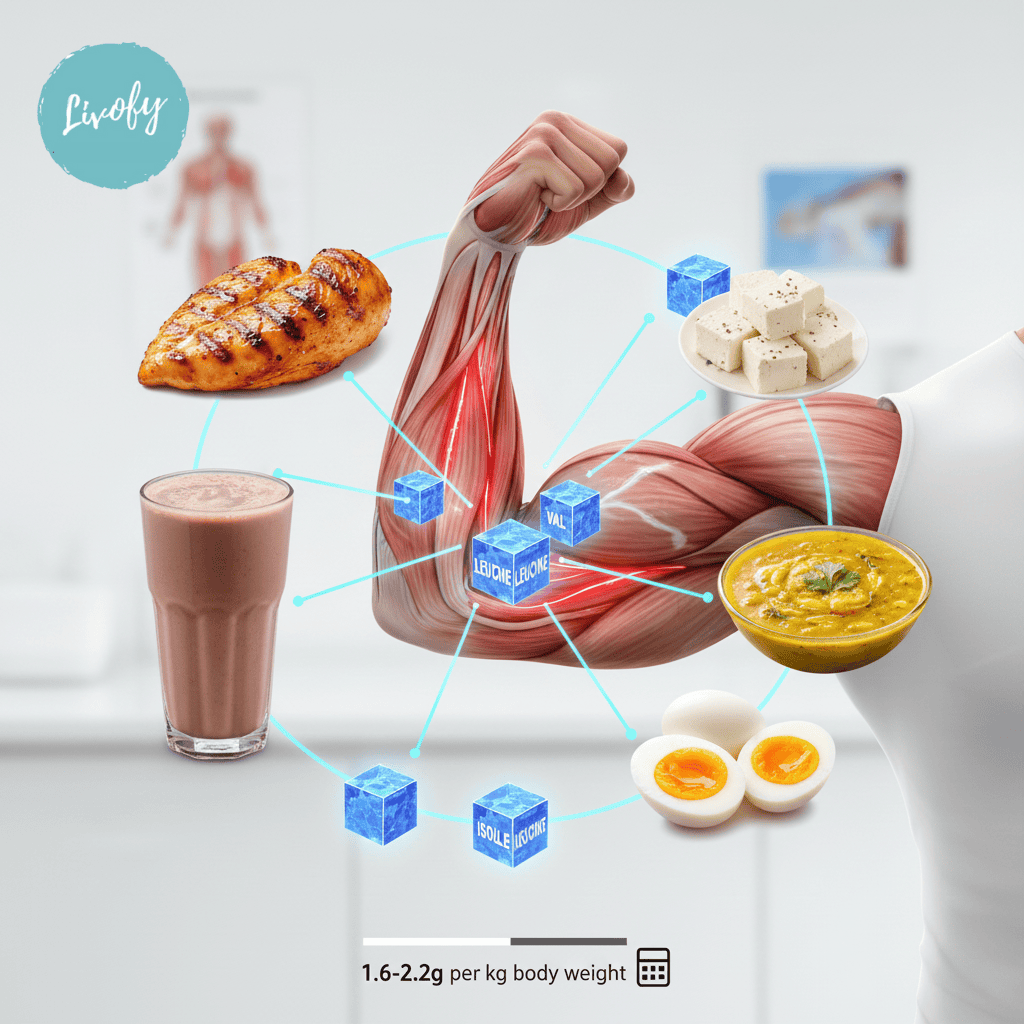
You need around 1.6-2.2 grams per kilo of body weight. I’m 70kg, so I aim for about 120-140g daily. Some days I hit 150g. Some days it’s 110g. It’s not rocket science, just get close most of the time.
Here’s what tripped me up for years: understanding protein timing for workouts matters more than I realised. Your body can only use about 25-30g of protein at once for muscle-building foods to work optimally. Eat a massive 200g chicken breast, thinking you’re crushing your protein goal? Your body’s like, “Cool, I’ll use 30g of this and pee out the rest.”
The fix?
Space it out, that is, instead of one massive protein bomb at dinner, spread it across 4-5 meals. Breakfast: 25g. Snack: 20g. Lunch: 30g. You get it.
For my vegetarian friends (and there are many of you), yes, you can absolutely hit these numbers. Dal and rice together? Complete protein. No, you don’t need chicken to get jacked. Our grandparents proved that.
Carbs: Your Fuel Source
Despite what keto bros will tell you, carbs are essential. They fuel your workouts and refill your glycogen stores. Without enough carbs, your performance tanks. Your body might even break down muscle for energy. Not ideal.
Aim for 4-7 grams per kilo of body weight, depending on how hard you train. If you’re hitting the gym 5-6 times a week, you need carbs. Period.
Timing matters too. Carbs before training give you energy. Carbs after training help recovery. That post-workout banana? Not bro-science, it actually works.
Focus on complex carbs: oats, brown rice, sweet potatoes and whole wheat. These give you steady energy without the blood sugar rollercoaster that white bread and candy cause.
Fats: The Hormone Helper
Don’t fear fats, seriously, because dietary fat is crucial for hormone production, including testosterone. Aim for 20-35% of your calories from healthy fats.
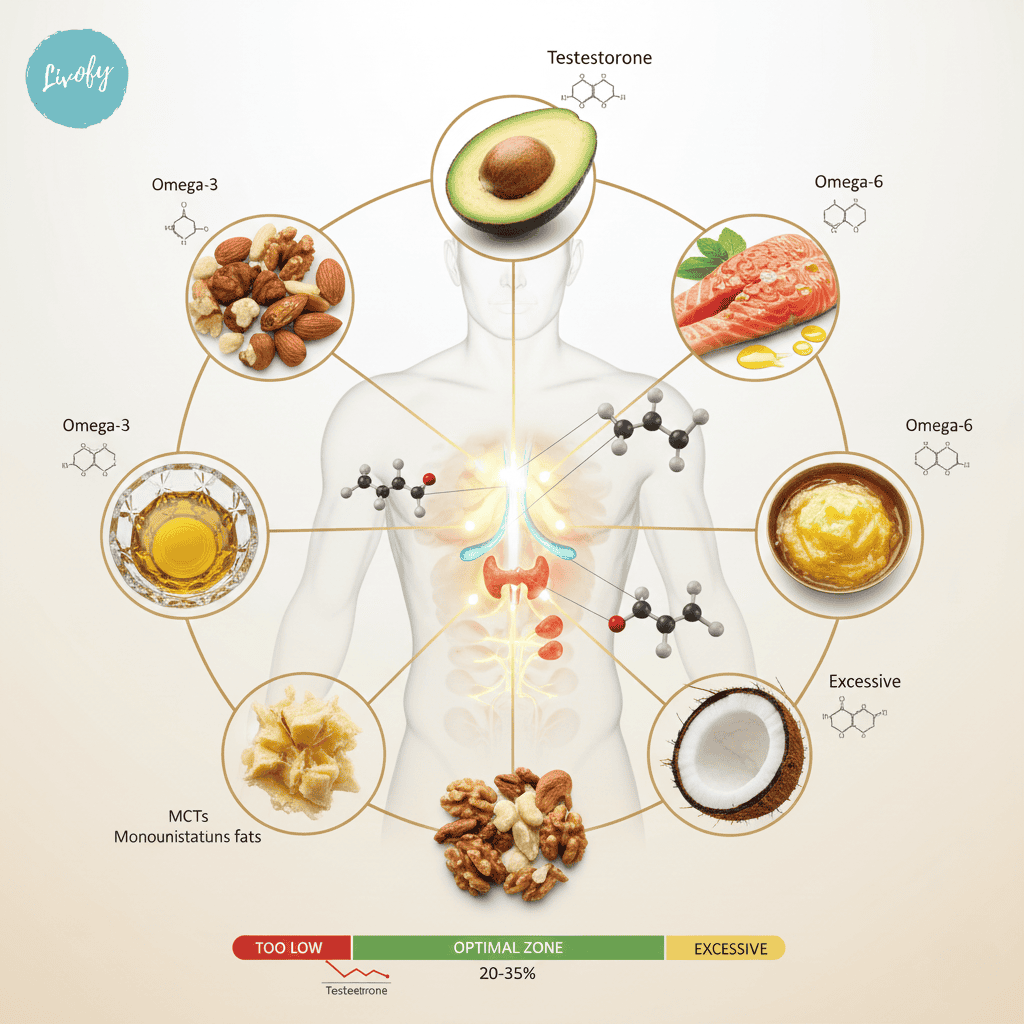
If you’re eating 2500 calories, that’s about 55-97 grams of fat daily. (See? I’m giving you a range because life isn’t perfect.)
Focus on nuts, seeds, avocados, olive oil, and fatty fish. These provide omega-3s that reduce inflammation from training. Indian cuisine offers great options too: almonds, walnuts, ghee (in moderation), and coconut.
Skip trans fats. Limit saturated fats. But don’t eliminate fats entirely. Very low-fat diets can actually tank your testosterone. Which defeats the whole purpose.
Pre-Workout Meals That Actually Work
Pre workout nutrition can make or break your session. You want energy without feeling like you swallowed a brick.
2-3 Hours Before Training
If you have time for a proper meal, include all macros for sustained energy. Brown rice with grilled chicken and veggies works great. Whole wheat pasta with lean meat sauce. For vegetarians? Dal with quinoa hits the spot.
Indian options: chapati with paneer bhurji, idli with sambar, or poha with added protein powder. These digest well and give you what you need without sitting heavily in your stomach during squats.
The key is familiar foods that you KNOW digest well for you. Don’t experiment with new foods before an important training session. (I learned this the hard way with rajma before deadlifts. Not fun.)
30-60 Minutes Before Training
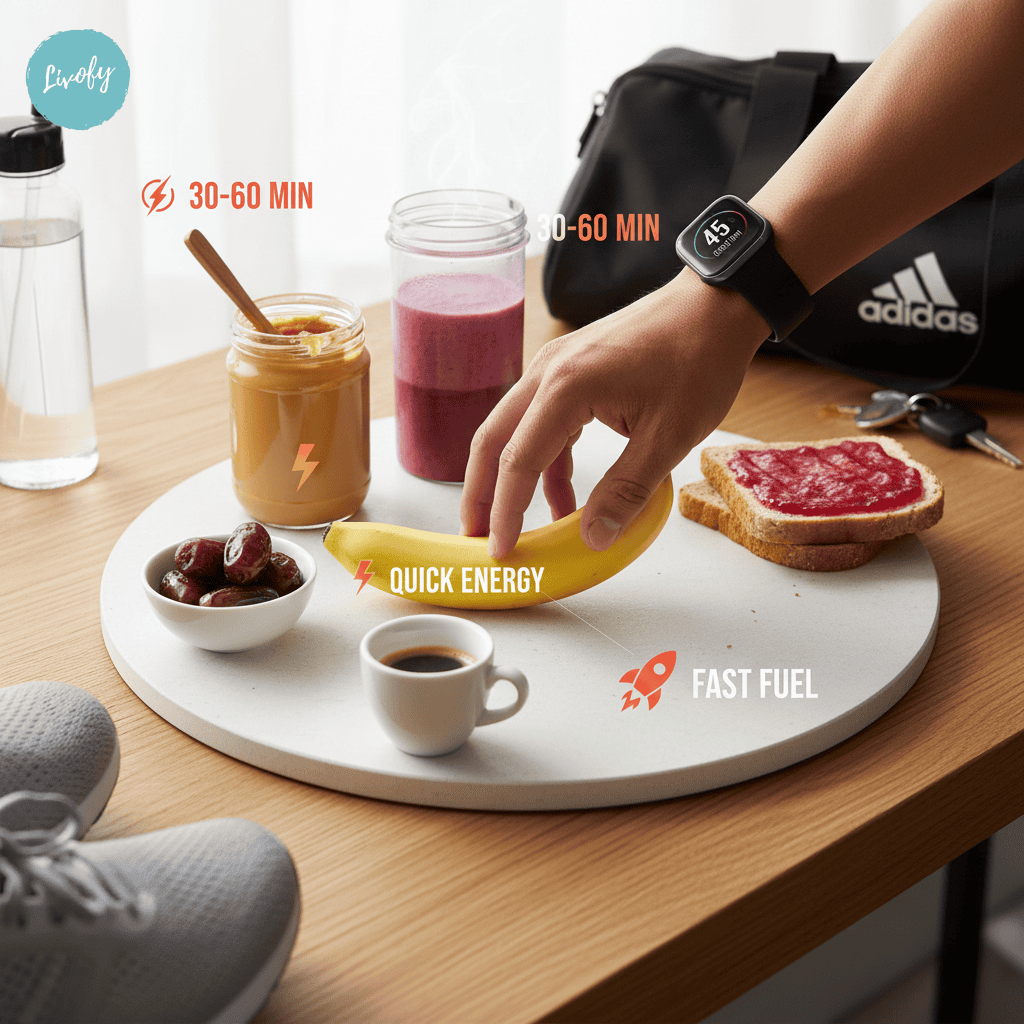
Sometimes you need something quick, which is why simple works best. Easily digestible carbs with a little protein, but skip the fat and fiber to avoid stomach issues.
Banana with peanut butter. Dates with a few almonds. A protein smoothie. Black coffee with toast and jam.
The caffeine gives you energy while the simple carbs fuel your workout. Just avoid anything heavy or greasy. Save that for later.
Post-Workout Nutrition Timing
After training, your muscles are primed to absorb nutrients. Post workout meals are critical, while the “anabolic window” isn’t as narrow as once thought, eating within 2-3 hours optimises recovery and maximises nutrition for muscle gain.
The First 30 Minutes
Right after training, this is when simple carbs are actually beneficial. They spike insulin, which helps shuttle protein into your muscles and kickstarts recovery.
Protein shake with a banana is the classic combo for good reason: it’s quick to digest and starts recovery immediately. If you prefer real food, chocolate milk has an ideal carb-to-protein ratio.
Indian options? Lassi with a bit of sugar, coconut water with protein powder, or nimbu pani with roasted chana. The key is combining protein with quick carbs.
The Complete Recovery Meal
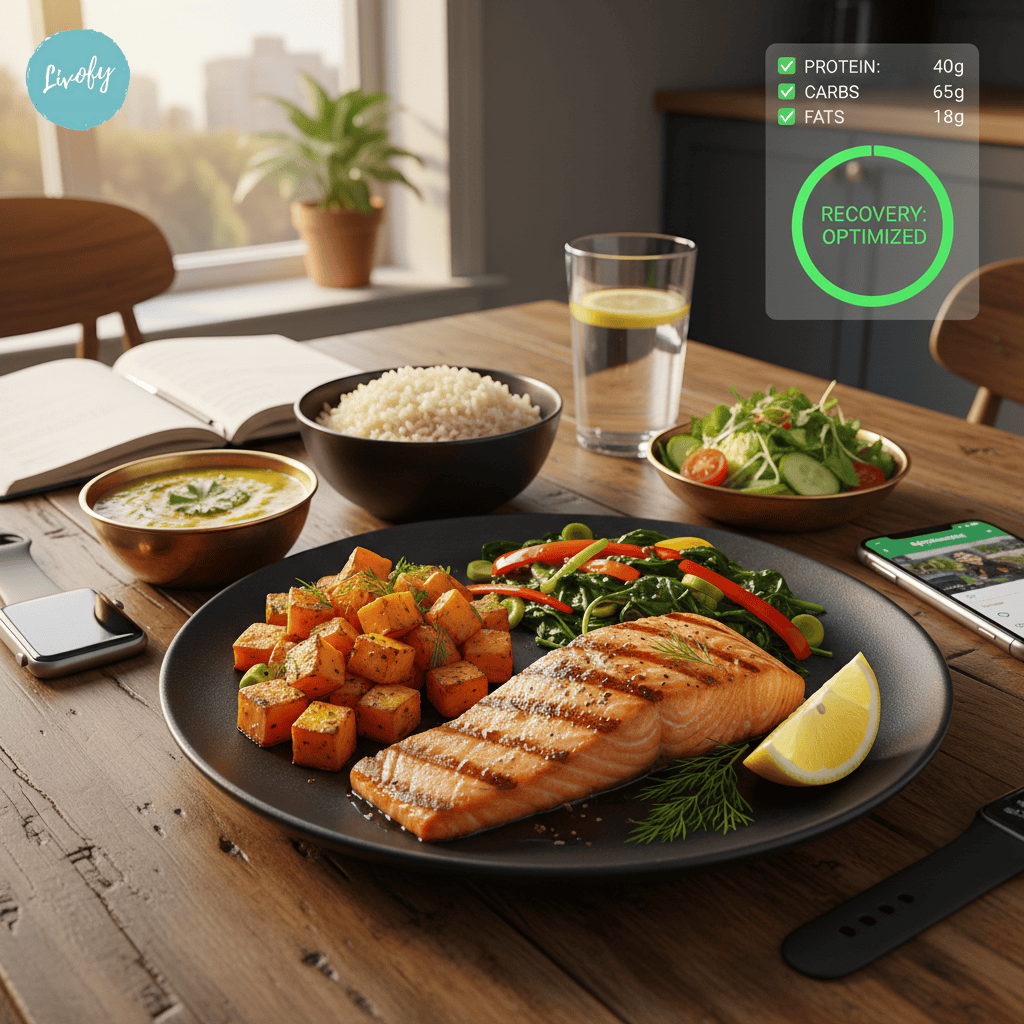
Within 2-3 hours of training, have a complete meal. This should include all macros to support recovery and growth. Grilled fish with sweet potato and veggies. Chicken biryani with raita. Tofu curry with brown rice.
Vegetarians? Chole with rice, paneer tikka with quinoa, or dal with whole wheat roti all work.
Don’t skip this meal thinking you’ll “maximise fat burn.” Your body needs nutrients to repair and grow stronger. This meal transforms a good workout into actual results.
Common Nutrition Mistakes to Avoid
Even with good intentions, people sabotage their progress. Let’s fix that. Many people nail their workout nutrition plan during the week but sabotage progress on weekends. Consistency matters more than perfection.
Under-Eating for Your Goals
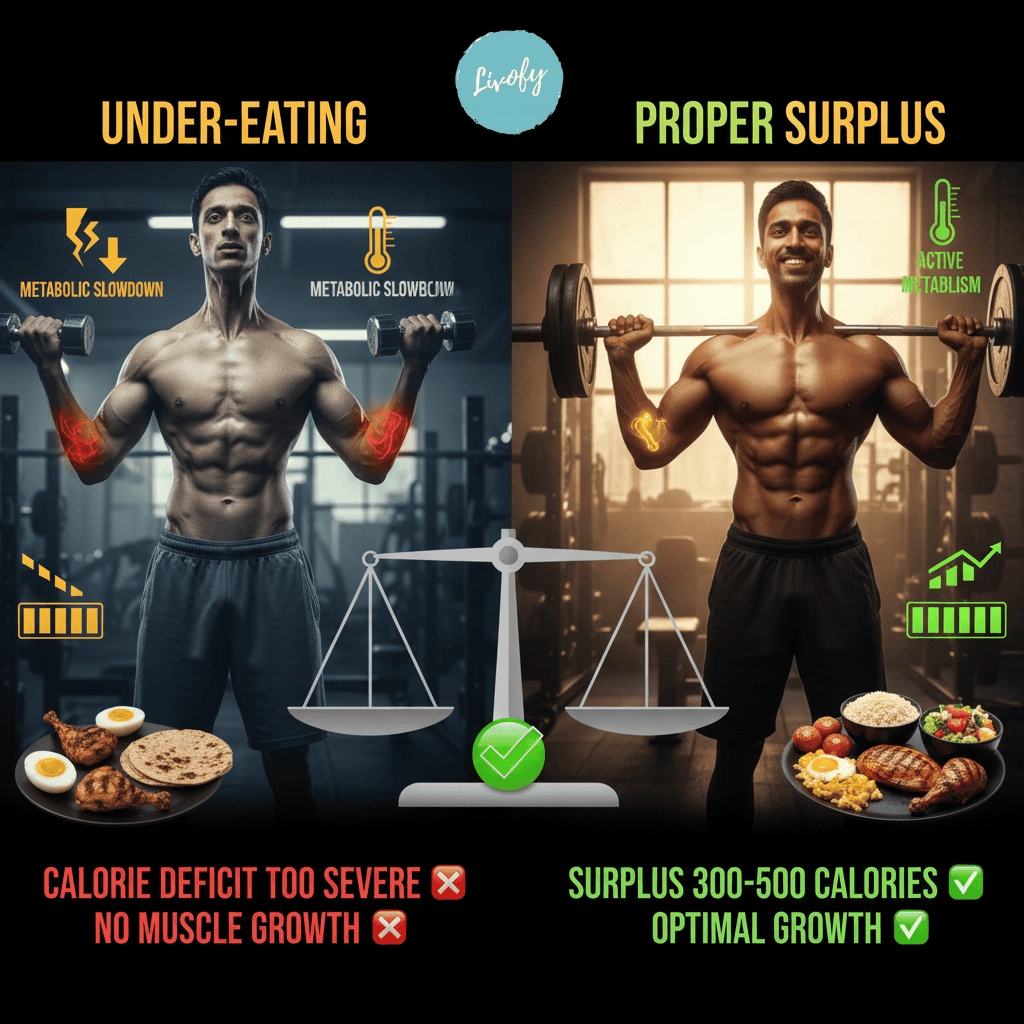
The BIGGEST mistake? Not eating enough. You can’t build muscle in a severe calorie deficit. Your body needs extra energy to build new tissue.
Many people, especially women, undereat and wonder why they’re not getting stronger. Calculate your maintenance calories, then add 300-500 for muscle building.
Track your food for a week. Actually measure it. Most people wildly overestimate their protein intake and underestimate their calorie needs. Yes, you might gain a little fat along with muscle. That’s normal. You can’t maximise muscle growth while trying to get shredded; pick one goal at a time.
Protein Timing Obsession
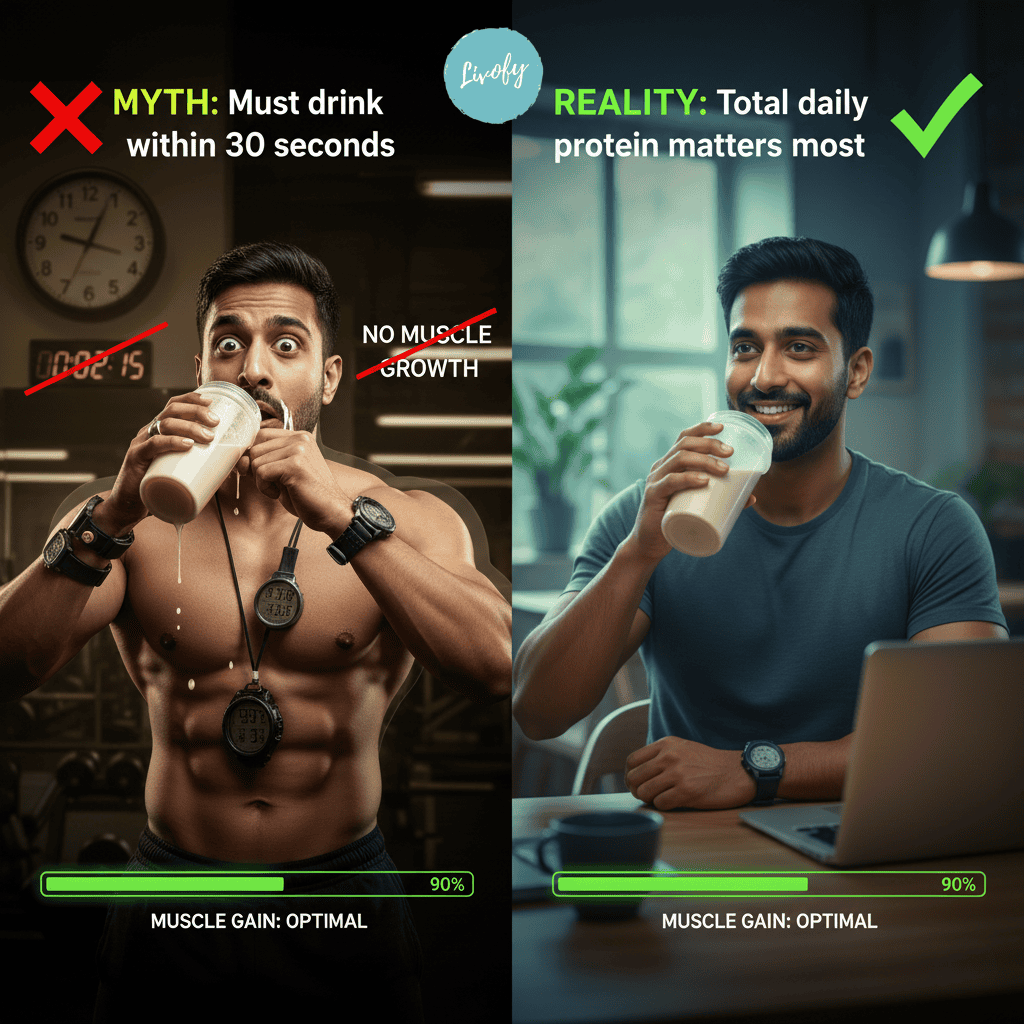
While protein timing matters somewhat, it’s not as critical as total daily intake. Don’t stress about chugging your shake within 30 seconds of your last rep. (I used to do this. It’s unnecessary.)
As long as you’re getting adequate protein throughout the day, you’re fine. Focus on consistency over perfection.
Exception: if you train fasted, then post-workout protein becomes more important. But for most people, training in the evening after eating during the day? The urgency isn’t there.
Supplement Over-Reliance
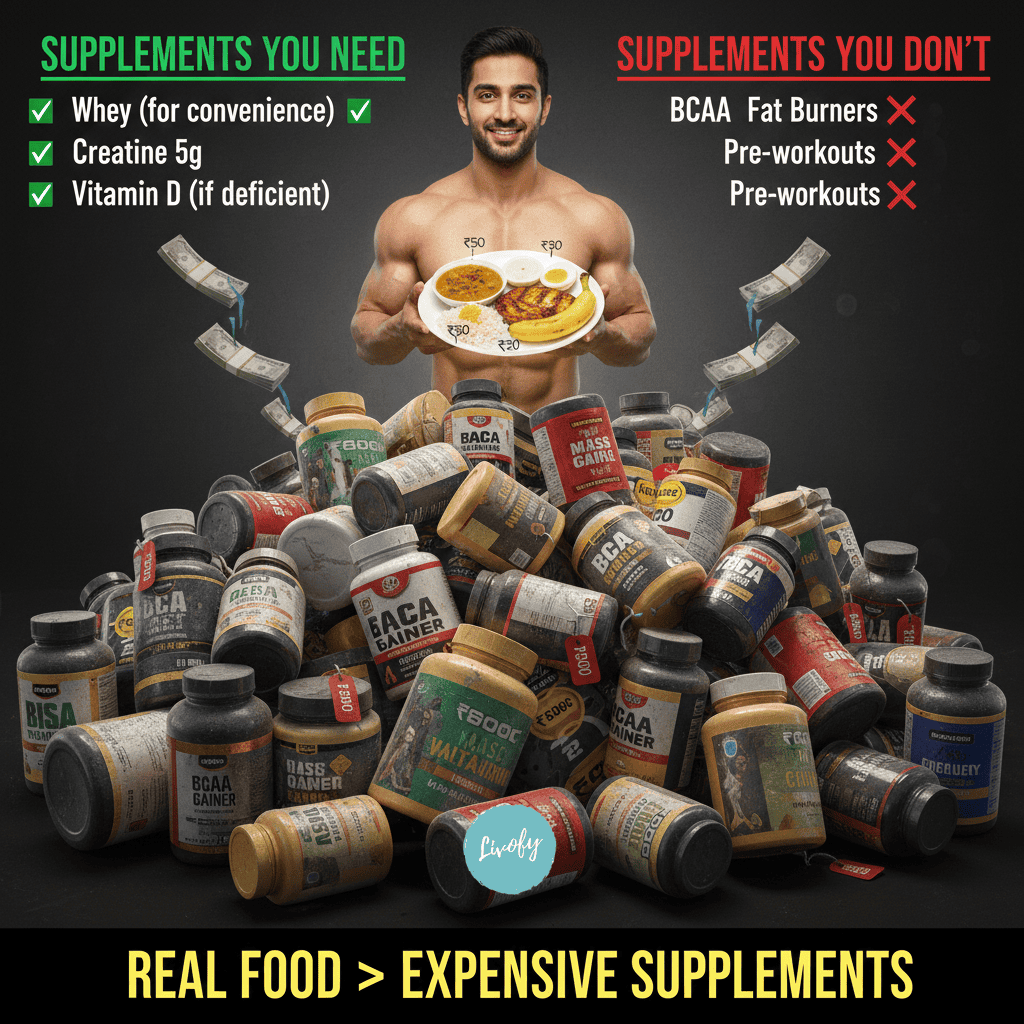
Let me save you some money: most supplements are expensive pee. Literally. Your body pisses out most of it.
You don’t need BCAAs if you’re eating adequate protein. You don’t need a mass gainer if you can eat real food. Most supplements are unnecessary if your diet is solid.
The basics that might actually help: whey protein for convenience, creatine for strength (it’s cheap too), vitamin D if you’re deficient, maybe omega-3s if you don’t eat fish.
7-Day Meal Plan
Here’s a practical week of eating with roughly 2500 calories and 150g protein daily. Adjust portions based on your needs.
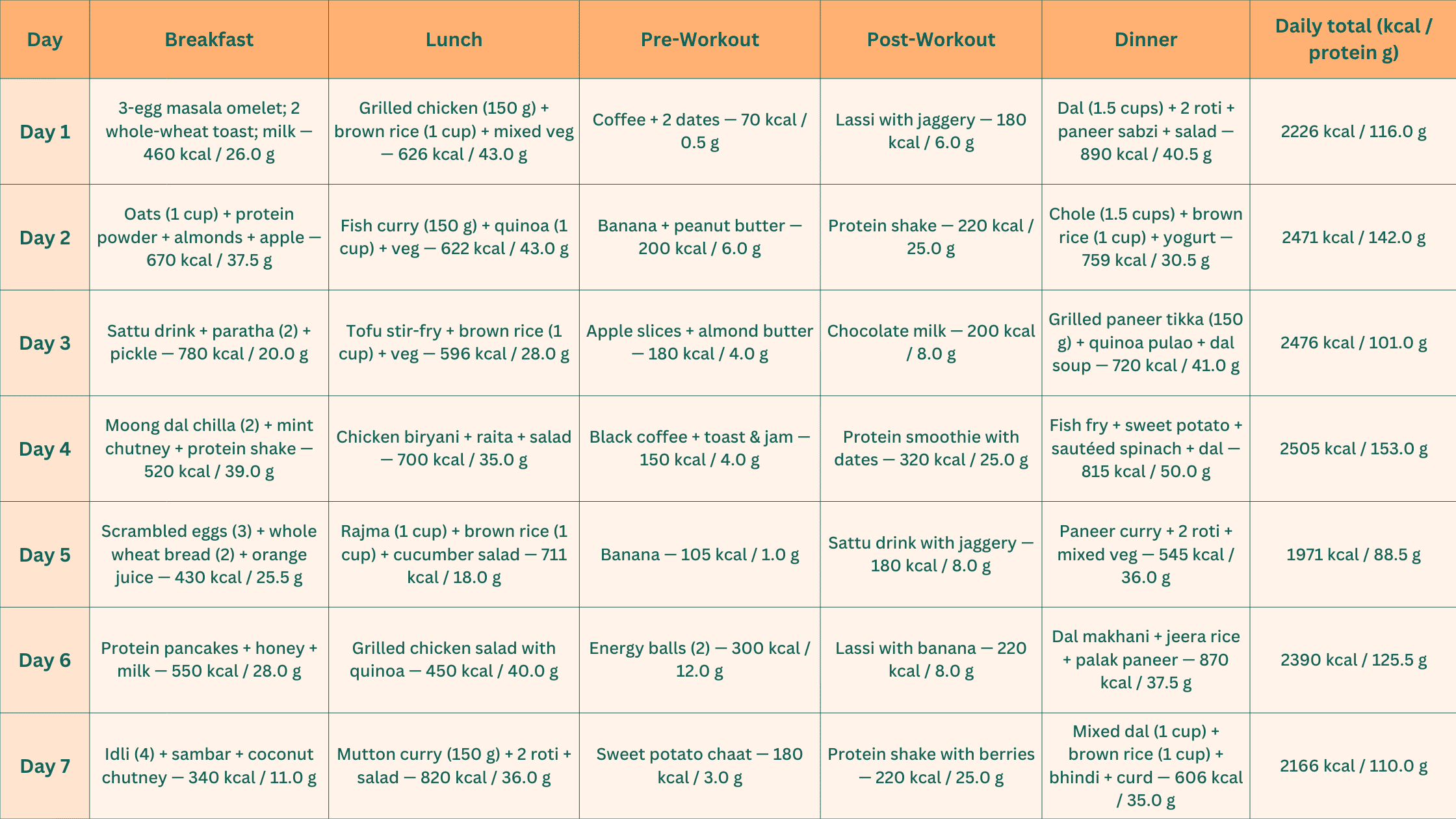
This gives you a framework. Mix and match based on what you like and what’s available. The goal is consistency, not perfection.
Recovery and Rest Days
Your muscles don’t grow during workouts. They grow during recovery, and rest day eating matters just as much as training day eating.
Active Recovery Meals
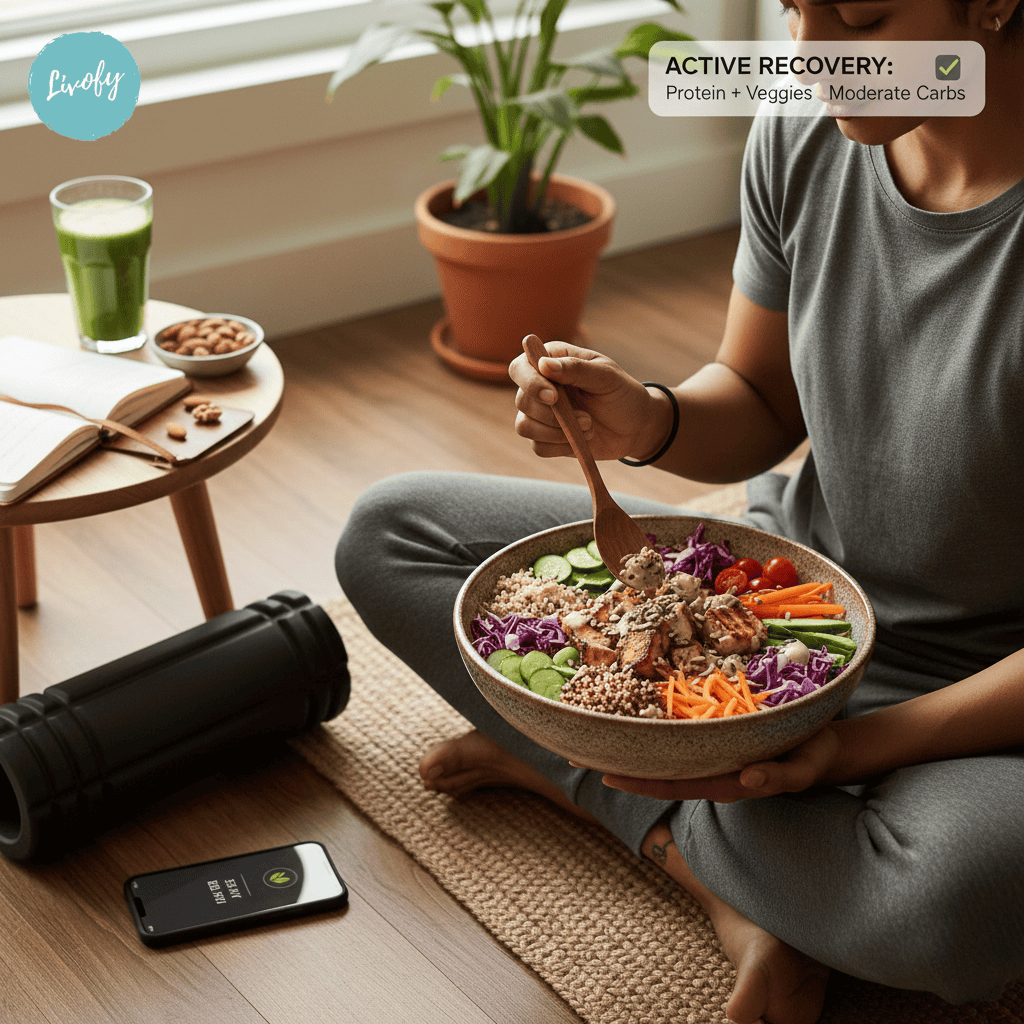
On light activity days, you need slightly less energy but still require protein for repair. Focus on protein and veggies with moderate carbs. Grilled paneer salad with quinoa. Dal soup with vegetables. Egg curry with one roti.
Don’t drastically cut calories on rest days. Your body is still repairing and building muscle. Cut too much, and you’ll be weak for your next session.
Sleep and Nutrition Connection
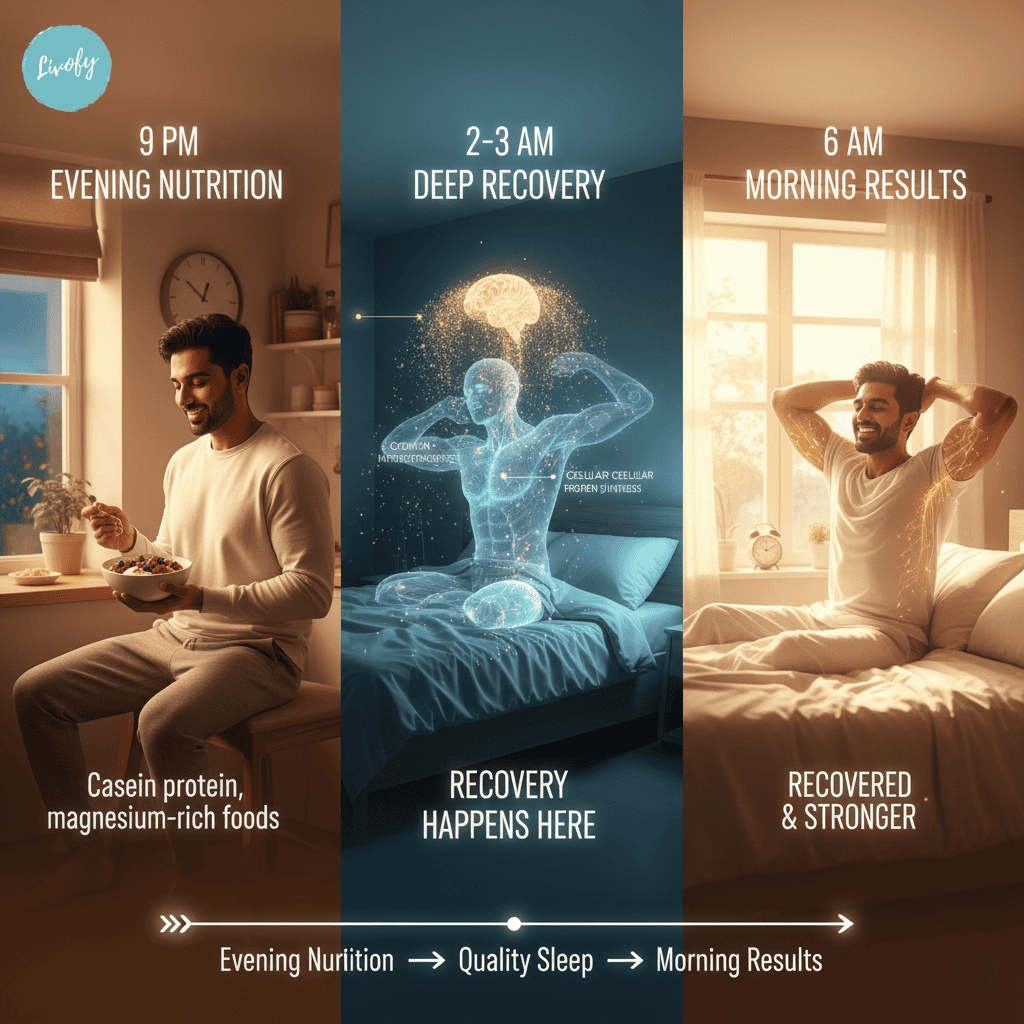
Quality sleep is when magic happens: growth hormone release, protein synthesis, cellular repair. Your eating can support or sabotage sleep.
Have your last large meal 2-3 hours before bed. If you need a bedtime snack, choose casein-rich foods like cottage cheese or Greek yogurt. These provide slow-releasing protein throughout the night.
Skip caffeine after 2 PM. Limit alcohol (it wrecks sleep quality). Consider magnesium-rich foods like almonds or bananas in the evening.
Poor sleep equals poor recovery, regardless of perfect nutrition during the day.
Hydration for Recovery
Water doesn’t get enough credit. Proper hydration is crucial for nutrient transport, waste removal, and recovery. Aim for at least 35ml per kilo of body weight. More if you sweat heavily.
Include electrolytes, especially if you train in hot conditions. Coconut water, nimbu pani with salt, or buttermilk provide natural electrolytes. Don’t wait until you’re thirsty. By then, you’re already mildly dehydrated.
Conclusion
Your 20s offer a biological advantage for building strength that you’ll never have again. The hormonal environment, recovery capacity, and metabolic efficiency of this decade create perfect conditions but only when combined with proper eating strategies.
Success requires consistent attention to what you eat around training, particularly getting enough protein, strategic carb timing, and overall nutrient quality. Every workout fueled properly, every recovery meal consumed, every eating habit developed now contributes to lifelong health benefits.
The muscle mass you build serves as metabolic protection for decades. The habits you develop create lasting patterns. The knowledge you gain becomes invaluable as your body changes. Start implementing these strategies today, and the compound effect of consistent nutrition practices will transform not just your physique but your entire approach to health and wellness.
Your future self will thank you for every protein-rich meal and every smart food choice you make now. The iron will always be there waiting. Your strongest self is ready to be built, one meal at a time.
Related Posts


