You’re following your diet perfectly, then your period arrives with cravings, bloating, and weight gain sabotage all progress. Frustration mounts as scale shows 2-3 kg increase overnight despite no dietary changes. Understanding weight loss diet during periods plus implementing strategic hormonal eating creates sustainable results working with your menstrual cycle, not fighting it. This guide reveals how Indian women can adjust period nutrition for continued weight loss success throughout monthly hormonal fluctuations.
What Is Weight Loss Diet During Periods and Why Indian Dieters Should Care?
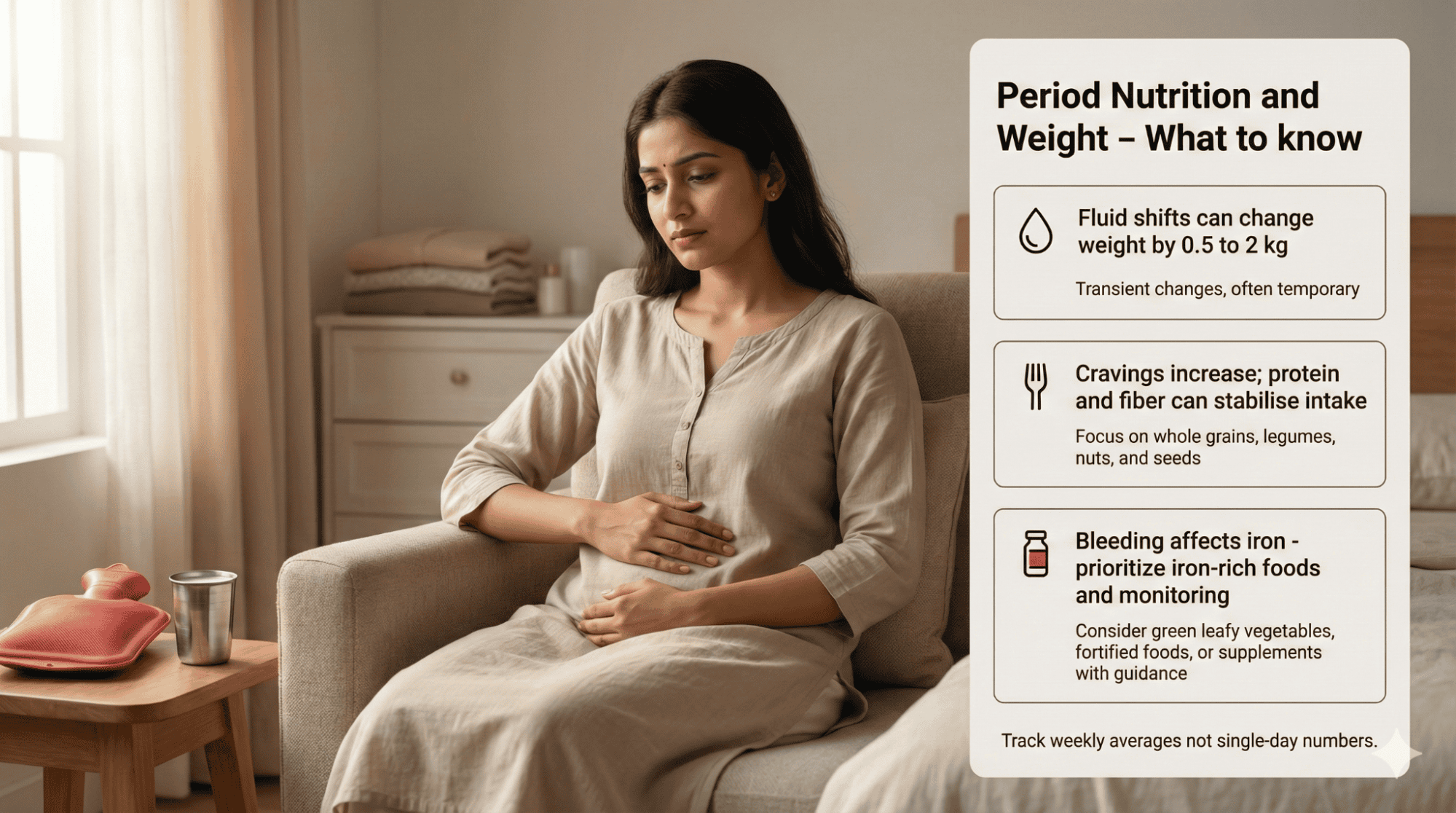
Weight loss diet during periods involves strategic nutrition adjustments accommodating hormonal fluctuations affecting metabolism, hunger, and water retention throughout menstrual cycle diet. Estrogen and progesterone levels fluctuate dramatically causing 2-4 kg temporary weight gain from water retention, not actual fat gain. Additionally, increased appetite and specific cravings result from hormonal changes, not willpower failure. Moreover, hormonal eating means adjusting calories, macronutrients, and food choices based on cycle phase optimizing results. Therefore, understanding these natural fluctuations prevents discouragement and extreme restriction sabotaging long-term progress.
Why Weight Matters for Indian Bodies
Indian women need appropriate weight loss diet during periods due to cultural silence around menstruation creating misinformation. Additionally, Indian women experience earlier menstruation onset and more severe symptoms than Western populations. Moreover, 30-40% of Indian women have PCOS causing irregular periods and hormonal imbalances complicating weight management. Furthermore, cultural dietary restrictions during periods often eliminate iron-rich foods worsening deficiency. In fact, proper period nutrition supports hormonal balance crucial for metabolic health and fertility. Therefore, culturally-appropriate menstrual nutrition becomes essential for Indian women’s comprehensive wellbeing.
Common Myths Debunked About This Topic
Let’s clear myths about weight loss diet during periods. First, period weight gain isn’t actual fat it’s temporary water retention disappearing post-menstruation. Second, you don’t need to completely abandon weight loss goals during periods moderate adjustments work better than extreme changes. Third, cravings aren’t weakness they’re hormonal signals for specific nutrients your body needs. Fourth, exercise during periods isn’t harmful appropriate movement actually reduces cramps and mood symptoms. Additionally, you don’t need to eat for two slightly increased calories 100-300 daily suffice. Finally, all women don’t experience identical cycles individual tracking reveals your personal patterns. Therefore, personalized approach based on your cycle works better than generic advice.
The Science Behind Weight Loss Diet During Periods for Indians
How Weight Works in Your Body
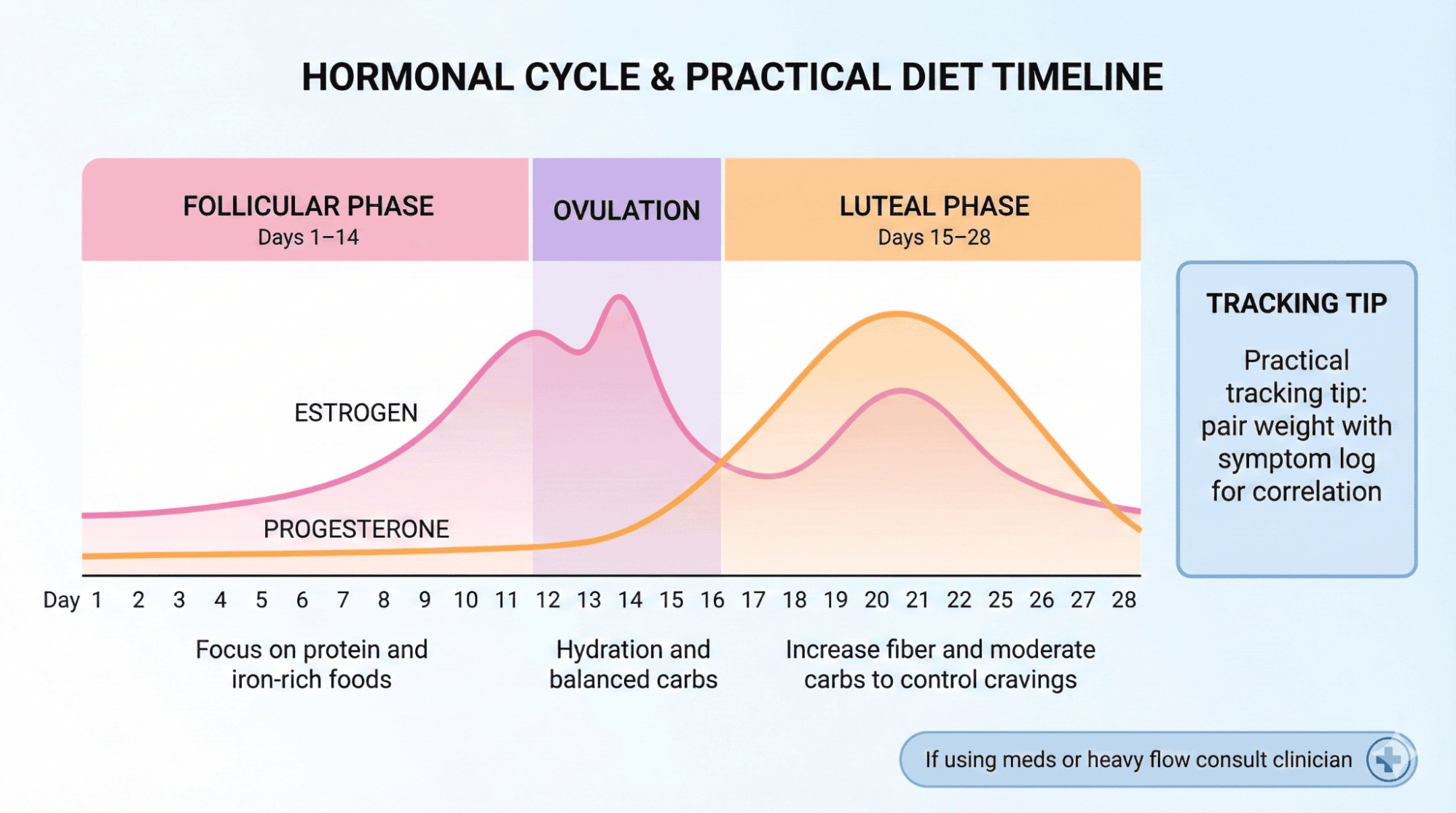
Menstrual cycle diet affects weight through hormonal fluctuations influencing metabolism, hunger, and fluid retention. During follicular phase (days 1-14), rising estrogen increases insulin sensitivity and energy levels supporting training and calorie deficit. Additionally, during ovulation (day 14), peak estrogen and testosterone optimize metabolism and strength. Moreover, during luteal phase (days 15-28), rising progesterone increases appetite by 100-300 calories daily while decreasing insulin sensitivity. Furthermore, premenstrual phase causes water retention from hormonal shifts creating 2-4 kg temporary weight gain. Therefore, understanding these phases allows strategic hormonal eating optimizing results throughout cycle.
The Connection Between Menstrual Cycle Diet and Health
Period nutrition profoundly affects menstrual health, fertility, and metabolic function beyond just weight management. Adequate nutrition supports regular ovulation crucial for hormone balance and fertility. Additionally, proper hormonal eating reduces PMS symptoms including cramps, mood swings, and fatigue by 30-50%. Moreover, sufficient calories and nutrients prevent menstrual irregularities from restrictive dieting damaging reproductive health. Furthermore, iron-rich foods during periods prevent anemia common among Indian women affecting energy and immunity. Therefore, weight loss diet during periods prioritizing health over rapid scale changes creates sustainable results supporting overall wellbeing.
What Research Shows for Indian Population
Research on menstrual cycle diet for Indians reveals concerning nutritional deficiencies but promising solutions. Studies show 60-70% of Indian women have iron deficiency worsening during menstruation from inadequate dietary intake. Additionally, research demonstrates Indian women consuming adequate protein and iron throughout cycle experience 40% reduction in PMS symptoms. Moreover, studies indicate cycle-synced nutrition improves weight loss adherence by allowing flexibility during high-appetite phases. Furthermore, research shows Indian women with PCOS benefit particularly from strategic hormonal eating improving insulin sensitivity and cycle regularity. Therefore, culturally-appropriate menstrual nutrition produces measurable health improvements for our population.
Period Nutrition: What to Watch For
Physical Signs and Symptoms to Monitor
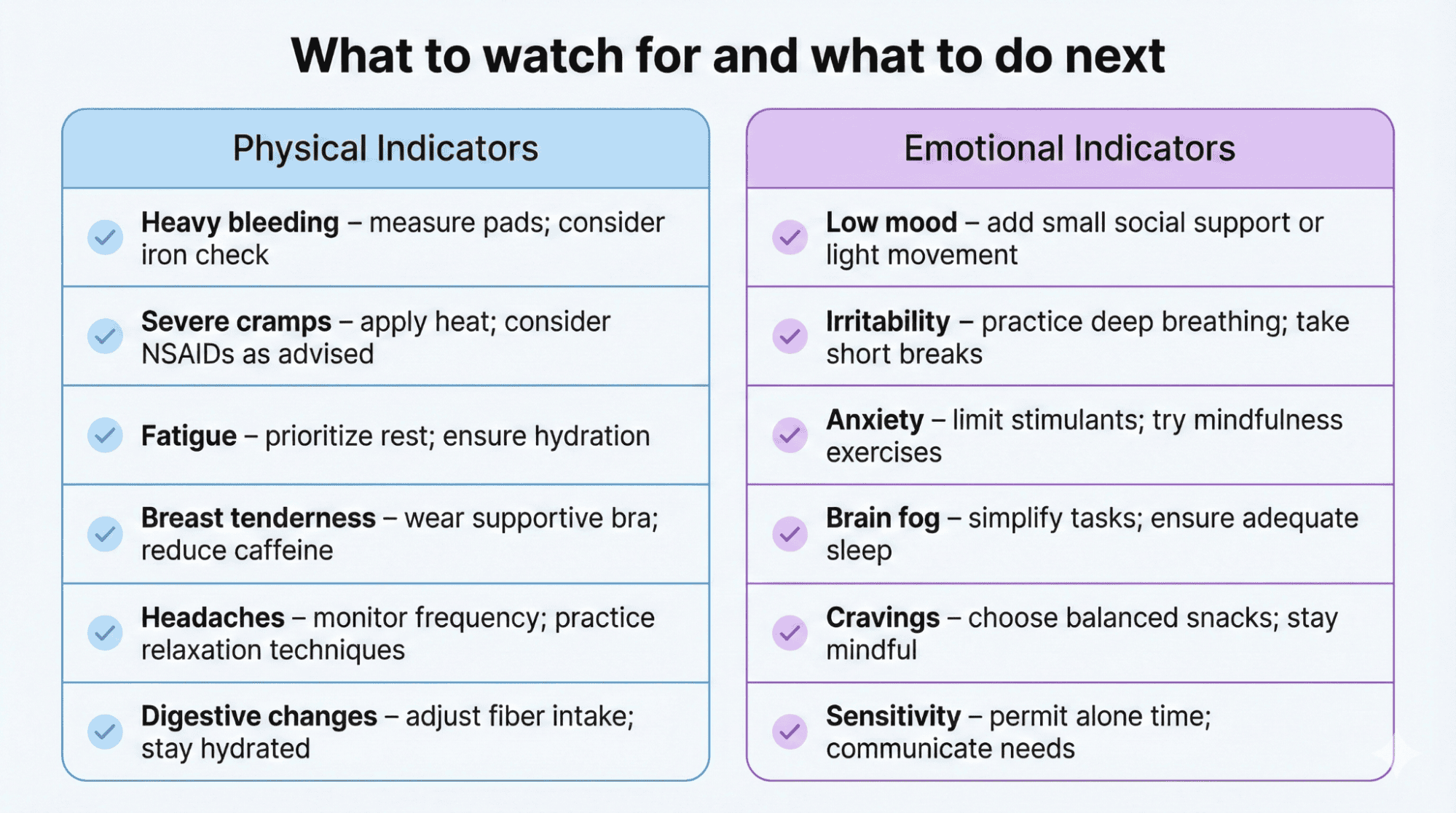
Period nutrition effectiveness shows through menstrual symptom improvements and regular cycles. Watch for reduced cramping and pain indicating better nutrient status and anti-inflammatory diet. Additionally, regular cycles arriving every 25-35 days suggest adequate calorie intake and hormonal balance. Moreover, manageable PMS symptoms without severe mood swings or fatigue indicate proper hormonal eating support. Furthermore, energy maintenance throughout cycle rather than extreme luteal phase fatigue shows adequate nutrition. However, warning signs include irregular cycles, extremely heavy bleeding, or severe pain requiring medical evaluation. Therefore, monitoring menstrual health indicators validates weight loss diet during periods effectiveness.
Emotional and Mental Health Indicators
Menstrual cycle diet should stabilize mood rather than exacerbate hormonal fluctuations. You should experience manageable mood changes without severe depression or anxiety during premenstrual phase. Additionally, food relationship should feel balanced without extreme restriction followed by period binges. Moreover, adequate period nutrition reduces irritability and emotional sensitivity common during luteal phase. Furthermore, self-compassion during menstruation prevents guilt about temporary weight gain or increased appetite. However, watch for severe mood disturbances, extreme food anxiety, or disordered eating patterns requiring professional support. Therefore, mental health stability validates hormonal eating supports comprehensive wellbeing.
When to Consult a Healthcare Professional
Consult doctors for irregular cycles varying more than 7 days monthly, extremely heavy bleeding soaking through protection hourly, or severe pain interfering with daily activities. Additionally, see gynecologists if experiencing amenorrhea from excessive calorie restriction damaging reproductive health. Moreover, if implementing weight loss diet during periods without regular cycles for 3+ months, evaluation ensures no underlying PCOS, thyroid issues, or hormonal imbalances. Work with registered dietitians specializing in women’s health creating menstrual cycle diet addressing individual hormonal needs. Therefore, professional guidance optimizes period nutrition while preventing complications from undiagnosed conditions.
Indian Lifestyle Factors Affecting Weight Loss Diet During Periods
Modern Indian Diet Challenges and Solutions
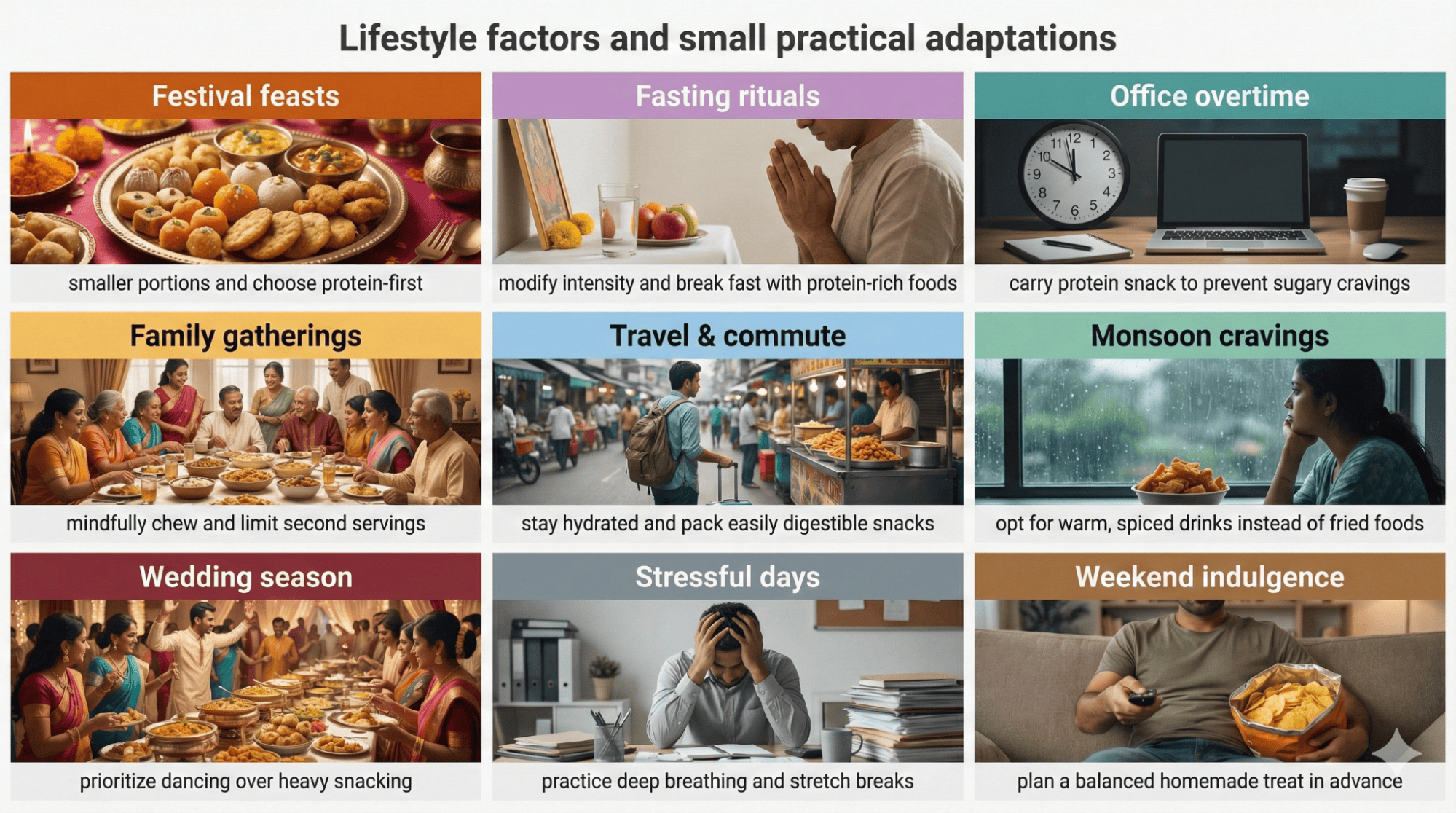
Modern Indian diets often lack nutrients crucial for period nutrition and hormonal balance. Inadequate iron from vegetarian diets without proper planning causes anemia worsening during menstruation. Additionally, insufficient protein affects hormone production and satiety during high-appetite luteal phase. Moreover, excessive caffeine and sugar worsen PMS symptoms and energy crashes. Solutions include iron-rich foods like spinach, beetroot, and jaggery during periods, adequate protein 60-80g daily supporting hormone production, and minimizing caffeine particularly premenstrually. Additionally, complex carbs stabilize blood sugar preventing mood swings and cravings. Therefore, strategic nutrition modifications support hormonal eating effectively.
Work-Life Balance and Urban Living Impact
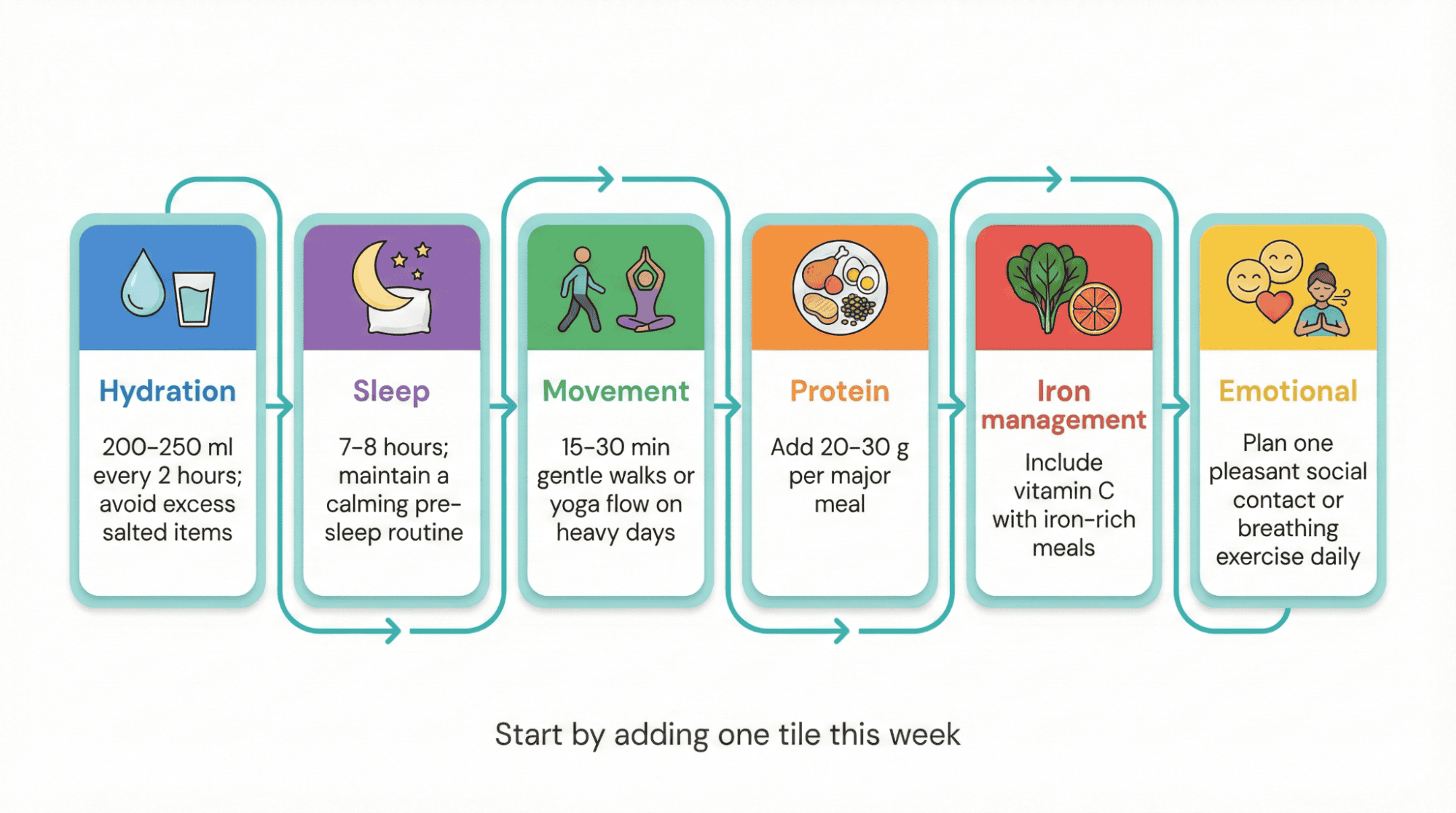
Urban Indian women face unique challenges managing weight loss diet during periods with demanding careers. High stress worsens PMS symptoms and menstrual irregularities through cortisol disruption. Additionally, inadequate sleep exacerbates hormonal imbalances and fatigue during periods. Moreover, lack of menstrual leave forces working through severe symptoms affecting performance and wellbeing. Solutions include stress management through meditation or yoga particularly premenstrually, prioritizing 7-8 hours sleep supporting hormone regulation, and allowing rest during severe symptoms when possible. Therefore, lifestyle optimization supports menstrual cycle diet through comprehensive self-care.
Cultural and Social Influences on Health
Indian cultural factors create both challenges and opportunities for period nutrition optimization. Cultural silence around menstruation prevents women from seeking information or support. Additionally, dietary restrictions during periods often eliminate nutritious foods worsening deficiency. Moreover, menstruation stigma prevents open discussion about symptoms or needs. Solutions include breaking silence discussing menstrual health openly with trusted women, questioning restrictive practices without nutritional basis, and educating family about proper hormonal eating needs. Therefore, navigating culture while prioritizing health makes weight loss diet during periods sustainable.
Best Indian Foods for Weight Loss Diet During Periods Management
Traditional Indian Foods That Support Hormonal Eating
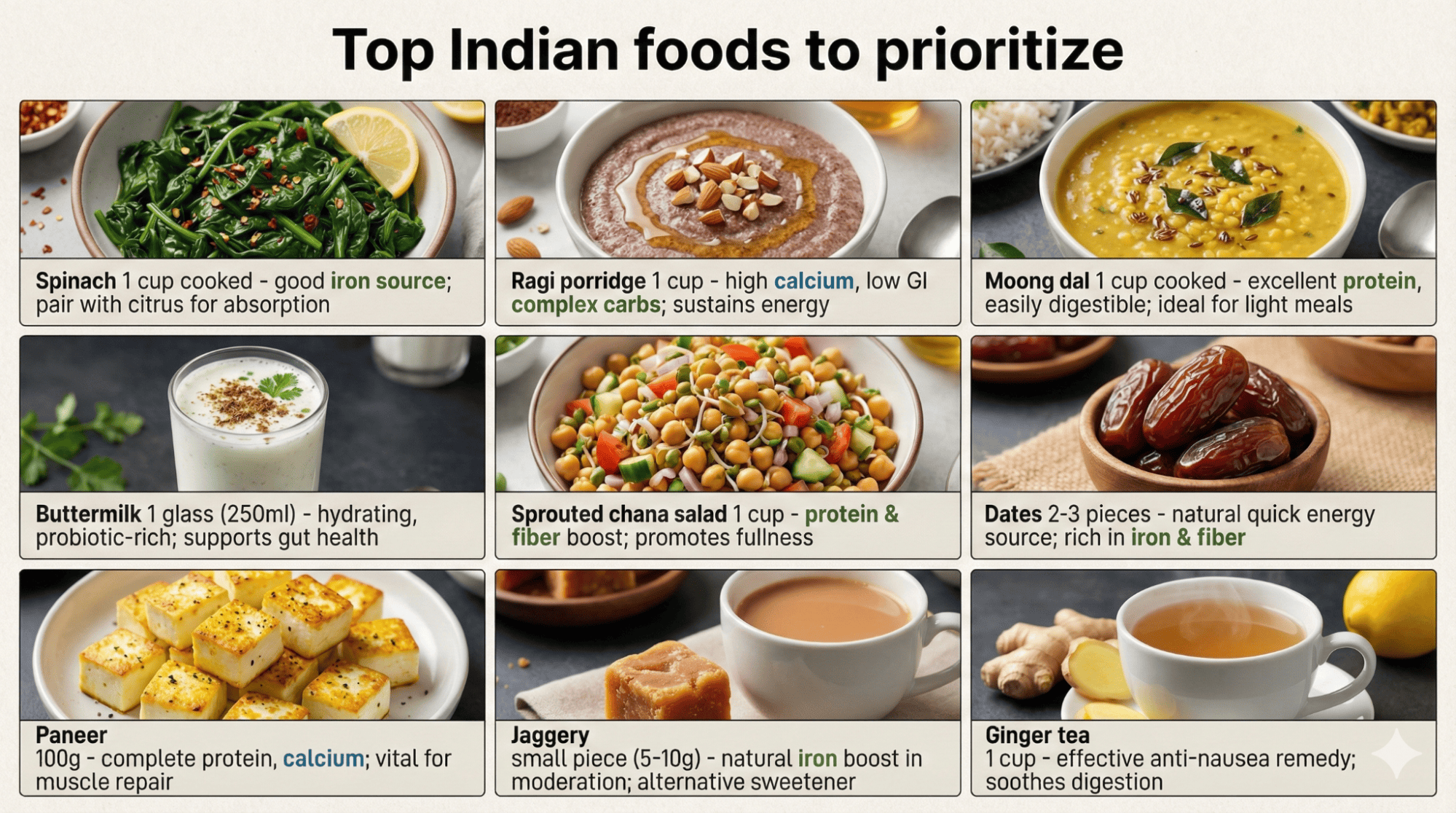
Strategic Indian foods provide nutrients essential for period nutrition and hormonal balance. Iron-rich foods include spinach, beetroot, jaggery, dates, and amaranth replenishing losses from menstruation. Additionally, protein sources like dal, paneer, and eggs support hormone production crucial for cycle regulation. Moreover, complex carbs from whole grains stabilize blood sugar preventing mood swings and cravings. Furthermore, magnesium-rich foods like nuts, seeds, and dark chocolate reduce cramps and PMS symptoms. Traditional warm foods like ginger chai soothe digestive issues and cramps naturally. Therefore, combining traditional wisdom with nutritional science optimizes hormonal eating.
Modern Indian Meal Options and Healthy Recipes
Create meals supporting menstrual cycle diet through strategic nutrient timing based on cycle phase. Follicular phase (days 1-14): Emphasize lighter meals with lean proteins and vegetables supporting energy and training. Additionally, luteal phase (days 15-28): Include slightly more complex carbs and healthy fats satisfying increased appetite naturally. Moreover, during menstruation: Focus on iron-rich foods like spinach curry, beetroot salad, and jaggery replenishing losses. Include warming spices like ginger and turmeric reducing inflammation and cramps. Furthermore, allow moderate treats satisfying cravings preventing binges. Therefore, cycle-synced nutrition optimizes weight loss diet during periods results.
Foods to Limit or Avoid for Better Results
Certain foods worsen period nutrition symptoms despite being Indian staples. Excessive caffeine worsens anxiety, sleep issues, and cramps particularly during luteal and menstrual phases. Additionally, too much salt increases water retention and bloating already problematic premenstrually. Moreover, excessive sugar causes energy crashes and mood swings exacerbating PMS symptoms. Furthermore, alcohol disrupts hormone metabolism and worsens symptoms. Very spicy foods can worsen digestive issues common during menstruation for some women. Therefore, minimizing these foods particularly during luteal and menstrual phases reduces symptom severity.
Portion Sizes and Meal Timing for Indians
Strategic portions and timing optimize hormonal eating throughout menstrual cycle. Follicular phase: Maintain normal portions with moderate deficit 300-500 calories supporting weight loss. Additionally, ovulation: Peak energy supports training and activity with maintenance calories. Moreover, luteal phase: Increase portions slightly providing extra 100-300 calories preventing extreme hunger and binges. Furthermore, menstruation: Honor hunger with adequate portions while emphasizing nutrient-dense foods. Eat smaller frequent meals reducing bloating and digestive discomfort during periods. Therefore, flexible approach based on cycle phase creates sustainable weight loss diet during periods.
Lifestyle Changes to Support Weight Loss Diet During Periods
Menstrual Health: The Right Approach for Indians
Implementing effective menstrual cycle diet requires tracking and strategic adjustments based on cycle phase. Week 1 (menstruation): Focus on iron-rich foods, gentle movement, and adequate rest allowing recovery. Additionally, week 2 (follicular): Optimize training and calorie deficit with high energy and motivation. Moreover, week 3-4 (luteal): Increase portions 100-300 calories, reduce training intensity, and practice extra self-care managing PMS. Track cycles and symptoms revealing personal patterns guiding individualized approach. Therefore, cycle-synced lifestyle optimizes weight loss diet during periods sustainability.
Sleep and Stress Management Strategies
Sleep and stress profoundly affect period nutrition and menstrual health. Inadequate sleep worsens PMS symptoms and hormonal imbalances disrupting cycle regularity. Additionally, chronic stress elevates cortisol interfering with reproductive hormones causing irregular periods or amenorrhea. Moreover, poor sleep increases appetite and cravings worsening luteal phase challenges. Solutions include prioritizing 7-8 hours quality sleep particularly during luteal and menstrual phases, establishing bedtime routine, and practicing stress management through meditation particularly premenstrually. Therefore, lifestyle optimization supports hormonal eating through comprehensive self-care.
Daily Habits That Make a Real Difference
Small consistent habits optimize menstrual cycle diet long-term. Track cycle and symptoms using apps revealing personal patterns and fertile windows. Additionally, prepare iron-rich foods ensuring adequate intake during menstruation when needs increase. Moreover, schedule important activities during follicular phase when energy peaks avoiding luteal phase when possible. Furthermore, practice self-compassion during menstruation allowing flexibility without guilt about temporary weight or appetite changes. Communicate needs to family and partners gaining support during challenging phases. Therefore, these habits create environment supporting sustainable weight loss diet during periods.
Your 7-Day Weight Loss Diet During Periods Management Meal Plan
| Day | Breakfast | Lunch | Evening Snack | Dinner |
| Day 1 | Spinach paratha (2) + curd + jaggery + dates | Brown rice + dal + beetroot curry + raita | Dark chocolate (2 squares) + almonds | 2 rotis + dal + palak paneer + warm ginger chai |
| Day 2 | Oats + milk + dates + walnuts + banana | 2 bajra rotis + dal + spinach + chicken curry | Jaggery chikki + roasted chana | Brown rice + rajma + beetroot salad + curd |
| Day 3 | Moong dal cheela + paneer + dates + milk | Quinoa + dal + amaranth leaves + fish curry | Dates + handful of cashews | 2 rotis + dal + mixed vegetables + raita |
| Day 4 | Ragi porridge + jaggery + nuts + banana | Brown rice + sambhar + spinach poriyal + egg curry | Dark chocolate + pumpkin seeds | 2 whole wheat rotis + dal + beetroot curry + curd |
| Day 5 | Whole wheat toast + peanut butter + dates + milk | 2 rotis + dal + amaranth + paneer curry + salad | Jaggery ladoo + warm milk | Brown rice + dal + spinach + chicken + raita |
| Day 6 | Vegetable upma + cashews + dates + curd | Brown rice + moong dal + beetroot + fish tikka | Dark chocolate + almonds + dates | 2 bajra rotis + dal + palak + paneer + warm chai |
| Day 7 | Idli (4) + sambhar + coconut chutney + dates | Quinoa + dal + spinach + egg curry + raita | Jaggery + roasted makhana | 2 rotis + dal + amaranth leaves + mixed vegetables |
Note: Each day emphasizes iron-rich foods (spinach, beetroot, amaranth, dates, jaggery) replenishing menstrual losses. Adequate protein 60-80g supports hormone production. Complex carbs and healthy fats manage increased appetite during luteal phase. Warm foods and ginger soothe cramps naturally supporting menstrual health.
Common Mistakes Indians Make with Weight Loss Diet During Periods
Diet Mistakes That Sabotage Progress
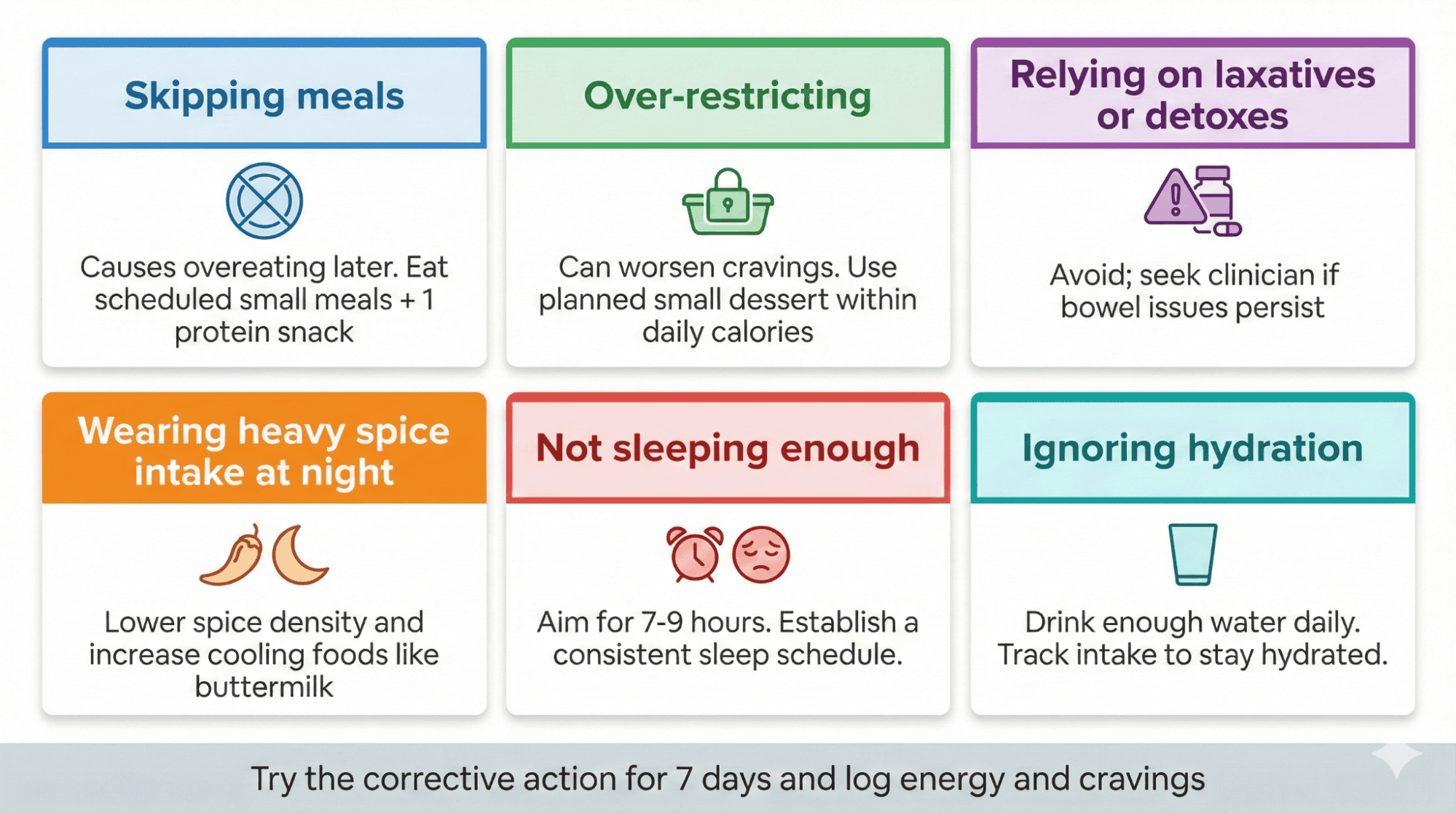
Biggest mistake is maintaining aggressive calorie deficit during luteal phase when appetite increases 100-300 calories naturally. Additionally, not increasing iron intake during menstruation worsens deficiency common among Indian women. Moreover, eliminating all treats during cravings leads to eventual binges sabotaging overall progress. Furthermore, continuing intense training during severe symptoms causes excessive stress and potential injury. Not tracking cycles prevents understanding personal patterns for strategic planning. Therefore, flexible approach honoring hormonal needs supports weight loss diet during periods sustainability.
Lifestyle Pitfalls to Watch Out For
Many sabotage period nutrition through unrealistic expectations and rigid approaches. Panicking about temporary water weight gain creates extreme restriction worsening symptoms. Additionally, comparing luteal phase appetite to follicular phase creates unnecessary guilt. Moreover, ignoring severe symptoms powering through without rest damages health long-term. Furthermore, inadequate sleep during demanding luteal phase worsens all symptoms. Not communicating needs to family prevents getting necessary support. Therefore, self-compassion and flexibility prevent common pitfalls derailing hormonal eating efforts.
How to Course-Correct When Things Go Wrong
If experiencing irregular cycles or severe symptoms despite implementing menstrual cycle diet, troubleshoot systematically. Verify adequate overall calories 1,400-1,800 daily preventing amenorrhea from extreme restriction. Additionally, ensure sufficient iron intake through tracking one menstrual cycle. Moreover, check if excessive stress or inadequate sleep are disrupting hormonal balance. Furthermore, assess whether excessive exercise without adequate fuel affects cycle regularity. If all factors optimized without improvement, medical evaluation rules out PCOS, thyroid issues, or other conditions. Therefore, systematic approach identifies whether implementation or medical problems prevent weight loss diet during periods success.
Frequently Asked Questions
Q1: What is weight loss diet during periods and how does it affect Indians?
Weight loss diet during periods involves strategic nutrition adjustments accommodating hormonal fluctuations throughout menstrual cycle diet affecting metabolism, hunger, and water retention naturally. Indian women particularly need this approach given cultural silence around menstruation, higher PCOS rates affecting 30-40% of women, and iron deficiency common from inadequate dietary intake worsening during periods.
Q2: What are the main signs of weight issues?
Signs include irregular cycles varying more than 7 days monthly, severe PMS symptoms interfering with daily life, extreme bloating and water retention, constant fatigue during periods from anemia, and difficulty losing weight despite diet efforts from hormonal imbalances. Multiple symptoms together indicate need for proper period nutrition addressing underlying hormonal and nutritional deficiencies.
Q3: What foods should Indians eat for better weight loss diet during periods?
Eat iron-rich foods including spinach, beetroot, amaranth leaves, dates, and jaggery replenishing menstrual losses, adequate protein 60-80g from dal and paneer supporting hormone production, complex carbs stabilizing blood sugar, magnesium-rich nuts reducing cramps, and warming ginger chai soothing digestive issues. Strategic hormonal eating based on cycle phase optimizes results.
Q4: Can weight be managed naturally?
Yes, through cycle-synced nutrition adjusting calories and foods based on hormonal phase, adequate iron intake particularly during menstruation preventing deficiency, menstrual cycle diet allowing flexibility during high-appetite luteal phase, 7-8 hours quality sleep supporting hormone regulation, and stress management preventing cycle irregularities. Natural approaches support menstrual health while achieving sustainable weight loss.
Q5: How long does it take to see results with weight loss diet during periods changes?
Menstrual symptom improvements appear within 1-2 cycles of implementing proper period nutrition. Cycle regularity improves within 2-3 months with adequate calories and nutrients. Weight loss progress becomes consistent within 3-4 cycles once understanding personal patterns allows strategic deficit during the follicular phase and maintenance during the luteal phase for sustainable hormonal eating results.
Conclusion
Weight loss diet during periods involves strategic nutrition adjustments working with hormonal fluctuations rather than fighting them throughout menstrual cycle diet. For Indian women facing cultural silence, PCOS affects 30-40%, and iron deficiency from inadequate intake. Implementing hormonal eating with iron-rich foods, adequate protein, and cycle-synced portions creates sustainable results. Understanding 2-4 kg temporary water weight gain during periods prevents panic and extreme restriction, sabotaging progress. Managing weight isn’t about perfection, it’s about a flexible approach, honouring increased appetite during the luteal phase while optimising deficit during the follicular phase.
Start this week by tracking your cycle and symptoms using apps revealing personal patterns. Additionally, increase iron-rich foods like spinach and beetroot particularly during menstruation replenishing losses. Allow extra 100-300 calories during the luteal phase preventing extreme restriction and binges.
Related Posts