You’re eating perfectly, exercising regularly, yet stubborn belly fat refuses to budge despite months of effort. Your stress levels are high, sleep quality poor, waking exhausted despite 7-8 hours in bed. Understanding cortisol and sleep connection plus implementing strategic sleep quality improvements creates breakthrough weight loss results when diet and exercise alone fail. This guide reveals how Indians can optimize stress hormones and circadian rhythm for sustainable fat loss and metabolic health transformation.
What Is Cortisol And Sleep and Why Indian Dieters Should Care?
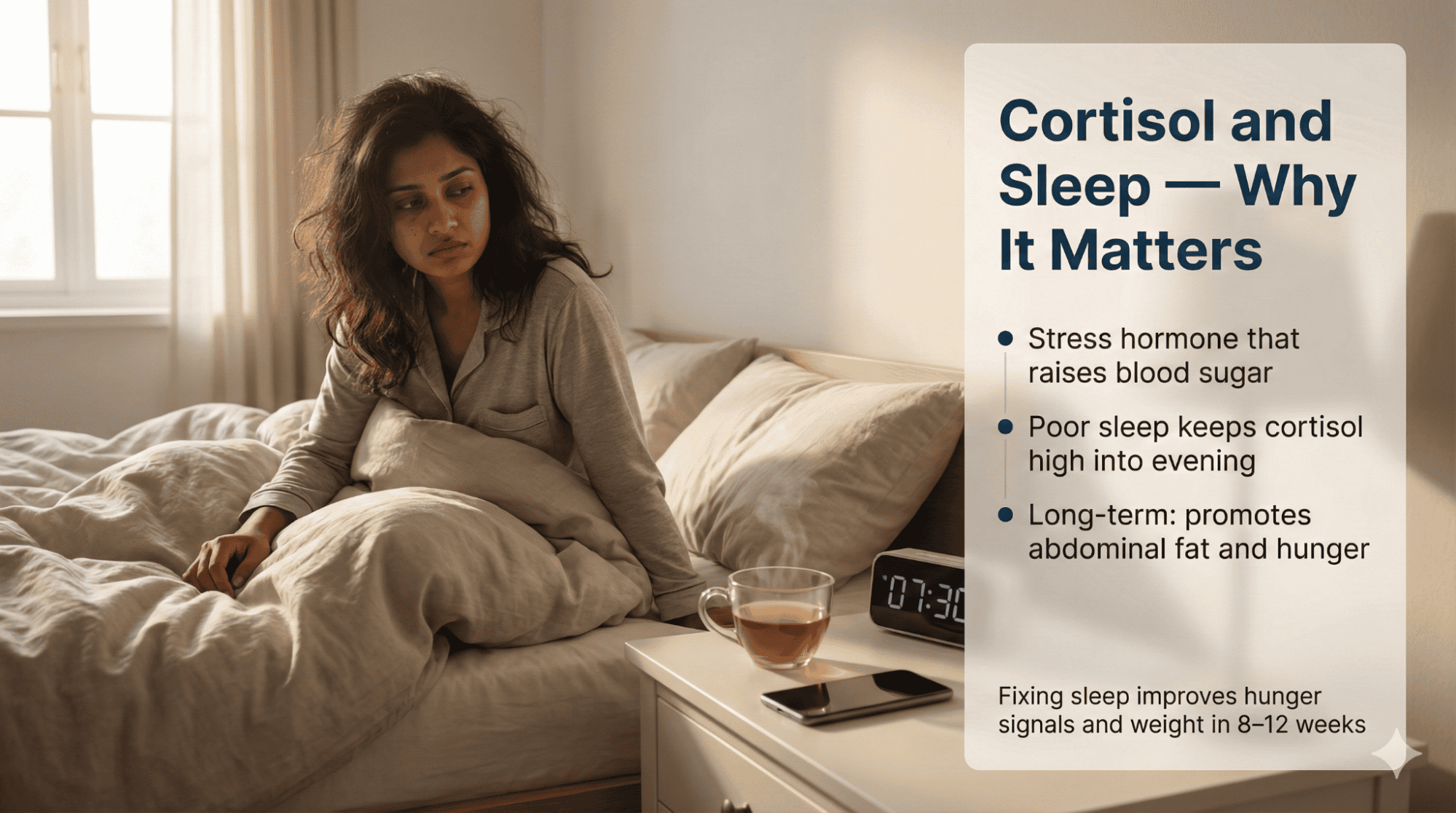
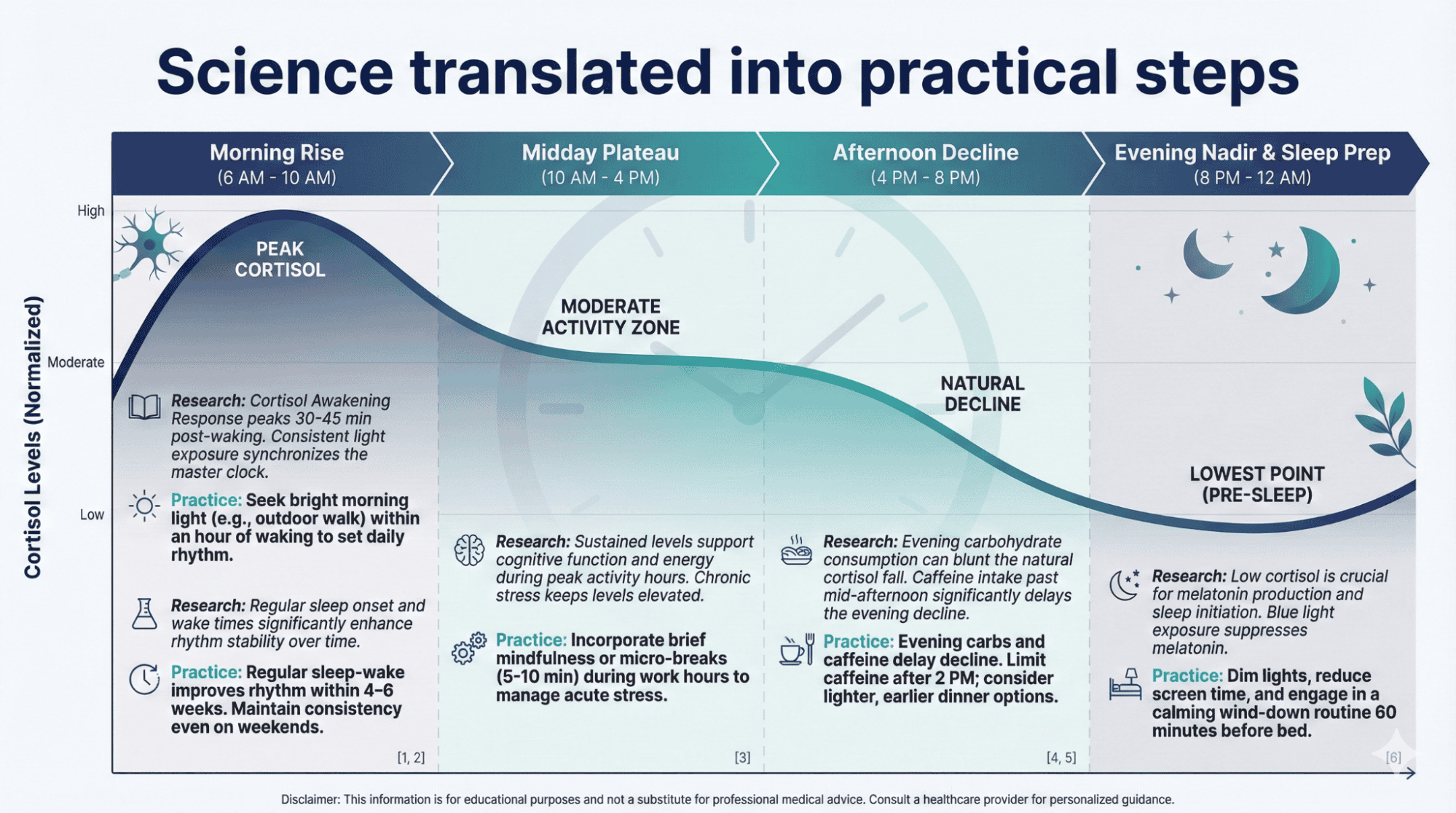
Cortisol and sleep involves bidirectional relationship where cortisol dysregulation disrupts sleep while poor sleep quality elevates cortisol creating vicious cycle. Cortisol is primary stress hormone regulating metabolism, blood sugar, inflammation, and immune function throughout day. Additionally, healthy cortisol follows circadian pattern peaking morning for wakefulness and declining evening allowing sleep. Moreover, chronic stress, poor sleep, or irregular schedules disrupt this rhythm causing metabolic dysfunction and weight gain. Therefore, optimizing cortisol and sleep becomes crucial for breaking weight loss plateaus resistant to diet and exercise alone.
Why Cortisol Matters for Indian Bodies
Indians need attention to cortisol and sleep due to high-stress urban lifestyles disrupting natural rhythms. Additionally, long work hours, lengthy commutes, and demanding family obligations create chronic stress elevation damaging health. Moreover, Indians have genetic predisposition storing abdominal fat when cortisol remains elevated chronically. Furthermore, sleep deprivation common among Indians averaging 5-6 hours nightly when needing 7-8 worsens cortisol dysregulation. In fact, elevated cortisol promotes insulin resistance affecting 40% of urban Indians despite normal weight. Therefore, addressing stress hormones through sleep optimization becomes essential for Indian metabolic health.
Common Myths Debunked About This Topic
Let’s clear myths about cortisol and sleep. First, cortisol isn’t inherently bad—healthy levels are essential for waking, energy, and stress response. Second, you can’t just sleep more to fix chronic stress—comprehensive stress management required. Third, cortisol supplements don’t fix underlying issues causing dysregulation. Fourth, sleep and weight loss connection isn’t just about calories—hormonal disruption prevents fat burning despite deficit. Additionally, sleeping late but getting 7-8 hours doesn’t equal healthy sleep—circadian rhythm alignment matters. Finally, weekend catch-up sleep doesn’t fully compensate for weekday deprivation. Therefore, consistent daily sleep optimization works better than sporadic efforts.
The Science Behind Cortisol And Sleep for Indians
How Cortisol Works in Your Body
Cortisol and sleep affects weight through multiple interconnected metabolic mechanisms. Elevated evening cortisol from stress or poor sleep disrupts melatonin preventing deep restorative sleep. Additionally, sleep deprivation increases cortisol by 30-50% next day creating self-perpetuating cycle. Moreover, chronic cortisol elevation promotes abdominal fat storage while breaking down muscle reducing metabolism. Furthermore, high cortisol increases insulin resistance and blood sugar regardless of diet quality. Disrupted circadian rhythm from irregular sleep schedules amplifies all these effects. Therefore, optimizing sleep quality and managing stress hormones creates metabolic environment supporting fat loss.
The Connection Between Sleep And Weight Loss and Health
Sleep and weight loss connection extends far beyond just feeling rested affecting comprehensive metabolic function. Adequate sleep maintains leptin and ghrelin balance regulating appetite and satiety naturally. Additionally, sleep deprivation increases hunger by 300-500 calories daily through hormonal disruption. Moreover, poor sleep reduces insulin sensitivity by 30% promoting fat storage despite calorie deficit. Furthermore, inadequate sleep impairs growth hormone secretion crucial for fat burning and muscle recovery. Therefore, sleep quality optimization provides weight loss benefits equivalent to dietary interventions through hormonal regulation.
What Research Shows for Indian Population
Research on cortisol and sleep for Indians reveals concerning patterns but promising solutions. Studies show urban Indians averaging 5-6 hours nightly with 60% reporting poor sleep quality from stress and screen time. Additionally, research demonstrates Indians implementing sleep optimization show 30% greater weight loss than diet and exercise alone. Moreover, studies indicate Indians practicing stress management techniques reduce cortisol by 25% within 8 weeks. Furthermore, research shows fixing sleep deprivation improves insulin sensitivity significantly benefiting diabetes-prone Indians. Therefore, addressing stress hormones and sleep produces measurable metabolic improvements for our population.
Sleep Deprivation: What to Watch For
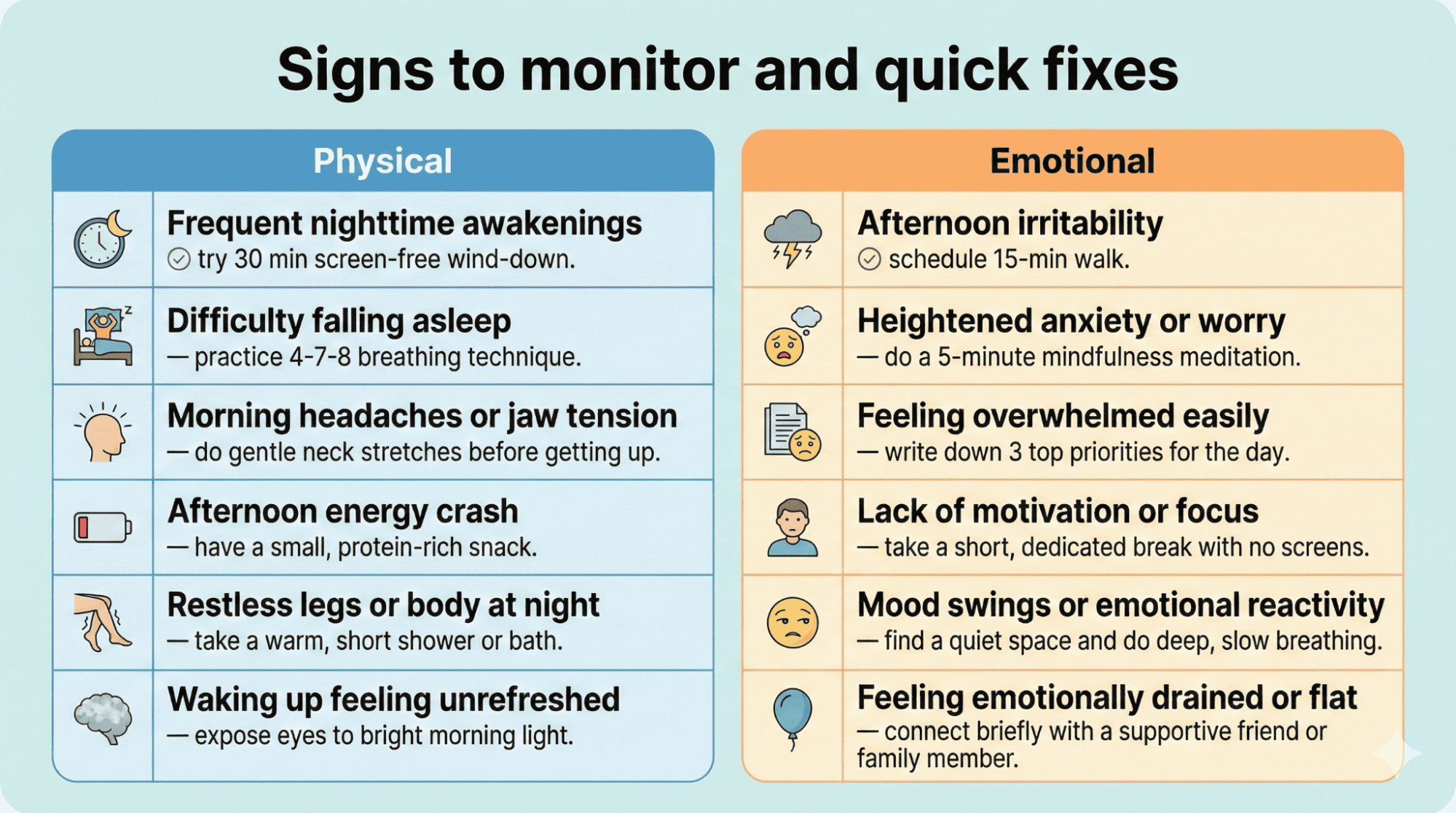
Physical Signs and Symptoms to Monitor
Sleep deprivation manifests through observable physical changes beyond just tiredness. Constant fatigue despite adequate hours in bed suggests poor sleep quality, not just insufficient duration. Additionally, stubborn belly fat despite a perfect diet indicates elevated cortisol from chronic stress or sleep issues. Moreover, frequent illnesses from weakened immunity show stress hormones suppressing immune function. Furthermore, difficulty losing weight despite a calorie deficit suggests hormonal disruption from inadequate sleep. Watch for afternoon energy crashes requiring caffeine, indicating a disrupted circadian rhythm. Therefore, multiple physical indicators reveal cortisol and sleep optimisation needs.
Emotional and Mental Health Indicators
Cortisol and sleep profoundly affect mental health through neurotransmitter and stress hormone regulation. Poor sleep causes irritability, mood swings, and emotional reactivity disproportionate to situations. Additionally, chronic sleep deprivation increases anxiety and depression risk by 40-50% through serotonin disruption. Moreover, difficulty concentrating and memory problems indicate inadequate deep sleep for cognitive restoration. Furthermore, increased cravings for sugar and carbs suggest cortisol dysregulation driving emotional eating. However, watch for severe anxiety or depression requiring professional mental health support. Therefore, mental health improvements validate that sleep quality optimisation supports comprehensive wellbeing.
When to Consult a Healthcare Professional
Consult doctors for insomnia persisting despite good sleep hygiene, loud snoring suggesting sleep apnea, or extreme daytime sleepiness interfering with activities. Additionally, see endocrinologists if suspecting Cushing’s syndrome from consistently elevated cortisol, showing characteristic symptoms. Moreover, if implementing sleep quality improvements consistently for 2-3 months without better rest or weight loss, evaluation ensures no underlying issues. Work with sleep specialists for chronic insomnia or sleep disorders, preventing restorative rest. Therefore, professional guidance optimises cortisol and sleep management, addressing underlying conditions.
Indian Lifestyle Factors Affecting Cortisol And Sleep
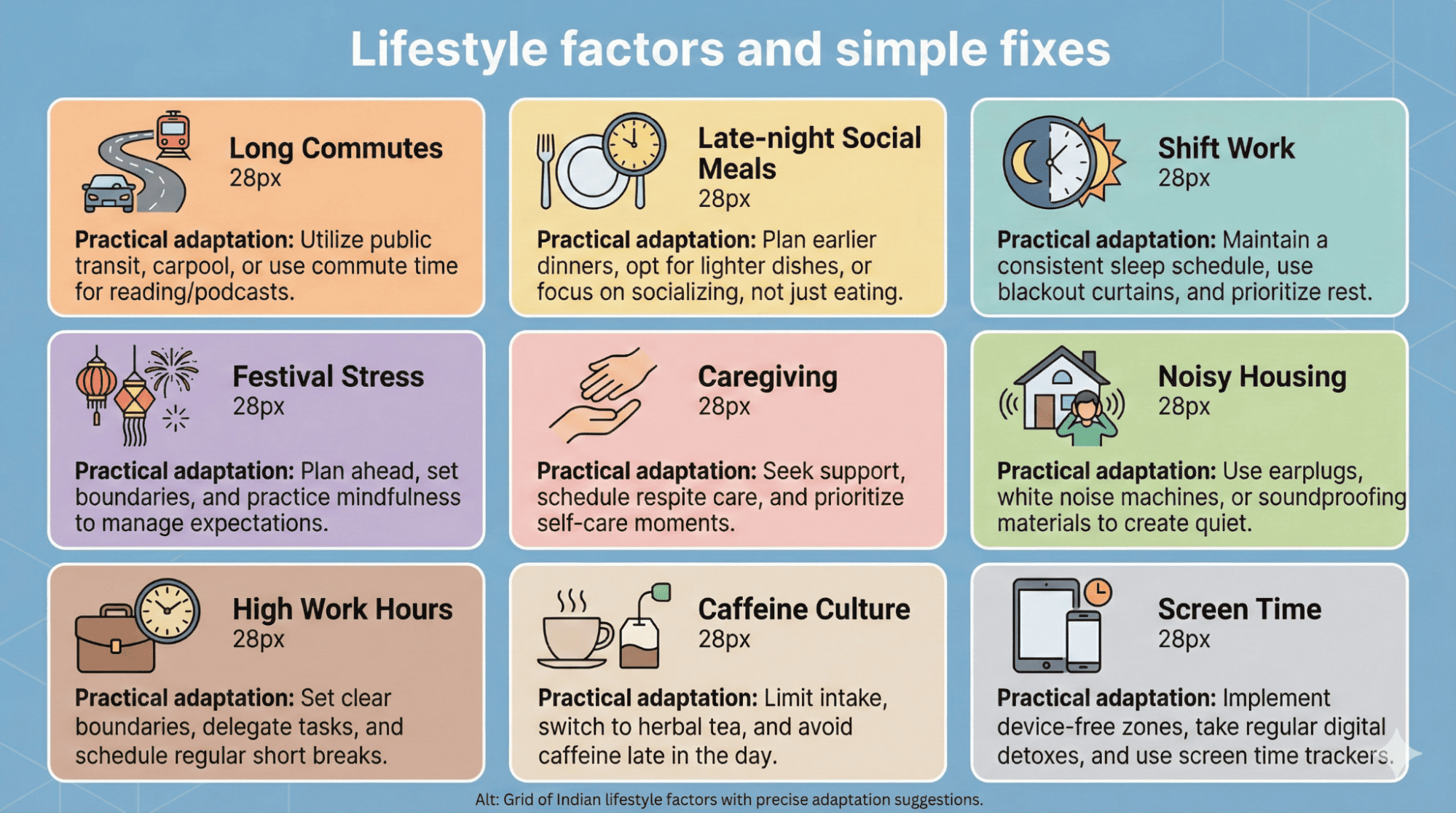
Modern Indian Diet Challenges and Solutions
Modern Indian dietary patterns disrupt cortisol and sleep through poor nutrient timing and food choices. Excessive caffeine particularly after 2 PM interferes with evening cortisol decline and melatonin production. Additionally, large late dinners eaten 8-9 PM spike blood sugar and insulin preventing quality sleep. Moreover, inadequate magnesium from refined grains impairs sleep quality and stress management. Solutions include limiting caffeine to morning only, eating dinner by 7-8 PM allowing 3-hour digestion before sleep, and including magnesium-rich foods like nuts and dark leafy greens. Therefore, strategic nutrition timing supports circadian rhythm and hormonal balance.
Work-Life Balance and Urban Living Impact
Urban Indian lifestyle creates chronic stress elevating cortisol and disrupting sleep quality. Long work hours plus 2-3 hour commutes leave minimal time for sleep or stress management. Additionally, blue light from screens late evening suppresses melatonin preventing sleep onset. Moreover, always-on work culture prevents mental downtime needed for stress recovery. Solutions include establishing strict work cutoff times, implementing blue light filters or avoiding screens 1-2 hours before bed, and practicing active stress management through meditation or yoga. Therefore, lifestyle boundaries protect sleep and weight loss efforts.
Cultural and Social Influences on Health
Indian cultural factors both challenge and support cortisol and sleep optimization. Late social gatherings and family dinners disrupt consistent sleep schedules crucial for circadian rhythm. Additionally, cultural emphasis on productivity over rest makes prioritizing sleep feel selfish or lazy. However, traditional practices like meditation, yoga, and Ayurvedic sleep routines provide effective stress management tools. Solutions include educating family about health necessity of consistent sleep, establishing boundaries around evening commitments, and returning to traditional stress management practices. Therefore, balancing cultural expectations with sleep needs creates sustainable approach.
Best Indian Foods for Cortisol And Sleep Management
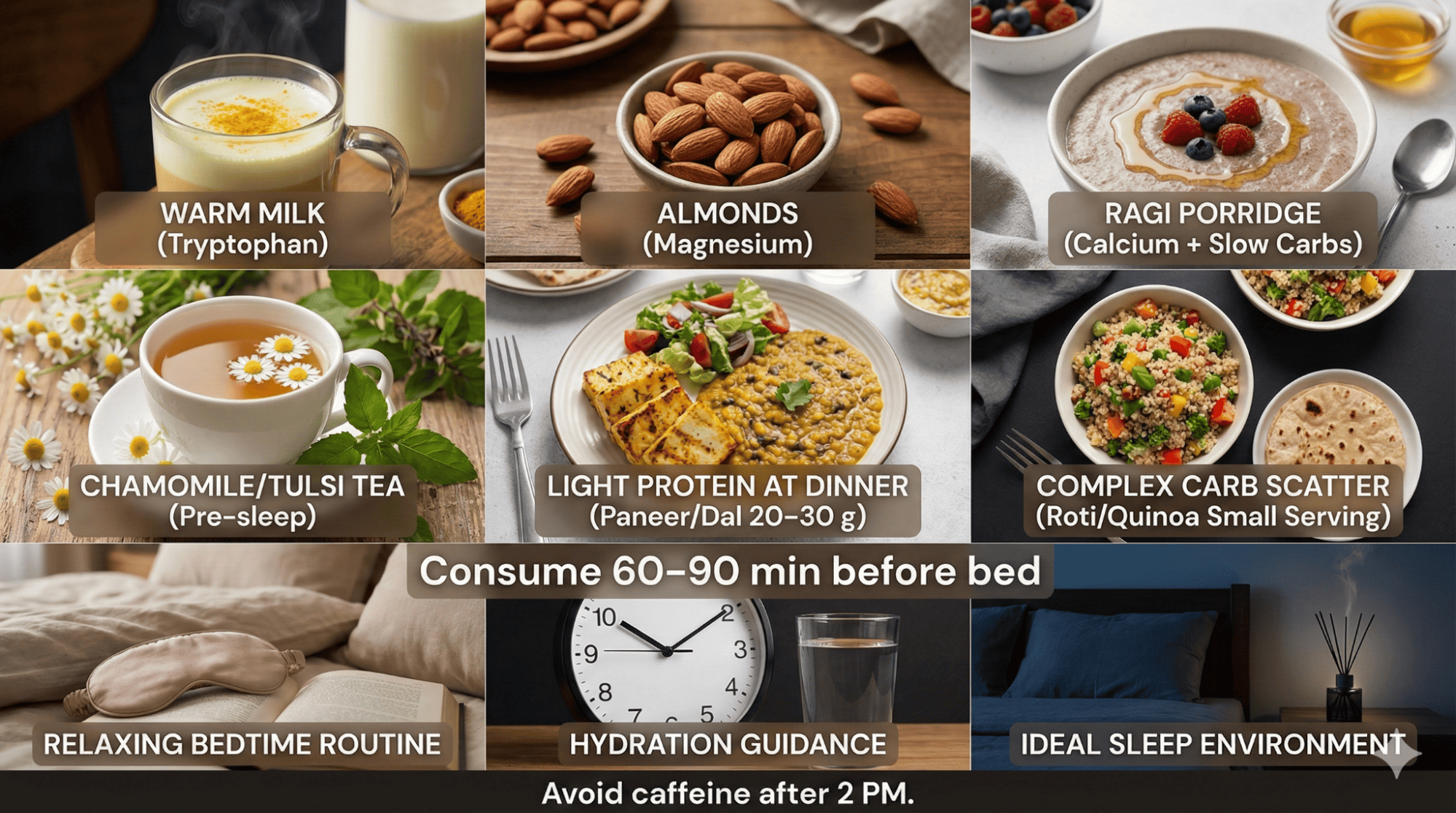
Traditional Indian Foods That Support Stress Hormones
Strategic Indian foods provide nutrients optimizing cortisol and sleep through hormonal and neurotransmitter support. Magnesium-rich foods including almonds, cashews, pumpkin seeds, and dark leafy greens reduce cortisol and improve sleep quality. Additionally, tryptophan sources like milk, bananas, and walnuts support melatonin production promoting sleep onset. Moreover, complex carbs from whole grains stabilize blood sugar preventing nighttime cortisol spikes and awakening. Furthermore, adaptogenic spices like ashwagandha in warm milk reduce stress hormones naturally. Traditional chamomile or tulsi tea before bed promotes relaxation and sleep. Therefore, combining traditional wisdom with nutritional science optimizes sleep quality.
Modern Indian Meal Options and Healthy Recipes
Create meals supporting sleep and weight loss through strategic nutrient timing throughout day. Morning: Include protein and complex carbs providing sustained energy without cortisol spikes from blood sugar crashes. Additionally, afternoon: Avoid excessive caffeine after 2 PM allowing evening cortisol natural decline. Moreover, evening: Emphasize lighter easily digestible dinner with magnesium-rich foods and tryptophan supporting melatonin. Before bed: Warm milk with almonds or ashwagandha promotes relaxation and sleep onset. Furthermore, avoid large meals, spicy foods, or alcohol within 3 hours of sleep preventing digestive disruption. Therefore, strategic meal timing optimizes circadian rhythm and hormonal balance.
Foods to Limit or Avoid for Better Results
Certain foods disrupt cortisol and sleep despite being Indian staples. Excessive caffeine after afternoon interferes with evening cortisol decline and melatonin production preventing sleep. Additionally, too much sugar causes blood sugar crashes triggering cortisol spikes and night awakening. Moreover, alcohol initially sedates but disrupts deep sleep architecture and increases cortisol overnight. Furthermore, very spicy foods late evening can cause digestive discomfort preventing quality sleep. Large late meals spike insulin and cortisol preventing sleep onset. Therefore, minimizing these particularly evening improves sleep quality significantly.
Portion Sizes and Meal Timing for Indians
Strategic meal timing optimizes cortisol and sleep through circadian rhythm alignment and blood sugar stability. Eat breakfast within 1 hour of waking supporting healthy cortisol peak and metabolism. Additionally, make lunch largest meal when metabolism most active and cortisol naturally elevated. Moreover, eat lighter dinner by 7-8 PM allowing 3-hour digestion before sleep preventing insulin and cortisol spikes. Avoid eating within 2-3 hours of bedtime preventing digestive disruption to sleep quality. Furthermore, maintain consistent meal times daily supporting circadian rhythm regulation. Therefore, strategic timing supports stress hormones balance and metabolic health.
Lifestyle Changes to Support Cortisol And Sleep
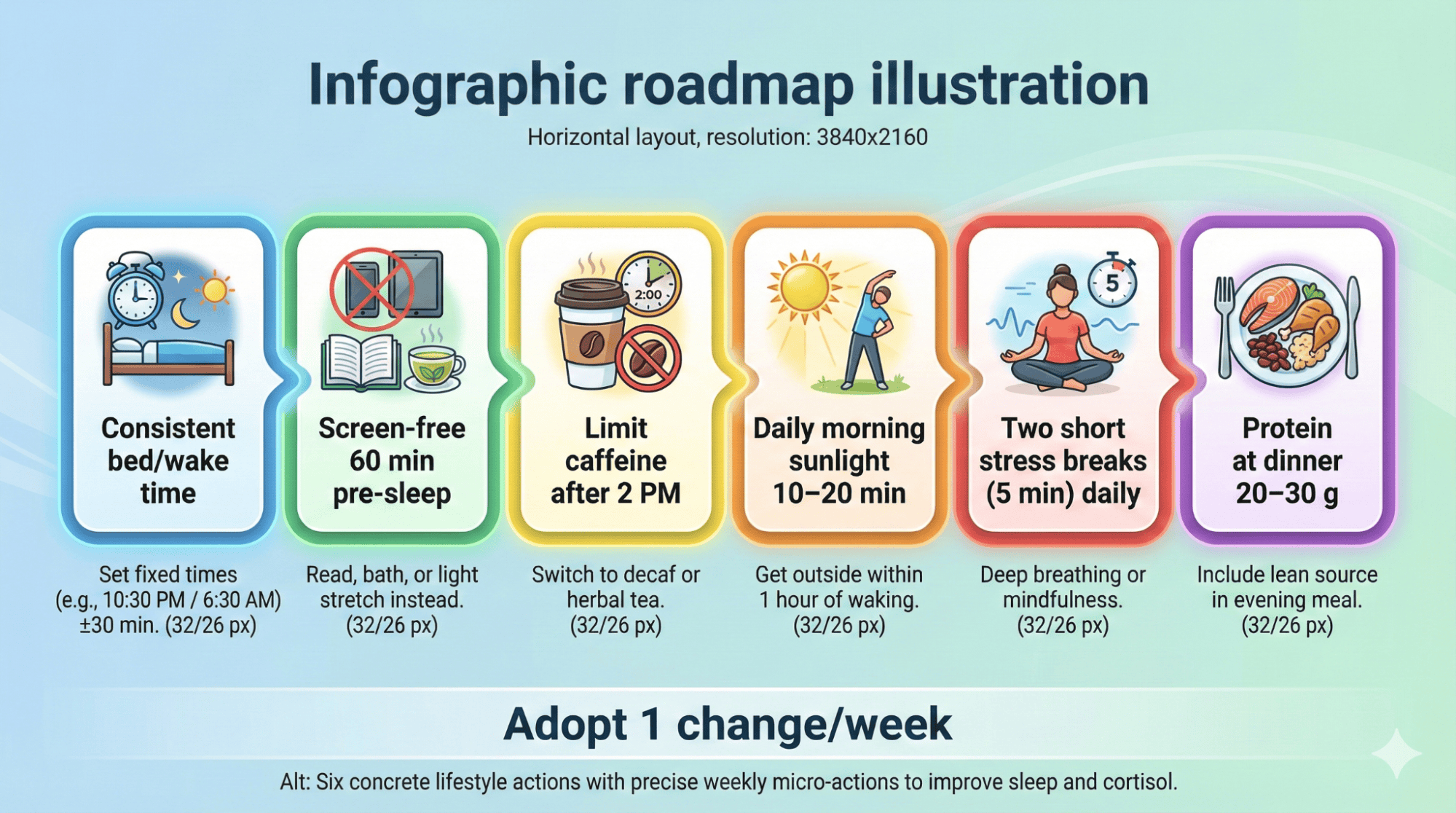
Sleep Quality: The Right Approach for Indians
Implementing effective sleep quality optimization requires comprehensive approach beyond just duration. Maintain consistent sleep-wake schedule even weekends supporting circadian rhythm regulation. Additionally, create dark cool quiet sleep environment blocking light and noise disrupting deep sleep. Moreover, establish relaxing bedtime routine: warm bath, reading, or meditation signaling body for sleep. Furthermore, limit screens 1-2 hours before bed as blue light suppresses melatonin preventing sleep onset. Avoid caffeine after 2 PM and alcohol within 3 hours of bed protecting sleep architecture. Therefore, systematic sleep hygiene creates environment supporting restorative rest and cortisol and sleep optimization.
Sleep and Stress Management Strategies
Stress management profoundly affects cortisol and sleep through breaking chronic elevation cycle. Practice daily stress management: meditation, yoga, deep breathing, or progressive muscle relaxation reducing cortisol by 20-30%. Additionally, exercise regularly but not within 3 hours of bed as late intense activity elevates cortisol interfering with sleep. Moreover, establish work boundaries preventing constant stress and allowing mental recovery time. Furthermore, practice gratitude or journaling before bed processing day’s stress preventing rumination. Therefore, comprehensive stress management supports sleep quality through hormonal regulation.
Daily Habits That Make a Real Difference
Small consistent habits optimize cortisol and sleep long-term. Get morning sunlight within 30 minutes of waking supporting healthy cortisol peak and circadian rhythm. Additionally, avoid snoozing alarm as repeated cortisol spikes cause grogginess. Moreover, track sleep using apps or journals identifying patterns and sleep quality issues. Furthermore, establish consistent bedtime routine signaling body for sleep onset consistently. Limit afternoon naps to 20 minutes preventing nighttime sleep disruption. Therefore, these daily habits create environment supporting sleep and weight loss through hormonal optimization.
Your 7-Day Cortisol And Sleep Management Meal Plan
| Day | Breakfast | Lunch | Evening Snack | Dinner |
| Day 1 | Oats + milk + banana + almonds + flax seeds | Brown rice + dal + vegetables + paneer + salad | Chamomile tea + 5 walnuts | Light vegetable khichdi + cucumber raita (7 PM) |
| Day 2 | Whole wheat toast + eggs + avocado + milk | 2 rotis + dal + mixed vegetables + chicken curry | Warm milk + 5 almonds | Dal soup + steamed vegetables + small rice (7 PM) |
| Day 3 | Vegetable poha + peanuts + curd + banana | Quinoa + moong dal + vegetables + fish curry | Tulsi tea + handful of cashews | 2 small rotis + dal + leafy greens + raita (7 PM) |
| Day 4 | Idli + sambhar + coconut chutney + banana | Brown rice + dal + mixed vegetables + paneer | Warm milk + dates + almonds | Vegetable soup + dal + cucumber salad (7 PM) |
| Day 5 | Moong dal cheela + vegetables + curd + walnuts | 2 bajra rotis + dal + vegetables + chicken | Chamomile tea + pumpkin seeds | Light khichdi + vegetables + raita (7 PM) |
| Day 6 | Ragi porridge + milk + banana + cashews + seeds | Brown rice + sambhar + vegetables + egg curry | Warm milk + 5 almonds | Dal soup + mixed vegetables + small roti (7 PM) |
| Day 7 | Vegetable upma + cashews + curd + banana | 2 rotis + dal + vegetables + fish curry + salad | Tulsi tea + handful of walnuts | Vegetable khichdi + cucumber + raita (7 PM) |
Note: Each day emphasizes magnesium-rich foods (nuts, seeds, leafy greens) and tryptophan sources (milk, bananas) supporting sleep quality. Light early dinners by 7-8 PM prevent cortisol spikes. Bedtime herbal teas promote relaxation. Consistent timing supports circadian rhythm regulation essential for stress hormones balance.
Common Mistakes Indians Make with Cortisol And Sleep
Diet Mistakes That Sabotage Progress
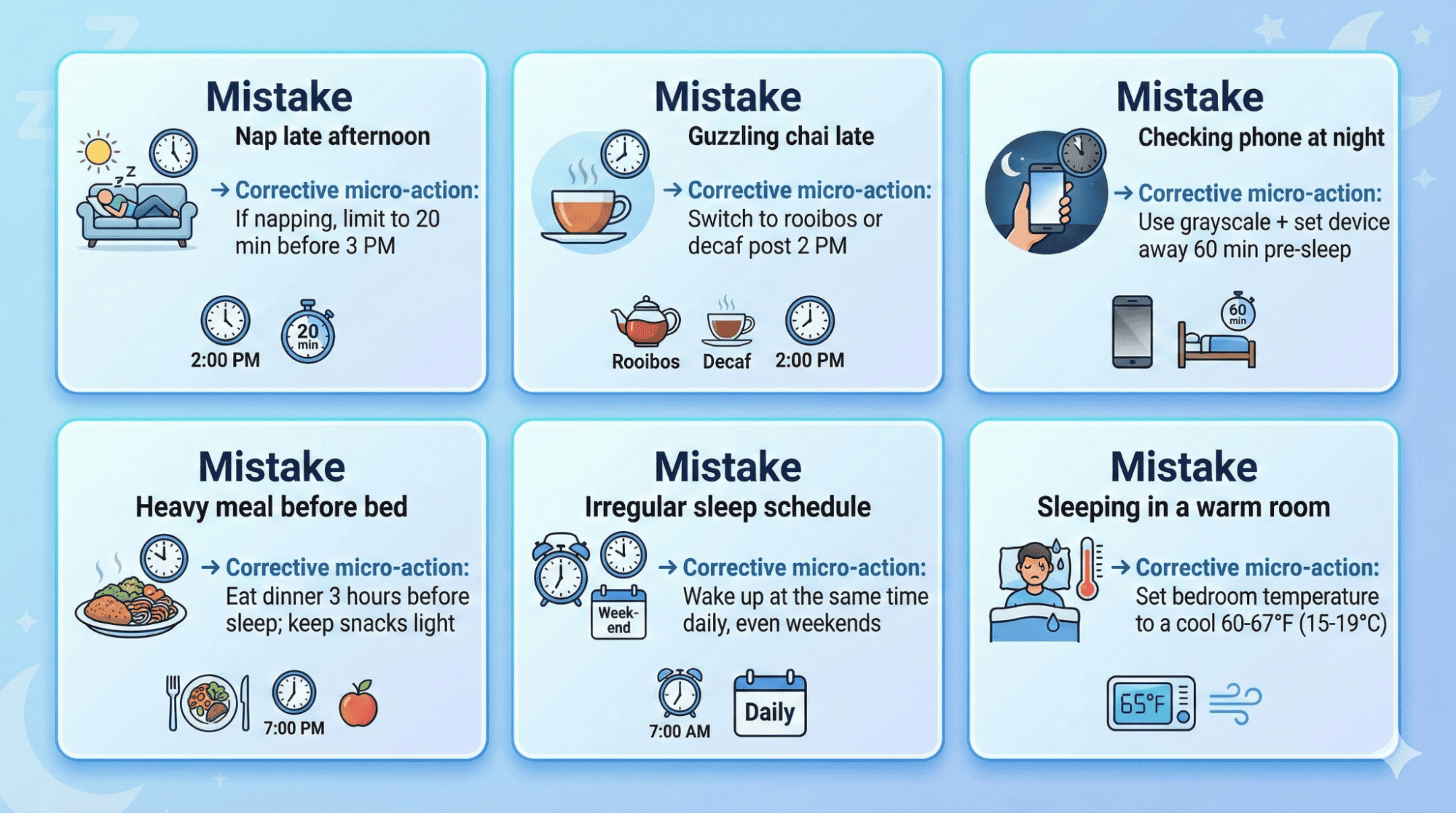
Biggest mistake is excessive caffeine consumption particularly after 2 PM interfering with evening cortisol decline and sleep onset. Additionally, eating large late dinners at 9-10 PM spikes cortisol and insulin preventing quality sleep. Moreover, not including magnesium-rich foods leaves deficiency common among Indians impairing sleep and stress management. Furthermore, alcohol before bed initially sedates but fragments sleep architecture and increases nighttime cortisol. Inadequate protein causes blood sugar instability triggering cortisol spikes and night awakening. Therefore, strategic nutrition timing and composition supports cortisol and sleep optimization.
Lifestyle Pitfalls to Watch Out For
Many sabotage sleep quality through lifestyle choices they don’t connect to sleep issues. Irregular sleep schedules varying more than 1-2 hours daily disrupt circadian rhythm even with adequate total hours. Additionally, screen time before bed suppresses melatonin preventing sleep onset despite feeling tired. Moreover, chronic stress left unmanaged continuously elevates cortisol preventing quality rest. Furthermore, exercising within 3 hours of bed elevates cortisol interfering with sleep. Not establishing sleep routine makes falling asleep difficult requiring longer wind-down. Therefore, comprehensive lifestyle approach supports sleep and weight loss efforts.
How to Course-Correct When Things Go Wrong
If implementing sleep quality improvements for 4-6 weeks without better rest or weight loss, troubleshoot systematically. Verify sleep environment is dark, cool (18-20°C), and quiet eliminating common disruptions. Additionally, track caffeine timing ensuring none after 2 PM interfering with evening hormones. Moreover, check if stress management is adequate through daily practice reducing chronic elevation. Furthermore, assess whether late screens, meals, or exercise are preventing quality sleep. If all factors optimized without improvement, sleep study rules out apnea or other disorders. Therefore, systematic approach identifies whether implementation or medical issues prevent cortisol and sleep optimization.
Frequently Asked Questions
Q1: What is cortisol and sleep and how does it affect Indians?
Cortisol and sleep involves bidirectional relationship where poor sleep quality elevates stress hormones while high cortisol disrupts sleep creating vicious cycle affecting metabolism and weight. Indians particularly struggle given high-stress urban lifestyles, 5-6 hour average sleep duration, and genetic predisposition storing abdominal fat when cortisol remains chronically elevated affecting metabolic health.
Q2: What are the main signs of cortisol issues?
Signs include constant fatigue despite adequate sleep hours, stubborn belly fat resistant to diet and exercise, difficulty falling or staying asleep, frequent afternoon energy crashes requiring caffeine, weakened immunity with frequent infections, and difficulty losing weight despite calorie deficit. Multiple symptoms together indicate sleep deprivation and cortisol dysregulation requiring comprehensive lifestyle optimization.
Q3: What foods should Indians eat for better cortisol and sleep?
Eat magnesium-rich foods including almonds, cashews, pumpkin seeds, and dark leafy greens reducing cortisol and improving sleep quality, tryptophan sources like warm milk and bananas supporting melatonin production, complex carbs stabilizing blood sugar preventing nighttime cortisol spikes, and chamomile or tulsi tea before bed promoting relaxation. Limit caffeine after 2 PM and dinner by 7-8 PM supporting circadian rhythm.
Q4: Can cortisol be managed naturally?
Yes, through 7-8 hours consistent quality sleep supporting hormonal regulation, daily stress management like meditation or yoga reducing cortisol by 20-30%, strategic meal timing with dinner by 7-8 PM, morning sunlight exposure supporting healthy circadian rhythm, and limiting caffeine after afternoon. Natural approaches restore stress hormones balance within 4-8 weeks of consistent implementation.
Q5: How long does it take to see results with cortisol and sleep changes?
Initial sleep quality improvements appear within 1-2 weeks of implementing proper sleep hygiene. Significant cortisol reduction occurs within 4-6 weeks of consistent stress management and sleep optimization. Weight loss and metabolic improvements become noticeable at 8-12 weeks as hormonal balance supports fat burning. Sleep and weight loss optimization requires sustained lifestyle changes for lasting transformation.
Conclusion
Cortisol and sleep connection reveals that poor sleep quality sabotages weight loss through hormonal disruption elevating stress hormones by 30-50%, increasing hunger by 300-500 calories daily, and promoting abdominal fat storage despite perfect diet. For Indians averaging 5-6 hours nightly with high-stress lifestyles, optimizing sleep quality through consistent 7-8 hours, stress management, and strategic meal timing creates breakthrough results when diet and exercise alone fail. Understanding circadian rhythm alignment and evening cortisol decline importance guides lifestyle adjustments. Managing cortisol isn’t about perfection it’s about consistent sleep schedule, stress management practice, and strategic nutrition timing.
Start this week by establishing a consistent sleep-wake time, even at weekends, supporting circadian rhythm. Additionally, limit caffeine after 2 PM and eat dinner by 7-8 PM, allowing hormonal optimisation for sleep. Practice 10-minute meditation or deep breathing before bed, reducing cortisol naturally.
Related Posts