You’re exercising regularly, counting calories perfectly, sleeping well, yet stubborn belly fat refuses to budge despite all your dedicated efforts consistently. The hidden culprit might be inflammation and weight gain connection that creates a vicious cycle, keeping you trapped in fat storage mode. Most Indian dieters focus solely on calories while ignoring chronic inflammation, silently sabotaging their metabolism and fat burning capacity throughout the day. This guide reveals how inflammation drives weight gain and which powerful anti-inflammatory foods already sitting in your Indian kitchen can break the cycle.
What Is Inflammation And Weight Gain and Why Indian Dieters Should Care?
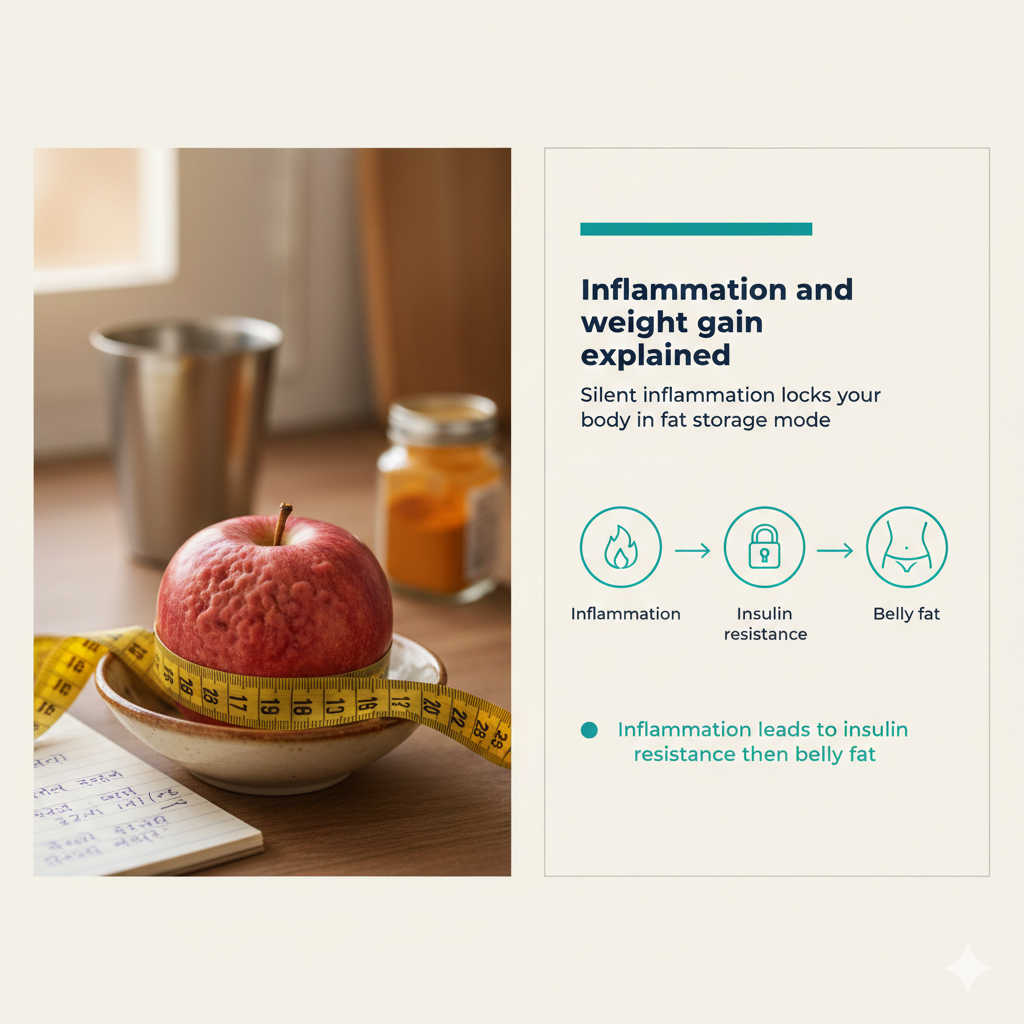
Inflammation is your immune system’s natural response to threats, sending white blood cells and chemicals to fight infections and heal injuries effectively. Chronic inflammation happens when this response never turns off, continuously attacking your own healthy tissues and disrupting normal metabolic function throughout. This persistent inflammation triggers insulin resistance, increases fat storage especially around your belly, and makes losing weight nearly impossible despite calorie deficits. Think of chronic inflammation as a fire alarm stuck in the on position, exhausting your body while preventing it from burning fat normally.
Why Inflammation Matters for Indian Bodies
Indian genetics combined with modern diets high in refined carbs and vegetable oils create perfect conditions for chronic inflammation affecting metabolism negatively. Our traditional anti-inflammatory spices like turmeric, ginger, and cinnamon got replaced by processed foods lacking these protective compounds in modern eating. Moreover, Indians have higher rates of visceral fat accumulation around organs, which itself produces inflammatory chemicals creating self-perpetuating cycles of inflammation. Research shows that inflammation-driven insulin resistance affects Indians at lower BMI levels compared to Western populations, making this issue critical for us.
Common Myths Debunked About This Topic
Many people believe inflammation only causes obvious symptoms like joint pain, when silent inflammation actually affects metabolism without noticeable physical discomfort. Another dangerous myth suggests anti-inflammatory supplements work better than food, but whole foods provide multiple compounds working together more effectively. Additionally, people think eliminating one inflammatory food solves everything, when the overall dietary pattern matters more than single food items. Furthermore, the myth that inflammation only affects older people ignores research showing young Indians develop chronic inflammation from poor diet early.
The Science Behind Inflammation And Weight Gain for Indians
How Inflammation Works in Your Body
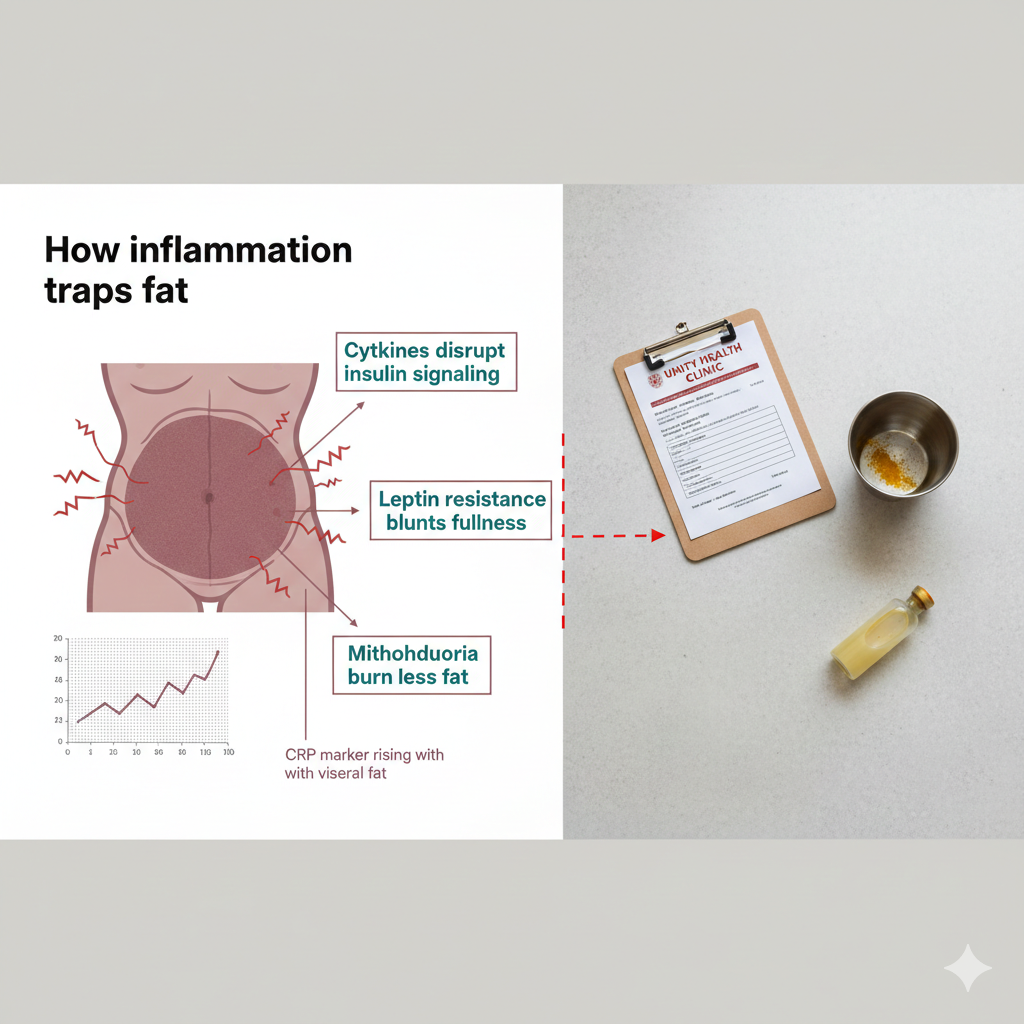
Inflammatory cytokines released by fat cells and immune system interfere with insulin signaling, causing your body to store rather than burn fat. This inflammation activates genes that promote fat cell growth and prevent existing fat cells from releasing stored energy despite calorie restriction. Chronic inflammation also disrupts leptin, the fullness hormone, creating leptin resistance where your brain can’t detect that you’re actually full. Moreover, inflammation damages mitochondria in cells where fat burning happens, literally reducing your body’s ability to convert fat into energy efficiently.
The Connection Between Chronic Inflammation and Health
Chronic inflammation drives weight gain by creating insulin resistance that forces your body to store excess glucose as belly fat continuously. Studies show that people with higher inflammation markers lose significantly less weight during dieting compared to those with lower inflammation levels. Additionally, inflammation increases stress hormones like cortisol that signal your body to hold onto fat stores as protection against perceived threats. Research also confirms that chronic inflammation raises risk of diabetes, heart disease, and autoimmune conditions beyond just preventing weight loss efforts.
What Research Shows for Indian Population
Research from Indian medical institutes found that seventy percent of overweight Indians show elevated inflammation markers compared to normal-weight individuals consistently. This chronic inflammation correlates directly with rising diabetes rates because inflammation and insulin resistance create each other in self-reinforcing negative cycles. Indian studies reveal that incorporating traditional anti-inflammatory spices reduced inflammation markers by forty percent within three months of regular daily consumption. Furthermore, data shows that Indians eating westernized diets have significantly higher inflammation than those maintaining traditional eating patterns with anti-inflammatory foods.
Anti-Inflammatory Diet: What to Watch For
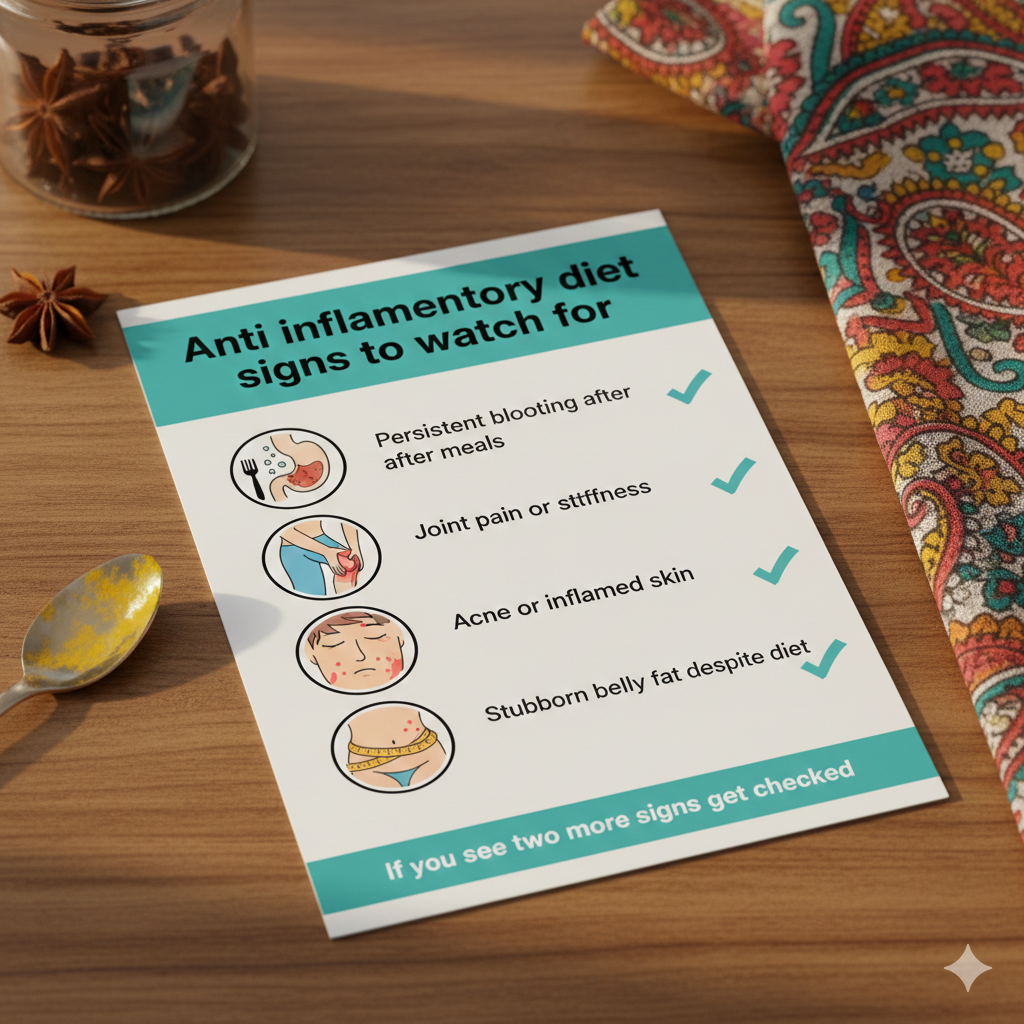
Physical Signs and Symptoms to Monitor
Persistent bloating and digestive discomfort after meals signal inflammation in your gut that’s affecting nutrient absorption and overall metabolic function negatively. Joint pain, muscle aches, and general stiffness without injury indicate systemic inflammation affecting tissues throughout your entire body continuously over time. Skin issues including acne, eczema, and rashes suggest inflammatory processes affecting your body’s largest organ from internal causes rather than external. Watch for stubborn belly fat that won’t respond to diet and exercise, as visceral fat both causes and results from inflammation.
Emotional and Mental Health Indicators
Brain fog and poor concentration happen because inflammatory cytokines cross into your brain, disrupting neurotransmitter function and cognitive performance significantly throughout days. Depression and anxiety worsen with chronic inflammation because inflammatory chemicals directly affect brain areas controlling mood and emotional regulation constantly over weeks. Poor sleep quality despite being tired indicates inflammation is disrupting normal circadian rhythms and preventing restorative deep sleep phases from occurring. Additionally, feeling constantly tired despite adequate rest suggests inflammation is draining energy by diverting resources to continuous immune system activation unnecessarily.
When to Consult a Healthcare Professional
Schedule testing for inflammation markers including C-reactive protein if you have multiple symptoms suggesting chronic inflammation affecting your health significantly. Seek medical guidance if you have diagnosed autoimmune conditions like rheumatoid arthritis or inflammatory bowel disease requiring professional management alongside diet. Consult healthcare professionals if you experience severe joint pain, unexplained fever, or rapid unexplained weight changes indicating serious inflammatory conditions needing treatment. Moreover, get professional help if dietary changes don’t improve symptoms after three months, as underlying medical issues might require medication.
Indian Lifestyle Factors Affecting Inflammation And Weight Gain
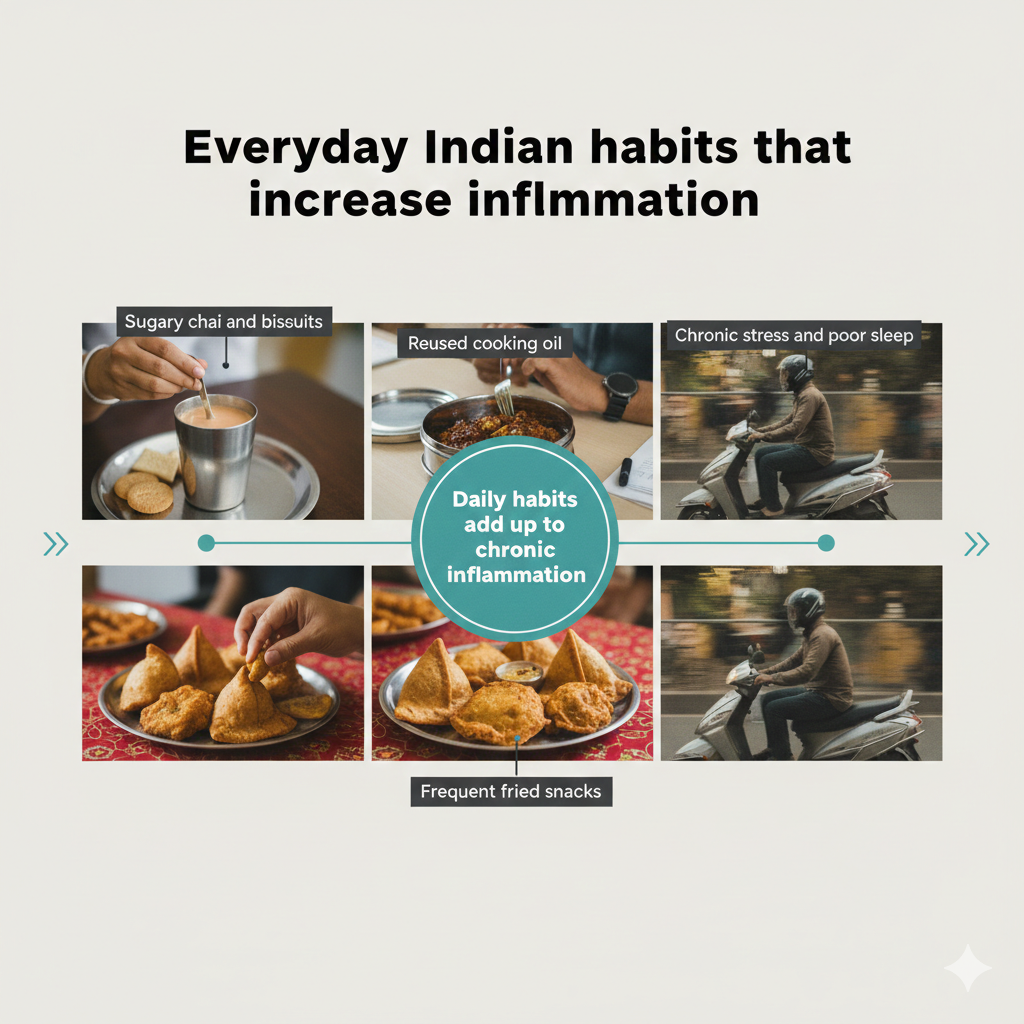
Modern Indian Diet Challenges and Solutions
Excessive consumption of refined vegetable oils high in omega-6 fatty acids drives inflammation when not balanced with omega-3 fatty acids from fish. Deep-fried foods like samosas, pakoras, and chips consumed regularly create oxidative stress that triggers inflammatory responses throughout your entire body consistently. Sugar and refined carbs in sweets, sodas, and packaged foods spike blood sugar and insulin, creating inflammatory conditions that prevent fat loss. Returning to traditional cooking methods using moderate amounts of ghee, coconut oil, and anti-inflammatory spices reduces inflammation significantly within weeks.
Work-Life Balance and Urban Living Impact
Chronic work stress elevates cortisol continuously, which increases inflammation markers and promotes fat storage around your belly area stubbornly resisting loss. Lack of sleep below seven hours nightly disrupts immune function and increases inflammatory cytokine production throughout the next day following poor rest. Sitting for long hours reduces circulation and increases inflammation in tissues, particularly affecting metabolic health negatively over months and years consistently. Building regular movement breaks, managing stress through meditation, and prioritizing sleep reduces inflammation as much as dietary changes do effectively.
Cultural and Social Influences on Health
Social gatherings centered around fried foods and sweets create frequent exposure to inflammatory foods that accumulate damage over time despite moderation. Family cooking traditions using excessive oil for taste inadvertently create inflammatory meals despite using otherwise healthy ingredients like vegetables and grains. Pressure to finish everything on your plate leads to overeating that causes post-meal inflammation from overwhelming your digestive system with food. Learning to prepare traditional dishes using less oil and more anti-inflammatory spices preserves flavor while reducing inflammatory impact on your body.
Best Indian Foods for Inflammation And Weight Gain Management
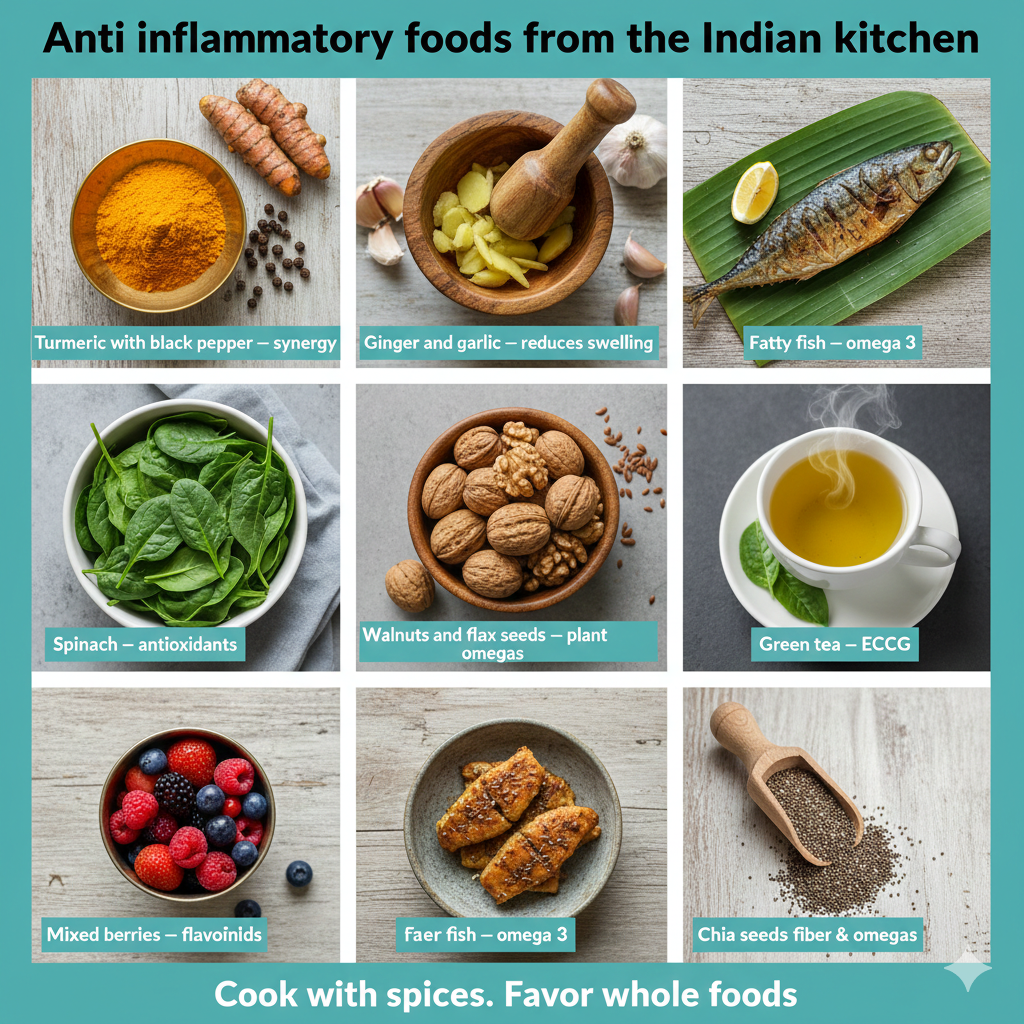
Traditional Indian Foods That Support Inflammatory Foods
Turmeric contains curcumin, a powerful anti-inflammatory compound that reduces inflammation markers comparable to some pharmaceutical drugs when consumed with black pepper. Ginger has gingerol compounds that suppress inflammatory pathways and reduce oxidative stress affecting metabolic function throughout your entire body significantly over time. Garlic provides allicin that fights inflammation and supports immune function, making it powerful addition to daily cooking for health benefits. Furthermore, traditional spices like cinnamon, cardamom, and fenugreek all contain compounds that reduce inflammation while improving insulin sensitivity and blood sugar control.
Modern Indian Meal Options and Healthy Recipes
Golden milk made with turmeric, black pepper, ginger, and warm milk provides concentrated anti-inflammatory compounds in one soothing evening drink. Vegetable curry cooked with tomatoes, onions, garlic, ginger, and turmeric delivers multiple anti-inflammatory ingredients in traditional comfort food format daily. Fatty fish like salmon or mackerel prepared with Indian spices provides omega-3 fatty acids that powerfully counter inflammation from omega-6 oils consumed. Moreover, mixed berry smoothie with yogurt, spinach, and flax seeds combines antioxidants and anti-inflammatory fats in convenient portable meal option.
Foods to Limit or Avoid for Better Results
Refined vegetable oils including soybean, corn, and sunflower oils high in omega-6 fatty acids drive inflammation when used excessively in cooking. Fried foods cooked in reused oils contain oxidized fats that trigger severe inflammatory responses damaging cells throughout your entire body constantly. Sugar and high-fructose corn syrup in packaged foods, sodas, and sweets spike insulin and create inflammatory conditions preventing fat burning completely. Trans fats in bakery items, packaged snacks, and some margarines cause severe inflammation and should be completely eliminated from diet.
Portion Sizes and Meal Timing for Indians
Include one teaspoon turmeric in daily cooking, preferably with black pepper and healthy fat to enhance absorption of beneficial curcumin compounds. Add ginger and garlic to at least one meal daily, either fresh or dried, to get consistent anti-inflammatory benefits accumulating. Consume two servings of colorful vegetables daily providing different antioxidants that work together reducing inflammation through multiple pathways simultaneously throughout. Space meals four to five hours apart to prevent constant insulin spikes that create inflammatory conditions from grazing throughout the entire day.
Lifestyle Changes to Support Inflammation And Weight Gain
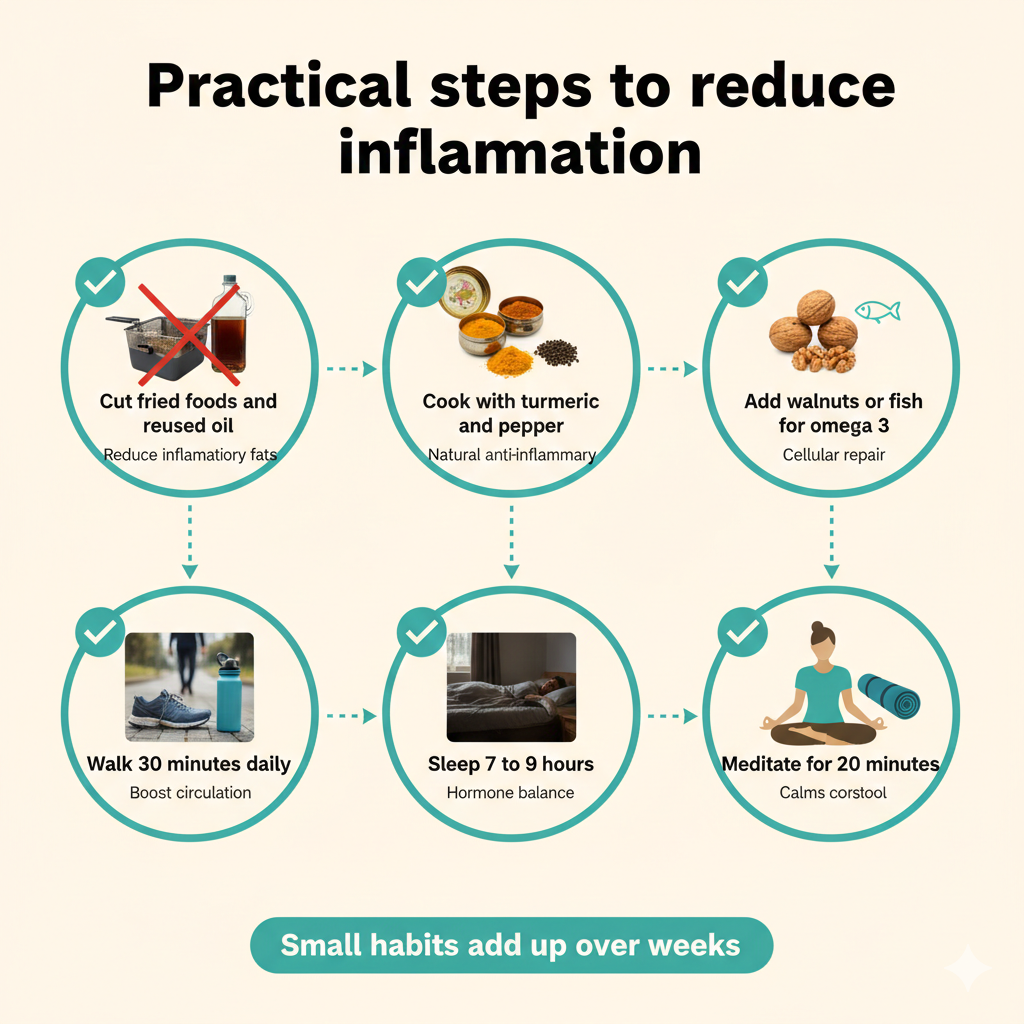
Turmeric Benefits: The Right Approach for Indians
Use turmeric daily in cooking rather than relying only on supplements, as whole food provides additional beneficial compounds working synergistically together. Combine turmeric with black pepper containing piperine that increases curcumin absorption by two thousand percent for maximum anti-inflammatory effects naturally. Add healthy fat like ghee or coconut oil when cooking with turmeric because curcumin is fat-soluble requiring fat for absorption. Consider golden milk before bed combining turmeric, black pepper, ginger, and warm milk for concentrated anti-inflammatory dose supporting overnight recovery.
Sleep and Stress Management Strategies
Sleep seven to nine hours nightly because deep sleep reduces inflammatory cytokines while promoting release of anti-inflammatory compounds naturally throughout rest. Practice meditation or yoga for twenty minutes daily, as these activities directly lower stress hormones and reduce inflammation markers measurably. Spend time in nature regularly because exposure to natural environments reduces cortisol and inflammation while improving overall wellbeing significantly over time. Create boundaries around work and social media that prevent chronic stress from continuously elevating inflammation despite perfect diet adherence always.
Daily Habits That Make a Real Difference
Drink green tea daily because it contains EGCG, a powerful anti-inflammatory compound that also boosts metabolism and supports fat burning effectively. Increase omega-3 intake through walnuts, flax seeds, or fish oil supplements to balance omega-6 inflammatory fats consumed in diet. Walk for thirty minutes daily because regular moderate exercise reduces inflammation while excessive intense exercise can actually increase it without recovery. Stay hydrated with eight to ten glasses of water daily because dehydration increases inflammatory markers throughout your body significantly.
Your 7-Day Inflammation And Weight Gain Management Meal Plan
Breakfast Options (Vegetarian & Non-Vegetarian)
Start your day with oatmeal cooked with turmeric, cinnamon, walnuts, and berries providing multiple anti-inflammatory compounds in one satisfying meal. Alternatively, try scrambled eggs with spinach, tomatoes, and turmeric toast delivering protein plus anti-inflammatory vegetables and spices for morning energy. Overnight chia pudding made with almond milk, flax seeds, and mixed berries offers convenient meal prep loaded with omega-3 fats. Moreover, moong dal cheela with ginger, garlic, and vegetables provides traditional breakfast adapted with extra anti-inflammatory ingredients added thoughtfully.
Lunch Ideas for Working Professionals
Pack brown rice with fatty fish curry made using tomatoes, ginger, garlic, and turmeric providing omega-3s plus traditional anti-inflammatory spices. Whole wheat roti with mixed vegetable sabzi cooked in minimal olive oil, dal, and cucumber raita delivers balanced anti-inflammatory meal. Quinoa bowl with roasted vegetables, chickpeas, and tahini-turmeric dressing offers modern option combining protein with anti-inflammatory fats and spices. Furthermore, large salad with grilled chicken, walnuts, olive oil, and lemon dressing gives you anti-inflammatory meal focused on whole foods.
Evening Snacks and Optimal Timing
Choose anti-inflammatory snacks between four and five PM like apple slices with almond butter providing antioxidants and healthy fats together. Mixed nuts including walnuts, almonds, and pumpkin seeds offer omega-3 fats and minerals that counter inflammation from earlier meals effectively. Green tea with dark chocolate squares provides polyphenols and antioxidants satisfying sweet cravings while reducing inflammation markers naturally over time. Additionally, vegetable sticks with hummus made using extra garlic and turmeric gives you fiber plus concentrated anti-inflammatory compounds in snack.
Dinner Composition for Better Results
Keep dinner light with vegetable soup made using bone broth, turmeric, ginger, and garlic providing concentrated anti-inflammatory ingredients for overnight recovery. Grilled fish or paneer with roasted vegetables seasoned with olive oil and anti-inflammatory spices delivers protein without inflammatory cooking methods. Vegetable khichdi made with brown rice, moong dal, ghee, and traditional spices offers comfort food supporting gut health and inflammation. Alternatively, stir-fried vegetables with tofu over cauliflower rice provides very low-carb option reducing insulin-driven inflammation at night before sleep.
Common Mistakes Indians Make with Inflammation And Weight Gain
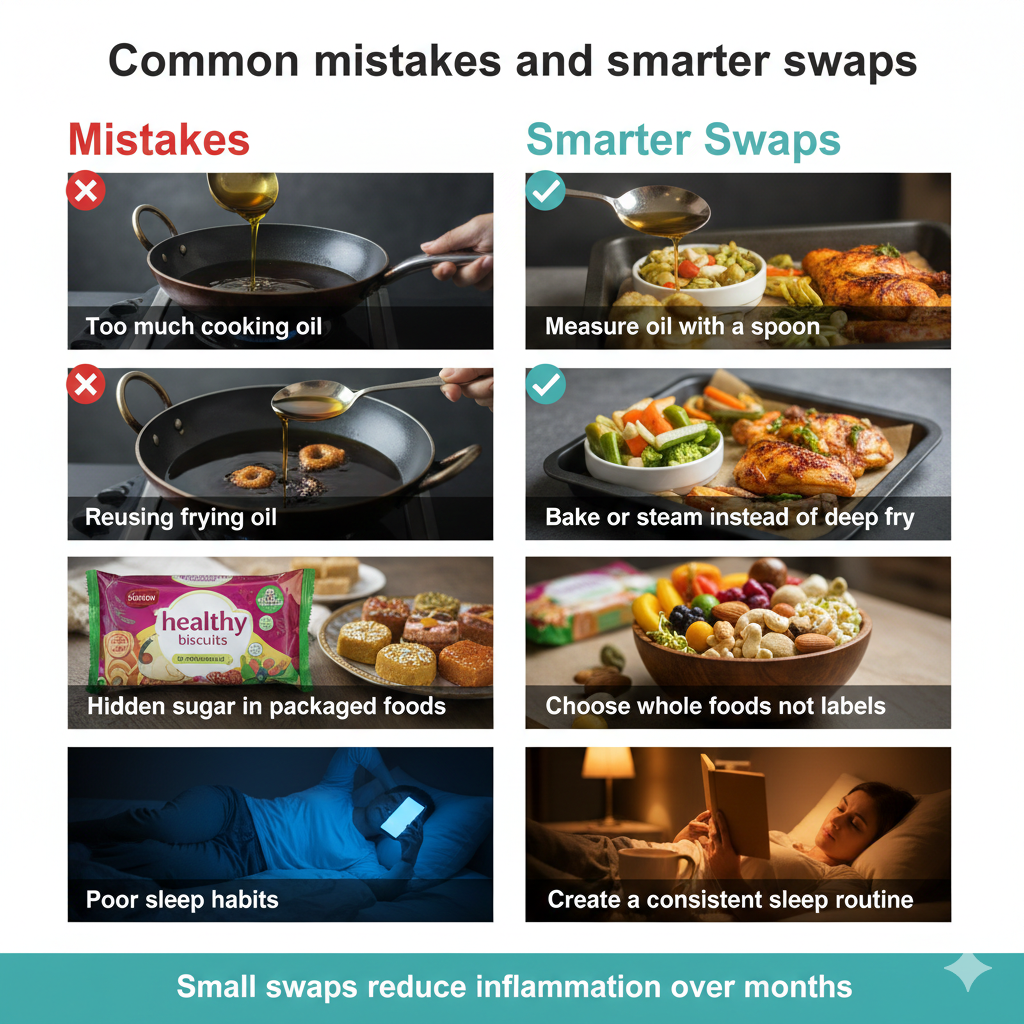
Diet Mistakes That Sabotage Progress
Using excessive amounts of vegetable oils high in omega-6 fatty acids creates inflammatory imbalance despite cooking otherwise healthy vegetables and grains. Reusing cooking oil multiple times creates oxidized fats that are severely inflammatory, negating any benefits from healthy ingredients being cooked. Consuming packaged foods labeled “healthy” without checking ingredients often means eating hidden inflammatory oils, sugars, and additives regularly throughout weeks. Focusing only on calories while ignoring food quality means you might be in deficit yet still inflamed and unable to lose fat.
Lifestyle Pitfalls to Watch Out For
Doing intense exercise daily without adequate recovery increases rather than decreases inflammation, particularly when combined with calorie restriction creating stress. Chronic sleep deprivation below seven hours nightly continuously elevates inflammatory cytokines regardless of how perfectly you eat throughout the entire day. Allowing chronic work stress to remain unmanaged keeps cortisol and inflammation elevated, preventing weight loss despite following anti-inflammatory diet perfectly consistently. Comparing yourself to others on social media creates unnecessary stress that elevates inflammation markers despite having otherwise healthy lifestyle habits.
How to Course-Correct When Things Go Wrong
Get inflammation markers tested including C-reactive protein to objectively measure whether dietary changes are working as intended over several months. Eliminate one category of inflammatory foods completely for three weeks, such as fried foods or sugar, to identify specific triggers. Add anti-inflammatory supplements like omega-3 fish oil or curcumin after consulting healthcare provider if diet alone isn’t reducing inflammation. Work with nutritionist specializing in anti-inflammatory diets if struggling to implement changes or not seeing symptom improvements after consistent effort.
Frequently Asked Questions
Q1: What is inflammation and weight gain and how does it affect Indians?
Inflammation and weight gain refer to how chronic inflammation creates insulin resistance, disrupts fat-burning hormones, and signals your body to store rather than release fat. Seventy percent of overweight Indians show elevated inflammation markers, directly contributing to stubborn weight gain and difficulty losing fat despite calorie restriction.
Q2: What are the main signs of inflammation issues?
Common inflammation symptoms include persistent bloating, joint pain, skin issues like acne, stubborn belly fat, brain fog, and constant fatigue despite rest. Many people also experience depression, poor sleep quality, digestive discomfort after meals, and unexplained weight gain that doesn’t respond to traditional dieting.
Q3: What foods should Indians eat for better inflammation and weight gain?
Focus on turmeric, ginger, garlic, cinnamon, and other traditional spices, along with colorful vegetables, fatty fish, walnuts, flax seeds, and berries. Use olive oil or ghee in moderate amounts rather than refined vegetable oils, and include fermented foods supporting gut health naturally.
Q4: Can inflammation be managed naturally?
Yes, incorporating anti-inflammatory foods daily, reducing refined oils and sugar, managing stress through meditation, getting adequate sleep, and moderate exercise naturally reduces inflammation. Traditional Indian spices combined with whole foods provide powerful anti-inflammatory benefits without requiring supplements for most people.
Q5: How long does it take to see results with inflammation and weight gain changes?
You might notice reduced bloating, better energy, and improved digestion within one to two weeks of starting anti-inflammatory diet consistently maintained. Significant inflammation marker reductions and visible weight loss typically appear after six to twelve weeks as chronic inflammation resolves and metabolism normalizes completely.
Conclusion
Inflammation and weight gain create a vicious cycle where excess fat produces inflammatory chemicals that then prevent your body from releasing that stored fat. Research confirms that seventy percent of overweight Indians show elevated inflammation markers, making this a critical factor in our obesity epidemic beyond calories alone. The solution lies in traditional anti-inflammatory foods like turmeric, ginger, and garlic already present in Indian cuisine, combined with reducing inflammatory oils and refined carbs.
Start by adding one teaspoon of turmeric to your daily cooking today, preferably combined with black pepper and healthy fat for absorption enhancement. Replace refined vegetable oils with moderate amounts of ghee, coconut oil, or olive oil for cooking throughout the next seven days consistently. Eliminate one category of inflammatory foods, such as fried snacks or sugary beverages, this week, observing how your energy and bloating improve.
Related Posts