You’re following every diet rule perfectly, exercising consistently, sleeping well, yet weight keeps creeping up without any logical explanation for it. The culprit might be thyroid and weight loss connection that affects one in ten Indians, silently sabotaging metabolism despite perfect lifestyle habits. Most people blame willpower when their thyroid is actually controlling metabolism, energy, and fat storage without their knowledge or awareness. This guide reveals which foods support thyroid function and which ones secretly damage it, giving you control over your metabolism finally.
What Is Thyroid And Weight Loss and Why Indian Dieters Should Care?
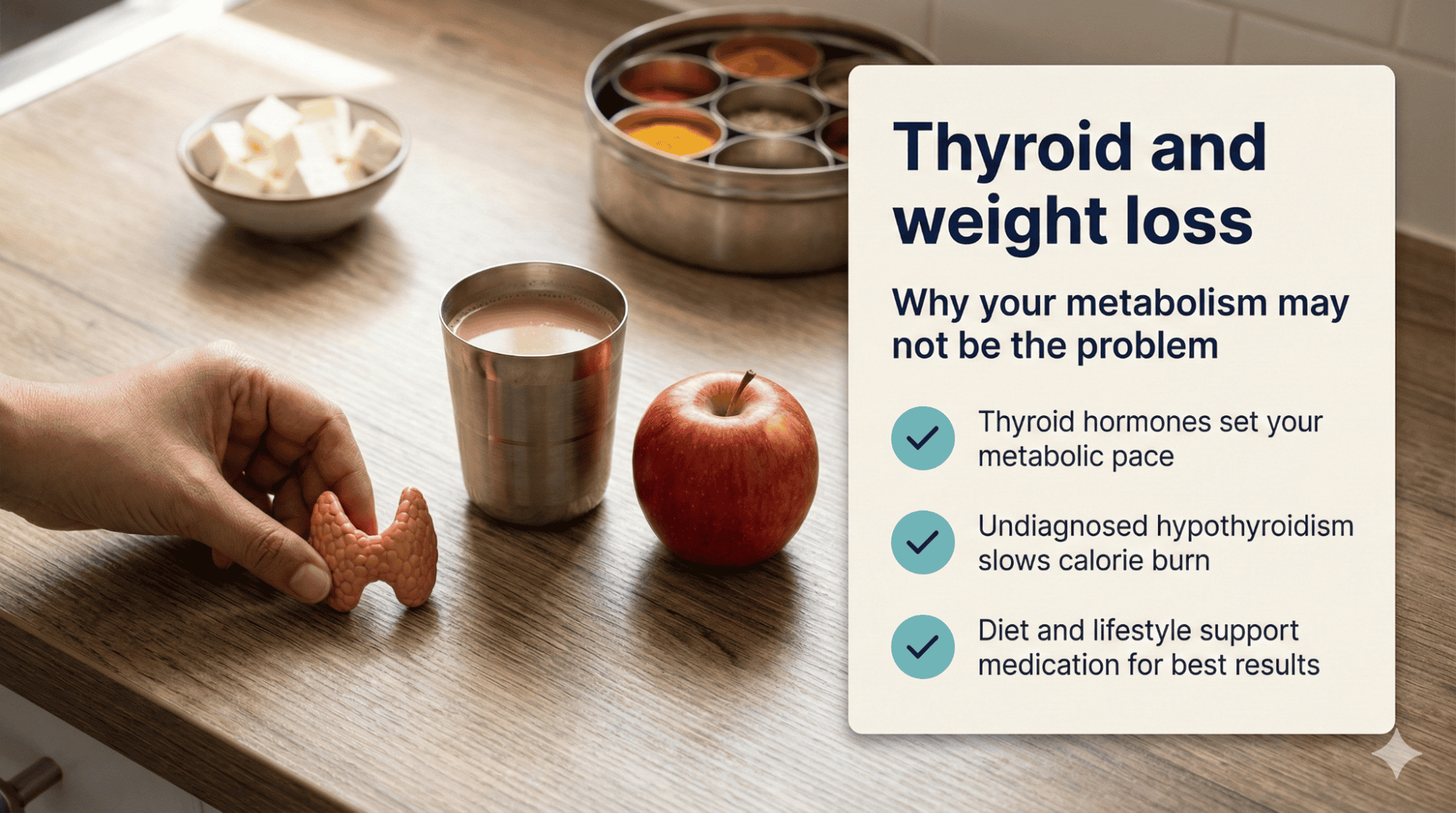
Your thyroid is a butterfly-shaped gland in your neck that produces hormones controlling metabolism, energy production, and body temperature regulation throughout. Thyroid and weight loss connect directly because these hormones determine how fast your body burns calories and whether it stores or releases fat. When your thyroid underperforms, called hypothyroidism, everything slows down including digestion, fat burning, and even your heartbeat significantly over time. Think of thyroid as your body’s thermostat because it sets the pace for every metabolic process happening inside you constantly.
Why Thyroid Matters for Indian Bodies
Indian genetics combined with iodine-deficient soils make thyroid disorders more common here than in many Western countries with different geography. Our traditional vegetarian diets often lack adequate iodine and selenium, which are essential minerals for thyroid hormone production and function. Moreover, Indians face increasing stress and environmental toxins that disrupt thyroid function, creating an epidemic of undiagnosed hypothyroidism affecting weight loss. Research shows that women are eight times more likely than men to develop thyroid problems, making this crucial for Indian women especially.
Common Myths Debunked About This Topic
Many people believe thyroid problems only affect older people, when increasing numbers of young Indians now develop hypothyroidism due to lifestyle factors. Another dangerous myth suggests iodized salt alone provides enough iodine, but processing and cooking reduce iodine content significantly below requirements daily. Additionally, people think thyroid medication alone solves everything, but diet and lifestyle changes dramatically impact how well medication works for you. Furthermore, the myth that all goitrogens must be completely avoided ignores the fact that cooking reduces their thyroid-blocking effects substantially.
The Science Behind Thyroid And Weight Loss for Indians
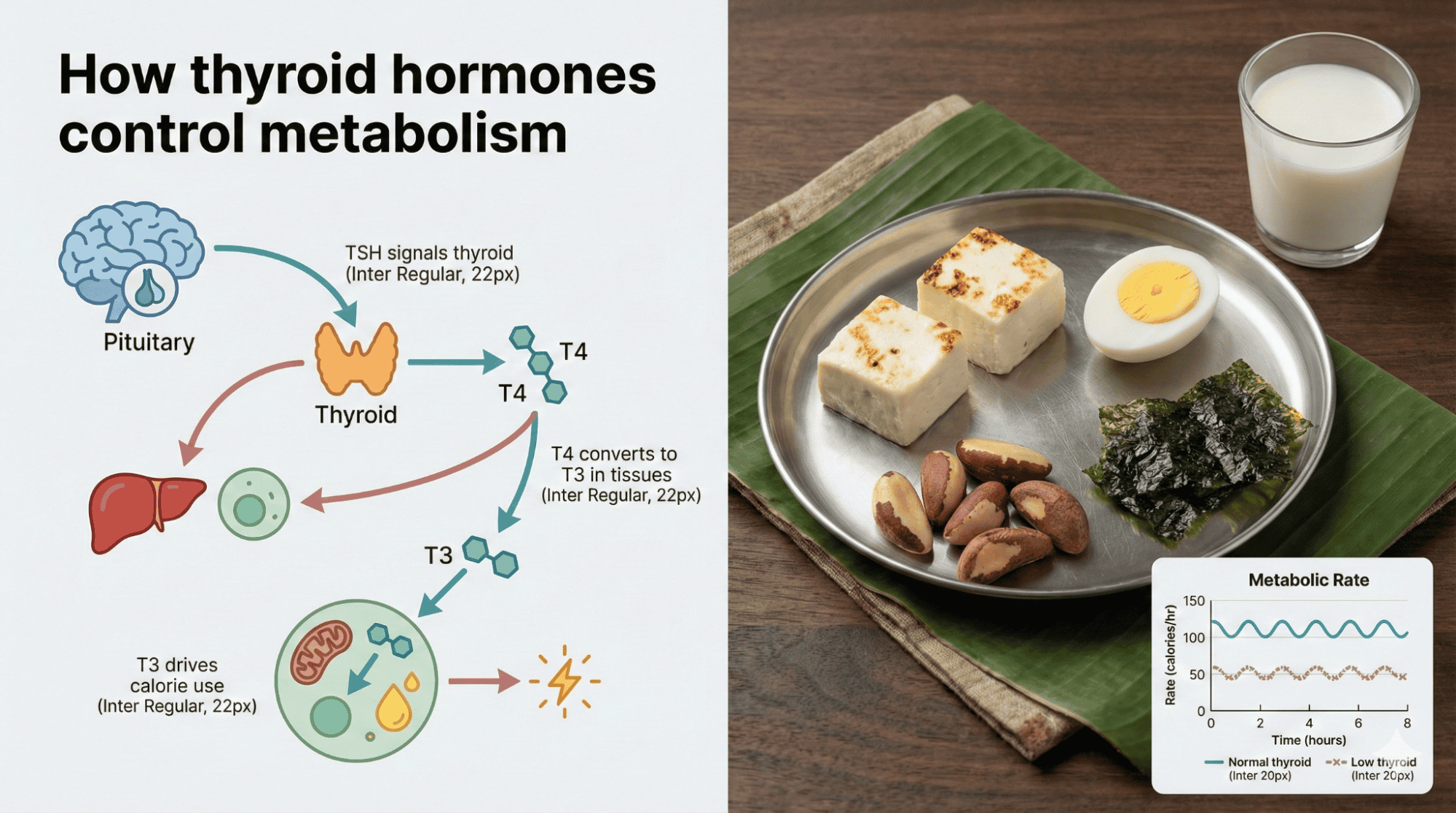
How Thyroid Works in Your Body
Your thyroid produces T4 and T3 hormones that travel through blood to every cell, controlling how fast cells convert food into energy. The pituitary gland monitors thyroid hormone levels and releases TSH to signal your thyroid to produce more or less as needed. When thyroid function drops, your metabolism slows by twenty to forty percent, making weight gain inevitable despite eating the same calories. Moreover, low thyroid hormones increase cholesterol, slow digestion causing constipation, and reduce body temperature making you feel cold constantly despite warm weather.
The Connection Between Hypothyroidism Diet and Health
Hypothyroidism diet matters because specific nutrients like iodine, selenium, zinc, and iron are required for thyroid hormone production and conversion effectively. Studies show that people with undiagnosed hypothyroidism struggle to lose weight because their slowed metabolism burns five hundred fewer calories daily automatically. Additionally, low thyroid function increases inflammation throughout the body, making every health condition worse including diabetes, heart disease, and autoimmune disorders. Research also confirms that thyroid problems worsen insulin resistance and PCOS, creating multiple overlapping issues that compound weight gain over months.
What Research Shows for Indian Population
Research from Indian endocrinology centers found that forty-two million Indians suffer from thyroid disorders, with hypothyroidism being most common nationwide consistently. This thyroid epidemic correlates directly with iodine-deficient soils across most Indian states where local produce provides insufficient iodine through diet alone. Indian studies reveal that vegetarians face higher hypothyroidism risk due to lower iodine and selenium intake compared to people eating seafood regularly. Furthermore, data shows that Indians with subclinical hypothyroidism lose significantly less weight during dieting compared to people with normal thyroid function completely.
Thyroid Foods: What to Watch For
Physical Signs and Symptoms to Monitor
Unexplained weight gain despite eating less and exercising more signals possible thyroid dysfunction slowing your metabolism below normal rates consistently. Extreme fatigue that doesn’t improve with rest, feeling cold when others are comfortable, and losing outer third of eyebrows indicate hypothyroidism. Dry skin, brittle hair that falls out excessively, and constipation despite fiber intake point to thyroid hormones below optimal levels. Watch for puffy face, hoarse voice, muscle weakness, and elevated cholesterol despite healthy diet, which commonly appear with thyroid problems gradually.
Emotional and Mental Health Indicators
Depression and anxiety that don’t respond to usual treatments often stem from low thyroid function affecting brain chemistry and neurotransmitter production. Brain fog, memory problems, and difficulty concentrating happen because your brain needs thyroid hormones for optimal cognitive function throughout the day. Mood swings and irritability worsen with hypothyroidism because thyroid hormones directly regulate emotional stability and stress response systems in brain. Additionally, feeling overwhelmed by normal tasks and lacking motivation indicates your body lacks energy production from adequate thyroid hormone levels.
When to Consult a Healthcare Professional
Schedule thyroid testing immediately if experiencing multiple symptoms like unexplained weight gain, extreme fatigue, cold intolerance, and depression together consistently. Seek endocrinologist consultation when TSH levels are elevated, even if still within normal range, because subclinical hypothyroidism still affects metabolism significantly. Get comprehensive thyroid panel including TSH, Free T3, Free T4, and thyroid antibodies rather than just TSH alone for complete picture. Moreover, consult specialists if thyroid medication hasn’t improved symptoms after three months, as dosage adjustments or medication changes might be needed.
Indian Lifestyle Factors Affecting Thyroid And Weight Loss
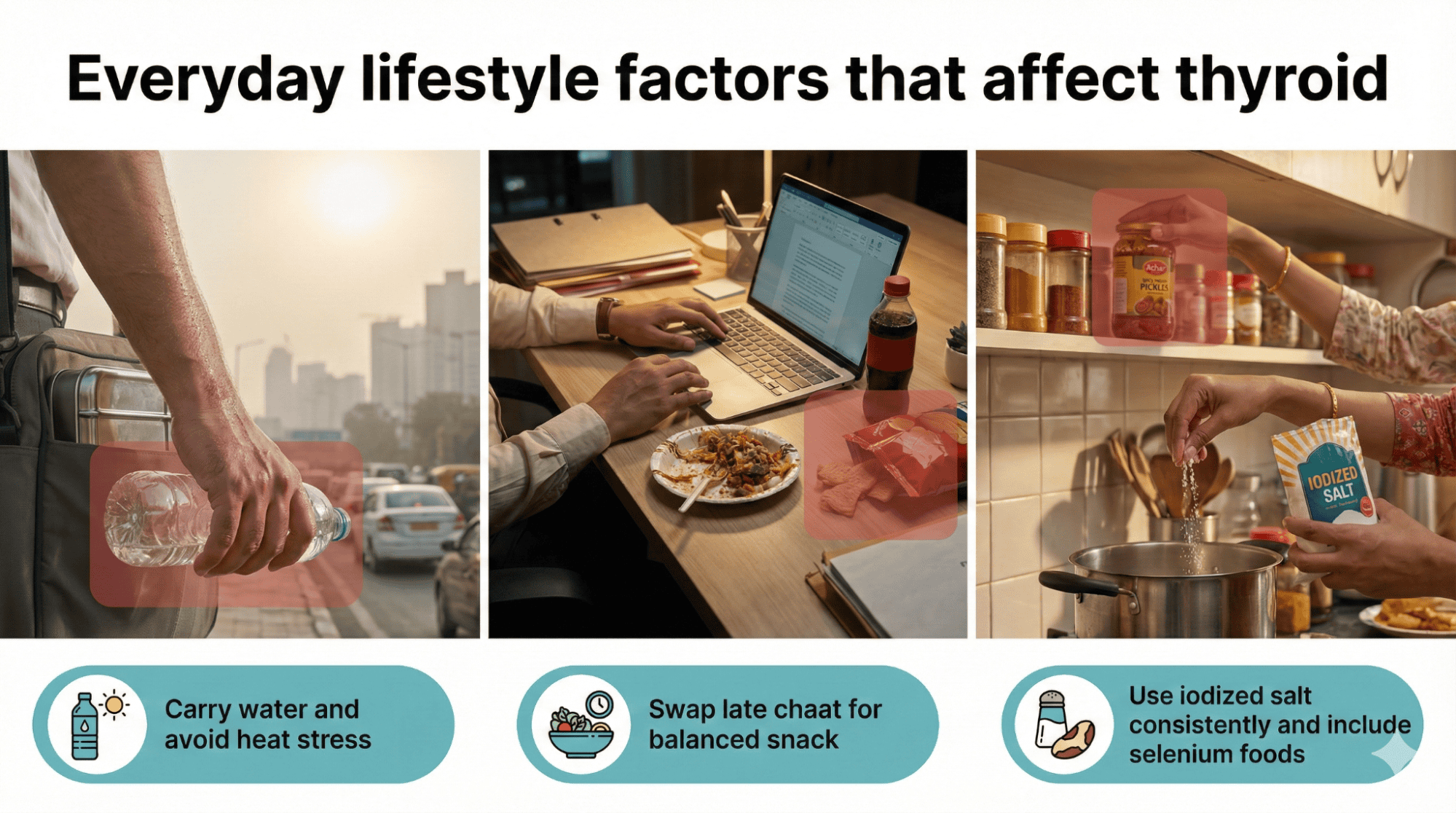
Modern Indian Diet Challenges and Solutions
Refined white rice and wheat flour lack the selenium and zinc needed for converting T4 into active T3 hormone your body uses. Vegetarian diets common in India often miss iodine-rich seafood and may contain excess goitrogens from raw cruciferous vegetables eaten frequently together. Stress eating and irregular meal timing disrupt thyroid function by creating cortisol spikes that interfere with thyroid hormone production and conversion. Switching to whole grains, adding Brazil nuts for selenium, and including iodine-rich foods daily supports thyroid function significantly over weeks.
Work-Life Balance and Urban Living Impact
Chronic stress from long work hours elevates cortisol continuously, which blocks thyroid hormone receptors and prevents T4 to T3 conversion effectively. Lack of sleep disrupts the pituitary gland that controls thyroid function, creating a vicious cycle of poor sleep and worsening metabolism. Environmental toxins in polluted cities including heavy metals and pesticides interfere with thyroid hormone production and receptor function over time considerably. Building stress management practices and prioritizing seven to eight hours of sleep supports thyroid health alongside medication and diet changes completely.
Cultural and Social Influences on Health
Family pressure to have children creates stress that worsens thyroid problems, particularly postpartum thyroiditis affecting women after delivering babies recently. Social stigma around thyroid medication makes some people stop taking it prematurely, allowing metabolism to crash again despite initial improvements. Relying on home remedies while avoiding medical treatment delays diagnosis, allowing thyroid damage to progress and become harder to reverse eventually. Learning to balance cultural wisdom with modern medicine means using both dietary changes and medication when needed for optimal thyroid function.
Best Indian Foods for Thyroid And Weight Loss Management
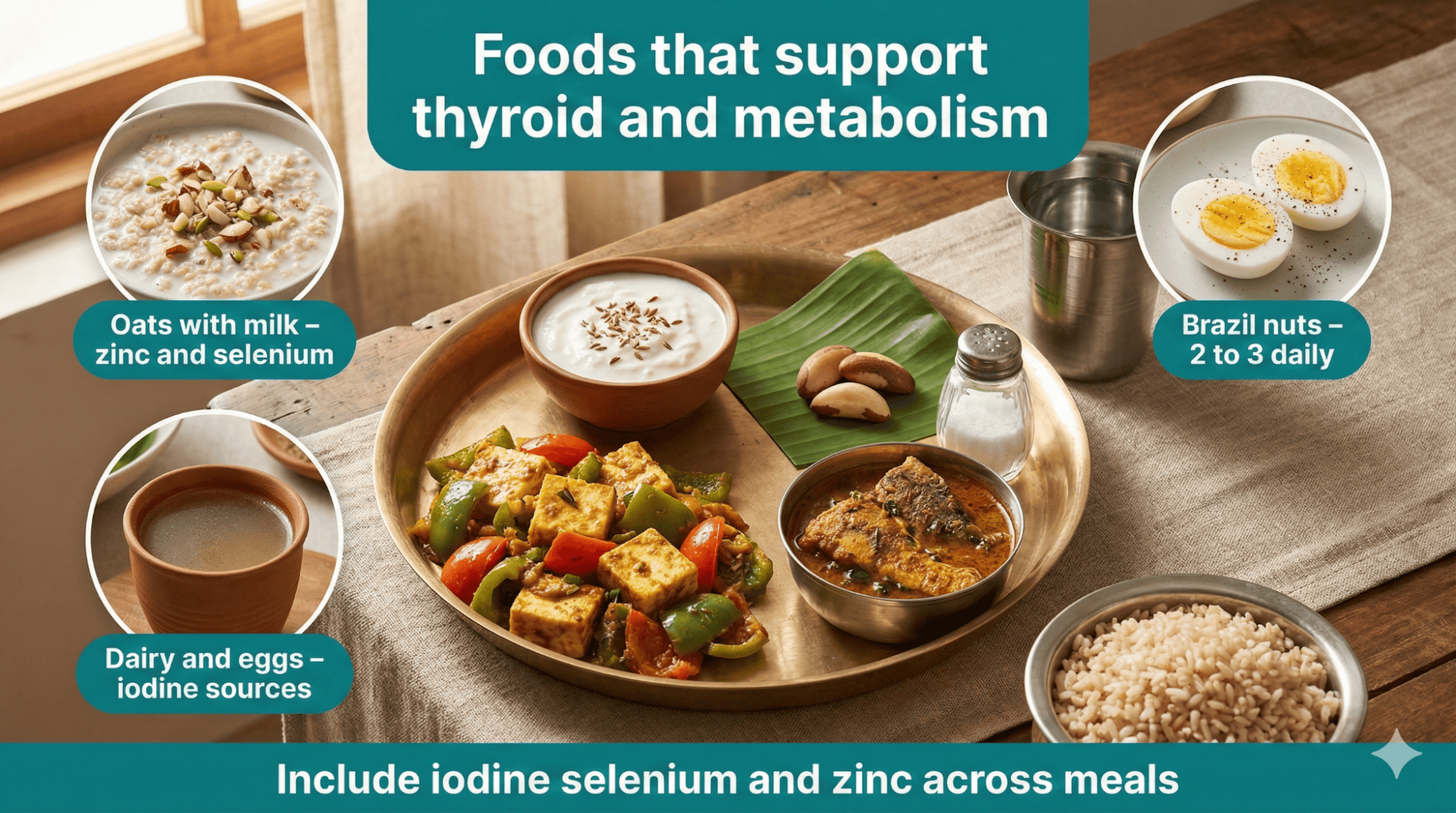
Traditional Indian Foods That Support Iodine Foods
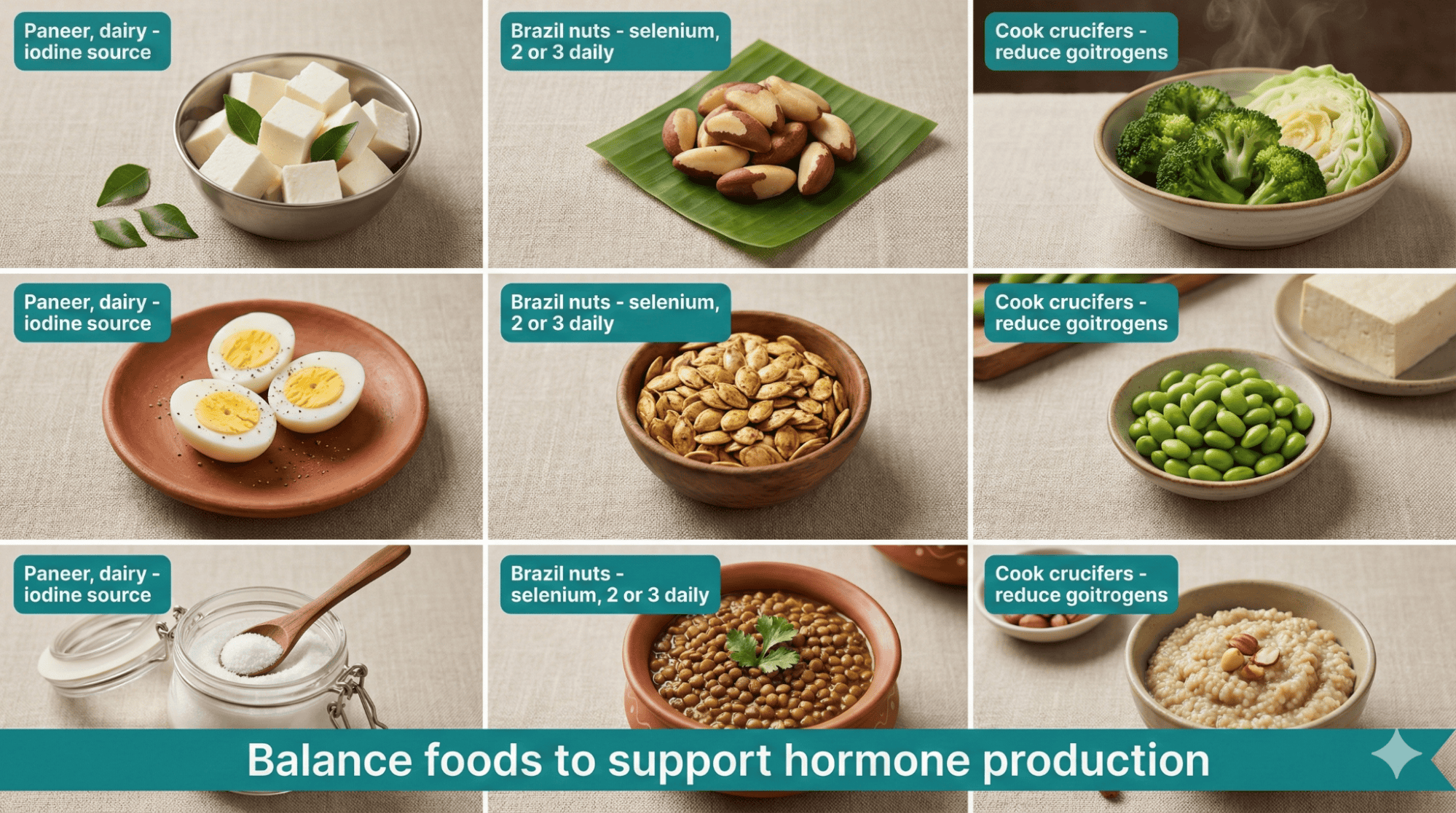
Iodized salt provides essential iodine, but you need consistent use in cooking rather than adding at table where heat hasn’t activated it. Seaweed and sea vegetables offer the highest natural iodine sources, though less common in traditional Indian cuisine compared to coastal regions. Dairy products including milk, yogurt, and paneer contain iodine, making them valuable for vegetarians lacking other iodine-rich options in diet. Furthermore, eggs provide both iodine and selenium, supporting thyroid hormone production when eaten regularly throughout the week for optimal benefits.
Modern Indian Meal Options and Healthy Recipes
Brazil nuts provide selenium that helps convert T4 to active T3, requiring just two to three nuts daily for adequate intake safely. Oats cooked with milk offer zinc and selenium supporting thyroid function while providing sustained energy throughout morning without blood sugar crashes. Coconut oil contains medium-chain fatty acids that may support thyroid function and metabolism, though research continues on exact mechanisms involved. Moreover, bone broth rich in minerals supports overall thyroid health while providing amino acids needed for hormone production and cellular function.
Foods to Limit or Avoid for Better Results
Raw cruciferous vegetables like cabbage, cauliflower, and broccoli contain goitrogens that block iodine absorption when eaten excessively without cooking properly. Soy products including soy milk and tofu can interfere with thyroid medication absorption, requiring four-hour gap between consumption and medication timing. Excessive millet consumption contains goitrogens that may worsen hypothyroidism when eaten daily in large quantities without adequate iodine intake simultaneously. Gluten found in wheat may trigger autoimmune thyroid problems in susceptible people, though not everyone needs complete avoidance of gluten entirely.
Portion Sizes and Meal Timing for Indians
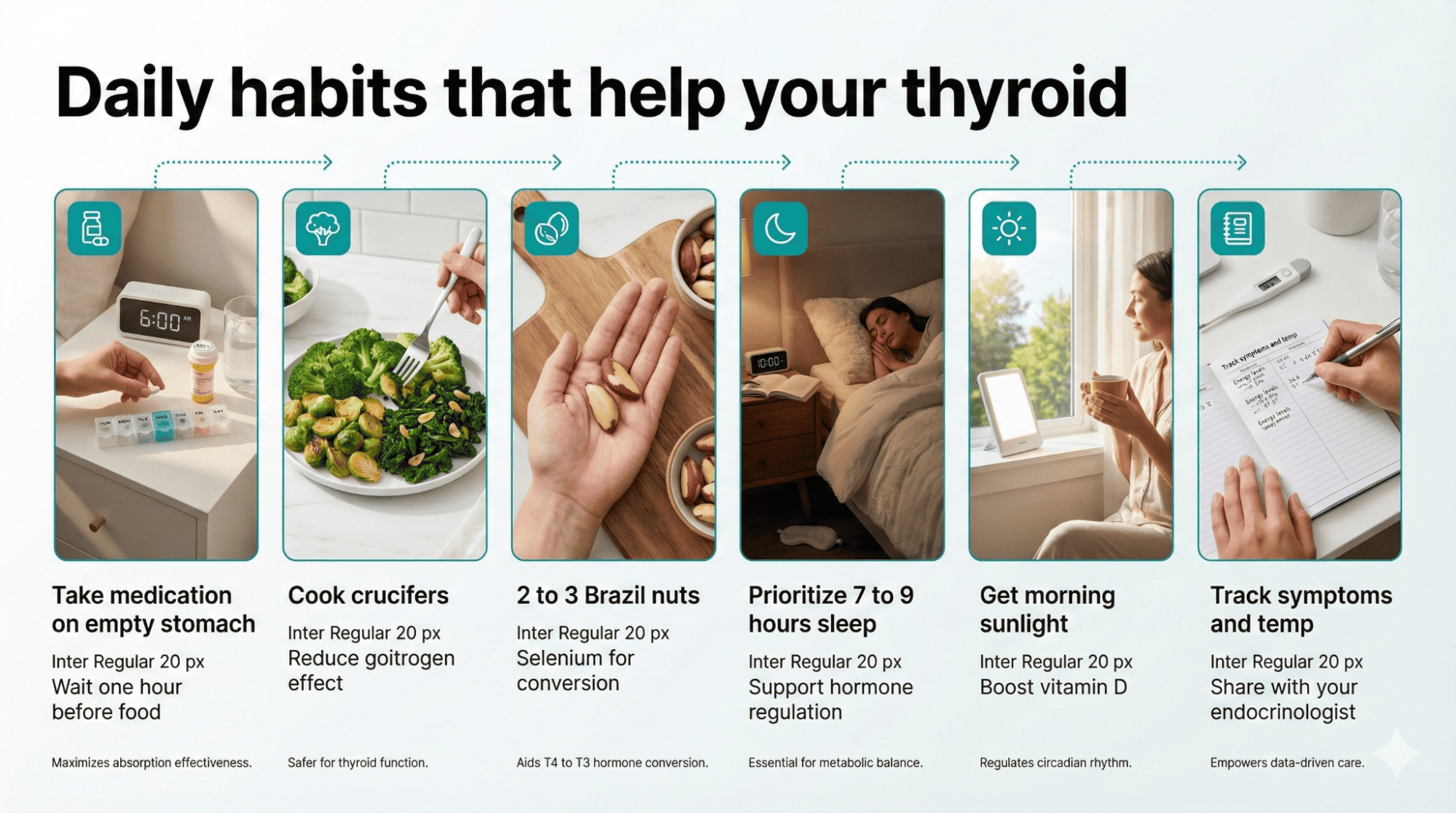
Eat three balanced meals with protein, healthy fats, and complex carbs to maintain stable blood sugar supporting thyroid hormone conversion throughout day. Take thyroid medication on empty stomach one hour before breakfast for optimal absorption, then wait before eating anything at all. Cook cruciferous vegetables rather than eating raw to reduce goitrogen content by fifty to seventy percent while retaining nutritional benefits for health. Include one Brazil nut daily for selenium, one serving of iodine-rich food, and zinc from nuts or seeds for complete thyroid support.
Lifestyle Changes to Support Thyroid And Weight Loss
Goitrogens: The Right Approach for Indians
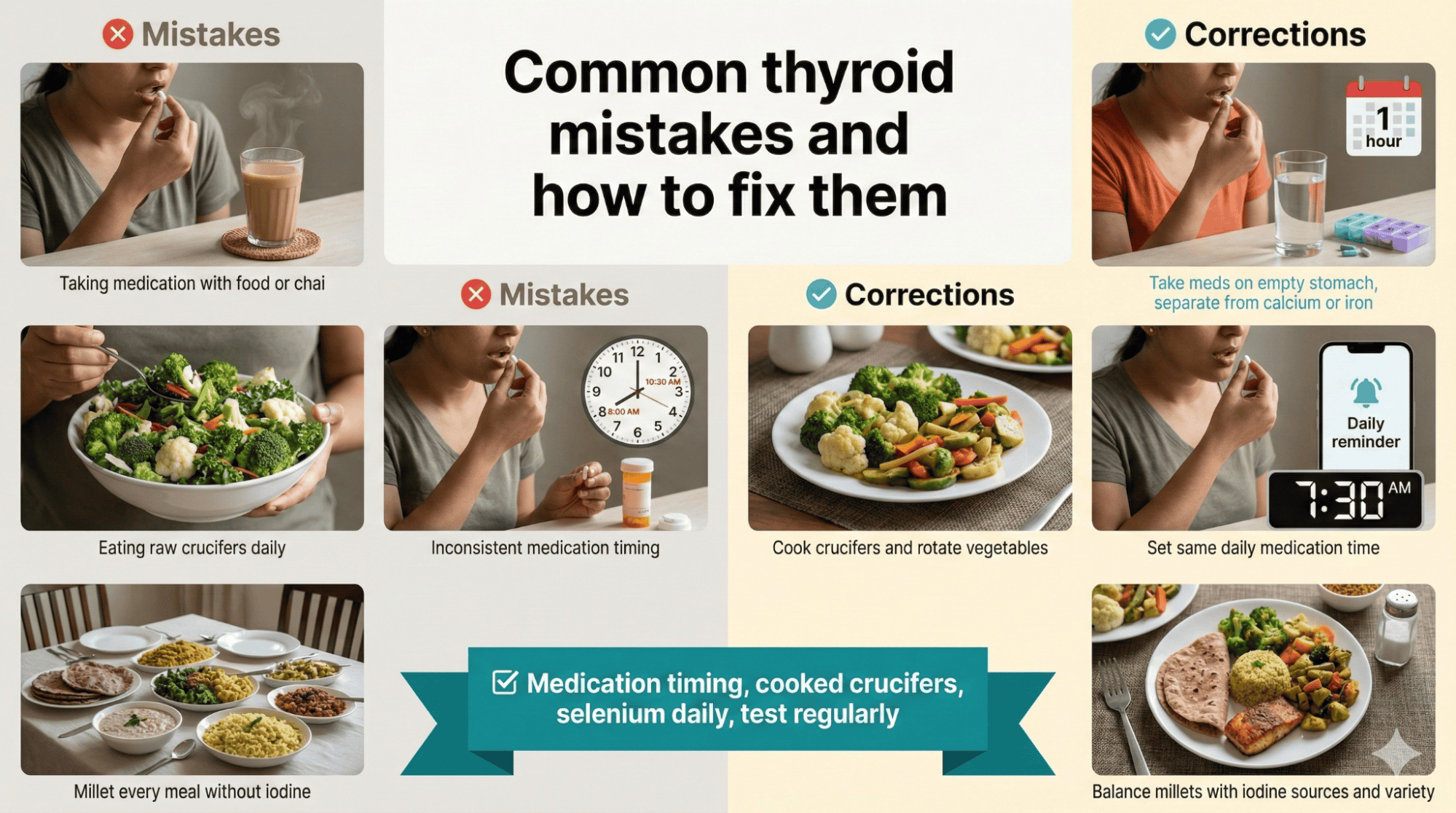
Cook cruciferous vegetables thoroughly through steaming, boiling, or roasting to significantly reduce goitrogen content while maintaining fiber and nutrients effectively. Avoid eating large amounts of raw kale, cabbage, or cauliflower daily, instead rotating vegetables and cooking them properly before consumption. Limit millet consumption to two to three times weekly rather than daily, especially if you have diagnosed hypothyroidism requiring careful management. Balance goitrogen-containing foods with adequate iodine intake from other sources to offset any potential negative effects on thyroid function completely.
Sleep and Stress Management Strategies
Sleep seven to nine hours nightly because sleep deprivation disrupts TSH secretion and impairs thyroid hormone conversion significantly over time consistently. Practice stress reduction through yoga, meditation, or breathing exercises daily, as cortisol directly interferes with thyroid hormone production and action. Avoid intense exercise when thyroid function is very low, instead focusing on gentle activities that don’t further stress your system unnecessarily. Create consistent sleep schedule going to bed and waking at same times daily to support pituitary gland function regulating thyroid hormones.
Daily Habits That Make a Real Difference
Take thyroid medication consistently at the same time daily on empty stomach for optimal absorption and steady hormone levels throughout weeks. Get morning sunlight exposure to support vitamin D production, which is crucial for thyroid function and immune system health significantly overall. Track symptoms including energy, weight, temperature, and mood to identify patterns and assess whether treatment is working effectively for you. Test thyroid function every three months initially, then every six months once stable, to ensure medication dosage remains appropriate for needs.
Your 7-Day Thyroid And Weight Loss Management Meal Plan
Breakfast Options (Vegetarian & Non-Vegetarian)
Take thyroid medication, wait one hour, then eat oatmeal cooked with milk, topped with two Brazil nuts and berries for selenium. Alternatively, try scrambled eggs with spinach and whole wheat toast providing protein, iodine, and nutrients supporting thyroid metabolism effectively together. Moong dal cheela with vegetables and yogurt on side offers protein plus probiotics that support gut health affecting thyroid function indirectly. Moreover, Greek yogurt with walnuts, flax seeds, and banana provides complete nutrition supporting both thyroid function and sustained energy throughout morning.
Lunch Ideas for Working Professionals
Pack brown rice with baked fish, steamed broccoli, and cucumber raita providing iodine, selenium, and balanced nutrition for thyroid health. Alternatively, whole wheat roti with cooked palak paneer, dal, and salad offers vegetarian options supporting thyroid without excessive goitrogens affecting function. Quinoa bowl with roasted vegetables, chickpeas, and tahini dressing provides complete protein plus minerals needed for hormone production and conversion. Furthermore, vegetable pulao with yogurt and roasted nuts gives you traditional comfort food adapted to support thyroid metabolism effectively during work.
Evening Snacks and Optimal Timing
Choose snacks between four and five PM to maintain stable blood sugar supporting thyroid hormone conversion and preventing energy crashes later. Apple slices with almond butter provide healthy fats and protein that stabilize energy without interfering with thyroid medication timing earlier. Roasted chana with cucumber slices offers protein and minerals while keeping calories controlled for weight management despite slower thyroid metabolism challenges. Additionally, herbal tea with a small handful of mixed nuts provides warmth and satisfaction supporting consistent energy levels until dinner arrives.
Dinner Composition for Better Results
Keep dinner moderate and early, eating by seven-thirty PM to allow digestion before sleep when growth hormone supports metabolism overnight. Grilled chicken or paneer tikka with roasted vegetables and small portion of brown rice provides protein plus nutrients for thyroid function. Vegetable khichdi made with moong dal, ghee, and cooked vegetables offers comfort food that supports digestion and thyroid without excessive calories. Alternatively, baked fish with sautéed greens and millet roti gives you iodine-rich meal supporting thyroid while maintaining weight loss efforts effectively.
Common Mistakes Indians Make with Thyroid And Weight Loss
Diet Mistakes That Sabotage Progress
Eating soy products close to thyroid medication interferes with absorption, reducing effectiveness and keeping metabolism slower than it should be. Consuming excessive raw cruciferous vegetables daily without cooking increases goitrogen intake that may worsen hypothyroidism over time despite healthy intentions. Taking calcium or iron supplements with thyroid medication blocks absorption, requiring separation by four hours for optimal effectiveness of both. Expecting diet alone to fix hypothyroidism ignores the fact that medication is usually necessary while diet supports but doesn’t replace treatment.
Lifestyle Pitfalls to Watch Out For
Skipping thyroid medication when feeling better allows hormone levels to drop again, causing metabolism to crash and weight to return quickly. Taking medication inconsistently at different times daily creates fluctuating hormone levels that make symptoms worse despite being on correct dosage. Exercising too intensely when thyroid function is low stresses your body further, potentially worsening adrenal function and overall metabolism over time. Ignoring stress management while focusing only on diet and medication misses major factor that significantly affects thyroid function and weight.
How to Course-Correct When Things Go Wrong
Get complete thyroid panel tested if weight loss stalls despite perfect diet adherence, as dosage adjustments might be needed for optimal function. Track basal body temperature daily for two weeks to assess whether thyroid medication is adequate or needs adjustment based on patterns. Add selenium and zinc supplements after consulting doctor if dietary intake seems insufficient for supporting thyroid hormone conversion and production. Work with endocrinologist specializing in thyroid disorders rather than general practitioner if symptoms persist despite standard treatment approaches over months.
Frequently Asked Questions
Q1: What is thyroid and weight loss and how does it affect Indians?
Thyroid and weight loss refer to how thyroid hormones control metabolism, with low thyroid function slowing calorie burning by twenty to forty percent daily. Forty-two million Indians have thyroid disorders, predominantly hypothyroidism causing unexplained weight gain, fatigue, and difficulty losing weight despite diet and exercise efforts consistently.
Q2: What are the main signs of thyroid issues?
Common symptoms include unexplained weight gain despite eating less, extreme fatigue unrelieved by rest, feeling cold constantly, dry skin, hair loss, and constipation. Many people also experience depression, brain fog, muscle weakness, puffy face, hoarse voice, and elevated cholesterol despite healthy lifestyle habits maintained regularly.
Q3: What foods should Indians eat for better thyroid and weight loss?
Focus on iodine-rich foods like iodized salt, dairy, and eggs, selenium from Brazil nuts, zinc from pumpkin seeds, and cooked vegetables. Include whole grains, lean proteins, and fermented foods while limiting raw cruciferous vegetables, excessive soy, and gluten if sensitive to autoimmune triggers.
Q4: Can thyroid be managed naturally?
While medication is usually necessary for hypothyroidism, diet and lifestyle changes significantly improve how well medication works for your body effectively. Adequate iodine and selenium intake, stress management, proper sleep, and avoiding goitrogen overload support thyroid function naturally alongside medical treatment appropriately together.
Q5: How long does it take to see results with thyroid and weight loss changes?
You might notice improved energy and reduced symptoms within four to six weeks after starting thyroid medication at correct dosage consistently. Significant weight loss typically appears after three to six months as metabolism normalizes, though progress may be slower than for people without thyroid issues.
Conclusion
The thyroid and weight loss connection affects forty-two million Indians, with hypothyroidism silently sabotaging metabolism and making weight loss feel impossible despite perfect efforts. Understanding which foods support thyroid function through providing iodine, selenium, and zinc while limiting raw goitrogens empowers you to work with your body. Medication combined with strategic nutrition and lifestyle changes normalizes thyroid function, allowing weight loss to finally become achievable rather than frustratingly out of reach.
Start by getting a comprehensive thyroid panel tested, including TSH, Free T3, Free T4, and antibodies, to understand your current status today. Add two Brazil nuts daily for selenium, use iodized salt consistently in cooking, and cook cruciferous vegetables rather than eating them raw. Track your symptoms, including weight, energy, temperature, and mood for seven days to identify patterns and assess whether current treatment is working effectively.
Related Posts